rifanmuazin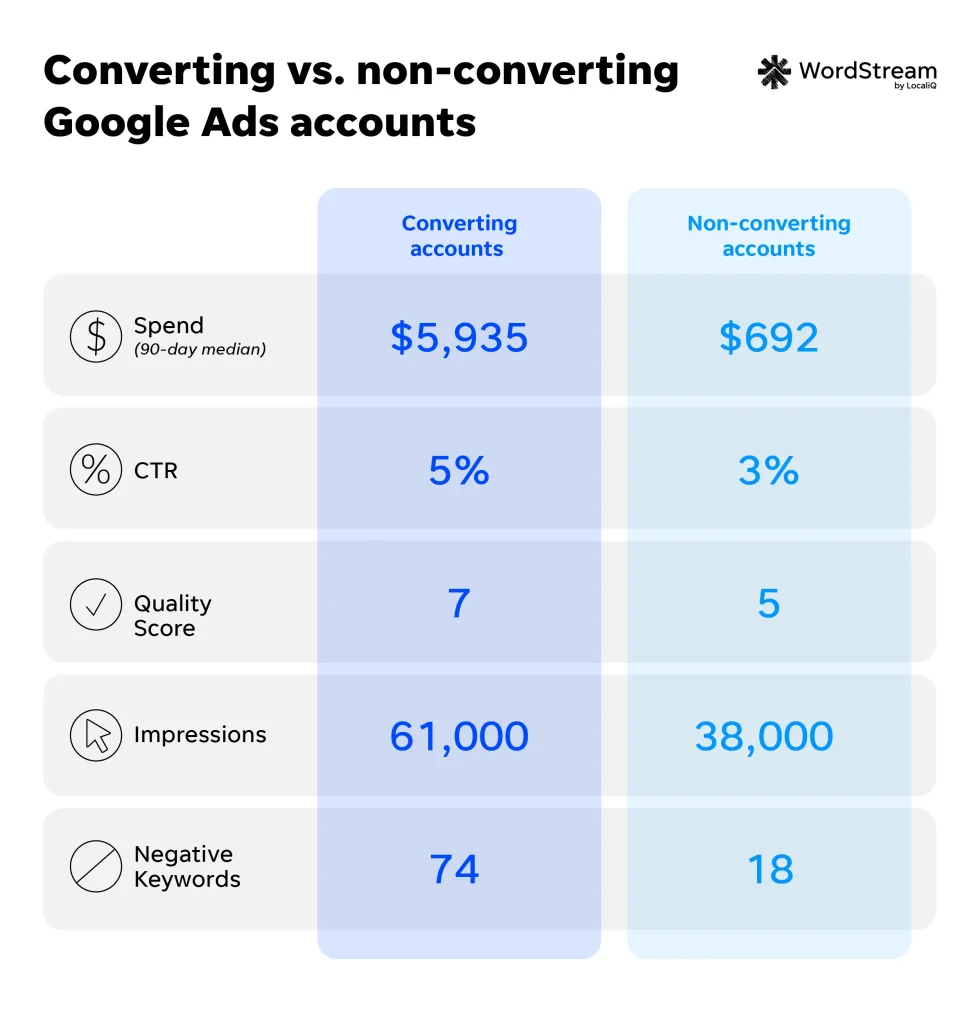
WordStream has released its comprehensive 10-year benchmark report on Google Ads and Meta Ads, offering advertisers critical insights into cost-per-click (CPC) trends and actionable strategies to reduce expenditure without compromising campaign performance. The report underscores that CPC is not a monolithic metric, but rather a dynamic figure influenced by industry, targeting precision, and campaign configuration. Beyond providing average CPC data, WordStream’s analysis delves into platform-specific tactics designed to enhance cost-efficiency.

The study meticulously compiles a decade’s worth of cost-per-click data, revealing fluctuations and providing a foundational understanding of industry averages. This historical perspective is crucial for advertisers seeking to benchmark their own performance and identify areas for improvement. The research emphasizes that a deep understanding of these benchmarks is only the first step; the true value lies in implementing practical, data-driven adjustments to campaign management.
Google Ads: Navigating the Evolving Landscape of Search Advertising Costs
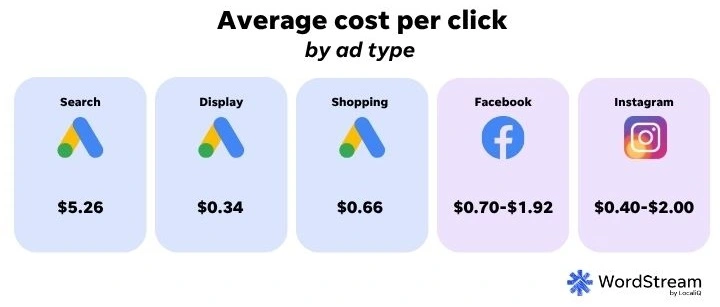
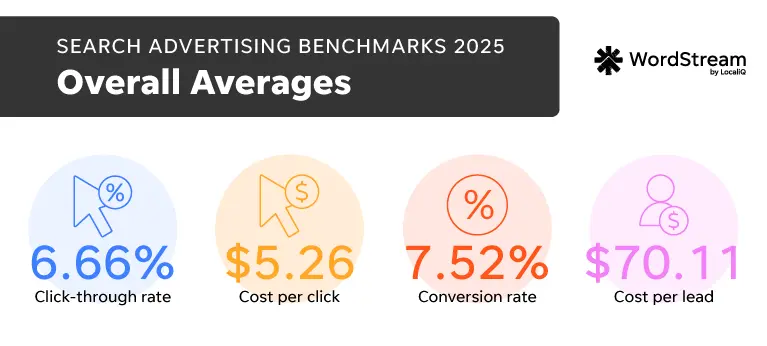
For the past ten years, the average cost per click for Google Search ads has seen considerable variation, fluctuating between $2.32 and $5.26. This range highlights the dynamic nature of the Google Ads auction system, influenced by factors such as seasonality, competitive pressures, and advertiser investment. The consistent availability of search advertising options from Google has made it a cornerstone for businesses aiming to connect with consumers actively seeking products and services.
Historical Google Ads CPC data indicates a general upward trend over the decade, though periods of relative stability and even slight decreases have been observed. These shifts are often correlated with broader economic conditions, changes in user search behavior, and the introduction of new ad formats and targeting capabilities by Google.
Key Strategies for Reducing Google Ads CPC:
-
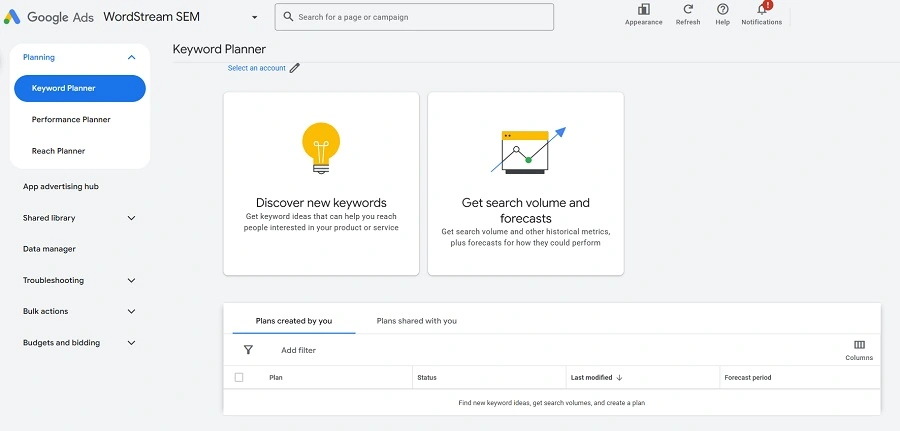
Strategic Keyword Selection: While it might be tempting to solely focus on the cheapest keywords, a more nuanced approach is essential. Advertisers should prioritize keywords based on their search volume and, critically, the intent behind the search query. A higher-priced keyword that converts exceptionally well can offer a better return on investment than a cheaper, less relevant term. Furthermore, keywords with higher search volumes, even if slightly more expensive, can drive more traffic, potentially improving click-through rates (CTR) and, consequently, the Quality Score. A balanced keyword strategy, incorporating both low-cost and high-reward terms, is paramount for achieving optimal CPC.
-
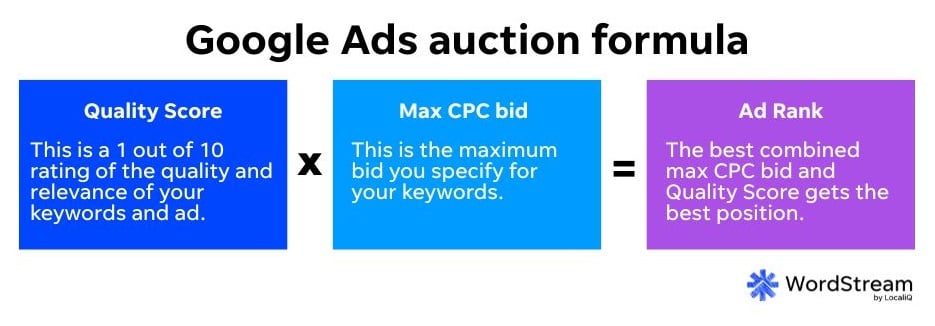
Enhancing Ad and Landing Page Quality: Google’s Quality Score is a critical determinant of ad cost. A higher Quality Score can lead to lower CPCs, even with competitive bids. This score is influenced by the relevance of your ads, the expected CTR, and the overall experience of your landing page. Regularly refreshing ad copy, incorporating relevant keywords, and ensuring landing pages are user-friendly and align with ad messaging are vital. Google provides tools within its ad editor to assess ad strength and suggest improvements, which can significantly impact cost-efficiency.
-
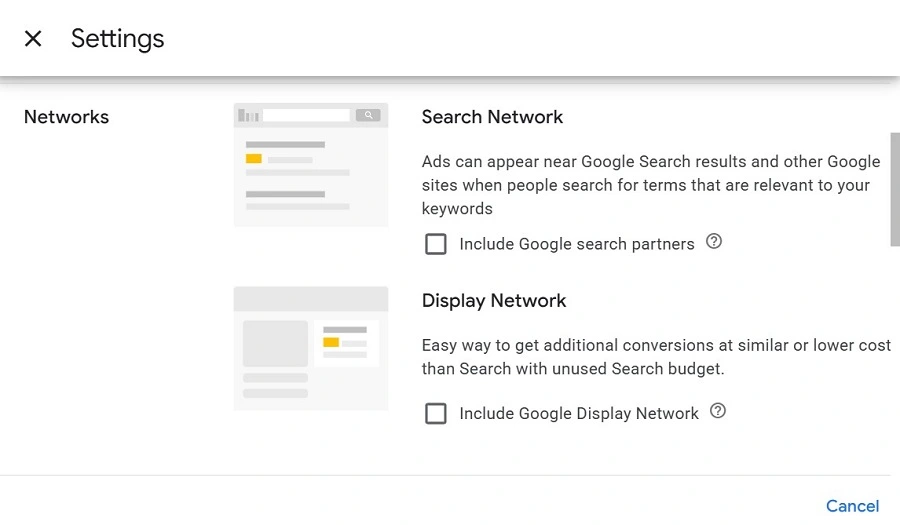
Exploring the Search Partner Network: The Google Search Partner Network, comprising sites with search capabilities that are part of the Google family, can offer a less competitive environment for ad placements. Historically, clicks from these partners have trended lower in cost. By opting into this network and closely monitoring performance, advertisers can uncover opportunities for more cost-effective clicks.
-
Leveraging the Google Display Network (GDN): In contrast to Search ads, Google Display campaigns typically exhibit significantly lower CPCs, with averages often around $0.34. Integrating GDN campaigns with search campaigns can help lower the overall account CPC. The assets developed for display ads can also be repurposed across other media networks, extending reach and cost-efficiency to a broader, full-funnel advertising strategy.
-
Utilizing Automated Google Ads Campaigns: Campaign types such as Performance Max and Demand Gen campaigns offer a broader reach across various networks, including Search, Display, and Gmail. These automated campaigns have been reported to achieve CPCs as low as $0.67, providing a cost-effective way to engage audiences across multiple touchpoints.
-
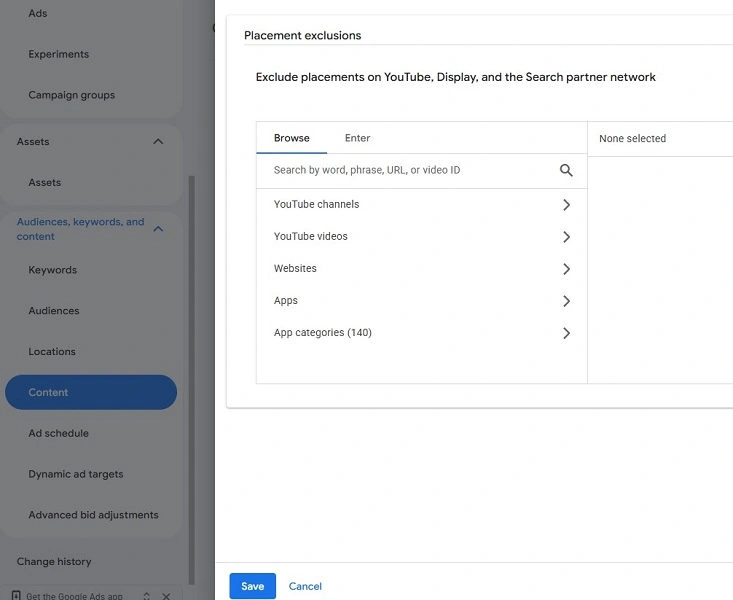
Implementing Exclusions Effectively: Strategic use of exclusions is fundamental to avoiding wasted ad spend. This includes excluding irrelevant locations and, depending on campaign type, other criteria such as specific audiences or search terms. By preventing ads from appearing in non-performing or irrelevant contexts, advertisers can ensure their budget is allocated to more valuable impressions and clicks.
-
Adopting Smart Bidding Strategies: Google’s Smart Bidding strategies dynamically adjust bids based on campaign performance, search behavior, and other real-time signals. This automated approach can help optimize bids for specific goals, such as maximizing conversions or target CPA, often leading to more efficient spending and potentially lower CPCs over time.
-
A/B Testing Targeting Options: Similar to keyword selection, testing different audience segments is crucial. While the most rewarding audience may not always have the lowest CPC, a balanced approach involving multiple audience tests can identify segments that offer the best value for money.
-
Utilizing Google Shopping Ads: For businesses selling products, Google Shopping ads present a compelling opportunity. With an average CPC of $0.66, these ads can be highly effective when product feeds are accurately maintained and aligned with user search intent.

-
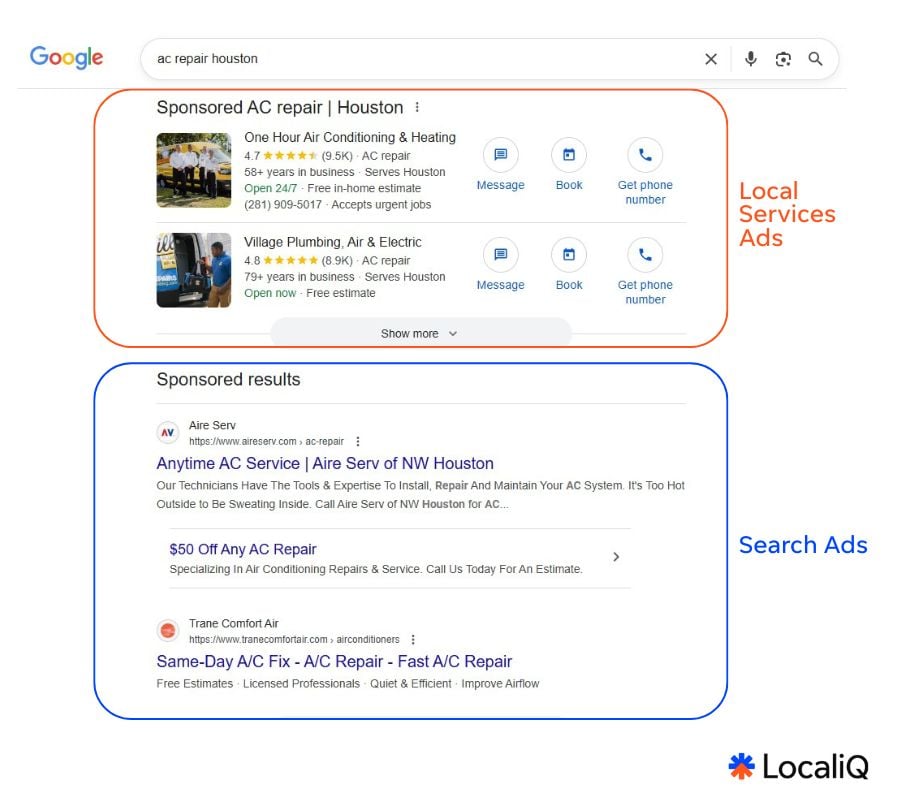
Enabling Google Local Services Ads (LSAs): For service-based businesses, LSAs offer a unique cost structure. Instead of paying per click, advertisers are charged only for valid leads, with an average cost per lead around $60, significantly lower than the average cost per lead for traditional search ads ($70.11). This model bypasses CPC altogether for lead generation.
-
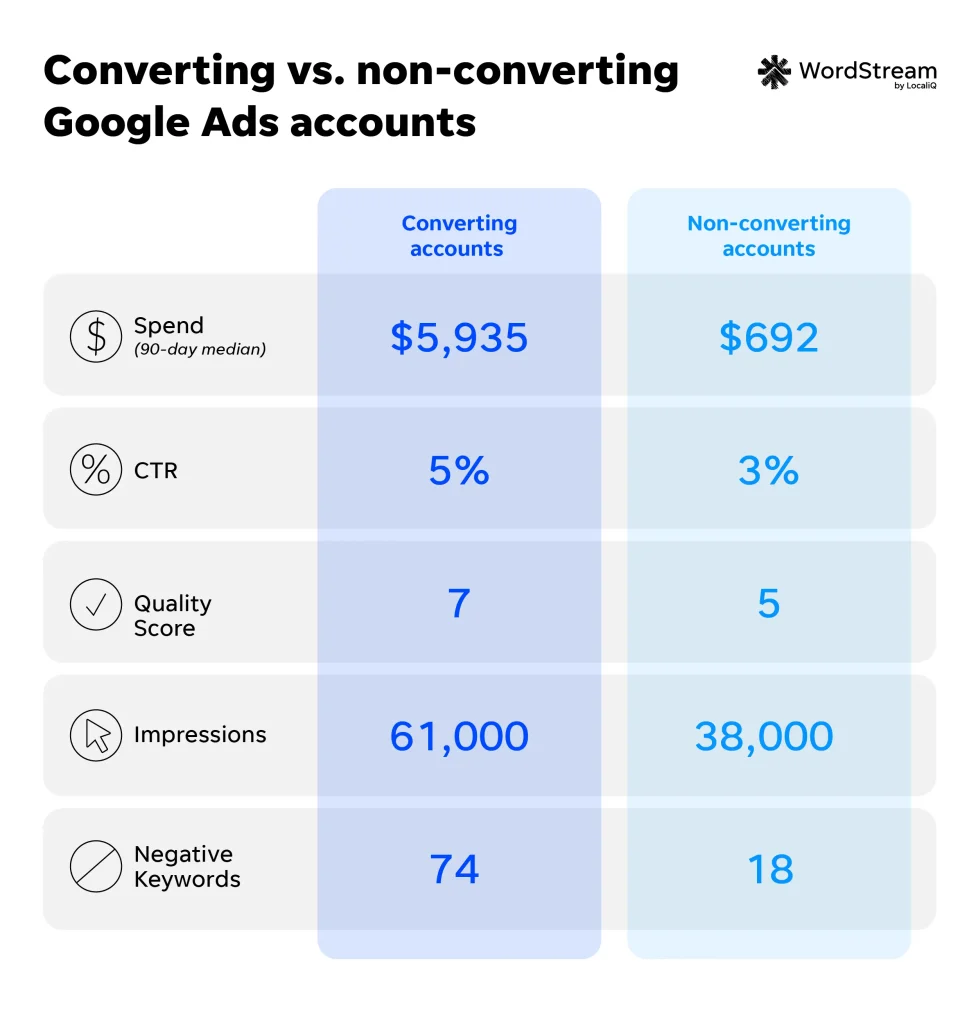
Building Robust Negative Keyword Lists: A comprehensive negative keyword list is paramount for optimizing Google Ads campaigns. Negating terms that are irrelevant or highly competitive, especially those related to major competitor brands that may not align with an SMB’s offerings, can prevent costly clicks and ensure ads are shown to a more relevant audience. Data from over 15,000 accounts consistently supports the importance of this practice.
Meta Ads (Facebook/Instagram): Driving Engagement and Efficiency on Social Platforms
Meta Ads, encompassing Facebook, Instagram, Messenger, and WhatsApp, operate on a different dynamic than search engines. Instead of responding to active searches, Meta ads aim to capture attention from users as they scroll through their feeds. This necessitates a focus on compelling creative and precise targeting to ensure ads are both seen and acted upon, while also striving for cost-effectiveness.
Key Strategies for Reducing Meta Ads CPC:
-
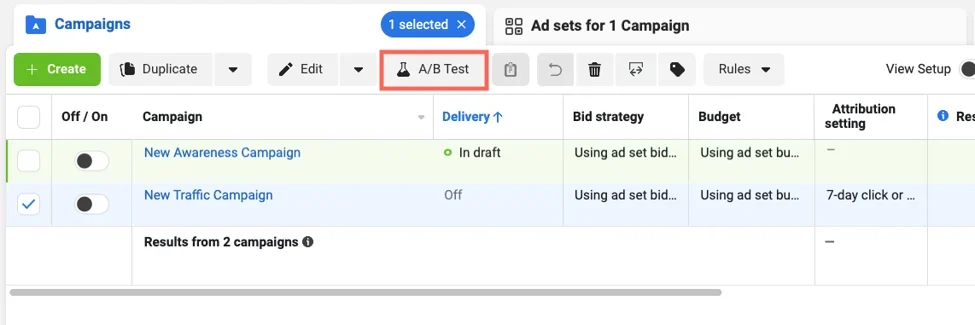
A/B Testing Ad Creative and Copy: Small variations in ad copy, imagery, or call-to-action (CTA) buttons can lead to significant differences in CPC. Facebook’s algorithm ranks ads based on their perceived ability to drive actions. Optimizing ad creative through continuous A/B testing can improve ad strength, leading to more favorable ad delivery and lower CPCs.
-
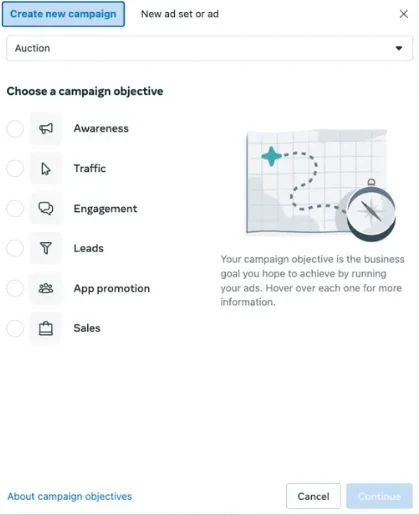
Strategic Campaign Objective Selection: The chosen campaign objective directly influences how Meta serves ads. Objectives optimized for conversions, for instance, might prioritize showing ads during higher CPC periods if there’s a higher likelihood of conversion. Aligning the objective with business goals and potentially splitting campaigns to test different objectives is crucial for cost management.
-
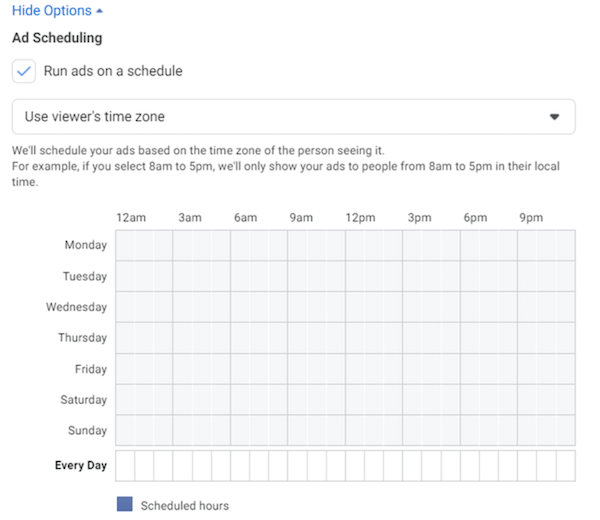
Leveraging Ad Scheduling: For campaigns with a lifetime budget, ad scheduling allows advertisers to control when their ads are displayed. By identifying times when the target audience is most receptive and likely to engage, advertisers can avoid spending on irrelevant clicks during off-peak hours, thereby reducing overall CPC.
-
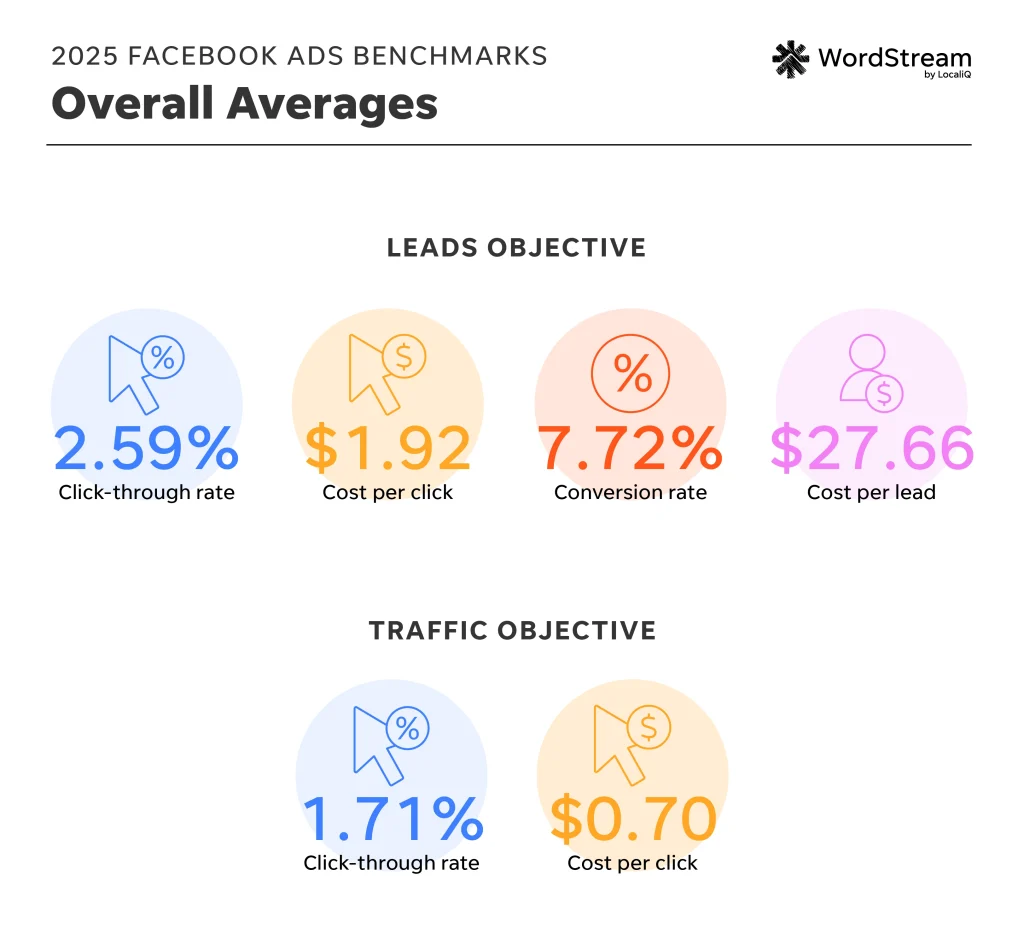
Customizing Placements: Meta’s advertising ecosystem offers a wide array of placements, from Facebook feeds to Instagram Stories and Reels. While Instagram ads can have CPCs ranging from $0.40 to $2.00, advertisers can customize where their ads appear. Selecting placements that best align with the ad format and target audience can prevent wasted impressions and clicks.
-
Precise Audience Targeting: Given the vast user base of Meta platforms, precise targeting is essential for efficiency. Casting too wide a net can lead to increased CPC due to showing ads to irrelevant demographics. Dialing in targeting by age, location, interests, and behaviors helps ensure ads reach the most engaged and relevant audience segments.
-
Focusing on Engagement: Ads that generate high engagement, such as likes, comments, and shares, tend to be ranked higher by Meta’s algorithm. This increased visibility can lead to more conversions and organic reach. Creating compelling, interactive content, such as video ads or posts that encourage audience participation, can significantly boost ad performance and potentially lower CPC.
Broader Implications and Future Outlook
The persistent evolution of digital advertising platforms, coupled with increasing competition, necessitates a proactive and data-driven approach to campaign management. WordStream’s decade-long analysis provides a crucial roadmap for advertisers aiming to navigate these complexities. The ability to adapt strategies based on historical trends and platform-specific best practices is no longer optional but a fundamental requirement for success in the digital advertising landscape.
As artificial intelligence continues to play a more significant role in ad platform algorithms, understanding the foundational principles of keyword relevance, ad quality, audience segmentation, and creative optimization remains paramount. These core elements empower advertisers to guide the AI and ensure their advertising investments yield the highest possible return. The insights provided by WordStream serve as a vital resource for businesses looking to refine their digital advertising strategies and achieve greater cost-efficiency in an increasingly competitive market.