rifanmuazin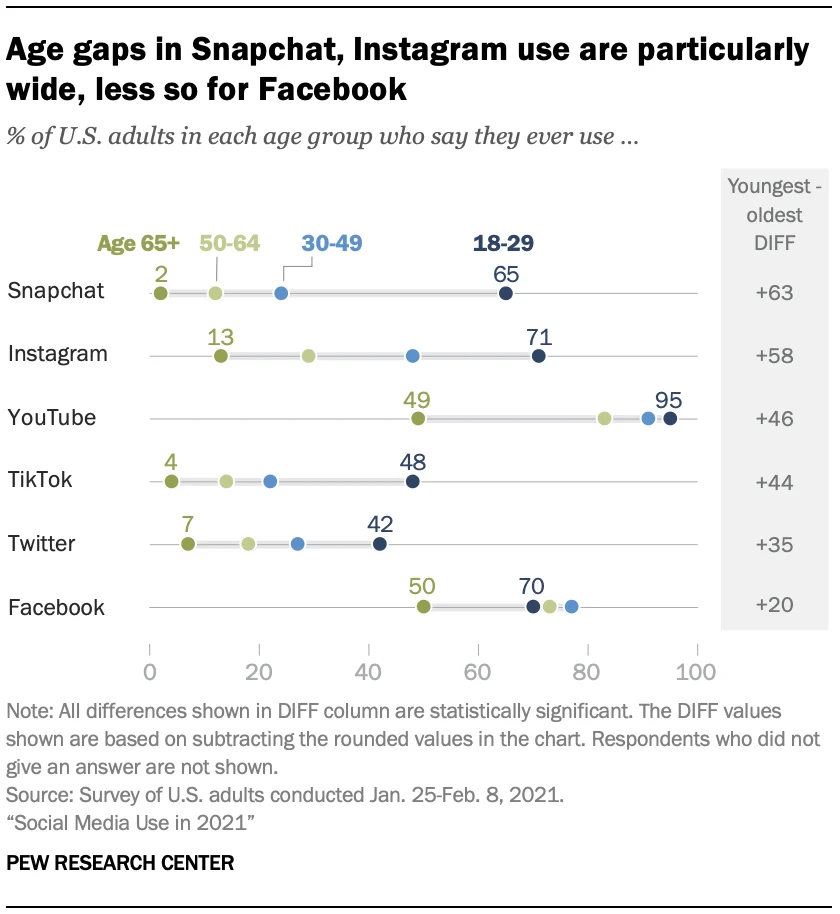
The strategic imperative of identifying and engaging a target audience has long been a cornerstone of effective marketing. This foundational principle underpins a multi-faceted approach, encompassing behavioral, psychographic, demographic, and geographic segmentation. However, in today’s increasingly fragmented media environment, a deeper understanding of generational nuances is paramount for marketers aiming to connect with consumers authentically and effectively. This article delves into the critical considerations for marketing to Millennials, the generation that has ascended to become the largest demographic cohort, and explores their unique digital behaviors, consumption patterns, and evolving life stages.
The Millennial generation, broadly defined as individuals born between 1980 and 1994, represents a significant demographic force, having surpassed the Baby Boomer generation in sheer numbers. Their ascent to the largest generational group in many developed economies has naturally placed them under intense scrutiny, often characterized by a set of widely circulated, though sometimes oversimplified, descriptors: digitally savvy, health-conscious, and burdened by debt. While these labels offer a starting point for comprehension, a more nuanced exploration is necessary to truly grasp the multifaceted reality of this influential consumer group.
The Millennial Mindset: Forged in Digital Transformation
Millennials stand apart as the generation that came of age amidst the seismic shifts of the digital revolution. Unlike Generation Z, who were born into a world where the internet and digital technologies were already ubiquitous, Millennials experienced the nascent stages of this transformation firsthand. Their formative years and early adulthood coincided with the meteoric rise of seminal digital platforms and companies, including the founding of Facebook by a fellow Millennial, the widespread adoption of mobile phones, the omnipresence of Google search, and the transformative impact of e-commerce giants like Amazon and the burgeoning influence of Apple. This immersion has cultivated a deep-seated technological fluency, making them adept navigators of the digital landscape.
This digital prowess is complemented by a unique set of life experiences that have shaped their outlook. Data from organizations like the Pew Research Center consistently indicate that Millennials possess higher levels of educational attainment compared to preceding generations. However, this educational advancement has often come at a considerable cost, with many grappling with the escalating expenses of higher education and the burgeoning housing market. This financial reality has, for many, delayed traditional milestones of adulthood, such as marriage, homeownership, and starting families, pushing these significant life events to later ages.
Furthermore, a prevailing characteristic of the Millennial mindset is a pronounced sense of self-orientation, often coupled with a strong appreciation for individual freedom and idealistic pursuits. This self-focus extends to their health and well-being. The observed surge in plant-based diets, including vegetarianism, veganism, and pescetarianism, alongside the cultural phenomenon of "avocado toast," can be seen as tangible manifestations of this health-consciousness. Crucially, for Millennials, experiences frequently hold greater intrinsic value than the accumulation of material possessions. This preference for experiences over ownership profoundly influences their purchasing decisions and brand engagement strategies.
Millennial Consumption Patterns: Beyond Stereotypes
The consumption habits of Millennials are a complex tapestry woven from their digital fluency, financial realities, and value systems. A comprehensive study conducted by McKinsey & Company identified several distinct clusters within the Millennial consumer base, revealing a spectrum of purchasing behaviors that defy simplistic categorization. While the specific details of these clusters were not provided in the original content, the implication is that marketers must move beyond broad generalizations.
Despite expressed concerns about their financial futures, a notable trend among Millennials is their willingness to invest in premium and high-quality products. This preference is often driven by a desire for durability, longevity, and tangible benefits for their health and well-being. This suggests a discerning consumer who prioritizes value and impact over superficial cost, particularly when these attributes align with their personal principles and long-term goals. This willingness to spend on quality indicates a sophisticated understanding of value, where upfront investment in superior products is seen as a wise decision that yields greater returns in terms of longevity and personal benefit.
Strategic Approaches to Marketing to Millennials
Understanding the intricate web of Millennial characteristics is the first step; the subsequent challenge lies in developing effective strategies to reach and engage this generation. This requires a dual focus on platform selection and message crafting.
Platforms for Reaching Millennials
The digital ecosystem is the primary arena for engaging Millennials. Given their lifelong immersion in technology, marketers must identify the platforms where this demographic congregates and actively participates. This necessitates a data-driven approach, considering not only general platform popularity but also the specific age demographics of users.
- Social Media Dominance: Platforms like Instagram, Facebook, and YouTube remain significant touchpoints. Instagram, with its visually driven content, appeals to Millennials’ appreciation for aesthetics and experiences. Facebook, while facing competition, continues to be a hub for community building and information sharing. YouTube offers a vast repository of content, from educational videos to entertainment, catering to a wide range of interests.
- Emerging and Niche Platforms: Depending on the specific sub-segment of Millennials being targeted, other platforms may hold sway. TikTok, while often associated with Gen Z, has seen a significant influx of Millennial users engaging with its short-form video format, particularly for entertainment and trend participation. LinkedIn is crucial for professional networking and B2B marketing, relevant for Millennials in their career-building phases.
- Content Consumption Habits: Beyond social media, Millennials are active consumers of digital content. This includes blogs, podcasts, streaming services, and online news outlets. Marketers should consider native advertising, influencer collaborations, and content marketing strategies that provide genuine value and resonate with their interests.
The accompanying visual data, depicting age gaps across different social media platforms, underscores the importance of platform-specific targeting. While some platforms may have a broader age distribution, others skew heavily towards specific generational cohorts. A granular analysis of user demographics on each platform is essential to ensure marketing efforts are directed towards the most receptive audiences. For instance, while Facebook has a strong Millennial presence, its user base is more diverse than platforms like Instagram, which often exhibits a higher concentration of younger Millennials and Gen Z. Understanding these nuances allows for more precise campaign allocation and optimization.
Messaging That Resonates with Millennials
Crafting messages that genuinely connect with Millennials requires more than just placing advertisements on their preferred platforms. It demands an understanding of their values, aspirations, and communication preferences.
- Authenticity and Transparency: Millennials value authenticity above all else. They are adept at spotting inauthentic marketing and are quick to disengage. Brands that are transparent about their products, values, and business practices will build greater trust and loyalty. This includes being open about sourcing, manufacturing processes, and social impact initiatives.
- Purpose-Driven Marketing: As noted, Millennials are often driven by idealism and a desire to make a positive impact. Marketing messages that highlight a brand’s social responsibility, environmental consciousness, or commitment to ethical practices will likely resonate more strongly. They want to feel that their purchasing decisions align with their personal values. For example, brands that actively support social causes or demonstrate a commitment to sustainability are often favored.
- Experiential Focus: Given their preference for experiences, marketing should emphasize the benefits and enjoyment derived from a product or service, rather than solely focusing on its features or price. Storytelling that evokes emotion and paints a picture of how the product enhances life experiences can be highly effective.
- Personalization and Relevance: Millennials expect a personalized experience. Generic, one-size-fits-all messaging is likely to be ignored. Utilizing data to deliver tailored recommendations, offers, and content that speaks directly to their individual needs and interests is crucial. This can be achieved through targeted advertising, personalized email campaigns, and dynamic website content.
- Humor and Relatability: While not universally applicable, a well-placed touch of humor or relatable content can significantly boost engagement. Millennials often appreciate brands that don’t take themselves too seriously and can connect with them on a human level.
- Value Proposition Beyond Price: While financial constraints are a reality for many, as previously discussed, Millennials are willing to pay a premium for quality and value that aligns with their priorities. Messaging should articulate this deeper value proposition, emphasizing longevity, health benefits, or unique experiential qualities, rather than solely focusing on the lowest price point.
It is imperative to recognize that the Millennial generation is not a monolithic entity. Within this broad demographic, distinct consumer clusters, as identified by research, will respond to different messaging strategies. For example, a Millennial who prioritizes health and wellness may be more receptive to messages highlighting organic ingredients and sustainable sourcing, while another who is focused on career advancement might be more influenced by content related to professional development and networking opportunities. Therefore, segmenting within the Millennial cohort based on psychographic profiles and behavioral data is essential for optimizing campaign effectiveness.
The challenges and opportunities in marketing to Millennials are dynamic. Their evolving life stages, economic realities, and technological adoption continue to shape their consumer behavior. As they progress through different phases of adulthood, their priorities and purchasing habits will shift. Marketers must remain agile, continuously analyzing data, adapting their strategies, and fostering authentic connections.
Ultimately, successfully marketing to Millennials hinges on a deep understanding of their generational context, a commitment to authentic communication, and a strategic approach to platform selection and message crafting. By moving beyond simplistic stereotypes and embracing a nuanced, data-driven perspective, brands can forge meaningful connections with this pivotal consumer group, driving both engagement and long-term loyalty. For organizations seeking expert guidance in navigating the complexities of Millennial marketing and developing tailored digital solutions, consulting with experienced marketing professionals can provide the strategic insights and execution necessary for success.