rifanmuazin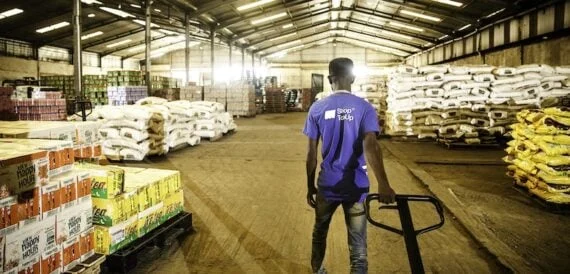
The vibrant and often challenging landscape of consumer-focused e-commerce in Africa is undergoing a significant transformation, with a pronounced shift towards Business-to-Business (B2B) distributors that directly serve the continent’s vast network of informal retailers. This evolution is driven by the persistent hurdles of high customer acquisition costs and the complexities of last-mile delivery to residential addresses, coupled with the enduring dominance of physical retail, which accounts for approximately 90% of consumer spending across Sub-Saharan Africa. Instead of aiming to deliver directly to individual consumers, e-commerce platforms are increasingly embedding themselves into the core of the supply chain, providing essential services such as inventory sourcing and extending crucial trade credit to the myriad of "mom-and-pop" shops, neighborhood kiosks, and market stalls that form the backbone of African commerce.
This strategic pivot represents a departure from the initial focus on direct-to-consumer delivery apps. The new breed of e-commerce players are not merely logistical facilitators; they are becoming indispensable partners in the operational and financial health of the informal retail sector. By aggregating demand from these small businesses and optimizing their supply chains, these B2B distributors are unlocking efficiencies and providing access to capital that traditional banking institutions often find difficult to extend.
The Power of Retail Aggregation
In major African metropolises like Lagos, Nairobi, and Cairo, consumer purchasing patterns are characterized by frequent, small-value transactions conducted predominantly in person. This fragmented retail environment, while presenting challenges for traditional e-commerce, offers a unique opportunity for B2B distributors. By consolidating orders from numerous small retailers, these distributors can achieve economies of scale, significantly lowering the overall cost of restocking for individual shop owners.
The logistical benefits are particularly stark. Consider Lagos, a city notorious for its gridlocked traffic, which severely constrains the daily delivery capacity of Business-to-Consumer (B2C) couriers. In contrast, a B2B truck delivering to a concentrated cluster of retail outlets can transport five times the volume in a single trip. This efficiency is exemplified by Nigeria-based TradeDepot, a leading B2B distributor that has implemented a sophisticated pre-selling model. Their fleet operates within specific geographical clusters of shops, ensuring that every truck departing the warehouse has a pre-determined, high-density route. This meticulous planning maximizes delivery efficiency and minimizes wasted mileage, a critical factor in an environment where transportation costs can be a significant operational burden.
The strategic advantage of this aggregation model extends beyond mere logistics. It allows distributors to build deep relationships with a vast network of retailers, gaining invaluable insights into their purchasing habits, inventory levels, and sales velocity. This granular understanding of the retail ecosystem is the foundation upon which they are building new revenue streams and offering services that were previously unavailable to small business owners.
Bridging the Working Capital Gap
One of the most significant challenges faced by small, informal retailers in Africa is access to working capital. Traditional banks often hesitate to lend to these businesses due to a lack of transparent financial records, limited visibility into daily cash flow, and an inability to assess inventory turnover accurately. This credit gap hinders their ability to purchase sufficient stock, leading to lost sales and limiting their growth potential.
B2B distributors, however, are uniquely positioned to overcome this barrier. By processing every transaction, from inventory sourcing to delivery, these platforms capture critical data points that illuminate a retailer’s financial health. With this unprecedented visibility into daily sales and inventory movements, distributors can confidently offer revolving inventory credit. This financial product, often structured as a flexible line of credit, allows retailers to purchase goods on demand and repay over time, based on their sales performance.
Prominent examples of this model include MaxAB and Wasoko, which merged in 2024. Collectively, these companies serve over 450,000 African merchants. In Egypt, the financial services arm of their combined entity is generating over $180 million in annual turnover, a figure that notably outpaces the revenue generated by their core e-commerce operations. This remarkable success underscores a fundamental shift: the distributor becomes the primary customer acquisition channel, and working capital emerges as the core product. With reported repayment rates exceeding 99%, this model demonstrates a strong capacity to manage risk and deliver value to both retailers and the distributors themselves. The ability to provide consistent access to financing empowers these small businesses to maintain optimal stock levels, respond to consumer demand effectively, and ultimately grow their enterprises.
Unlocking Visibility for Brands
The transformative impact of B2B distributors extends beyond the retailers they serve; it also revolutionizes how fast-moving consumer goods (FMCG) brands understand and manage their market presence. Historically, brands sold their products into complex wholesale networks, often losing granular visibility once goods left their distribution centers. This lack of insight made it difficult to track product movement, understand regional demand patterns, and optimize marketing and sales strategies.
Distributors like MaxAB-Wasoko are fundamentally changing this dynamic by providing SKU-level visibility right at the point of retail. This means that brand managers at major companies such as Unilever or Nestlé can now access real-time data on precisely what products are selling, where they are selling, and in what quantities. This unprecedented transparency empowers them to make more informed decisions. They can dynamically adjust pricing strategies based on local market conditions, allocate inventory with greater precision to meet anticipated demand, and identify underperforming regions or products more rapidly.
This real-time data flow bypasses the traditional friction points and information delays inherent in multi-layered distribution channels. Brands can move beyond relying on aggregated, often outdated, sales reports and gain a direct line of sight into the consumer purchasing behavior at the micro-level. This capability is invaluable for optimizing product development, tailoring marketing campaigns to specific demographics and locations, and ensuring that their products are available where and when consumers want them. The implications for brand strategy and operational efficiency are profound, allowing for a more agile and responsive approach to market dynamics across the African continent.
A Timeline of Evolution
The journey towards this B2B-centric e-commerce model in Africa has been an evolutionary process, shaped by technological advancements, changing consumer behaviors, and the persistent realities of the continent’s economic infrastructure.
-
Early 2010s: The initial wave of e-commerce in Africa largely mirrored global trends, focusing on direct-to-consumer (D2C) models. Companies like Jumia and Konga emerged, attempting to replicate the online retail experience seen in more developed markets. However, they quickly encountered significant headwinds, particularly in logistics and customer acquisition. High internet penetration was not yet a given in many areas, and the cost of delivering individual parcels to often hard-to-find residential addresses proved prohibitively expensive.
-
Mid-2010s: Recognizing the limitations of the D2C approach, some platforms began exploring alternative strategies. The sheer volume of informal retail became increasingly apparent as a potential market. Early attempts at B2B logistics often involved basic order aggregation and delivery, but lacked the integrated financial services and deep data insights that characterize today’s leaders.
-
Late 2010s – Early 2020s: This period saw the rise of more sophisticated B2B distributors. Companies like TradeDepot, MaxAB, and Wasoko began to build out robust technology platforms designed to serve the specific needs of informal retailers. They invested in logistics infrastructure, developed proprietary software for inventory management and route optimization, and crucially, started to explore the provision of trade credit. The proliferation of mobile money solutions across the continent also played a vital role, facilitating digital transactions and creating a more conducive environment for financial inclusion.
-
2024 and Beyond: The merger of MaxAB and Wasoko signifies a consolidation of market power and a clear indication of the B2B distributor model’s viability and scalability. The focus has firmly shifted from simply delivering goods to providing a comprehensive suite of services that include inventory sourcing, logistics, and crucially, financial solutions. This integrated approach is enabling these platforms to capture significant market share and redefine the e-commerce landscape in Africa. The emphasis on data analytics and its application in enabling brands to gain granular market visibility is a testament to the maturity of this evolving sector.
Supporting Data and Market Insights
The economic significance of informal retail in Africa cannot be overstated. Studies by organizations like the World Bank and various market research firms consistently highlight its role as a primary source of employment and income for a substantial portion of the population. For instance, reports indicate that informal trade can account for anywhere from 50% to 80% of retail sales in many Sub-Saharan African countries.
- Market Size: The total addressable market for informal retailers across Africa is estimated to be in the hundreds of billions of dollars annually, with a significant portion of this being fast-moving consumer goods.
- Transaction Volume: While individual transaction values are low, the sheer frequency and number of these transactions create a substantial aggregate demand that B2B distributors are adept at serving.
- Credit Gap: Estimates suggest that millions of small businesses in Africa operate with a significant unmet need for credit, often relying on informal moneylenders with exorbitant interest rates. B2B distributors are filling this void with more accessible and sustainable financing options.
- Logistical Costs: Inefficient supply chains and poor infrastructure can add a significant percentage to the cost of goods for retailers, impacting their profit margins. B2B aggregation and optimized logistics directly address this cost leakage.
- Digital Adoption: While smartphone penetration is still growing, mobile internet access is expanding rapidly, creating a fertile ground for digital platforms that offer tangible benefits to businesses.
Broader Impact and Implications
The shift towards B2B e-commerce distributors has far-reaching implications for the African economy:
- Formalization of the Informal Sector: By providing access to credit, transparent transaction records, and efficient supply chains, these platforms are gradually helping to formalize aspects of the informal economy. This can lead to increased tax revenues for governments and greater economic stability.
- Empowerment of Small Businesses: Retailers gain access to a wider range of products, better pricing, and crucial working capital, enabling them to compete more effectively and grow their businesses. This directly contributes to poverty reduction and economic development at the grassroots level.
- Enhanced Supply Chain Efficiency: For brands, the increased visibility and streamlined distribution channels lead to more efficient inventory management, reduced waste, and a better understanding of market dynamics. This can foster innovation and investment in the African consumer goods market.
- Economic Growth: The aggregate impact of empowering millions of small businesses and optimizing supply chains contributes significantly to overall economic growth across the continent. It creates jobs, stimulates demand, and fosters a more robust and resilient business environment.
The evolution of e-commerce in Africa is not a simple replication of Western models but a dynamic adaptation to local realities. The success of B2B distributors in bridging logistical, financial, and informational gaps highlights a pragmatic and impactful approach to unlocking the continent’s vast economic potential. As these platforms continue to innovate and expand their services, they are poised to play an even more critical role in shaping the future of commerce and driving inclusive growth across Africa.