rifanmuazin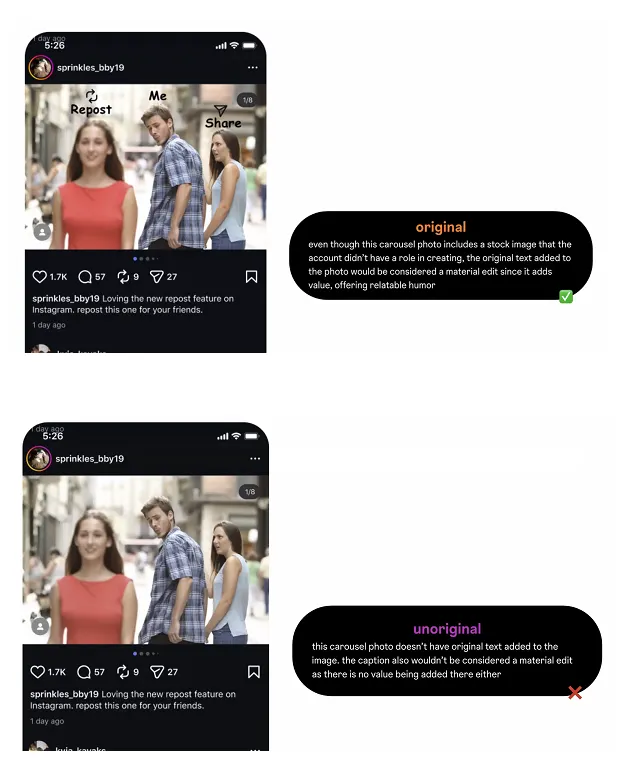
Instagram has announced a monumental shift in its content recommendation algorithm, a move poised to significantly reshape content visibility and distribution within the popular social media application. Starting this week, the platform will implement a new system designed to actively deprioritize and cease recommending photos and carousel posts originating from aggregator accounts within its crucial Explore feed and other discovery surfaces. This strategic update underscores Instagram’s renewed commitment to supporting the creators who are the lifeblood of its ecosystem, aiming to rectify long-standing issues surrounding content theft and inadequate attribution.
The official statement from Instagram clarifies the platform’s philosophy: “Original creators are the heart of Instagram. Whether you’re an artist sharing your perspective or a creator documenting your life through carousels, you deserve credit for the content you make. We know how frustrating it can be to see aggregators benefit from your work.” This declaration signals a definitive stance against accounts that profit from republishing content without adding substantial original value, often outperforming the original creators in terms of reach and engagement. The new algorithm will thus grant higher priority to genuinely original content, while simultaneously reducing the visibility of re-posting profiles that frequently amass significant traction, sometimes overshadowing the authentic source.
The Evolution of Content Curation and Meta’s Strategic Imperative
This latest algorithm adjustment is not an isolated incident but rather an expansion of a foundational system Instagram first rolled out for its Reels feature in 2024. That initial implementation for short-form video content proved to be a resounding success, demonstrating tangible benefits for creators and validating Meta’s hypothesis that prioritizing originality drives deeper engagement. Meta reported that in the second half of 2025, following the Reels update, both views and the aggregate time spent watching original Reels on Facebook approximately doubled year over year. This compelling data provided a clear impetus for the company to extend similar principles to its static image and multi-image carousel formats, which remain foundational to Instagram’s user experience.
The motivation behind Meta’s sustained push for original content is multifaceted and deeply integrated into its long-term strategic vision. Firstly, fostering a creator-friendly environment is crucial for talent retention. In an increasingly competitive digital landscape, where platforms like TikTok have gained significant traction by prioritizing original, engaging content, creators are constantly weighing their options. By ensuring fair attribution and enhanced reach, Instagram aims to provide a more compelling incentive for creators to continue producing and sharing their unique work within its app, thereby preventing a "brain drain" of talent to rival platforms.
Secondly, original content is a vital input for Meta’s burgeoning artificial intelligence systems. Diverse, authentic, and new content feeds AI models, allowing them to better understand user preferences, improve recommendation engines, and develop more sophisticated generative AI capabilities. A platform rich in original content is better positioned to innovate and maintain its technological edge, particularly as Meta invests heavily in AI-driven experiences and the metaverse. The continuous influx of novel content trains these algorithms to be more adaptive, nuanced, and capable of identifying emerging trends and user interests.
The problem of content aggregation, where accounts re-post popular content often without permission or proper credit, has plagued social media platforms for years. These accounts frequently gain massive followings by acting as conduits for viral content, inadvertently siphoning engagement and potential revenue away from the original creators. This issue has led to widespread frustration among artists, photographers, and independent creators who often see their work achieve virality only through third-party accounts, without receiving the deserved recognition or direct benefits. Instagram’s move is a direct response to these long-standing grievances, aiming to shift the reward mechanism back to the source of creativity.
Decoding Originality: Instagram’s New Guidelines
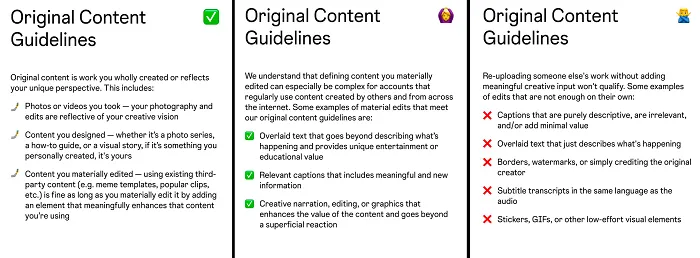
The concept of "original content" in the fast-paced, remix-heavy world of social media can sometimes be ambiguous. Recognizing this potential for confusion, Instagram has proactively provided creators with a comprehensive overview of how it assesses content and the key elements the platform scrutinizes to determine originality. While specific details of the proprietary algorithm remain confidential, the guidance emphasizes several crucial factors that indicate a piece of content is genuinely original:
- First-to-Post Identification: At its core, the algorithm is designed to identify the earliest instance of a particular piece of content appearing on the platform. This involves sophisticated hashing and matching technologies that scan for identical or near-identical duplicates. The content that is uploaded first by its creator will receive priority.
- Unique Creation Elements: Content exhibiting distinct creative input is highly valued. This includes elements such as original photography, unique graphic design, personal narratives, bespoke video editing, original audio compositions, or novel illustrative techniques. The presence of a creator’s unique "voice" or "style" in the production is a strong indicator of originality.
- Transformative Use and Added Value: Even if content incorporates elements from existing sources (e.g., using a popular audio track, a public domain image, or a trending template), the addition of significant unique value can qualify it as original. This means a personal perspective, a transformative edit, an educational overlay, a critical commentary, or a comedic re-interpretation that fundamentally alters the original context or message. Simple re-uploads or minor alterations (like cropping or basic filters) are unlikely to meet this threshold.
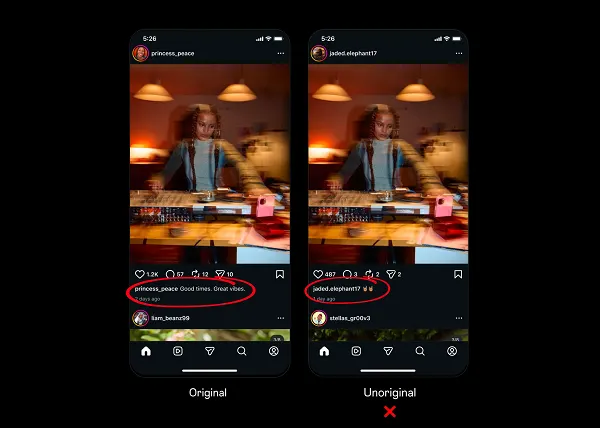
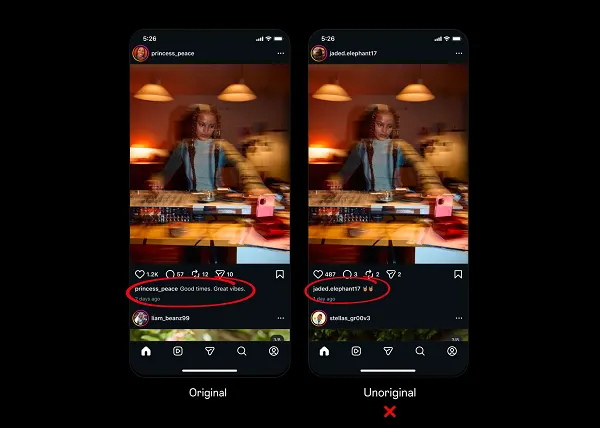
- Creator’s Intent and Context: The platform may also analyze contextual cues, such as the creator’s profile history (is this user known for original content?), the caption’s originality, the engagement patterns (does the audience perceive this as original?), and the overall consistency of the creator’s output to infer intent and originality.
This distinction becomes particularly relevant for memes and image-based posts that often thrive on re-interpretation and slight modifications. Creator economy expert Lia Haberman, referencing Instagram’s guidance, highlighted that merely adding a small amount of "fresh content" to a largely re-posted image may not be sufficient to escape the new algorithm’s scrutiny. For instance, simply putting a new caption on an existing viral image might not qualify as original, whereas creating a new meme template or significantly altering an existing one with original graphics and text would likely pass the test. The threshold for "originality" appears to require a more substantial creative contribution to the re-used material, pushing creators towards more transformative edits or entirely new creations.
What Remains Unchanged and Recommended Best Practices
Crucially, Instagram has clarified that this algorithm update will not alter how content is displayed to followers of an account. This means that if a user follows an aggregator account, they will still see its posts in their feed. The impact is primarily on discovery surfaces like Explore, Hashtag feeds, and potentially the main feed for users who do not follow the original creator. This distinction is important as it aims to prevent outright censorship of accounts while strategically limiting their broader, unearned reach.
Furthermore, the update will not impact “a set of publishers we’ve identified who have licensing agreements and/or explicit permissions from content creators,” the app stated. This carve-out is essential for legitimate news organizations, content syndicators, and collaborative brands that operate with explicit consent and formal agreements to share content. These entities often play a crucial role in distributing information and creative works with the original creators’ full knowledge and permission. However, any re-posting activity outside of these defined exceptions is highly likely to experience a significant reduction in reach, while original creators should, in theory, observe a corresponding increase in recommendations and overall traction.
To navigate this new landscape effectively, Instagram has strongly recommended that creators wishing to share another creator’s content utilize the platform’s built-in sharing tools. These are designed to ensure proper attribution and provide visibility for all parties involved:
- Collabs: This feature allows two creators to co-author a single post or Reel. The content appears on both profiles, reaching both audiences and ensuring both accounts receive credit. This is an ideal solution for partnerships and joint creative endeavors.
- Remix: Primarily for Reels, Remix allows users to take an existing Reel and add their own spin to it, creating a new, original piece of content while still referencing the source. Instagram may expand similar functionalities for static content, encouraging creative re-interpretation rather than mere duplication.
- Paid Partnership Label: For branded content or sponsored posts, this label transparently indicates a commercial relationship, ensuring all parties are properly disclosed and attributed. This maintains trust and clarity for the audience.
- Sharing to Stories: Re-sharing a post to one’s Instagram Story automatically links back to the original post and creator, providing a quick and easy way to spotlight content without claiming ownership. This method promotes discovery of the original source.
- Reposts (with proper attribution): While less direct than Collabs or Remix, if one must repost, Instagram emphasizes that ensuring the original creator receives clear and prominent attribution is paramount. This could involve tagging the creator prominently in the caption and on the image, and explicitly stating that the content is being shared from another source.
Instagram underscored the value of these mechanisms: “If you want to shine a spotlight on third-party content you find interesting, share content to your story or use reposts. These options easily highlight other people’s work while ensuring the original creator receives proper attribution.” Adhering to these guidelines will be critical for creators and brands to maintain visibility and avoid algorithmic penalties, shifting the culture towards responsible content sharing.
Broader Impact and Implications for the Instagram Ecosystem
This significant algorithmic shift carries multifaceted implications for the broader Instagram ecosystem, affecting creators, consumers, brands, and the platform itself.
Empowerment of Original Creators: The most immediate and celebrated impact is the empowerment of original creators. For years, many artists, photographers, writers, and small businesses have lamented the struggle to gain recognition when their meticulously crafted content is appropriated by larger aggregator accounts, often with minimal or no credit. This update promises to rebalance the scales, offering greater visibility, engagement, and potentially monetization opportunities directly to the source. This could foster a more vibrant and equitable creative environment, incentivizing creators to invest more time and resources into producing high-quality, unique content for the platform. It might also encourage a diversification of content as creators feel more secure in their intellectual property, leading to a richer and more varied user experience.
Challenges for Aggregators and Content Spread: However, the update also presents considerable challenges, particularly for aggregator accounts that have historically played a significant role in content discovery and trend dissemination. Many users rely on these accounts for curated content, news summaries, or niche interest feeds. By penalizing their reach, Instagram risks limiting the rapid spread of certain types of content or slowing down the virality of emerging trends that often rely on quick re-sharing. This could potentially alter how information and cultural phenomena propagate through the app. There is a legitimate concern that a strict interpretation of "originality" might inadvertently stifle certain forms of creative expression that rely on remixing, curation, or commentary, which have been hallmarks of internet culture. The platform clearly doesn’t foresee this as a major problem, drawing confidence from the successful implementation of a similar change for Reels two years prior, which did not negatively impact overall usage trends or the virality of short-form video.
Adaptation for Brands and Marketers: Brands and marketers, particularly those heavily reliant on user-generated content (UGC) or re-sharing strategies, will need to re-evaluate their content approaches. Instead of simply reposting fan content, they will need to lean more heavily on collaborative features, explicit permissions, or innovative ways to incorporate UGC that adds distinct brand value or creative input. This could lead to more authentic brand-creator partnerships and a greater emphasis on co-creation rather than mere amplification. Influencer marketing strategies may also shift, with a stronger focus on original content production rather than just the amplification of existing content, demanding higher creative input from collaborators.
The Future of Content Curation: The update also raises questions about the future of content curation itself. While direct re-posts are being targeted, there’s still a space for valuable curation that adds analytical commentary, critical perspective, or unique contextualization. The line between "aggregation" and "curation with added value" will be a critical one for the algorithm to discern, and for creators to understand. The platform’s ability to accurately make these distinctions will be key to the long-term success of this initiative. This could foster a new generation of curators who provide genuine insights and context rather than just collecting existing content.
Meta’s Long-Term Vision: Ultimately, this strategic pivot aligns with Meta’s broader long-term vision for its social platforms. By prioritizing original content, Meta aims to enhance user engagement through richer, more diverse feeds. It also strengthens its position in the ongoing "creator economy" wars, where platforms are fiercely competing to attract and retain top talent. Furthermore, the push for originality feeds directly into Meta’s ambitious AI development goals, providing a constant stream of fresh data to train and refine its artificial intelligence models, which are increasingly integral to every aspect of its products, from recommendations to generative features. This move positions Instagram not just as a content distribution channel but as a genuine incubator of creative talent.
In conclusion, Instagram’s latest algorithm update marks a significant inflection point, signaling a decisive move towards an ecosystem that champions original creation over mere content aggregation. While the full ramifications will unfold over time, the initiative is poised to empower a new generation of creators, reshape content strategies for businesses, and potentially redefine the dynamics of content discovery on one of the world’s largest social media platforms. It’s a bold bet that fostering genuine creativity will ultimately lead to a more engaging, vibrant, and sustainable digital experience for all.