rifanmuazin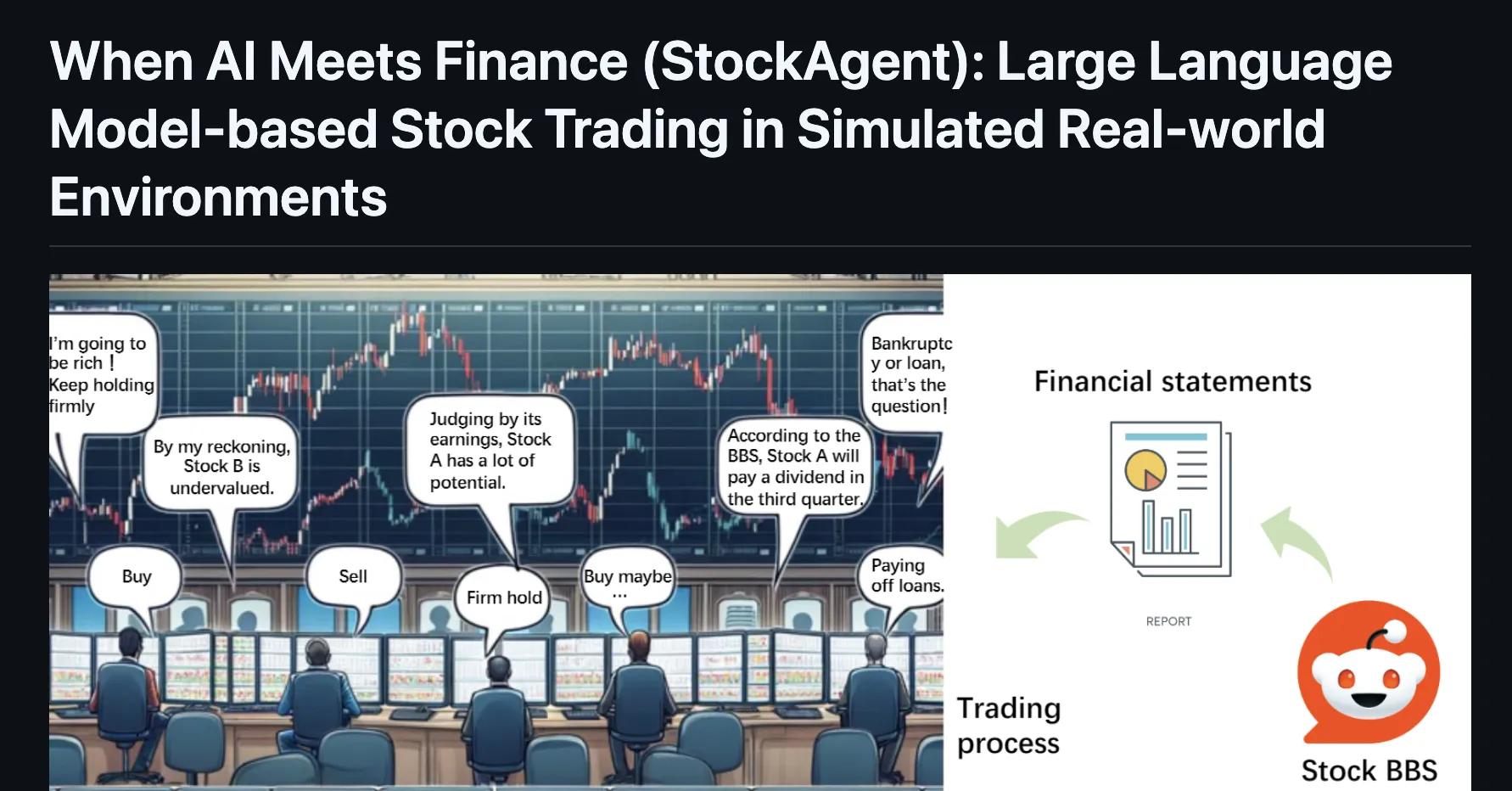
The global artificial intelligence landscape is currently undergoing a fundamental paradigm shift as developers move away from simple generative models toward sophisticated agentic systems. While the previous two years were defined by the emergence of Large Language Models (LLMs) capable of producing text and images, the current focus has pivoted toward "AI Agents"—systems designed to reason through multi-step problems, utilize external tools, and execute complex tasks with minimal human intervention. This evolution represents the transition from AI as a conversational interface to AI as an autonomous worker capable of bridging the gap between digital reasoning and physical or systemic execution.
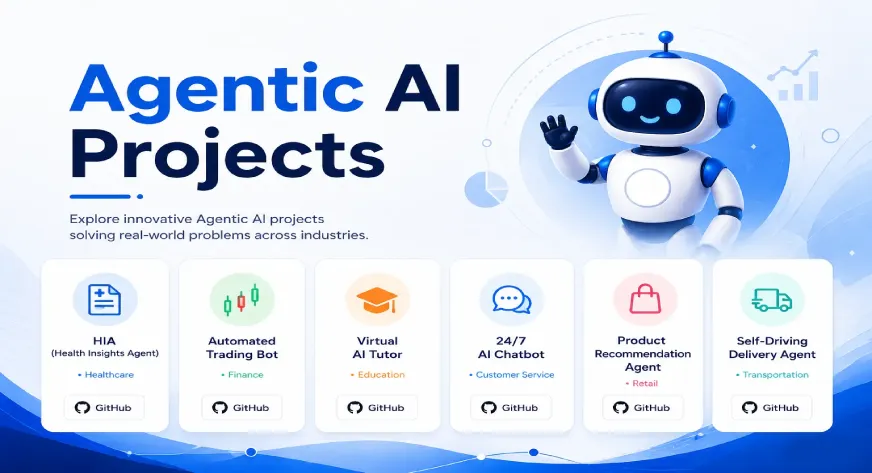
The rise of agentic AI is driven by the realization that while LLMs are powerful, they often struggle with long-term planning and factual grounding when operating in isolation. By wrapping these models in "agentic workflows," developers are creating systems that can self-correct, browse the web, interact with APIs, and manage long-term memory. Industry analysts suggest that this shift could unlock trillions of dollars in economic value by automating specialized workflows in finance, healthcare, and industrial infrastructure.
The Chronology of Autonomous AI Development
The journey toward agentic AI has been rapid. In 2022, the primary focus was on "Prompt Engineering," where users learned to craft specific inputs to get better outputs from static models. By early 2023, the introduction of experimental projects like AutoGPT and BabyAGI demonstrated that LLMs could be programmed to call themselves in a loop to achieve a goal. However, these early attempts often suffered from "infinite loops" and high costs.
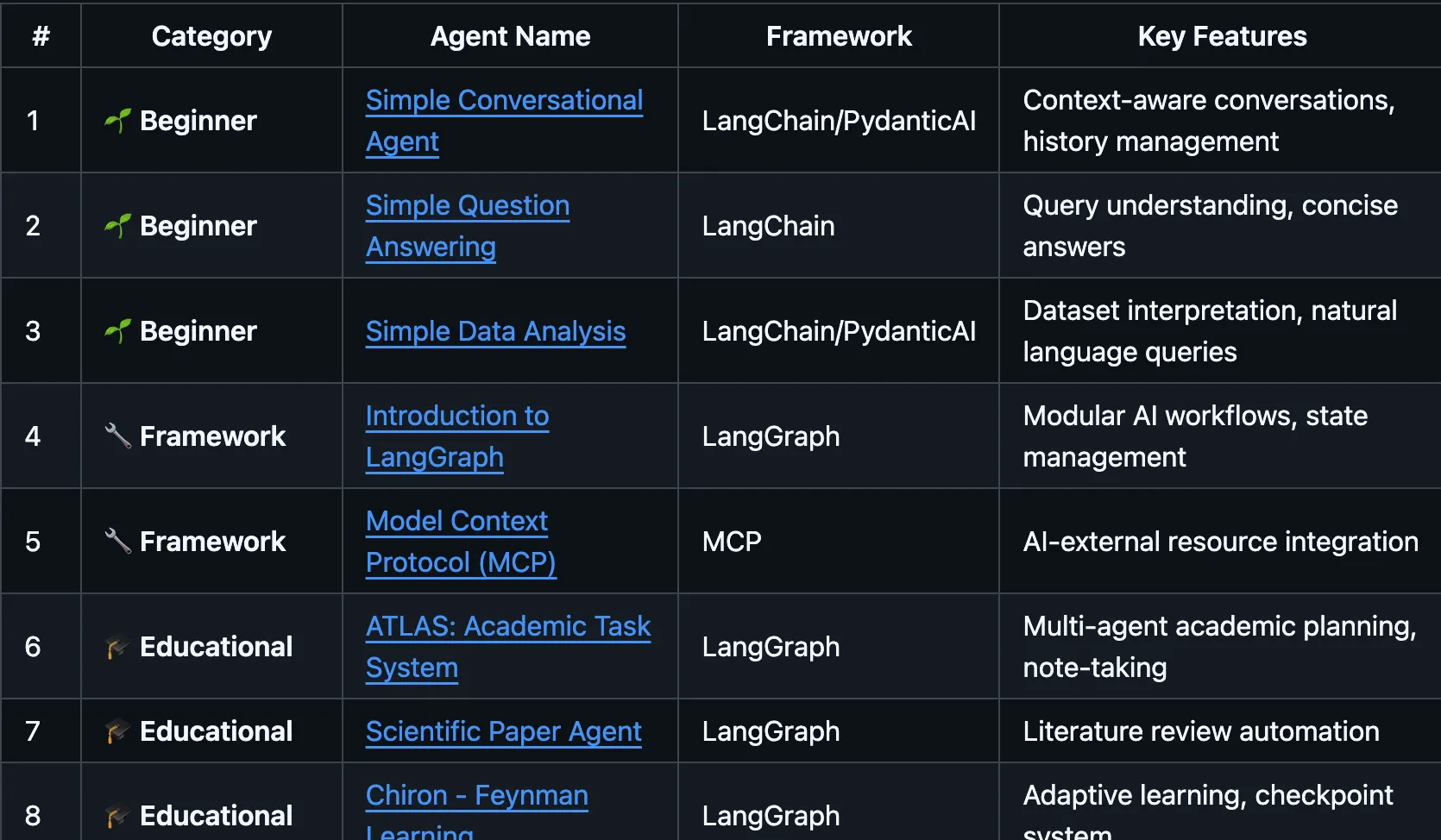
By 2024, the field matured with the introduction of framework-based agency. Developers began using specialized libraries such as LangGraph, CrewAI, and Microsoft’s AutoGen to create multi-agent systems where different AI "personnel" collaborate on a single project. This trajectory has led to the current state of "Solved Agentic Projects," where specific, open-source repositories provide the blueprint for reliable, functional autonomous systems across diverse sectors.
Transforming Financial Markets and Commerce
In the high-stakes world of finance and e-commerce, the implementation of agentic AI is moving beyond simple data visualization toward executive decision-making.
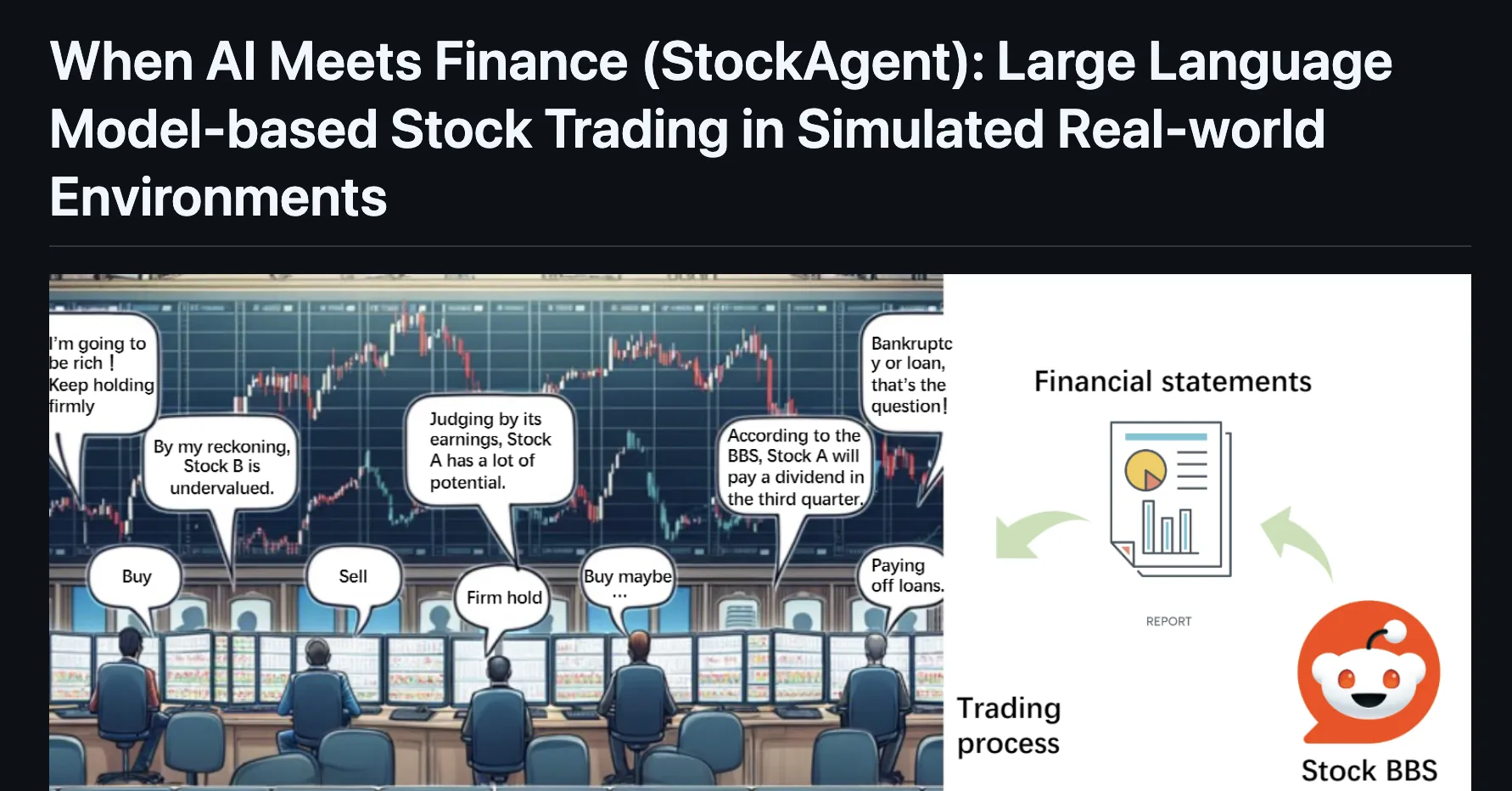
One of the most advanced applications in this sector is the Automated Trading Bot, exemplified by the StockAgent project. Unlike traditional algorithmic trading, which follows rigid "if-then" logic, an agentic trading bot utilizes real-time sentiment analysis and a self-correcting logic loop. It doesn’t merely present data to a human trader; it makes autonomous decisions to buy or sell based on its interpretation of market volatility and news cycles.
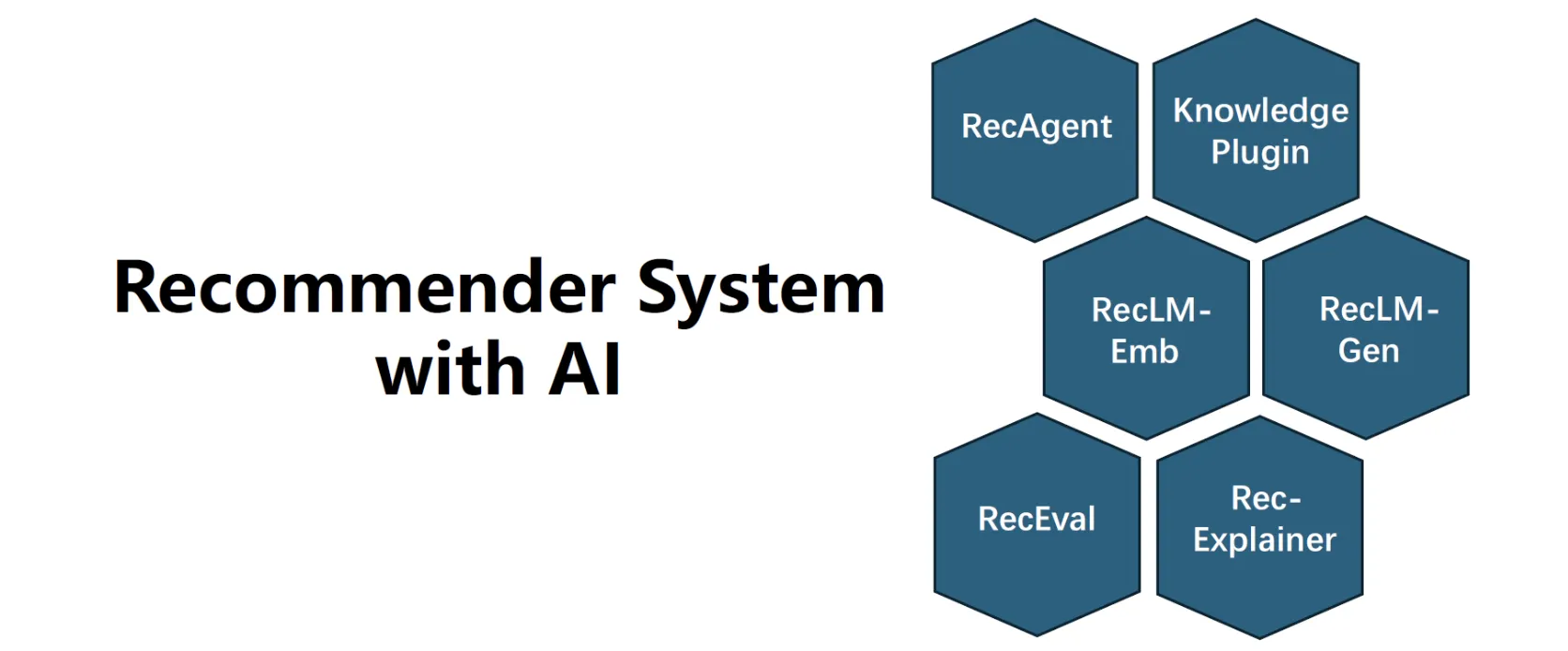
The e-commerce sector is seeing similar advancements through projects like RecAI and ShoppingGPT. These are not standard recommendation engines that suggest items based on past purchases. Instead, they function as "Active Learning" agents. If a user’s intent shifts—for instance, from buying office supplies to planning a wedding—the agent detects this pivot and proactively explores new categories. Furthermore, the E-commerce Personal Shopper Agent acts as a conversational negotiator, scouring multiple vendors to compare prices and reasoning through thousands of customer reviews to find the best value for a specific user’s constraints.

In the professional services realm, the Jobber project illustrates how recruitment is being revolutionized. This agent proactively scans new job postings and candidate profiles, ranking matches and generating "rationales" for recruiters. By explaining why a candidate fits a role, the agent provides a layer of transparency often missing from traditional automated screening tools.
Revolutionizing Healthcare and Specialized Services
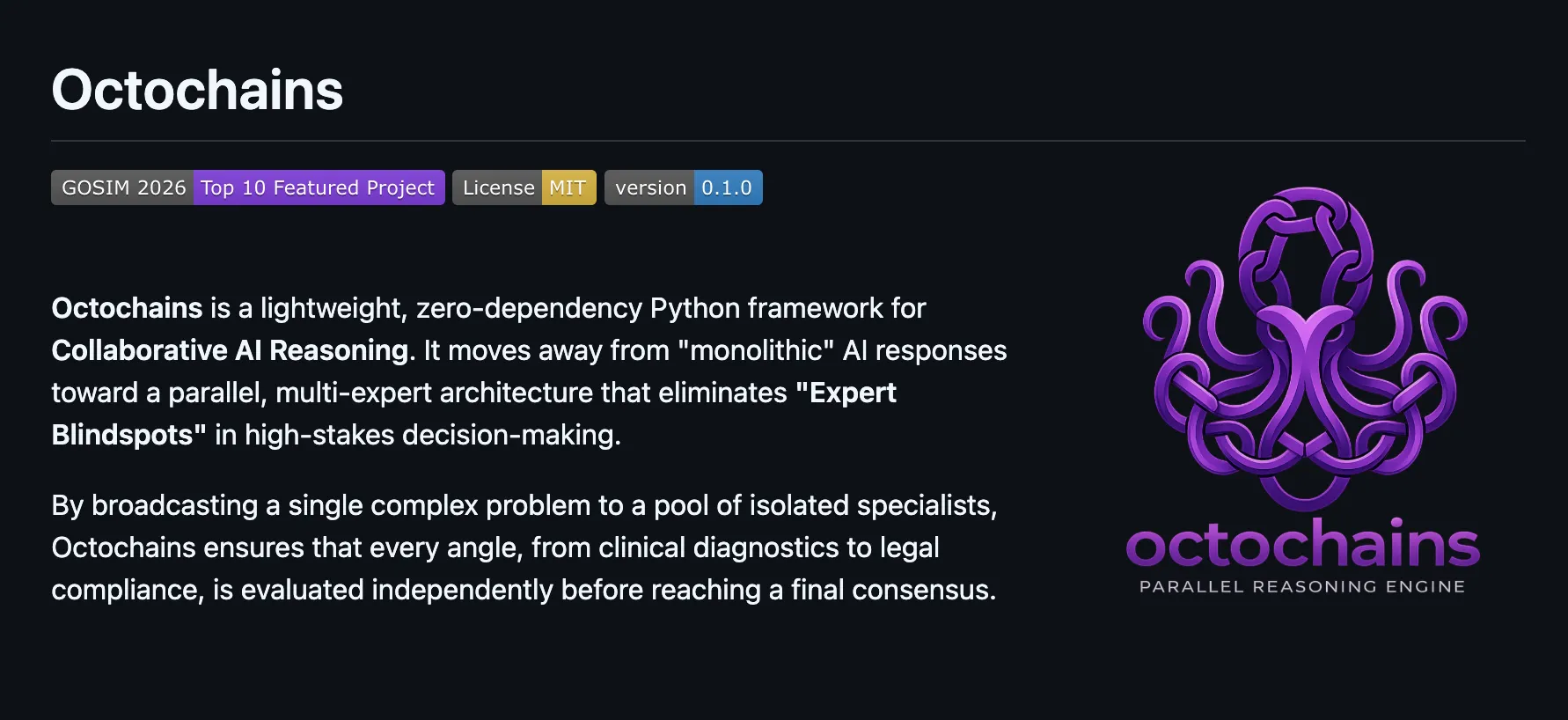
Healthcare remains one of the most critical frontiers for agentic AI. The development of projects like AI Agents for Medical Diagnostics marks a shift from passive information retrieval to active patient monitoring. These systems function as diagnostic loops; they do not wait for a user to ask a question but instead continuously monitor incoming vitals and autonomously trigger alerts when data crosses specific medical thresholds. By utilizing frameworks like Octochains, these agents can synthesize complex patient histories with real-time telemetry to assist clinicians in early disease detection.
In the legal sector, the LegalAI project demonstrates how agents can manage the overwhelming volume of regulatory documentation. Specifically trained on EU AI regulations, this assistant acts as a legal researcher, identifying inconsistencies across thousands of pages of documentation and flagging "risky" language. This level of autonomous document review significantly reduces the "man-hours" required for compliance checks in multinational corporations.
Enhancing Education and Lifestyle Management
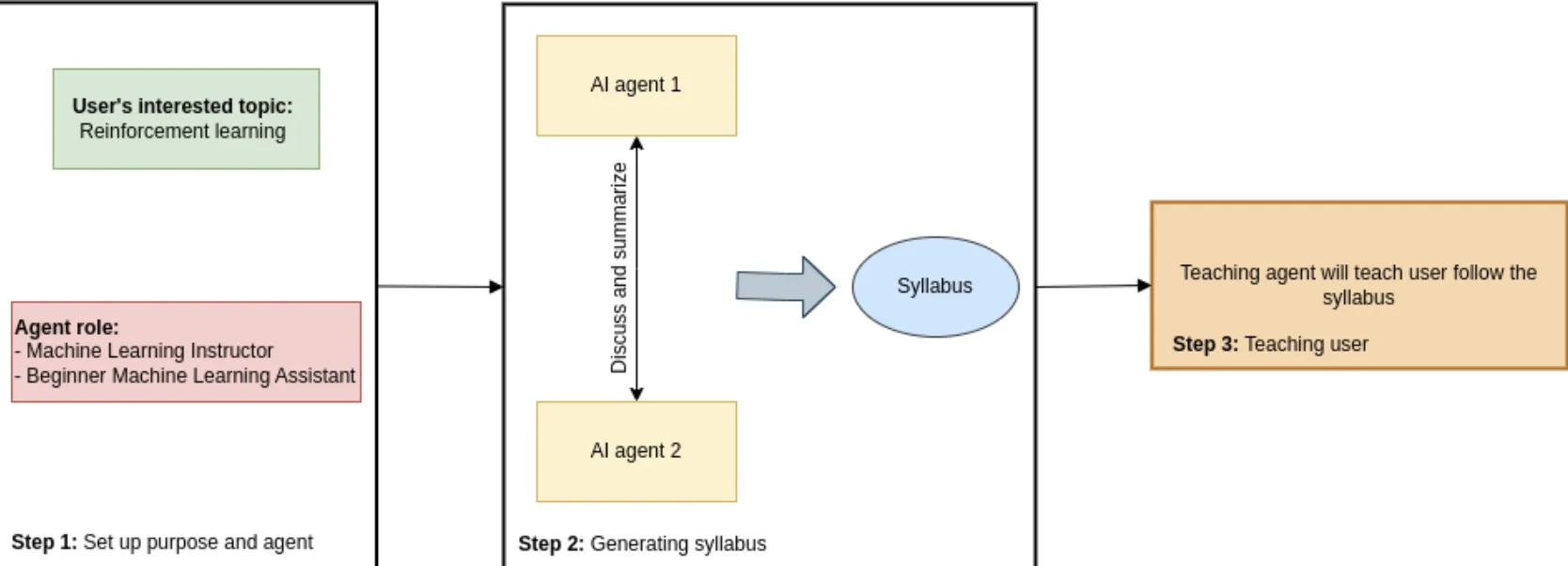
The personalization of the human experience is another major objective for agentic developers. The Virtual AI Tutor (EduGPT) is designed to move beyond the "one-size-fits-all" approach of online courses. This agent acts as a guide that identifies a student’s specific knowledge gaps through conversation and autonomously generates a custom curriculum to bridge those gaps.

Travel and gaming are also seeing the benefits of agency. The AI Travel Agent project functions as a logistical planner, cross-referencing flight data, hotel availability, and local weather patterns to build a cohesive, viable schedule. In gaming, the LLM-agent-game project provides a "second-brain" for players, analyzing the game state via API or computer vision to recommend strategic moves in real-time. This represents a significant step forward in human-AI collaboration within virtual environments.
Strengthening Cybersecurity and Industrial Infrastructure
As cyber threats become more sophisticated, the defense mechanisms must follow suit. The Decepticon project (Vibe Hacking Agent) utilizes a multi-agent system to perform automated "red-team" security testing. In this setup, one agent scouts for vulnerabilities, another attempts to exploit them, and a third generates a comprehensive report. This coordinated "team" approach allows organizations to simulate complex cyberattacks and patch weaknesses before they are exploited by malicious actors.
In the physical world, agentic AI is being integrated into "Industry 4.0" through robotics and infrastructure monitoring. The driVLMe project focuses on self-driving delivery agents that must navigate complex, simulated, or real-world environments by processing visual data and planning movement paths autonomously.
Meanwhile, factory and farm management are becoming increasingly data-driven. The LLM4IAS project connects AI agents directly to IoT sensors on production lines to observe mechanical "health." These agents can autonomously trigger maintenance requests before a machine fails, preventing costly downtime. Similarly, in agriculture, the LLM_Agri_Bot (Krissi) synthesizes satellite imagery and soil sensor data to recommend precise irrigation and fertilization schedules, directly addressing global food security challenges.
Finally, the MIRAI project addresses energy grid efficiency. By forecasting energy usage based on weather patterns and historical data, this agent provides autonomous grid management, optimizing the distribution of electricity and reducing waste.
Supporting Data and Market Implications
The push toward these 16 projects is supported by significant market data. According to recent reports from Gartner and McKinsey, the "Agentic AI" market is expected to grow at a compound annual growth rate (CAGR) of over 30% through 2030. Furthermore, GitHub has seen a 400% increase in repositories tagged with "AI Agent" or "Autonomous Agent" over the last 12 months.

Industry experts, including Andrew Ng of DeepLearning.AI, have noted that agentic workflows—where a model is allowed to iterate on a task—often produce better results than simply using a larger, more expensive model for a single-turn response. This finding has democratized AI development, allowing smaller firms to build highly capable systems using open-source models like Llama 3 or Mistral.
Broader Impact and Ethical Considerations
The transition to agentic AI is not without its challenges. As these systems gain the ability to "act"—whether that means spending money in a trading account, diagnosing a patient, or navigating a delivery drone—the stakes for safety and alignment are raised. The industry is currently responding with "Guardrail" technologies designed to limit an agent’s actions within predefined ethical and operational boundaries.
However, the professional implications are clear: the AI career of the future will not be about writing prompts, but about architecting systems. Professionals who can build and manage these 16 types of projects will be at the forefront of the next technological era.
The move toward agentic AI represents the "marathon" phase of artificial intelligence development. By moving beyond generative chat and into the realm of reasoning, planning, and execution, these projects are laying the groundwork for a world where AI is not just a digital assistant, but a reliable, autonomous partner in solving the world’s most complex problems. Whether it is optimizing a power grid or personalizing a child’s education, the blueprint for the future is being written in open-source repositories today.