
 rifanmuazin
The distinct timing of Mother’s Day celebrations across the globe presents a unique strategic advantage for email marketers. While the United Kingdom observes the occasion in mid-March, the United States and much of Western Europe typically commemorate it in May. This two-month differential offers a valuable window for marketing teams in May-celebrating regions to analyze, adapt, and refine their strategies based on the performance and challenges observed during the earlier UK campaigns. In an era marked by shifting inbox dynamics, the increasing influence of Artificial Intelligence (AI), and persistent economic pressures, understanding what resonated and what faltered in the UK provides critical foresight. This analysis delves into key tactics that every "Mother’s Day in May" sender should meticulously consider, drawing lessons from early-year campaigns and projecting their broader implications for digital marketing efficacy.
The Evolving Landscape of Email Marketing for Special Events

The strategic pause between the UK’s Mother’s Day and its later counterparts offers more than just a glimpse into successful promotions; it provides a real-time testbed for emerging trends and challenges. Email marketing is no longer a simple broadcast medium; it’s a nuanced interplay of content relevance, personalization, deliverability, and user experience. The rise of AI in email clients, which can now generate summaries or prioritize messages, fundamentally alters how recipients interact with their inboxes. Concurrently, economic uncertainties compel consumers to be more discerning with their spending, demanding greater value and relevance from promotional communications. For marketers, this means every campaign, particularly those for emotionally charged occasions like Mother’s Day, must be meticulously crafted to cut through the noise and deliver genuine engagement.
1. Re-evaluating Opt-Out Sensitivity: Beyond the Pandemic Paradigm
The COVID-19 pandemic ushered in a wave of "sensitive event" opt-out emails, allowing subscribers to avoid communications related to potentially distressing holidays like Mother’s Day or Valentine’s Day. While initially a compassionate and necessary measure, this practice has evolved. What began as a thoughtful gesture risks becoming a routine, potentially reminding recipients of the very sensitivities they wish to avoid. Industry analysis suggests that while empathy remains crucial, the method of offering this choice needs refinement.

Instead of reactive, standalone opt-out emails for each event, the current best practice advocates for integrating such preferences into a comprehensive, evergreen preference center. Brands like Hotel Chocolat have successfully adopted this approach, allowing subscribers to make a one-time selection to exclude specific seasonal content. This empowers the user with control on their terms, rather than subjecting them to repeated "do you want to hear from us?" messages that can inadvertently highlight painful associations. A recent study by a leading email service provider indicated that brands offering granular control via a preference center experienced a 15% reduction in spam complaints and a 10% increase in long-term engagement compared to those relying on event-specific opt-outs. The implication is clear: user autonomy, facilitated by a robust preference center, fosters trust and sustained engagement, rather than alienating segments of the audience.
2. Empowering Subscribers with Granular Control to Combat Inbox Fatigue
The principle of subscriber control extends far beyond sensitive event opt-outs. "Too many emails" consistently ranks as the leading cause for unsubscribes and spam complaints across various consumer surveys. In an increasingly crowded digital space, consumers demand the ability to dictate the volume and type of communications they receive. Brands that proactively address this concern see tangible benefits in deliverability and customer loyalty.
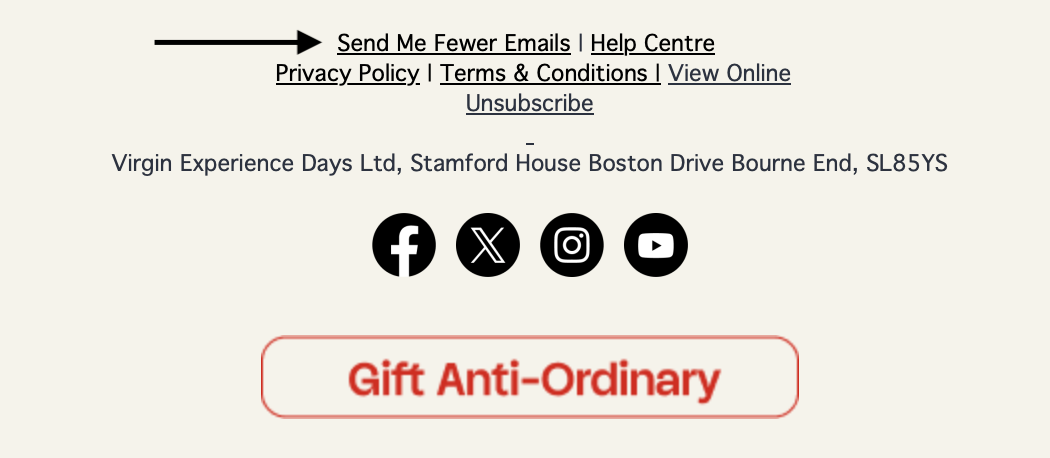
Virgin Experience Days exemplifies this by offering a prominent "send me fewer emails" option, allowing subscribers to reduce frequency with a single click. This simple yet powerful feature acknowledges consumer pain points and provides an immediate solution, mitigating the impulse to unsubscribe entirely. Furthermore, a growing trend in 2024-2026 involves dedicated email campaigns promoting a brand’s preference center. By running standalone campaigns to raise awareness of subscriber controls – allowing choices not just on frequency but also on content categories (e.g., sales, new arrivals, newsletters) – brands report a significant boost in engagement rates and a reduction in churn. Such proactive communication demonstrates a commitment to customer experience, transforming a potential point of friction into an opportunity for deeper, more relevant interaction. Data from a 2025 email marketing report highlighted that brands with well-promoted preference centers observed a 20-25% higher open rate and a 30% lower unsubscribe rate among active subscribers.
3. Investing in Striking Imagery to Capture Attention in a Visual-First World
Despite advancements in AI-generated email summaries that aim to provide quick content overviews, the power of visual appeal remains undiminished. In fact, high-quality imagery is more critical than ever. Many subscribers utilize preview panes to quickly scan email content, and platforms like Gmail’s Annotations now directly display email images in the Promotions tab. This means a compelling visual can be the decisive factor in whether an email is opened, ignored, or even featured more prominently.

Visually rich campaigns serve multiple purposes: they grab attention, convey brand identity, and communicate offers almost instantaneously. Examples like Belvedere’s elegant gift bag with roses and vodka, or Cartier’s clever recreation of its butterfly logo using jewelry, demonstrate how striking visuals can stop a user mid-scroll. These images are not just decorative; they are integral to the message, pre-selling the product and reinforcing brand luxury and thoughtfulness. For Mother’s Day, imagery depicting warmth, elegance, and heartfelt connection can significantly enhance campaign effectiveness. A 2024 marketing study indicated that emails featuring high-quality, relevant images generated 42% higher click-through rates compared to text-only emails. The implication for Mother’s Day is that visual storytelling should be prioritized to create an immediate emotional connection and stand out in crowded inboxes.
4. Strategically Encouraging Scrolling for Deeper Engagement
Research consistently indicates that a significant portion of email recipients — often fewer than half — venture below the fold. This digital behavior, exacerbated by inbox overload, means valuable content, offers, and calls-to-action placed lower in an email often go unseen. Marketers are now actively employing tactics to encourage scrolling, ensuring their entire message gets absorbed.

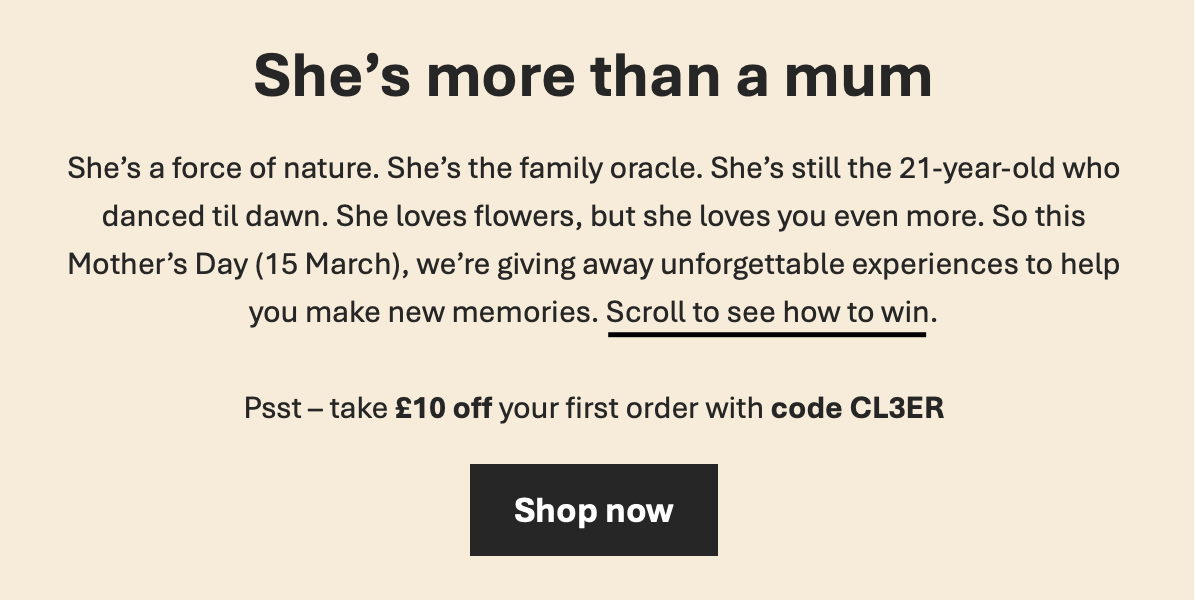
Brands are moving beyond simply placing all critical information at the top. They are incorporating explicit textual prompts ("Scroll to discover more," "Keep scrolling for a special offer"), using subtle visual cues like arrows, or even micro-animations that imply more content lies below. Bloom & Wild, for instance, elevates this strategy by incentivizing the behavior directly: "Scroll to see how to win." This gamified approach provides a clear benefit for continued engagement, making the act of scrolling an active pursuit rather than a passive exploration. The strategic placement of teasers and calls to action that require further interaction can significantly increase the exposure of an email’s full content, thereby boosting overall campaign effectiveness. By actively guiding the user’s journey through the email, marketers can ensure that their meticulously crafted messages yield maximum impact.
5. Sparking Inspiration: Guiding Gifting Decisions for Stress-Free Celebrations
The pressure to choose the "perfect" gift for Mother’s Day can be genuinely stressful for many consumers. Recognizing this, marketers have an opportunity to position themselves as helpful guides rather than just product pushers. "Inspiration emails" that offer thoughtful guidance and curated suggestions can significantly alleviate buyer anxiety and drive conversions.

Interflora masterfully executes this strategy with campaigns like "Don’t worry, we’re here to help. Here are a few top tips for a beautiful and stress-free Mother’s Day." Their emails often include a short gift-finder quiz, suggestions for heartfelt card messages, reminders about international delivery options, and prompts to celebrate all types of mothers (e.g., "your mom and the mom of your little ones"). This comprehensive approach addresses various customer needs and pain points. Similarly, Charlotte Tilbury encourages subscribers to "Shop Trending Now," highlighting their most-viewed products. This leverages social proof and simplifies decision-making for customers seeking popular or proven gifts. By providing value beyond just product listings, these brands build trust and position themselves as thoughtful partners in the gifting process. Analysis shows that such inspiration-focused content can boost conversion rates by up to 18% compared to purely promotional emails.
6. Integrating Text/SMS to Overcome Inbox De-Prioritization and Enhance Reach
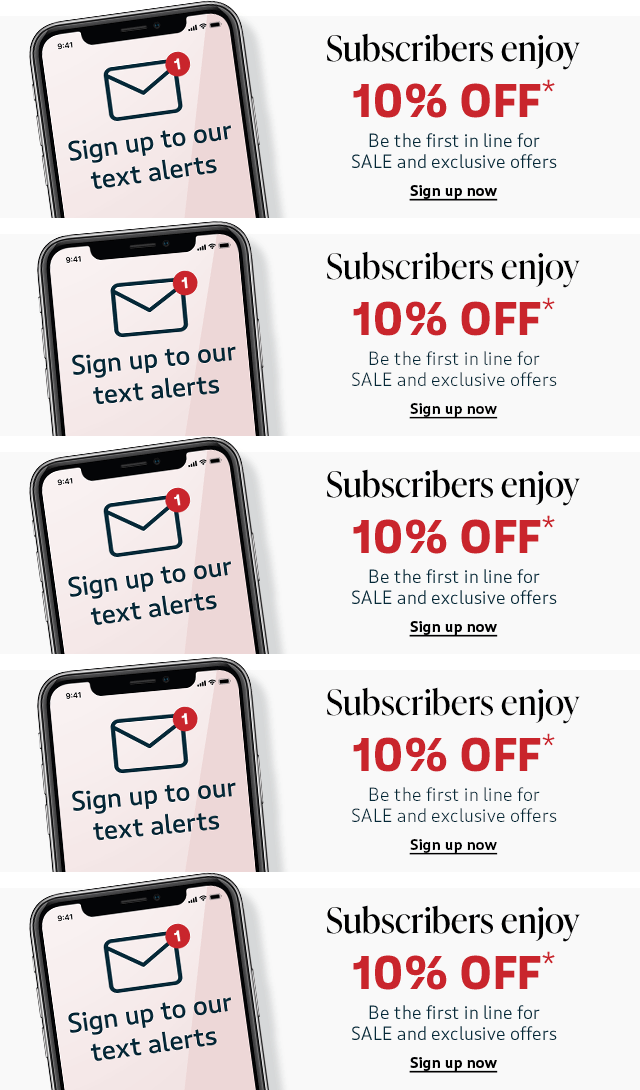
Effective marketing programs are inherently multi-channel, with email forming the core but supported by mobile, social, and in-app communications. While email excels for rich content and detailed offers, SMS/text messaging plays a crucial role, particularly for time-sensitive alerts and post-purchase communications like receipts and delivery updates, which many consumers prefer to receive on their mobile devices. Cotton Traders provides a compelling example of how to solicit SMS opt-ins, often using clever micro-animations to encourage sign-ups.
Beyond transactional messages, SMS has emerged as a vital tool to counteract the challenges posed by relevance-sorted inboxes, such as Gmail’s Promotions tab. As highlighted in analyses of Valentine’s Day and April Fools’ campaigns, date-sensitive emails can easily get buried beneath messages deemed "more relevant" by AI algorithms. A timely SMS — for example, "Don’t miss our Mother’s Day promotion—check your inbox today!" — can serve as a powerful nudge, driving subscribers directly to the email. This multi-channel approach ensures that even if an email isn’t immediately seen, the message still reaches the recipient. As a supplementary tactic, leveraging Gmail Annotations (specifying discounts, expiration dates, and product previews) can help emails earn a coveted "Featured Deal" card at the top of the Promotions tab, significantly boosting visibility. The combined strategy of email, SMS, and annotations forms a robust framework for maximizing reach and engagement.
7. Incentivizing Early Purchases: A Win-Win for Brands and Customers
For high-stakes, date-specific events like Mother’s Day, encouraging early purchases offers mutual benefits. It significantly reduces pressure on a brand’s website infrastructure, customer service teams, and fulfillment operations during peak periods. Simultaneously, it provides a genuine advantage to customers, allowing them to avoid last-minute stress and potentially benefit from better delivery options or prices.

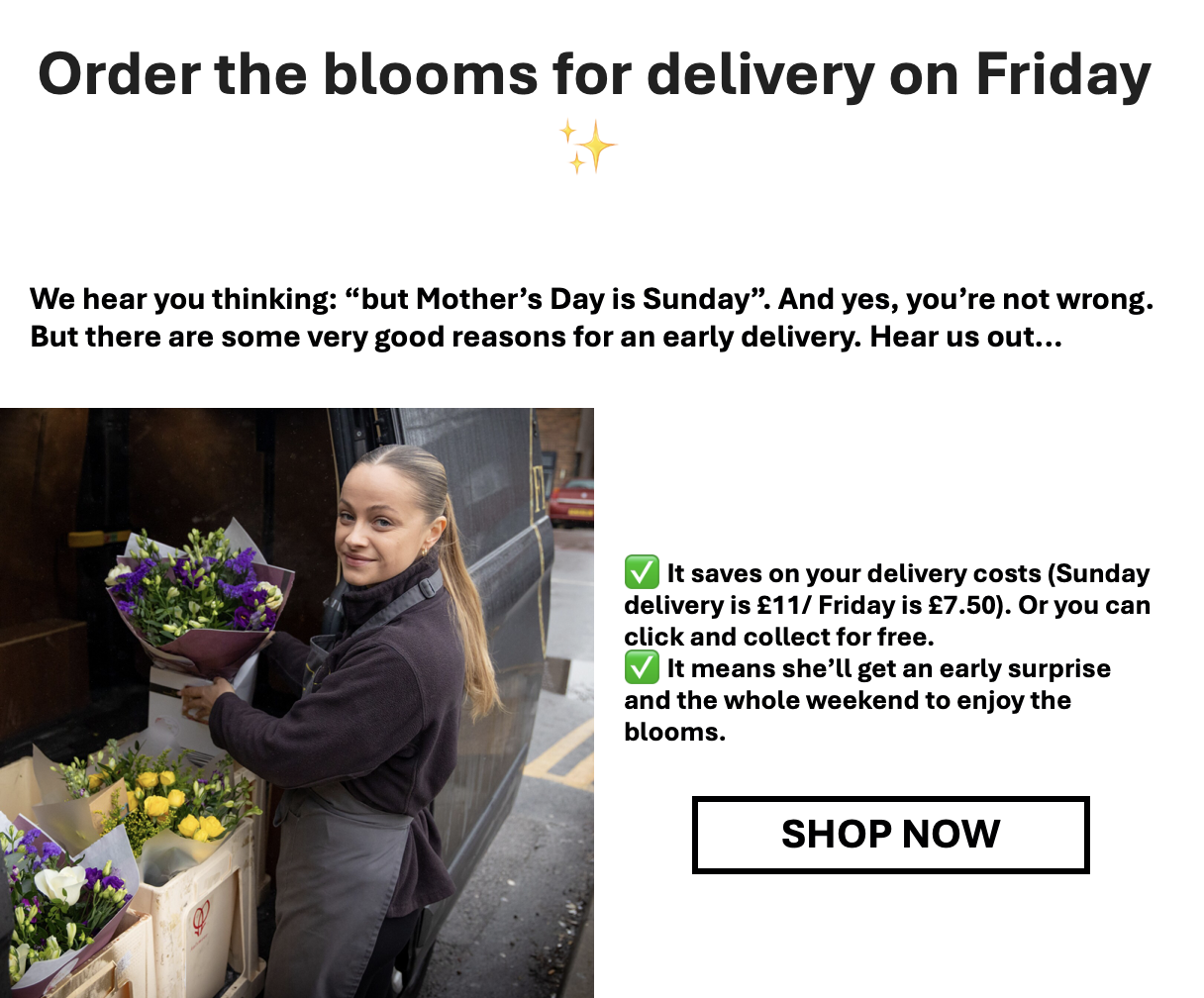
Interflora effectively implements this by offering incentives such as "order early for cheaper delivery." The additional benefit to the customer is that "mom gets to enjoy her flowers for the full weekend," transforming a logistical consideration into a thoughtful gesture. This framing positions early purchasing not as a favor to the brand, but as a considerate act for the gift recipient. Brands that successfully pull forward demand can smooth out operational peaks, improve customer satisfaction, and potentially capture sales from early planners who might otherwise be lost to competitors. This strategy also provides valuable early data on popular products, allowing for dynamic adjustments to later campaign phases. Market research indicates that early bird offers can drive up to 25% of holiday sales for certain categories, alleviating pressure on the final rush.
8. Implementing "Remember the Date!" Reminders for the Forgetful Consumer
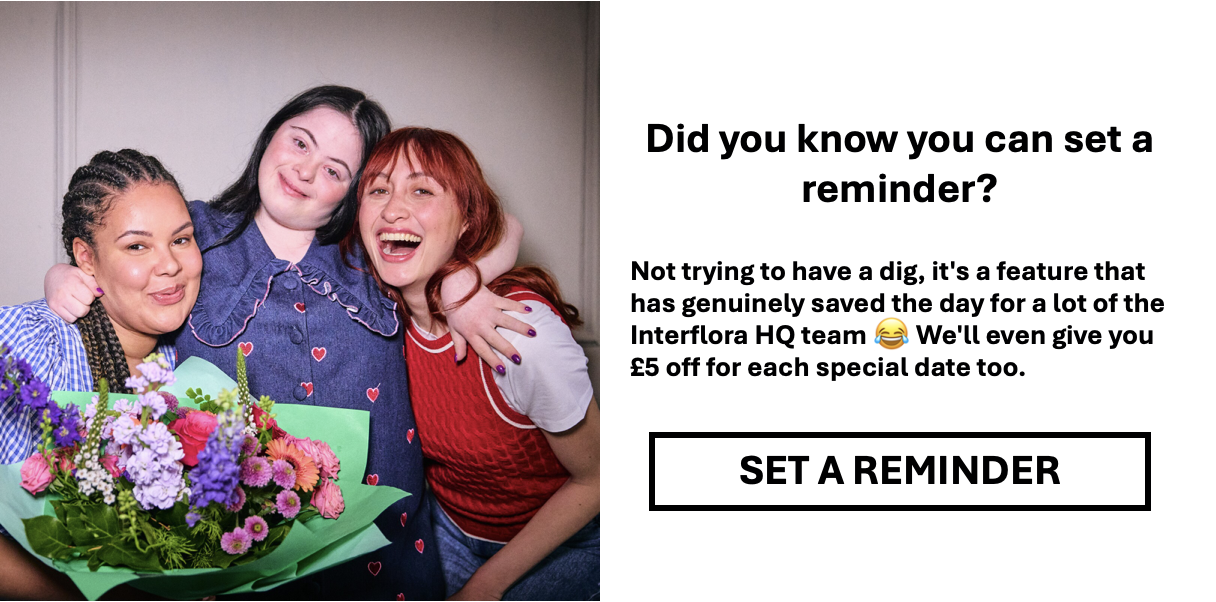
Despite best intentions, many consumers inevitably forget important dates, leading to last-minute scrambles or, worse, missed opportunities. Savvy marketers understand this human tendency and offer solutions that proactively address it. Interflora, once again, demonstrates a leading approach with its reminder service.

This feature allows forgetful individuals to set advance notifications for a range of special events directly within their account. Users can customize how far in advance they wish to be nudged and are often rewarded with a discount for each order placed through the reminder service. This not only solves a common customer problem but also fosters loyalty and encourages repeat business. By integrating a "set a reminder" call-to-action into their Mother’s Day campaigns, brands can convert potential missed sales into guaranteed purchases, while also gathering valuable data on customer preferences for future personalization efforts. Such proactive customer service transforms a potential negative experience into a positive, value-added interaction.
9. Dynamically Replacing Expired Offers to Maintain Relevance
Once Mother’s Day has passed, promotional emails related to the event quickly become irrelevant. Sending or allowing expired offers to linger in inboxes can lead to increased delete rates, higher spam complaints, and a damaged sender reputation. Smart marketers employ dynamic content to seamlessly swap out expired promotions for fresh, relevant offers.
Look Fabulous Forever demonstrated the right instinct by aiming to replace their Mother’s Day content. While their implementation could have been further optimized – perhaps by redirecting immediately to an upcoming holiday like Easter – the core strategy is sound. The ability to dynamically update email content based on date or user segments ensures that communications always remain timely and valuable. This minimizes negative user experiences and prevents the perception of a brand being out of touch. Investing in content management systems that support dynamic content ensures that email campaigns remain agile and responsive to the evolving calendar and consumer interests, thereby protecting sender reputation and maximizing the lifetime value of email assets.
10. Avoiding "Gaming the System" for Primary Tab Placement
A persistent misconception among some email marketers is the belief that landing in the "Primary tab" of inboxes (particularly Gmail) guarantees greater visibility and engagement. This has led to tactics, like The White Company’s example, where customers are actively encouraged to recategorize promotional emails as "Primary." However, industry consensus and direct statements from major email providers like Gmail, Microsoft, and Yahoo strongly caution against such attempts to "game the system."
These providers have explicitly stated that senders who attempt to manipulate inbox categorization will face penalties, including reduced deliverability. The rationale is simple: subscribers expect to find marketing emails in their Promotions tab and often engage with them there. Trying to force promotional content into the Primary tab, which is typically reserved for personal and transactional communications, can disrupt the user’s intended inbox flow and lead to frustration, increasing the likelihood of spam complaints. A better approach is to focus on creating genuinely engaging and relevant content that subscribers want to open, regardless of which tab it lands in, and to leverage tools like Gmail Annotations to enhance visibility within the Promotions tab itself. Authenticity and adherence to platform guidelines are paramount for long-term deliverability and sender reputation.
11. The Bonus for US Senders: Respecting Geographical and Chronological Differences
The very premise of this analysis underscores a critical geographical nuance: Mother’s Day in the UK occurs two months prior to its celebration in the US and many other parts of the world. A common, yet damaging, error for non-UK senders with UK customers is to dispatch Mother’s Day promotions in May.
This seemingly minor oversight can have significant repercussions, including elevated complaint rates and severe damage to sender reputation among UK subscribers who have already celebrated the occasion. Such a misstep demonstrates a lack of audience segmentation and geographical awareness, which can quickly erode trust. Marketers must meticulously segment their email lists by region and tailor campaigns to align with local calendars. This basic yet crucial practice ensures relevance, avoids alienating international segments, and upholds the integrity of the brand’s communication strategy. Geo-segmentation is not merely a best practice; it is a fundamental requirement for global email marketing success.
Learning from History: Fine-Tuning for Future Success
The adage often attributed to Winston Churchill, "Those who fail to learn from history are destined to repeat it," holds particular resonance for email marketers. The UK’s earlier Mother’s Day provides a unique, real-world case study for global senders. It’s a rare opportunity to gather actionable insights, test hypotheses, and fine-tune email programs before the larger May event. By diligently analyzing the performance of UK campaigns – identifying successful tactics, recognizing areas for improvement, and understanding shifts in subscriber behavior – marketers can significantly enhance the effectiveness of their upcoming Mother’s Day promotions. This iterative learning process, grounded in data and adaptation, is essential for navigating the complexities of modern digital marketing and ensuring campaigns resonate meaningfully with their target audiences. Continuous learning and adaptation, as highlighted in reports like the Litmus State of Email, are not just beneficial but imperative for elevating any email program to the next level of performance and engagement.









