rifanmuazin
In the dynamic landscape of digital marketing, the pursuit of higher conversion rates is a constant endeavor. While grand redesigns and extensive voice-and-tone overhauls often dominate discussions, a seasoned perspective reveals that the most impactful gains frequently stem from remarkably subtle yet profoundly human-centric adjustments to marketing copy. After over fifteen years immersed in the craft of persuasive writing, the evidence is clear: the difference between a stagnant conversion rate and a flourishing one often lies in a few meticulously chosen words. These are not the result of guesswork, but rather data-backed insights demonstrating that effective copy can wield twice the influence on conversion rates compared to design elements, underscoring the critical importance of precise language.
The advent of Artificial Intelligence, particularly Large Language Models (LLMs), has brought a new dimension to this discussion. While AI can generate vast amounts of text, it fundamentally lacks the nuanced human judgment required to discern which sentences resonate, which to discard, and precisely where a reader might encounter friction or hesitation. Conversions are not merely a byproduct of text’s existence; they are forged in the critical moment when the right sentence connects with the right reader, delivering clarity, instilling confidence, and eliciting that essential "aha!" moment of understanding and agreement.
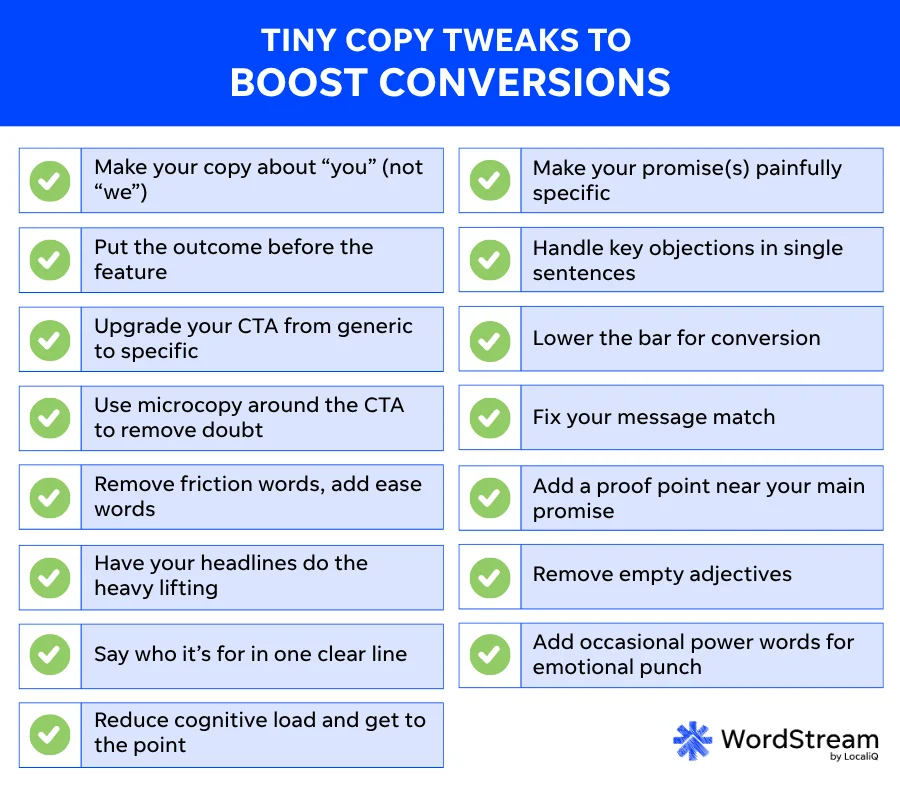
The following 15 micro-tweaks represent a distilled set of strategies that have consistently proven their efficacy across a multitude of platforms—from landing pages and advertisements to emails, product descriptions, articles, reports, and even the often-overlooked forms and confirmation screens. These are not rigid commandments, but rather a practical toolkit, honed through pattern recognition across thousands of real-world examples and extensive data analysis. They represent the "last mile" of copywriting, transforming sterile text into authentic, human-sounding communication that fosters trust and inspires action.

The Anatomy of High-Converting Copy: 15 Essential Micro-Adjustments
The following techniques are designed for broad applicability, serving as a robust checklist for optimizing any piece of written content. While not every item will be relevant for every single piece of copy, their collective application can significantly elevate performance.
1. Shifting Focus: From "We" to "You"
A common pitfall in marketing copy is the tendency for businesses to speak about themselves, using "we" as the primary subject. This necessitates a cognitive translation on the reader’s part, requiring them to bridge the gap between the company’s perspective and their own needs and circumstances. This added mental effort can lead to a loss of attention and momentum. Conversely, copy that centers on the reader, using "you," removes this friction. Research, including studies highlighted by Adweek, suggests that "you"-first copy can foster a sense of personal responsibility in the reader regarding the problem being addressed, thereby increasing the likelihood of engagement and action.
- The Tiny Tweak: Reframe company-centric hero sections, introductions, and bullet points to directly address the reader.
- Example:
- Avoid: "We help startups optimize their onboarding."
- Embrace: "You get smoother onboarding, turning trial users into customers."
- Why It Works: Relevance is the initial filter for conversion. When readers immediately see themselves reflected in the copy, their engagement deepens, encouraging them to continue reading.
2. Prioritizing Outcomes Over Features
Features, in isolation, rarely drive conversions. It is the tangible outcomes and benefits that resonate with potential customers. When the value proposition is obscured by technical explanations or feature lists, readers can lose interest before grasping the core reason why the offering is relevant to them.
- The Tiny Tweak: Lead with the result the reader will achieve, followed by the feature that enables it.
- Example:
- Avoid: "Our platform has automated reporting."
- Embrace: "See what’s working, in seconds, through automated reporting."
- Why It Works: Readers scan for value first. Clearly articulated outcomes provide an immediate incentive to invest further time in understanding the "how."
3. Elevating Calls to Action (CTAs) from Generic to Specific
In the fast-paced digital environment, readers often skim extensively, including the calls to action. If a reader were to absorb only the headline and the CTAs, they should still be able to glean a clear understanding of the subsequent action and its outcome.
- The Tiny Tweak: Replace vague CTAs with a clear action coupled with its specific outcome.
- Example:
- Avoid: "Learn more"
- Embrace: "Get the free landing page checklist"
- Why It Works: Specific CTAs function as micro-promises. The act of clicking feels more secure and predictable when the intended outcome is explicitly stated.
4. Leveraging Microcopy to Dissipate Doubt Near CTAs
Hesitation often peaks precisely at the moment a user is about to commit to an action, such as clicking a button. Small, strategically placed clarifications in this critical zone can subtly prevent conversion abandonment.
- The Tiny Tweak: Integrate concise copy that addresses potential concerns related to time commitment, risk, effort, the immediate next steps, or data privacy.
- Example: For a "Download Now" button, microcopy could read: "Takes 30 seconds. No credit card required. Your email is safe with us."
- Why It Works: Microcopy proactively answers unspoken questions and alleviates anxiety at the precise moment it matters most to the user.
5. Eliminating Friction Words and Incorporating Ease Words
Certain words carry a heavier linguistic and emotional weight, potentially introducing resistance to decisions that may already be fragile. Research consistently demonstrates that the use of simpler, more familiar language—often referred to as plain language—significantly aids comprehension and task completion.
- The Tiny Tweak: Substitute friction-heavy verbs like "submit," "process," or "complete" with lighter, more approachable alternatives.
- Example:
- Avoid: "Fill out the form"
- Embrace: "Tell us where to send it"
- Why It Works: Even minor reductions in perceived effort can lead to a noticeable improvement in completion rates.
6. Ensuring Headlines Perform Critical Duty
Headlines are far more than mere decorative elements; they are the primary layer of clarity for a page. Ambiguous headlines invariably lead to a perception of vagueness for the entire content piece.
- The Tiny Tweak: Craft headlines that explicitly communicate value or provide proof. Avoid generic or abstract section titles.
- Example:
- Avoid: "Our Solution"
- Embrace: "Get clarity on which campaigns to fix first"
- Why It Works: A significant portion of readers skim headlines exclusively. Strong, benefit-driven headlines allow them to grasp the essence of the page without needing to read through lengthy paragraphs.
7. Clearly Defining the Target Audience
A crucial first impression is made within the initial seconds of a visitor landing on a page. During this brief window, users are primarily assessing the page’s relevance to their specific needs.

- The Tiny Tweak: Include a single, explicit line near the top of the page that clearly states, "This is for…"
- Example: "For small marketing teams who don’t have time to manage ads full-time."
- Why It Works: Explicit audience targeting makes the intended recipients feel recognized and understood, while simultaneously filtering out those for whom the content is not a good fit, thereby improving the quality of engagement.
8. Streamlining for Brevity and Directness
Excessive cognitive load can be a significant deterrent to conversions. Over-explanation, protracted sentences, and introductory pleasantries can all slow down the reader and create opportunities for them to disengage.
- The Tiny Tweak: Eliminate unnecessary warm-up sentences, shorten lengthy phrases, remove nested clauses, and ensure each sentence serves a singular purpose.
- Example:
- Avoid: "In today’s fast-paced digital landscape (iykyk)…"
- Embrace: "Here’s how to fix your landing page without rewriting it."
- Why It Works: Conversions are more likely when the user journey feels effortless. Minimizing mental exertion reduces potential drop-off points.
9. Specifying Promises with Unwavering Clarity
Vague promises often lack credibility and can be perceived as disingenuous. Conversely, specific promises, even if they involve modest figures, tend to build trust and are more readily believed.
- The Tiny Tweak: Replace general claims with concrete outcomes, ideally quantified with numbers or defined ranges.
- Example:
- Avoid: "Improve conversions"
- Embrace: "Increase demo requests by 20-30%."
- Why It Works: Specificity enhances believability and makes the intended benefits easier for the reader to visualize and internalize.
10. Addressing Key Objections Concisely
Every offer implicitly or explicitly triggers potential objections in the mind of the consumer. Ignoring these underlying concerns does not make them disappear; it merely leaves them unaddressed.
- The Tiny Tweak: Integrate a brief, targeted statement that preemptively neutralizes the most common concern associated with the offer.
- Example: For a service requiring an upfront investment, a sentence like, "We offer flexible payment plans to fit your budget," can disarm potential financial objections.
- Why It Works: Acknowledging and addressing objections upfront builds credibility and diminishes silent resistance, paving the way for a more positive reception.
11. Lowering the Barrier to Entry for Conversion
Not all visitors are ready for a high-commitment action, such as booking a sales call. Overly demanding CTAs can alienate early-stage prospects or cautious individuals. Introducing lower-commitment options alongside the primary CTA can capture individuals who might otherwise leave without any engagement.
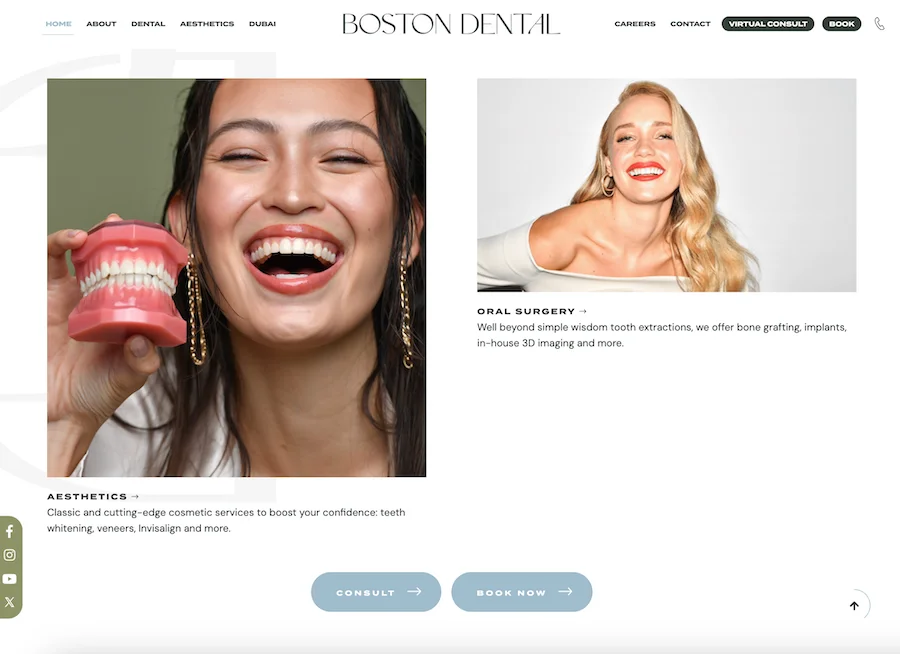
- The Tiny Tweak: Offer multiple CTAs with varying levels of commitment that are mutually supportive and cater to different user maturity stages.
- Example: Alongside a "Request a Demo" button, include options like "Download Our Guide" or "Watch a Quick Overview Video."
- Why It Works: Providing multiple entry points captures a broader spectrum of user intent without forcing premature decisions. This strategy moves beyond losing a significant portion of traffic to actively engaging ready-to-buy prospects, the curious-but-not-sold, and even those who are simply browsing.
12. Harmonizing Message and Context
A disconnect between the promise that initially attracted a visitor to a page and the content presented on that page can create a sense of unease, even if the copy itself is well-written.
- The Tiny Tweak: Ensure the core promise that prompted the click is echoed prominently in the hero section or the opening lines of the page.
- Example:
- Ad: "Free website audit in 24 hours."
- Hero Section: "Get a free audit of your website in 24 hours—so you know exactly what to fix."
- Why It Works: Message match reassures visitors that they have landed in the correct and relevant destination, reinforcing their initial decision to click.
13. Integrating Proof Points Near the Core Promise
Trust is a significant accelerator of conversions, particularly when supported by clear social proof. Extensive research consistently identifies social proof as one of the most influential factors guiding purchasing decisions.
- The Tiny Tweak: Place a concise credibility anchor, such as a testimonial snippet, a trust badge, or a key statistic, in close proximity to the main promise or the primary CTA.
- Example: Underneath a headline promising "Save 30% on Your Energy Bills," a short testimonial could read: " ‘This service paid for itself in the first month!’ – Satisfied Customer."
- Why It Works: Even small indicators of social proof can substantially enhance the perceived reliability and trustworthiness of an offer.
14. Eliminating Superfluous Adjectives
Buzzwords and generic adjectives rarely persuade; instead, they dilute meaning and contribute to a sense of sameness in marketing copy. If an adjective can be removed without altering the core meaning of a sentence, it is likely filler.
- The Tiny Tweak: Remove empty adjectives or replace them with more concrete outcomes or specific details.
- Example:
- Avoid: "Cutting-edge automation"
- Embrace: "Automation that reduces reporting time by 80%"
- Why It Works: Clear, specific language is inherently more honest and believable, fostering greater reader confidence.
15. Incorporating Power Words for Emotional Resonance
Certain words possess the ability to inject personality, authenticity, and impact into copy. These are not filler but rather "lifters" that, when used judiciously, humanize the message and create stronger emotional connections. These are often termed "power words" because they are known to trigger emotional responses, even if they don’t add purely informational value.
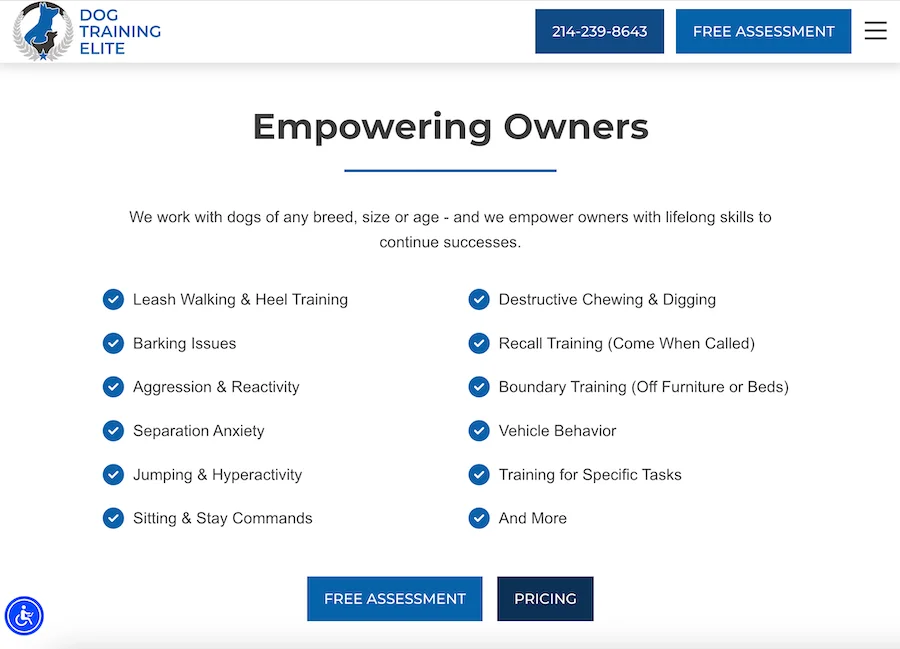
- The Tiny Tweak: Employ brand-aligned power words when emphasis, attitude, or emotional connection can enhance the message.
- Example: Instead of "Get our product," consider "Unlock your potential with our groundbreaking solution." Words like "discover," "transform," "essential," or "exclusive" can add impact.
- Why It Works: Power words do not necessarily improve clarity but enhance voice, memorability, and emotional engagement. When your communication style aligns with your audience’s expectations and preferences, trust is fortified.
The Enduring Efficacy of Subtle Enhancements
These incremental improvements yield compounding results because they are rooted in a fundamental understanding of human reading habits, decision-making processes, and points of hesitation, rather than rigid templates or abstract best practices. Their focus on clarity, relevance, and the subtle nuances of trust is what ultimately dictates whether a reader will click, scroll, or depart.
It is important to acknowledge that achieving perfection with every tweak, every time, is an ambitious undertaking. However, through extensive editing of landing pages, onboarding sequences, email campaigns, advertisements, and articles, certain patterns of reader behavior and engagement become undeniable. Observing where readers consistently lose interest, become confused, or hesitate provides invaluable insight into which minor adjustments consistently drive progress. These techniques are best viewed not as immutable rules, but as a reliable framework for continuous improvement.
Conversion Optimization Through Human-Centric Decisions
The overarching message from years of copywriting refinement is clear: significant improvements in conversion rates do not necessitate a complete overhaul of design or a wholesale rewrite of content. Often, the most substantial gains are achieved by refining a select few elements—sharper headlines, more precise promises, more accessible next steps, and the judicious removal of language that causes readers to pause and re-evaluate.
By systematically applying these micro-adjustments, one page at a time, the distinction between aesthetically pleasing copy and genuinely effective copy becomes profoundly apparent. The cumulative impact of these seemingly small changes, consistently applied, leads to tangible results where it matters most—driving conversions and achieving business objectives.

 Basiran
 Lina Irawan