rifanmuazin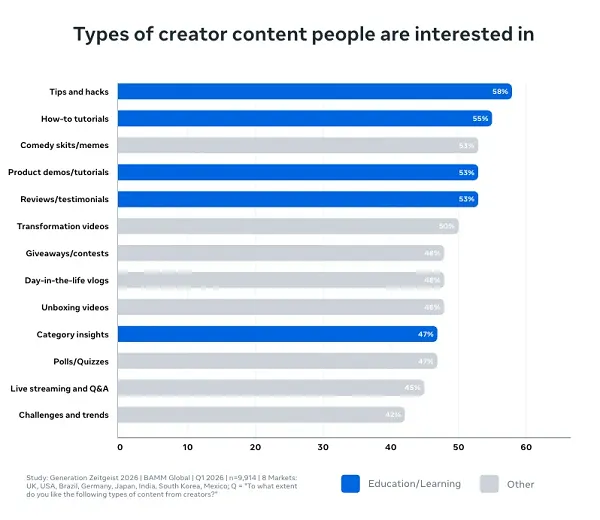
Meta Platforms Inc. has released a comprehensive new study, "The Generation Gap Has Closed," which delves into the evolving usage patterns of its expansive suite of applications across diverse age demographics and provides critical insights for marketers aiming to optimize brand resonance and consumer response. Conducted in partnership with BAMM Global, the report synthesizes responses from nearly 10,000 individuals across eight global markets, encompassing four distinct generations—from Generation Z to Baby Boomers—to offer a nuanced comparison of digital engagement trends. The overarching objective of this extensive research, according to Meta, was to pinpoint the most effective strategies for brands to connect with audiences through promotional content within its ecosystem of apps, which includes Facebook, Instagram, WhatsApp, and Messenger.
The study’s most salient finding challenges long-held marketing tenets, asserting a "profound convergence in attitudes and behaviors across all age groups," a phenomenon that Meta posits necessitates a fundamental re-evaluation of how brands construct their audience strategies. This convergence suggests that the traditional segmentation of consumers purely by age cohort may be losing its efficacy in the digital age.
The Shifting Paradigm: Life Stages Over Generations
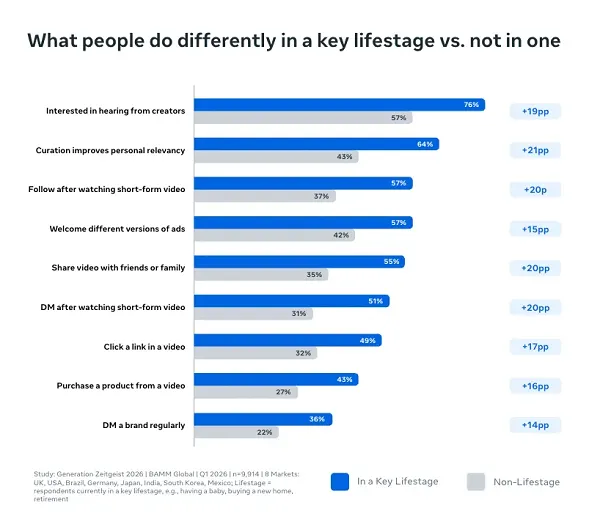
A cornerstone of Meta’s report is the declaration that a consumer’s "life stage" now holds significantly greater relevance for brands than their chronological age. The study meticulously illustrates this point, revealing that individuals navigating pivotal life transitions—such as graduating from college, getting married, or welcoming a new baby—demonstrate a purchase intent up to 26 percentage points higher than those not experiencing such milestones, irrespective of their age. While the concept of targeting consumers during significant life events is not entirely novel to seasoned marketers, Meta’s data underscores its amplified importance in the contemporary digital landscape, advocating for a strategic pivot from broad generational targeting to more granular, event-driven segmentation.
This emphasis on life stages reflects a broader industry trend where hyper-personalization and contextual relevance are paramount. Marketers have long understood that moments of significant change often coincide with heightened consumer needs and purchasing decisions. For instance, a new parent will likely be in the market for baby products, regardless of whether they are a millennial or a Gen Xer. Similarly, a recent graduate might be seeking career-related services, financial advice, or home furnishings. The power of Meta’s platforms lies in their ability to capture these life events through user-shared content and declared interests, offering advertisers unprecedented precision in reaching these high-intent segments. This insight encourages brands to develop campaigns that speak directly to the emotional and practical needs arising from these transitions, moving beyond demographic stereotypes to genuine human experiences.
The Rise of "Digital Pebbling": Private Sharing as a Connective Tissue
Beyond the re-evaluation of generational marketing, Meta’s study highlights an emerging engagement behavior termed "digital pebbling." This intriguing concept refers to the act of sharing content—ranging from humorous memes and informative videos to personal photos—with loved ones through direct messages (DMs) within Meta’s applications. Meta likens this behavior to "penguins gifting each other stones to strengthen bonds," emphasizing its role in fostering and maintaining interpersonal connections in the digital sphere. The company succinctly defines it as "staying connected" and "intimacy made effortless."
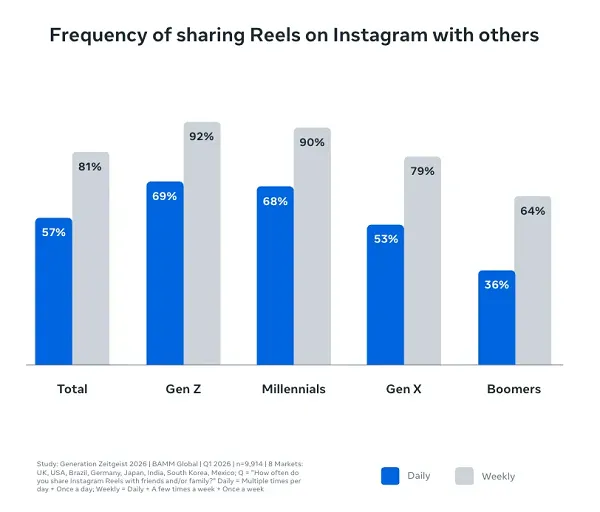
The data unequivocally supports the prevalence of digital pebbling: a remarkable 90% of individuals across all generations reported sharing photos, videos, or memes to stay in touch on Meta’s apps. Furthermore, 80% of users share Reels—Meta’s short-form video content format—at least weekly. These statistics underscore the profound shift towards private, intimate sharing as a primary mode of digital communication. Unlike public posts, which often aim for broad reach and validation, digital pebbling is characterized by its targeted nature, designed to resonate deeply with a specific recipient or small group.
For brands, this trend carries significant implications. Meta posits that content with inherent "forwarding value" is key to maximizing sharing behavior and driving greater brand resonance. The simple yet powerful "forwarding test" proposed by Meta challenges brands to consider whether their content is compelling enough for a user to actively share it with someone they care about. This encourages the creation of content that is not just engaging for individual consumption but also serves as a social currency—content that sparks conversation, provides value, or evokes an emotional response worthy of being passed along. This could include useful tutorials, inspiring stories, relatable humor, or thought-provoking discussions that strengthen existing relationships. As digital communication increasingly fragments into private channels, the ability to create shareable content becomes a crucial differentiator for brand success, turning consumers into organic advocates.
Influencer Marketing Redefined: Expertise Triumphs Over Fame
The report also offers crucial insights into the dynamics of influencer marketing, particularly what inspires users to engage with brand and influencer promotions. In a landscape often dominated by celebrity endorsements and viral sensations, Meta’s findings suggest a significant shift in consumer priorities. The data indicates that trust, rooted in genuine expertise and relevant experience, is now the paramount factor when consumers consider product recommendations from creators.
Specifically, when asked what they value most in creators, 81% of respondents cited "expert knowledge" as important, placing it firmly ahead of qualities like humor, relatability, or any measure of fame. In fact, "fame" ranked last among the evaluated attributes. This revelation signals a maturing of the influencer marketing industry, moving away from purely aesthetic appeal or follower count towards substantive value. Consumers are increasingly discerning; they seek honest, authentic reviews and recommendations from creators who have established genuine knowledge and credibility within their niche. This means that a micro-influencer with deep expertise in sustainable fashion or niche tech gadgets might wield more persuasive power over their dedicated audience than a mega-influencer with millions of followers but a more generalized or overtly promotional approach.
For brands, this implies a strategic shift from chasing celebrity endorsements to identifying and collaborating with creators who possess authentic authority and a passionate, engaged community around their area of expertise. Building trust through genuine advocacy, rather than mere paid promotion, is becoming the gold standard. This redefines the role of the influencer, transforming them from a billboard into a trusted advisor, whose recommendations carry weight because they are perceived as genuinely informed and unbiased. The integrity of the creator-consumer relationship is paramount, and brands that align with creators who prioritize honesty and specialized knowledge are more likely to achieve lasting impact and drive meaningful conversions.
Content Preferences and Evolving Discovery Pathways
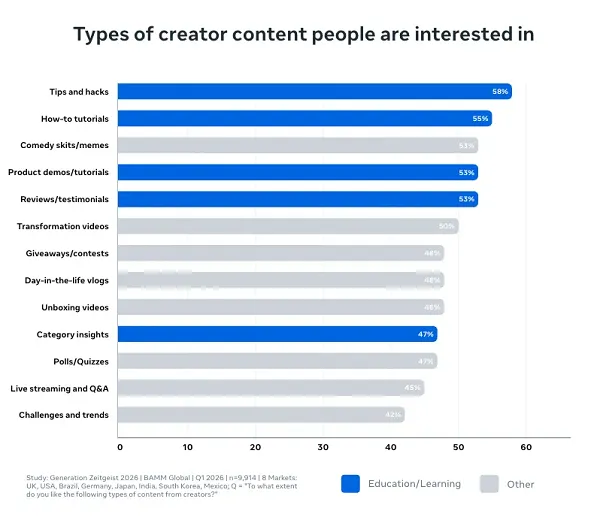
Meta’s study meticulously breaks down the types of content users engage with most, providing a roadmap for content creators and brands. While specific visual examples were provided in the original study, the underlying message is clear: diverse, engaging, and valuable content is key. This includes short-form video (Reels), interactive stories, visually rich images, and informative long-form posts that cater to varied interests and attention spans.
The report also sheds light on the evolving consumer discovery process, highlighting a significant divergence, especially among younger demographics. A striking 85% of Generation Z respondents indicated that they discover products on social media platforms, a stark contrast to the 58% who rely on traditional search engines for product discovery. This finding powerfully underscores the escalating importance of social apps as primary awareness tools, particularly for brands targeting younger audiences. Social media has transitioned from a mere communication channel to a vibrant marketplace and a critical touchpoint in the consumer journey. Gen Z, having grown up with social platforms integrated into every aspect of their lives, naturally gravitates towards these environments for inspiration, product research, and peer recommendations. This signifies that brands can no longer treat social media as an afterthought but must integrate it as a core component of their marketing and product launch strategies, optimizing for visual appeal, shareability, and interactive engagement.
The Emergence of AI Chatbots in the Customer Journey
Looking towards the future of digital engagement, Meta’s report also touches upon the burgeoning role of artificial intelligence (AI) chatbots. As AI increasingly permeates daily life, a growing number of consumers are turning to chatbots for swift answers and efficient information retrieval. The study posits that these AI-powered tools hold significant potential to facilitate deeper connections between brands and shoppers, particularly at the initial stages of inspiration and inquiry.
Brands have a compelling opportunity to leverage this trend by integrating sophisticated chatbots within messaging platforms like Messenger or WhatsApp. These chatbots can serve as immediate points of contact, providing personalized guidance, answering frequently asked questions, offering product recommendations, and even facilitating direct purchases. By offering instant, always-on support, brands can enhance the customer experience, reduce friction in the buying process, and cater to the modern consumer’s expectation for immediate gratification. This strategic integration allows brands to extend their customer service and sales capabilities directly into the platforms where users are already spending significant amounts of their time, transforming casual browsing into meaningful commercial interactions. The deployment of AI chatbots represents a proactive step for brands to stay ahead in a rapidly evolving digital commerce landscape, offering a scalable solution for personalized engagement.
Implications for Strategic Planning and the Future of Digital Marketing
Meta’s "The Generation Gap Has Closed" study provides a rich tapestry of insights that demand a strategic re-evaluation from marketers and brands alike. The convergence of generational behaviors necessitates a move away from broad demographic assumptions towards a more nuanced understanding of individual life stages and contextual needs. This shift implies a greater investment in data analytics to identify and target consumers at critical junctures in their lives, tailoring messaging for maximum impact.
The rise of "digital pebbling" underscores the power of private social connections and the importance of creating content that is inherently shareable and value-driven. Brands must think beyond public campaigns and design content that fosters intimacy, relevance, and a sense of shared experience, encouraging organic advocacy through direct, personal recommendations. The emphasis on expert knowledge over mere fame in influencer marketing signals a demand for authenticity and credibility. This calls for brands to forge partnerships with creators who genuinely resonate with their niche audiences and can offer authoritative, trustworthy insights.
Furthermore, the study reinforces the critical role of social media as a primary product discovery engine, especially for younger generations. This means optimizing social channels for visual appeal, interactive content, and seamless shopping experiences. Finally, the growing adoption of AI chatbots presents a fertile ground for brands to enhance customer service, personalize interactions, and streamline the path to purchase within Meta’s messaging platforms.
In essence, Meta’s latest research serves as a strategic compass for navigating the complexities of modern digital marketing. It advocates for a more human-centric, context-aware, and value-driven approach that prioritizes genuine connection, expert trust, and timely engagement. For Meta itself, these insights are invaluable for shaping future platform features, advertising tools, and developer resources, ensuring its ecosystem remains central to both consumer engagement and brand success in an increasingly dynamic digital world. By heeding these "handy notes," marketers can develop more effective strategies, fostering deeper brand loyalty and driving tangible business outcomes in the years to come.