rifanmuazin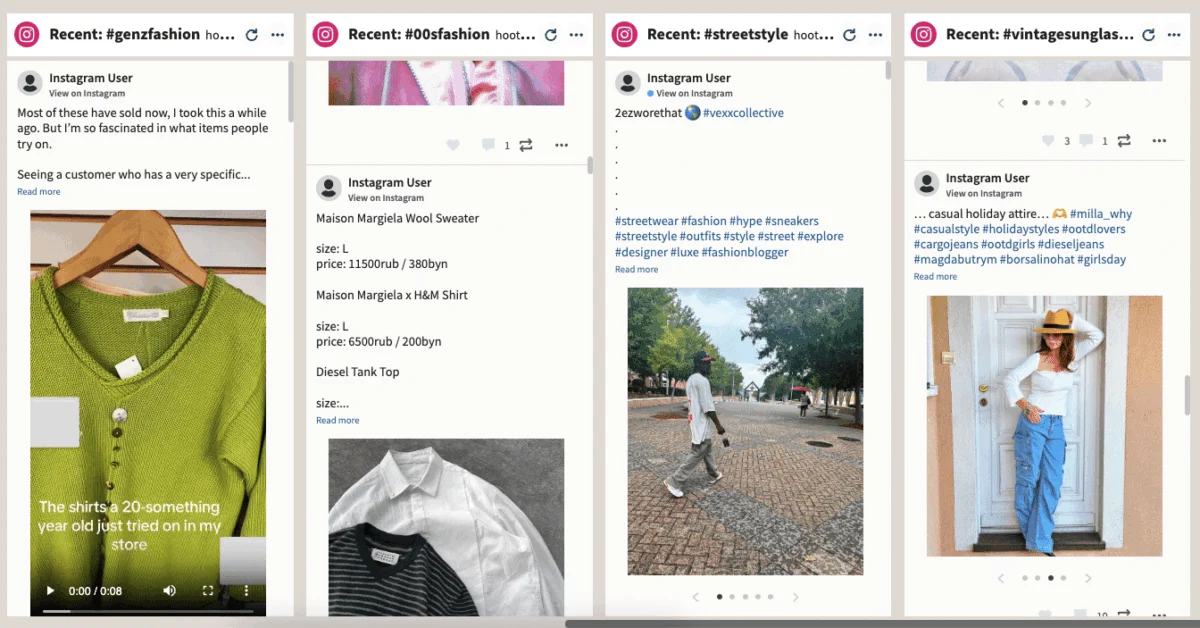
Social media monitoring stands as an indispensable practice for brands navigating the complex and rapidly evolving digital landscape, providing real-time intelligence on conversations both directed at and concerning them. This process transcends simple notification alerts, offering a deep dive into consumer sentiment, emerging trends, and operational feedback that can profoundly influence marketing strategies, product development, and overall brand reputation. By systematically tracking online mentions, businesses gain unparalleled access to unsolicited consumer insights, effectively transforming the vast social web into a dynamic focus group.
Defining Digital Vigilance: What is Social Media Monitoring?

At its core, social media monitoring is the systematic process of identifying and analyzing what individuals are communicating about a brand, its products, services, competitors, and industry across various social media platforms. This encompasses direct mentions, such as tags or replies on a brand’s official accounts, as well as indirect references, including untagged posts, discussions in forums, comments on news articles, and shares of content relevant to the brand. The objective is to gather raw data—the "signals"—from the social sphere, which, when aggregated, provide a comprehensive snapshot of public perception and engagement.
The mechanics of social media monitoring are powered by sophisticated algorithms and tools that continuously scan the digital ecosystem. These tools utilize natural language processing (NLP) to understand context and sentiment, keyword tracking to capture specific terms, and data aggregation capabilities to present findings in an organized, actionable format. This blend of technological prowess allows brands to keep a pulse on their digital footprint without the prohibitive manual effort that such an undertaking would otherwise require. The signals collected typically include brand mentions (tagged and untagged), competitor mentions, relevant industry keywords, campaign hashtags, employee mentions, key opinion leaders (KOLs) or influencers discussing the brand, and product-specific feedback.
The Evolution of Digital Vigilance: A Brief History

The necessity for social media monitoring has evolved directly alongside the proliferation of social media platforms themselves. In the early 2000s, as platforms like MySpace and Facebook gained traction, brands began to recognize the emerging public square. Initial monitoring efforts were largely manual, involving rudimentary searches and direct engagement on brand pages. However, as Twitter introduced the concept of real-time public discourse and other platforms diversified, the volume of online conversation exploded.
By the early 2010s, with the rise of widespread smartphone adoption and the rapid growth of platforms like Instagram and YouTube, the sheer scale of social data made manual tracking impossible. This era saw the emergence of dedicated social media monitoring tools, designed to automate data collection, sentiment analysis, and reporting. These tools became critical for crisis management, allowing brands to detect and respond to negative sentiment before it spiraled into a full-blown public relations disaster. The late 2010s and early 2020s marked a shift towards integrating monitoring with broader social listening strategies, leveraging artificial intelligence (AI) and machine learning (ML) to extract deeper, predictive insights from the vast ocean of social data, transforming monitoring from a reactive measure into a proactive strategic asset. Today, it is estimated that the global social media management market, which includes monitoring tools, is valued at over $15 billion and is projected to grow significantly, underscoring its critical role in modern business operations.
Beyond Mentions: The Multifaceted Benefits for Brands

Social media monitoring offers a plethora of benefits that extend far beyond simply knowing who is talking about a brand. These advantages are crucial for sustained growth, reputation management, and competitive advantage in today’s digital economy.
-
Understanding Your Audience: Monitoring provides an unfiltered view of who your audience is, where they congregate online, and what truly matters to them. Beyond demographics, it reveals psychographics – their interests, pain points, aspirations, and communication styles. By tracking untagged mentions, brands uncover conversations happening organically, offering a more complete and authentic understanding of their target demographic. For instance, a brand might discover that a significant segment of its audience discusses its products on niche forums or private groups, providing invaluable insights into their preferences and concerns that might otherwise be missed. This deeper understanding enables more precise targeting and personalized messaging.
-
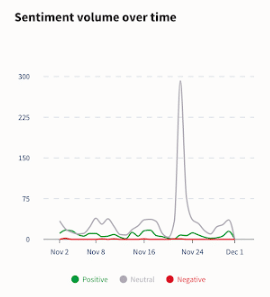
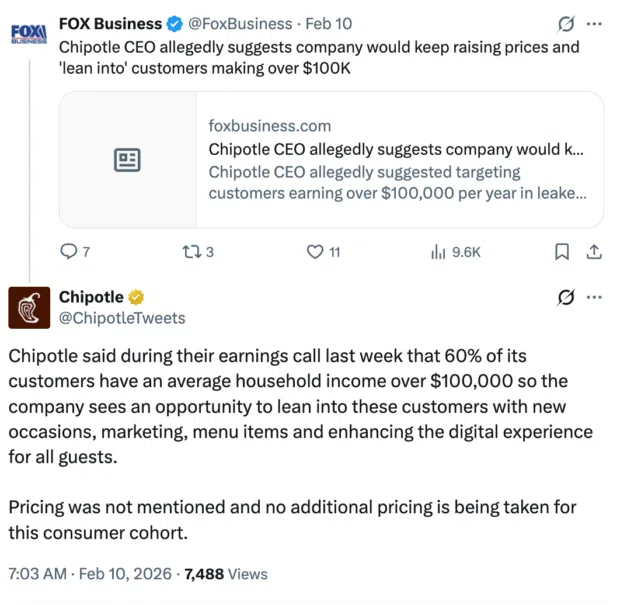
Nipping Potential Disasters in the Bud: One of the most critical applications of social media monitoring is its role in reputation management and crisis prevention. By establishing a baseline of typical brand sentiment, any sudden spike in negative comments or a rapid increase in discussion volume around a particular issue can be immediately flagged. This early warning system allows brands to intervene swiftly, address concerns, and manage narratives before they escalate into widespread crises. Consider the example of Chipotle, which proactively responded across social platforms to negative headlines regarding its CEO’s alleged comments about targeting higher-income customers. Such rapid, informed responses are only possible with robust monitoring in place. Studies indicate that 78% of consumers expect a response to their social media complaints within an hour, highlighting the urgency that monitoring facilitates. Without it, a seemingly minor complaint can quickly go viral, causing significant reputational damage. Conversely, monitoring can also identify positive momentum, allowing brands to amplify successful content or campaigns by allocating additional resources, turning viral moments into strategic wins.
-
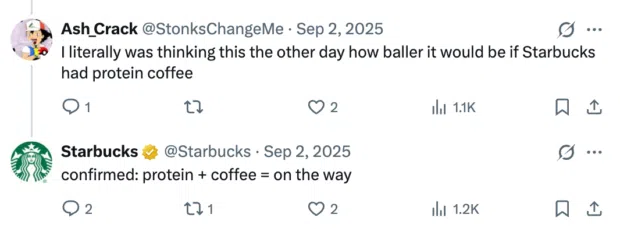
Informing Marketing Campaigns: Social media monitoring serves as a dynamic feedback loop for marketing and advertising efforts. Brands can gauge real-time reactions to campaigns, allowing for agile adjustments and optimization. It can surface frequently asked questions, common pain points, or even nascent product ideas directly from consumer conversations. For example, Starbucks frequently engages with customers on platforms like X (formerly Twitter) regarding new drink suggestions or menu modifications, directly influencing their product development pipeline. Beyond direct feedback, monitoring helps identify trending topics, popular hashtags, and relevant memes, enabling brands to tap into cultural currents and create more resonant content. By observing competitor campaigns, brands can learn from their successes and failures, refining their own strategies to achieve better engagement and ROI. This constant stream of data ensures marketing efforts remain relevant and effective.
-
Understanding Your Competitive Space: Monitoring extends beyond self-analysis to provide comprehensive competitive intelligence. By tracking mentions and sentiment around rivals, brands can benchmark their performance, identify market gaps, and anticipate competitive moves. This includes spotting new product launches, price changes, shifts in marketing messaging, or even emerging customer service issues faced by competitors. For instance, if a competitor’s new feature receives widespread negative feedback, a brand can learn valuable lessons and potentially refine its own product roadmap. Monitoring also reveals which reputation management strategies are effective or ineffective for similar brands, offering a playbook for navigating the competitive landscape. This strategic insight can inform everything from pricing models to customer service protocols, ensuring a brand remains agile and responsive to market dynamics.
-
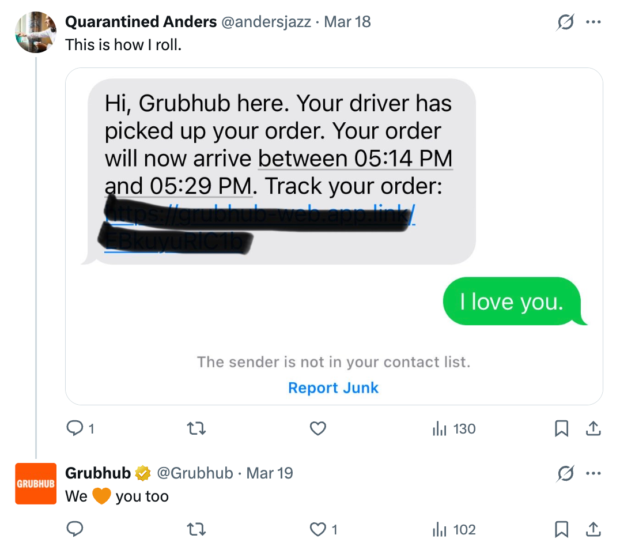
Engaging with Your Audience: Effective monitoring transforms passive observation into active engagement. While direct mentions often prompt responses, monitoring also uncovers conversations where the brand isn’t explicitly tagged. These "dark mentions" represent prime opportunities to delight customers, resolve issues, or even convert potential buyers. A prompt, empathetic response to an untagged complaint can turn a frustrated individual into a loyal advocate. Similarly, engaging with positive, untagged mentions, like Grubhub responding to a customer’s positive experience, reinforces brand loyalty and creates shareable moments. This proactive engagement fosters a sense of being heard and valued among the customer base, building stronger community ties and enhancing customer satisfaction.
Monitoring vs. Listening: Distinguishing Between Reaction and Strategy
While often used interchangeably, social media monitoring and social listening serve distinct yet complementary purposes. Understanding their differences is key to building a holistic digital strategy.
-
Social Media Monitoring: This is primarily a reactive process focused on tracking specific mentions, keywords, and conversations in real-time. Its goal is to identify and respond to immediate opportunities or threats. Think of it as scanning the immediate horizon for ships (mentions) and reacting to their presence – hailing them, avoiding collisions, or identifying them. For example, monitoring would flag a tweet where a customer complains about a faulty product, prompting an immediate response from the customer service team (like the Warby Parker example). The focus is on the "now" and direct action.
-
Social Listening: This is a more proactive and analytical process. It takes the data gathered through monitoring and analyzes it over time to identify broader trends, patterns, and underlying sentiment shifts. Listening involves asking "why" certain conversations are happening and "what" they signify for long-term strategy. It’s like analyzing weather patterns over months to predict climate change, rather than just reacting to today’s rain. For instance, while monitoring identifies individual negative comments, listening analyzes the volume and nature of negative comments over a quarter to determine if a product defect is widespread or if a new marketing campaign is genuinely alienating a segment of the audience. This deeper analysis informs strategic decisions, product roadmaps, and long-term marketing plans.
In essence, monitoring provides the raw data and immediate action points, while listening extracts the strategic intelligence from that data. Both are indispensable, with monitoring feeding the listening process.
Crafting an Effective Monitoring Strategy: A Step-by-Step Guide
Building a robust social media monitoring strategy requires careful planning and the right tools.
-
Set Your Goals: Begin by clearly defining what you aim to achieve through monitoring. What questions do you need answers to? Common goals include improving customer service response times, identifying brand advocates, mitigating PR crises, understanding campaign performance, spotting market trends, or gaining competitive insights. For example, a goal might be: "Reduce average customer service response time on social media by 20% within the next quarter" or "Identify the top three emerging product features requested by customers in our industry over the next six months."
-
Decide What to Track: Based on your goals, determine the specific keywords, hashtags, and phrases to monitor. This is crucial for filtering out noise and focusing on relevant conversations.

- Brand name: Including common misspellings or abbreviations.
- Product names: Specific product lines or features.
- Campaign hashtags: Official campaign hashtags and related user-generated hashtags.
- Competitor names: And their products/campaigns.
- Industry keywords: Broad terms relevant to your sector (e.g., "sustainable fashion," "AI ethics").
- Relevant phrases: "Your brand sucks," "Love your product," "problem with X."
- Employee/Spokesperson names: Especially for public figures associated with the brand.
- Geographic-specific terms: If targeting specific regions.
- Multiple language variations: For international audiences.
-
Pick the Right Tool: While manual monitoring is possible for very small operations, it quickly becomes unsustainable. Dedicated social media monitoring tools automate data collection, sentiment analysis, and reporting, consolidating information from various platforms into a single dashboard. These tools significantly improve efficiency, accuracy, and the ability to act swiftly. When selecting a tool, consider factors like the number of platforms it covers, its sentiment analysis capabilities, real-time alerts, reporting features, and integration with other marketing or customer service platforms.
-
Share Insights Across Teams: The value of social media monitoring multiplies when insights are disseminated throughout the organization.
- Social Media & Customer Service Teams: These teams need immediate access to mentions for rapid response and issue resolution. A study published in "Social Media Monitoring: An Innovative Intelligent Approach" (Perakakis, Mastorakis, & Kopanakis, 2019) highlights how these tools empower marketers to identify interaction opportunities and determine optimal response strategies.
- Marketing Team: Insights inform campaign optimization, content creation, and trend identification.
- Product Development Team: Customer feedback on features, bugs, and new ideas can directly influence product roadmaps.
- PR/Communications Team: Critical for crisis management and reputation building.
- Sales Team: Identifying potential leads or understanding customer objections.
- Executive Leadership: High-level summaries of brand health, market sentiment, and competitive landscape.
- Example Synergy: A customer tweets about a delightful experience with a delivery driver (monitoring). The social team engages, and the customer service team notes the driver’s name for internal recognition. The marketing team might use this positive interaction as a case study or testimonial. This seamless flow of information enhances both online and offline customer experiences.
Leveraging Technology: Tools for Precision and Scale (Hootsuite & Talkwalker)

Modern social media monitoring is significantly enhanced by specialized tools that streamline the process and provide deeper insights. Hootsuite and Talkwalker represent powerful solutions in this domain.
-
Tracking Data with Hootsuite Streams: Hootsuite offers robust capabilities for setting up customized streams to monitor social media mentions, keywords, and hashtags across multiple platforms. These streams can be organized into tailored boards within the Hootsuite dashboard, allowing teams to create focused views for specific objectives—e.g., a "Customer Service" board for direct inquiries, a "Brand Reputation" board for sentiment tracking, or a "Competitor Analysis" board. The simplicity of setting up a stream—selecting a platform, account, and desired keywords—makes it accessible for immediate deployment. Hootsuite’s integration with Hootsuite Listening (powered by Talkwalker) further amplifies its monitoring capabilities, allowing users to pull advanced sentiment analysis and trend data directly into their dashboard, enhancing the depth of insights available at a glance.
-
Dive Deeper with Hootsuite Analytics Tools: For competitive intelligence and performance benchmarking, Hootsuite Analytics provides sophisticated reporting. By adding key competitors (typically 2-20, depending on the plan), brands can generate comprehensive competitive analysis reports. These reports reveal crucial metrics such as audience growth rates, engagement rates, share of voice, top-performing content types, and trending hashtags used by competitors. This data allows brands to understand their standing relative to the competition, identify best practices, and uncover untapped opportunities to refine their own social strategy. For example, if a competitor’s video content consistently outperforms static images, a brand might re-evaluate its own content mix.

-
Get In-depth Insights with Talkwalker: Talkwalker, a leading AI-powered social media monitoring and listening tool, is seamlessly integrated within Hootsuite’s ecosystem, providing an unparalleled depth of analysis. Talkwalker extends monitoring beyond social media platforms to encompass a vast array of online sources, including blogs, forums, news sites, and review platforms, drawing data from over 150 million sources globally, including emerging platforms like Bluesky. Its artificial intelligence capabilities enable highly accurate sentiment analysis, topic clustering, and trend prediction. Users can apply over 50 filters to categorize data, track campaigns, and identify key influencers. Crucially, Talkwalker facilitates assigning conversations to relevant team members for follow-up, ensuring that insights translate directly into actionable tasks, closing the loop between observation and intervention.
The Broader Implications: Navigating the Modern Digital Landscape
The widespread adoption of social media monitoring carries significant implications for businesses in the 21st century. It underscores a fundamental shift in the relationship between brands and consumers, moving towards greater transparency, immediacy, and direct engagement.

Firstly, it elevates the importance of authentic brand communication. In an environment where every comment is visible and every action can be scrutinized, brands must foster genuine connections and maintain consistent messaging. Secondly, it democratizes feedback, empowering consumers with a powerful voice that directly influences product development and service delivery. Companies that embrace this feedback loop tend to be more agile, innovative, and customer-centric. Thirdly, the data derived from monitoring has become a critical input for business intelligence, impacting strategic decisions across departments, from marketing and sales to product development and HR. Lastly, in a world where information spreads at unprecedented speeds, robust monitoring is no longer a luxury but a fundamental requirement for risk management and protecting brand equity.
Social media monitoring, therefore, is not merely a technical process; it is a strategic imperative that equips brands with the intelligence needed to thrive in the dynamic, interconnected digital world. By understanding what is being said, by whom, and with what sentiment, businesses can forge stronger relationships, innovate more effectively, and safeguard their most valuable asset: their reputation.
Save time managing your social media presence with Hootsuite. Publish and schedule social media posts, monitor conversations, engage your target audience, measure results, and more — all from one dashboard. Try it free today.