rifanmuazin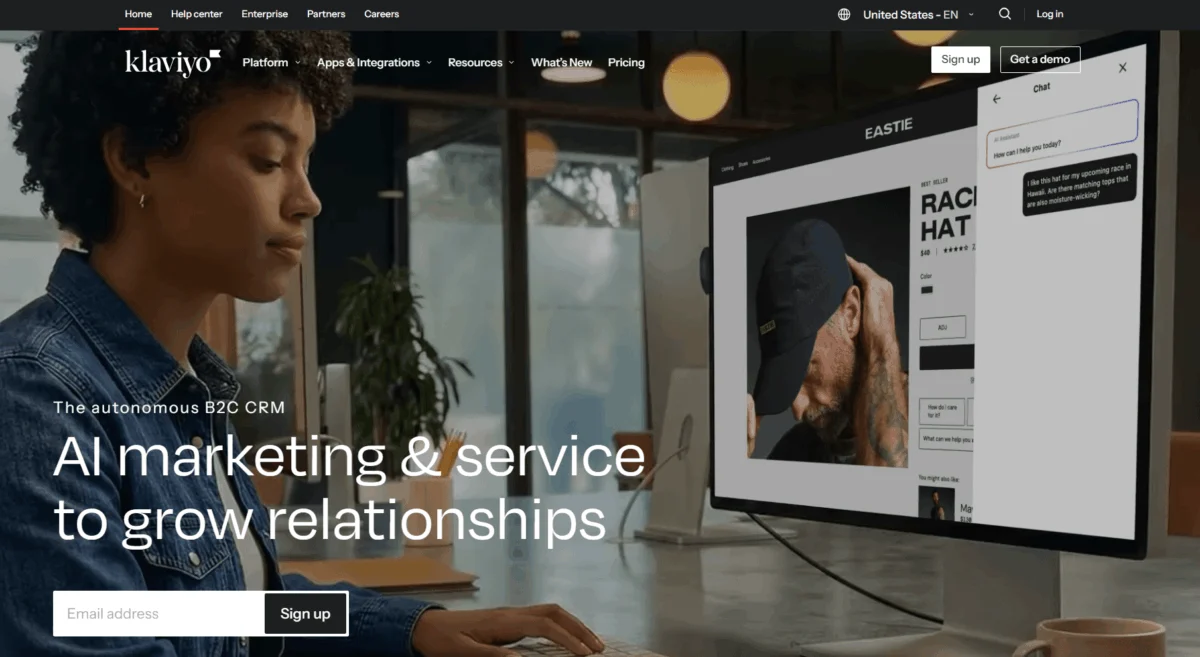
The digital marketing ecosystem is in constant flux, demanding robust, cost-effective, and feature-rich platforms to drive engagement and revenue. While GetResponse has carved out a niche, particularly among content creators and those prioritizing unlimited email sends, a growing segment of businesses, especially in e-commerce, are finding its pricing structure and feature accessibility increasingly challenging. The steep jump from a $19/month Starter plan to a $59/month plan to unlock essential e-commerce functionalities like unlimited workflows, advanced segmentation, promotional codes, and revenue reports often prompts a search for more aligned and economical alternatives. This analysis delves into the reasons behind this shift and meticulously evaluates six leading GetResponse competitors, offering a detailed perspective on their offerings, competitive advantages, and ideal use cases.
The Shifting Sands of Email Marketing: Why Alternatives Are Gaining Traction
The core appeal of an email marketing platform hinges on its ability to deliver value commensurate with its cost. GetResponse, with its emphasis on unlimited monthly email sends across paid plans and specialized "Creator" features like built-in courses and webinars, caters effectively to a specific demographic. However, for businesses with diverse needs, particularly those focused on e-commerce, the platform’s limitations on lower-tier plans can hinder growth and return on investment. The modern digital marketer requires more than just email; they need integrated multichannel capabilities, sophisticated automation, granular segmentation, and actionable analytics – often at a transparent and competitive price point. This discrepancy in the feature-to-value ratio is a primary driver for businesses exploring other options.
Key Drivers for Seeking GetResponse Alternatives
Several critical factors contribute to businesses looking beyond GetResponse:
- Feature-to-Value Ratio: GetResponse’s Starter plan, at $19/month, surprisingly omits crucial e-commerce tools such as unlimited automation workflows, welcome email series, abandoned cart recovery, and what it terms "advanced segmentation." Accessing these foundational features necessitates upgrading to at least the $59/month plan, making it significantly more expensive than several competitors that offer similar or superior functionality at a lower entry barrier. This creates a perception of restricted value, particularly for small to medium-sized e-commerce businesses that rely on these features for their core operations.
- The Imperative of Omnichannel Marketing: In today’s interconnected digital landscape, relying solely on email is often insufficient. Omnichannel strategies, integrating email with SMS, web push notifications, and other channels, are proving increasingly effective in capturing customer attention and driving conversions. GetResponse’s SMS marketing capabilities are notably restricted, available only through its custom Enterprise plans, requiring a demo and sales call, and bundling a limited 5,000 SMS credits. This contrasts sharply with platforms like Omnisend and Klaviyo, which offer robust multichannel features, including SMS, at much lower-tier plans, some even in their free offerings. The agility to reach customers across preferred channels without prohibitive costs is a significant competitive advantage.
- Specialized Niche vs. Broad E-commerce Needs: GetResponse’s "Creator" plan is a strong draw for content creators, offering tools like a course creator, premium newsletters, live and paid webinars, and direct PayPal/Stripe integrations. These features are invaluable for nurturing leads and monetizing content. However, for traditional e-commerce stores or service providers whose primary focus is not content creation or selling digital products in this manner, these unique features go largely unused, representing an unnecessary cost and complexity. Businesses seeking a platform optimized for product sales, customer retention, and maximizing customer lifetime value (CLTV) often find GetResponse’s creator-centric approach less suitable.
Leading GetResponse Alternatives: A Detailed Examination
The market offers a diverse array of platforms, each with its unique strengths and ideal applications. Here, we delve into six prominent alternatives, analyzing their core offerings, competitive positioning, and suitability for various business models.

1. Omnisend: The E-commerce Automation Powerhouse
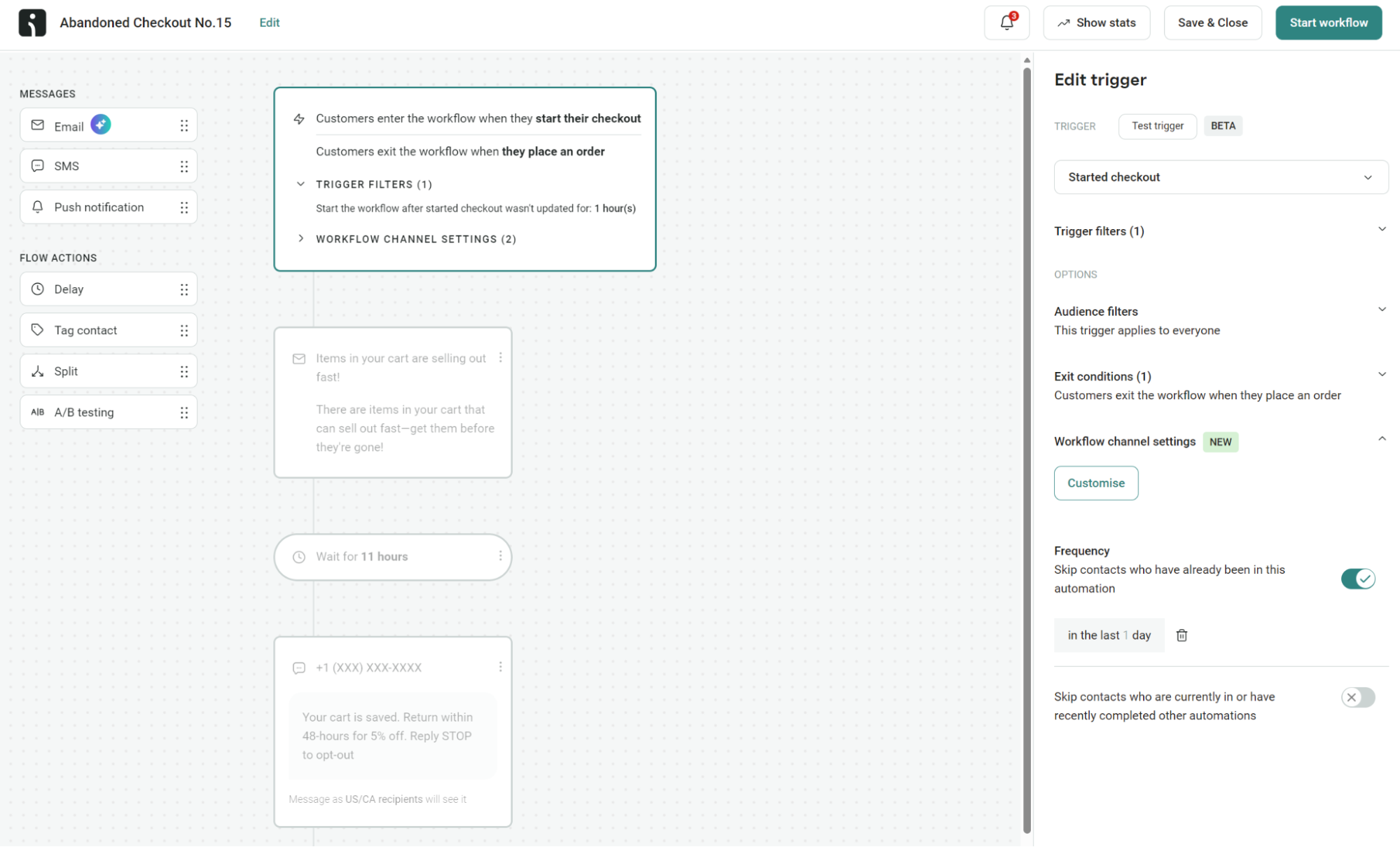
Core Offering: Omnisend positions itself as the premier choice for e-commerce businesses of all sizes, excelling in orchestrating the complete customer journey. It integrates email, SMS, and web push notifications into intuitive, omnichannel flows designed to maximize customer lifetime value and retention. Its user-friendly flow builder, coupled with pre-built email automations, segments, templates, and standalone campaigns, makes sophisticated marketing accessible even for those new to advanced automation.
Competitive Edge Against GetResponse: Omnisend offers a significantly richer set of e-commerce features than GetResponse, particularly at its free and lowest-cost paid plans. Crucially, it provides unrestricted access to essential functionalities like unlimited flows, advanced segmentation, promotional codes within emails, and contact forms – features that GetResponse often restricts or gates behind higher-priced tiers. Omnisend’s transparent pricing, immediate access to multichannel capabilities (including global SMS coverage even in its Free Forever plan), and a focus on revenue attribution directly address the pain points of e-commerce merchants. For instance, while GetResponse requires a $59/month plan for advanced segmentation, Omnisend includes this in its standard plans, offering tangible value from the outset.
Pricing Dynamics: Omnisend offers a Free Forever plan with core email and SMS capabilities, allowing businesses to test its features without financial commitment. Its paid plans are competitively priced, typically starting around $16/month (for up to 500 contacts and 6,000 emails/month, with SMS credits), scaling up based on contact list size and email volume. This tiered structure ensures that businesses only pay for what they need, making it a cost-effective solution for growing stores.
Ideal User Profile: Omnisend is best suited for e-commerce businesses, online retailers, and direct-to-consumer (D2C) brands that prioritize comprehensive omnichannel marketing, sophisticated automation, and data-driven customer retention strategies. Its deep integrations with major e-commerce platforms like Shopify, BigCommerce, and WooCommerce further solidify its position as an e-commerce specialist.
2. Klaviyo: The Data-Driven Marketing Engine
Core Offering: Klaviyo is renowned for its data-first approach to email and SMS marketing. It offers granular behavioral data tracking, superior to many competitors, which fuels advanced predictive analytics. Its segmentation and flow capabilities provide maximum depth, allowing businesses to craft highly personalized and complex customer journeys. Beyond the basics, Klaviyo scales with advanced marketing analytics, a built-in CRM, social media auto-replies, and even supports RCS (Rich Communication Services) in addition to SMS.
Competitive Edge Against GetResponse: Klaviyo stands out as a more advanced multichannel marketing tool than GetResponse. While GetResponse remains primarily email-focused (with SMS as an Enterprise add-on), Klaviyo integrates email, SMS, and RCS seamlessly across its plans. The depth of customer data collected by Klaviyo is a significant differentiator, enabling businesses to build highly effective, revenue-maximizing flows based on predictive insights. For businesses where understanding and reacting to customer behavior is paramount, Klaviyo offers a level of sophistication that GetResponse does not match.
Pricing Dynamics: Klaviyo offers a Free plan for up to 250 contacts and 500 email sends, with a small number of free SMS/MMS credits. Paid plans for email start from $20/month for 500 contacts and unlimited sends, with SMS pricing layered on top. While it can be more expensive than Omnisend or Mailchimp at higher contact volumes, its robust analytics and advanced features often justify the investment for data-driven businesses.
Ideal User Profile: Klaviyo is ideal for established e-commerce businesses, rapidly growing D2C brands, and any enterprise seeking deep customer insights, advanced segmentation, and sophisticated marketing automation to drive hyper-personalization and maximize CLTV. Its learning curve can be steeper due to its powerful capabilities, but the ROI for data-savvy marketers is substantial.
3. Mailchimp: The Versatile All-Rounder for Small Businesses
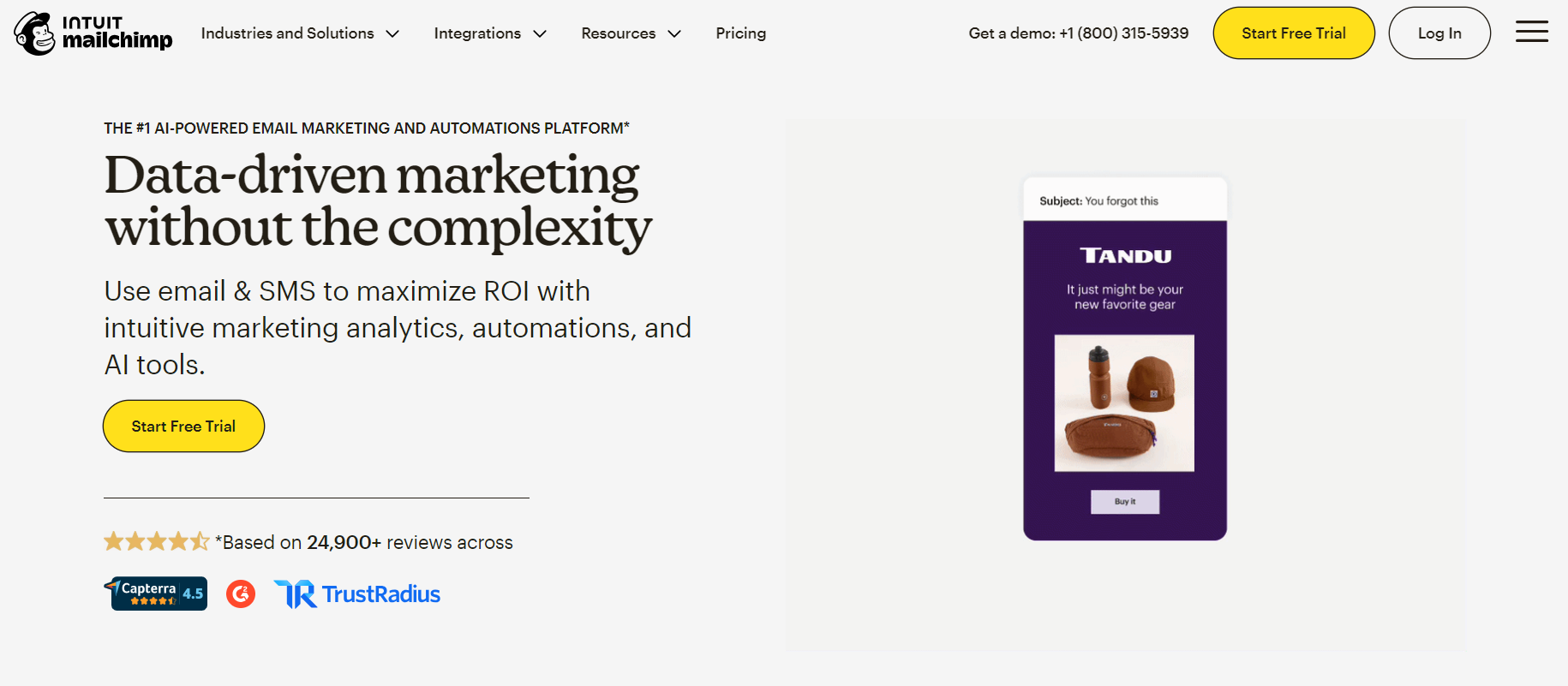
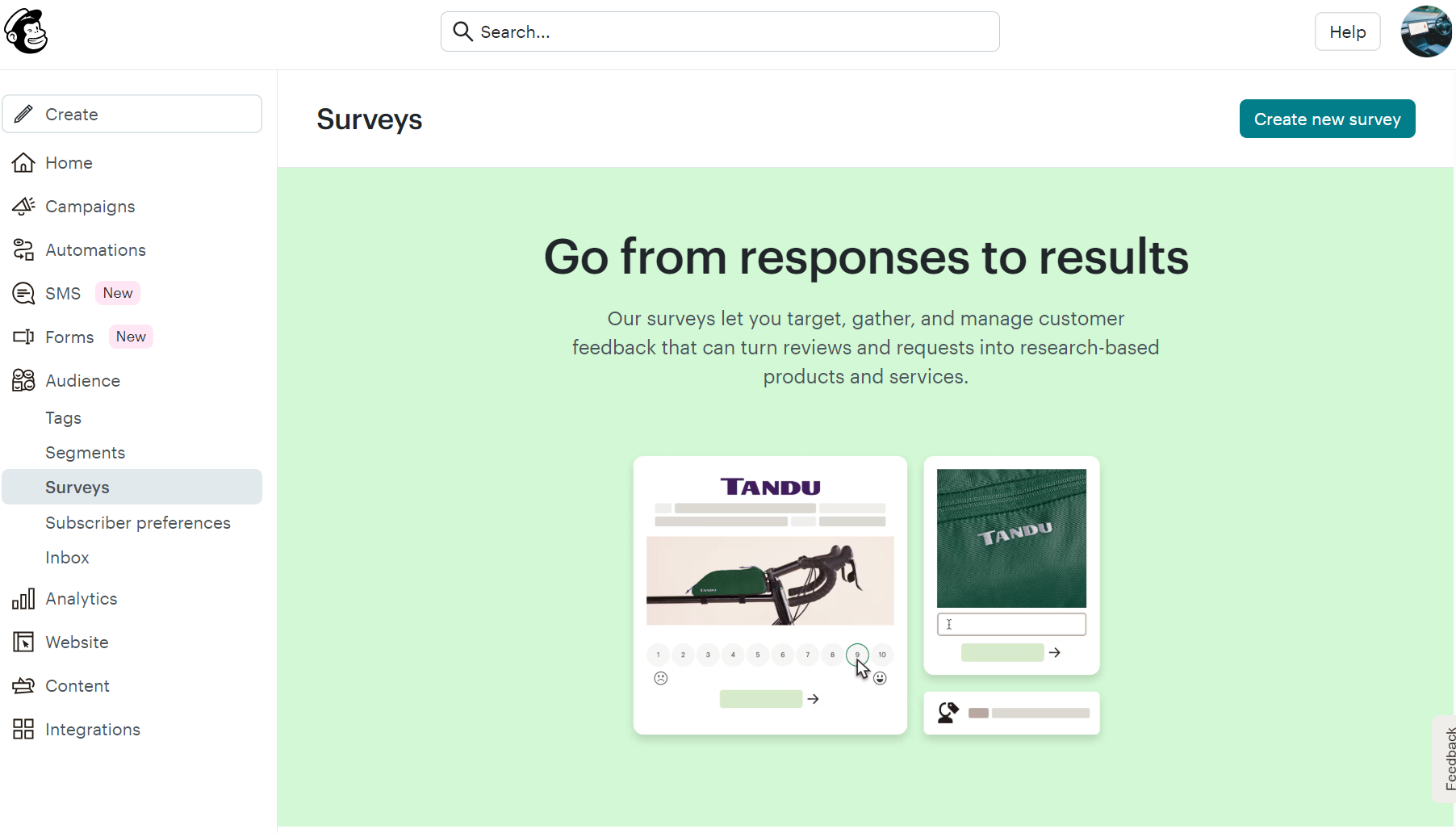
Core Offering: Mailchimp has long been a household name in email marketing, offering a broad suite of features encompassing flows, campaigns, forms, reports, and audience management. While not specializing in any single area, its versatility makes it an attractive option for small businesses, service providers, and startups requiring a comprehensive yet accessible platform. It integrates natively with most e-commerce platforms and content management systems.
Competitive Edge Against GetResponse: Mailchimp often provides a broader set of core features at lower price points than GetResponse, particularly concerning e-commerce integrations and basic automation. For example, Mailchimp includes built-in survey features and recommended products (on higher plans), which GetResponse lacks or restricts. While GetResponse offers unlimited sends, Mailchimp provides more general marketing tools, including SMS in all but its free plan, offering a better overall feature set for businesses not prioritizing GetResponse’s creator-specific tools. Mailchimp’s user-friendly interface is also a significant draw for beginners.
Pricing Dynamics: Mailchimp offers a Free plan for up to 500 contacts and 1,000 email sends per month. Its paid plans start from $13/month (for up to 500 contacts), scaling based on contact list size and offering different tiers of features (Essentials, Standard, Premium). While it doesn’t offer unlimited sends like GetResponse, its competitive pricing for a balanced feature set makes it appealing.
Ideal User Profile: Mailchimp is best suited for small businesses, solopreneurs, service providers, and startups that need a reliable, easy-to-use email marketing platform with a good range of general marketing features and tight integrations with various business tools.
4. ActiveCampaign: Automation and AI for Growth
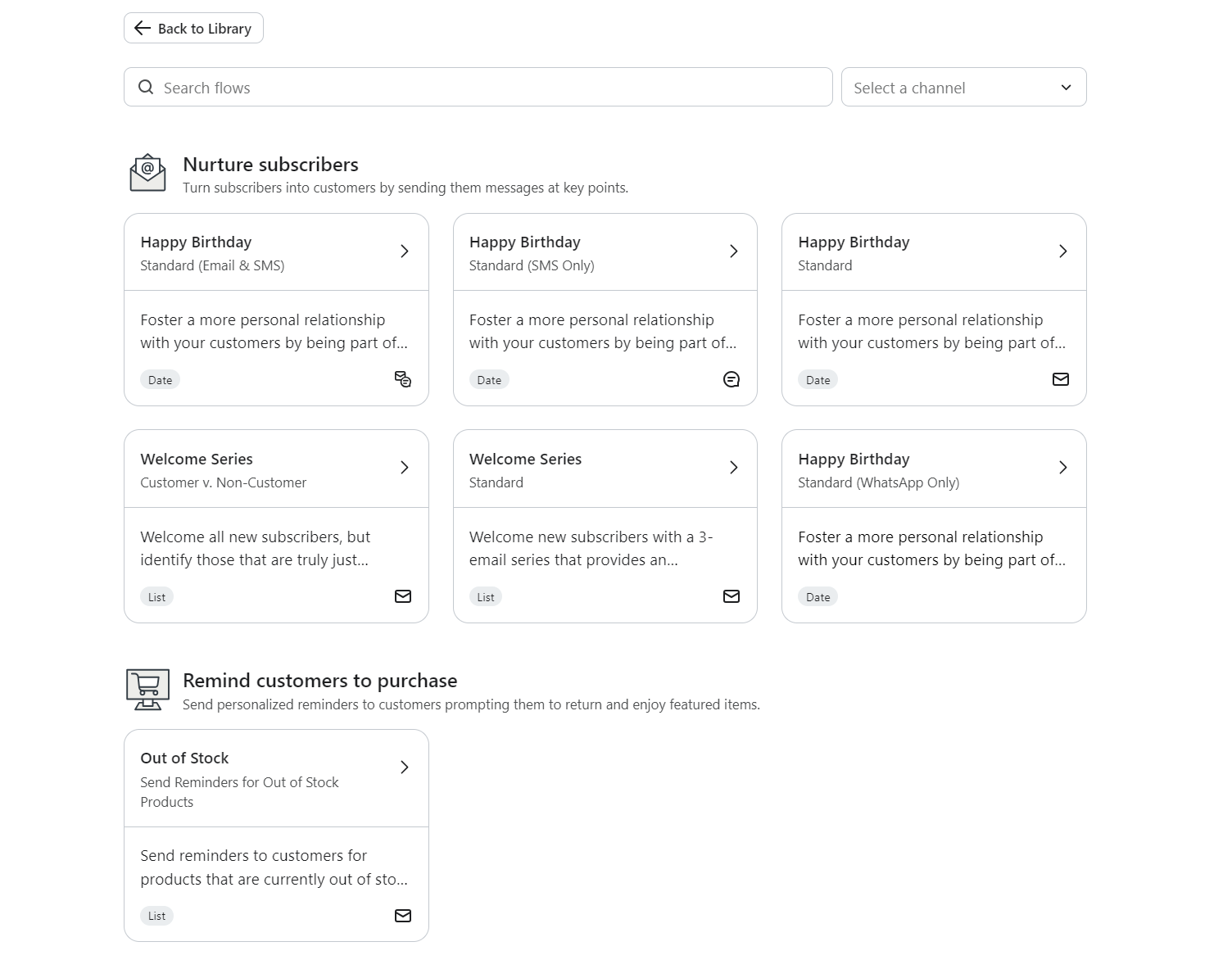
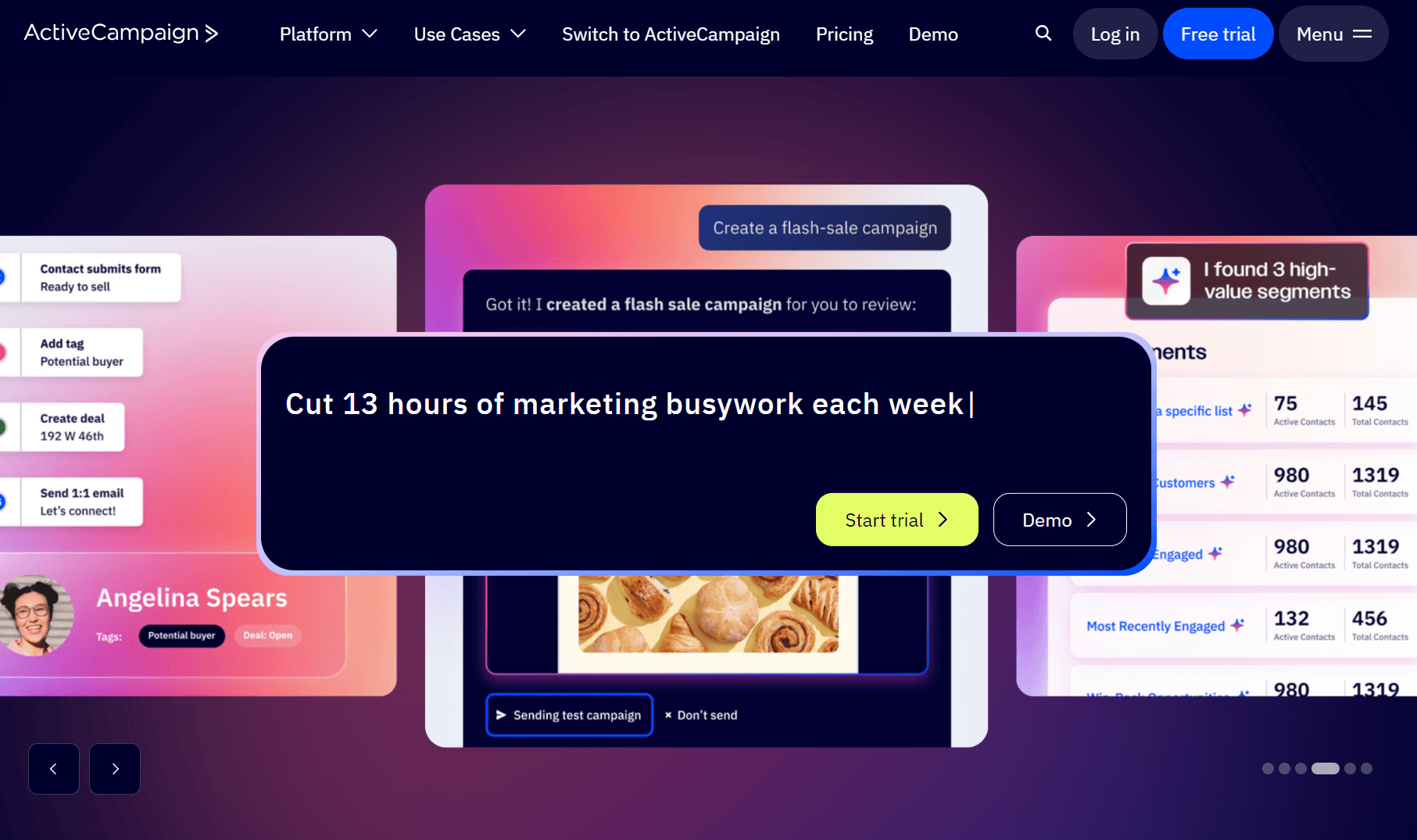
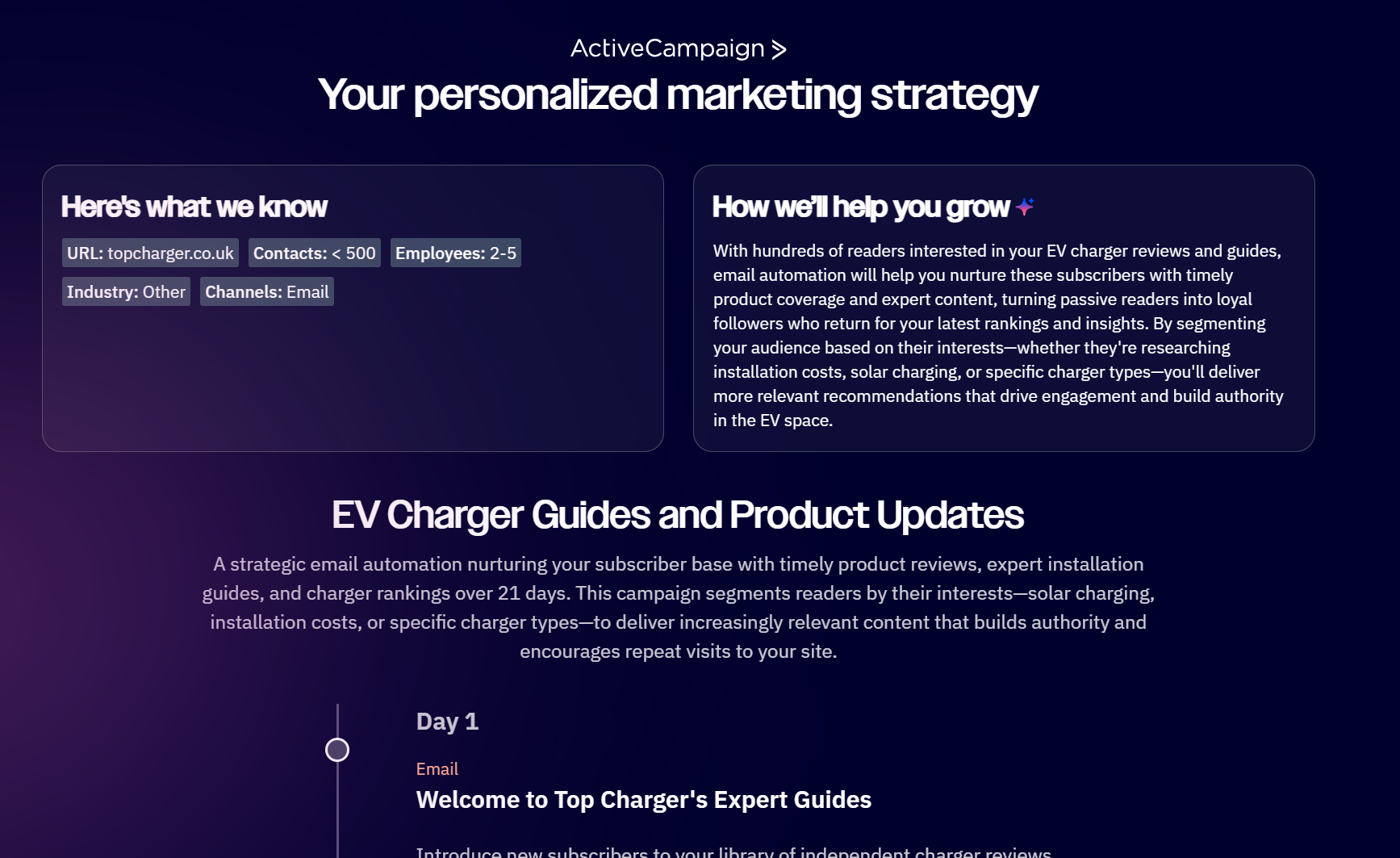
Core Offering: ActiveCampaign stands out for its deep automation capabilities, robust CRM features, and an extensive library of over 950 automation recipes. Its integration of AI into email and SMS marketing is a significant differentiator, offering features like an AI campaign builder, AI-suggested segments, an AI brand kit, and AI content generation. This allows for intelligent, personalized customer engagement across multiple touchpoints.
Competitive Edge Against GetResponse: ActiveCampaign offers a more modern and sophisticated approach to automation and AI than GetResponse. Its starting price of $15/month for 1,000 contacts (for multi-step flows and CRM) significantly undercuts GetResponse’s equivalent Starter plan ($19/month for 1,000 contacts, but with restricted automation). ActiveCampaign’s granular flows and segments can cover more complex customer journeys, and its AI capabilities, while primarily available in higher tiers, offer a glimpse into the future of marketing personalization.
Pricing Dynamics: ActiveCampaign’s Lite plan starts at $15/month for 1,000 contacts. Prices scale with contact volume and feature sets (Plus, Professional, Enterprise), with advanced AI features typically found in the Pro and Enterprise plans. While some of its best features are in higher tiers, its entry-level offering for automation and CRM is highly competitive.
Ideal User Profile: ActiveCampaign is ideal for growing businesses, e-commerce stores, and B2B companies that prioritize advanced marketing automation, lead scoring, a robust CRM, and increasingly, AI-driven personalization. Its extensive integration ecosystem also appeals to businesses with complex tech stacks.
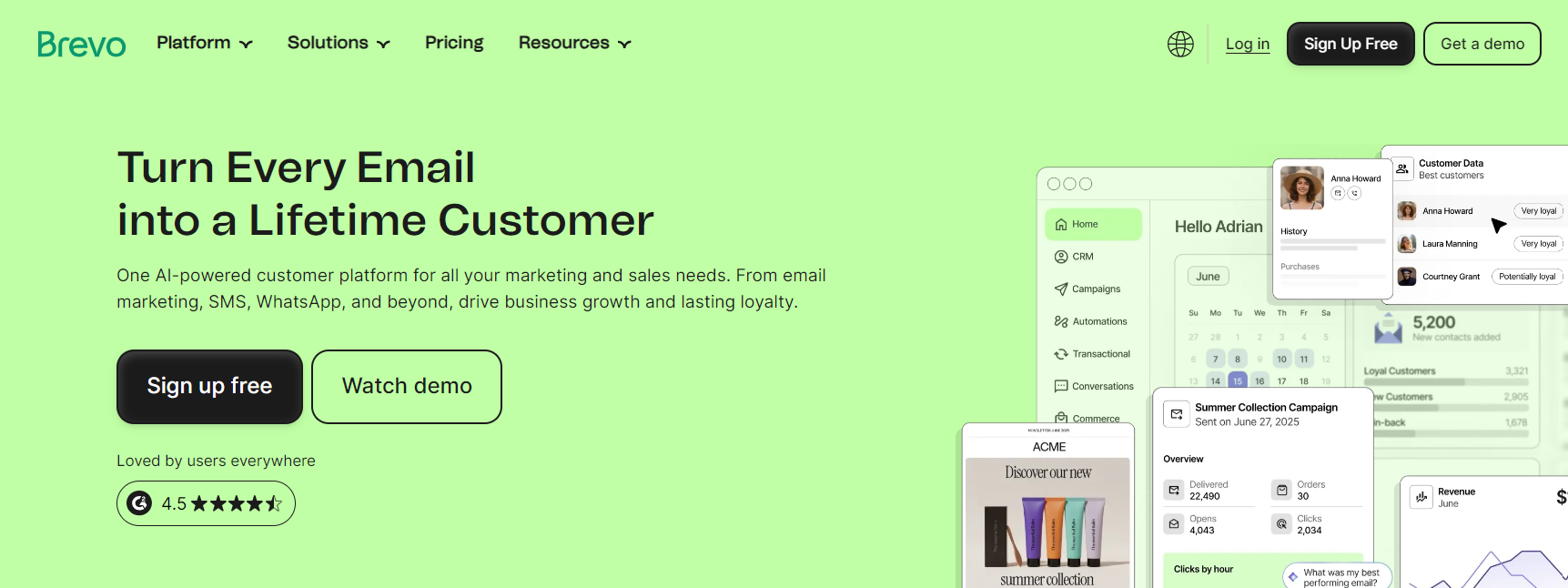
5. Brevo (formerly Sendinblue): The Budget-Friendly Marketing Hub
Core Offering: Brevo positions itself as a cost-effective, all-in-one marketing and sales platform. It offers email, SMS, chat, transactional email, and a built-in CRM. A key advantage is its generous free plan and highly competitive paid tiers, making advanced marketing accessible to budget-conscious stores and businesses.
Competitive Edge Against GetResponse: Brevo offers significantly more value at lower price points than GetResponse. Its free plan allows sending 300 emails/day to 2,000 contacts, while its Starter plan offers 100,000 emails/month for just $9/month – a stark contrast to GetResponse’s $19/month for 1,000 contacts and restricted features. Crucially, Brevo provides SMS campaigns and supports transactional email and SMS via API/SMTP across all tiers, features GetResponse typically reserves for its Enterprise plan. Its integrated CRM further enhances its value proposition, particularly for businesses seeking consolidated tools.
Pricing Dynamics: Brevo’s Free plan is robust, offering 300 emails/day and unlimited contacts. Its Starter plan is $9/month for 20,000 emails/month (with no daily limit) and unlimited contacts, making it one of the most budget-friendly options available. Higher tiers add more advanced automation and features.
Ideal User Profile: Brevo is an excellent choice for budget-conscious small businesses, startups, service providers, and e-commerce stores that need a comprehensive set of email, SMS, and CRM tools without breaking the bank. Its transactional email capabilities also make it suitable for developers and businesses sending high volumes of automated notifications.
6. HubSpot: The All-in-One CRM and Growth Platform
Core Offering: HubSpot is a full-stack platform that seamlessly integrates CRM, marketing, sales, and customer service functionalities. It’s designed for teams looking for a unified ecosystem, eliminating the need for multiple subscriptions and complex integrations. Its "Growth Platform" approach allows businesses to pick and choose specific "hubs" (Marketing Hub, Sales Hub, Service Hub, CMS Hub, Operations Hub) to build a customized solution.
Competitive Edge Against GetResponse: While GetResponse offers certain advantages like unlimited email sends and specific creator features, HubSpot’s strength lies in its profound CRM depth and expansive channel scope. HubSpot’s free CRM offers storage for 3,000 contacts and basic deal/ticket pipelines, alongside marketing tools for building lists and sending up to 300 emails/month. For businesses where customer data, lead management, and cross-departmental collaboration are critical to growth, HubSpot’s integrated platform provides a level of cohesion and analytical capability that GetResponse cannot match. It’s designed for a broader business strategy beyond just email marketing.
Pricing Dynamics: HubSpot offers a powerful Free CRM. Its paid Marketing Hub starts from $20/month for 1,000 marketing contacts (with 5x monthly email send limit). However, to unlock advanced automation, reporting, and features, businesses often need to invest in higher-tier "Starter," "Professional," or "Enterprise" plans, which can become significantly more expensive, particularly for larger contact lists. The modular nature allows for cost control, but comprehensive use can be a substantial investment.
Ideal User Profile: HubSpot is best suited for medium to large businesses, B2B companies, and any organization that requires a truly integrated CRM and comprehensive suite of marketing, sales, and service tools. It’s for businesses committed to a unified growth strategy and willing to invest in a powerful, all-encompassing platform.
Strategic Considerations for Choosing the Right Alternative
Selecting the optimal email marketing platform transcends a simple feature checklist; it demands a deep understanding of specific business needs, growth projections, and operational realities.
-
Define Your Business Needs and Goals:
- E-commerce & Retention: If your primary goal is maximizing customer lifetime value, reducing abandoned carts, and driving repeat purchases, platforms like Omnisend or Klaviyo, with their specialized e-commerce automations, segmentation, and multichannel capabilities, will likely yield better results.
- Lead Generation & CRM: For businesses focused on nurturing leads, managing sales pipelines, and integrating marketing with sales efforts, ActiveCampaign or HubSpot offer robust CRM functionality and sophisticated automation workflows.
- Content Creation & Monetization: If your business heavily relies on selling digital content, courses, or webinars, GetResponse’s specialized creator features might still be a fit, though some alternatives offer excellent email marketing for content distribution.
- Budget-Conscious & Small Business: For startups and small businesses prioritizing affordability without sacrificing essential features, Mailchimp and Brevo offer compelling value propositions.
-
Evaluate Features and Scalability: A crucial exercise involves projecting your needs as your business grows. Consider how each platform’s pricing and features scale from your current contact list size (e.g., 1,000 subscribers) to future growth (e.g., 5,000 or 10,000 subscribers).
- Automation Depth: Do the flows allow for complex conditional logic, A/B testing, and integration with various touchpoints (email, SMS, web)?
- Segmentation Capabilities: Can you segment your audience based on granular behavioral data, purchase history, or custom properties?
- Multichannel Integration: Is SMS, web push, or other channels integrated natively and affordably?
- Reporting & Analytics: Does the platform offer actionable insights into campaign performance, revenue attribution, and customer behavior?
- Integrations: Does it seamlessly connect with your existing e-commerce platform, CRM, and other essential tools?
- AI/Advanced Features: Are there predictive analytics, AI content generation, or other cutting-edge tools that can provide a competitive edge?
-
Consider Ease of Use and Support: The best features are useless if the platform is too complex to navigate or if support is unresponsive. Evaluate the user interface, the availability of pre-built templates, and the intuitiveness of workflow builders. Crucially, investigate the quality and accessibility of customer support:
- Support Channels: Is it email, live chat, phone, or a combination?
- Availability: Is support 24/7 or limited to business hours?
- Onboarding: Is there assistance available for migrating data or setting up initial campaigns?
- Omnisend, for instance, prides itself on offering 24/7 live chat and email support across all its plans, a significant advantage for businesses requiring immediate assistance.
Broader Market Implications and Future Outlook
The intense competition among email marketing platforms reflects the growing sophistication of digital marketing itself. The trend is clearly moving towards integrated, omnichannel solutions that leverage data and automation to deliver highly personalized customer experiences. Platforms that fail to adapt, either by offering restrictive features at high costs or by not embracing multichannel communication, risk losing market share. The emergence of AI in these platforms further underscores the demand for intelligent automation that can streamline tasks and optimize campaign performance. This competitive landscape ultimately benefits businesses, pushing providers to innovate and offer more comprehensive, value-driven solutions.
Conclusion: Making the Informed Switch
While GetResponse serves a specific segment well, particularly content creators and those prioritizing unlimited email sends, its current pricing structure and feature accessibility for core e-commerce functionalities often fall short when compared to its leading competitors. The absence of native, affordable SMS functionality below its Enterprise plan is a notable limitation for modern marketers aiming for omnichannel engagement.
Based on a comprehensive review, here are the top recommendations for GetResponse alternatives:
- Omnisend: Best for e-commerce businesses of all sizes seeking comprehensive omnichannel automation, robust segmentation, and revenue attribution without feature restrictions, all at a competitive price point.
- Klaviyo: Ideal for data-driven e-commerce businesses and rapidly growing brands that require deep customer insights, predictive analytics, and highly granular segmentation across email and SMS.
- ActiveCampaign: Excellent for businesses prioritizing advanced marketing automation, CRM integration, and an increasingly AI-powered approach to customer journeys.
- Brevo: The top choice for budget-conscious businesses and startups needing a cost-effective solution with strong email, SMS, and CRM capabilities, including transactional email.
- Mailchimp: A versatile and user-friendly option for small businesses and service providers seeking a balanced set of general marketing features at an accessible price.
- HubSpot: Best for larger businesses or those committed to an all-in-one CRM platform that integrates marketing, sales, and service, driving growth through a unified system.
Among these, Omnisend stands out for its unique blend of robust omnichannel capabilities, comprehensive e-commerce features, and a commitment to unrestricted functionality across all plans, making it a powerful and accessible choice for maximizing e-commerce revenue and retention. The decision to switch from GetResponse or choose a new platform ultimately rests on a clear assessment of individual business objectives, budget constraints, and the desired depth of marketing sophistication.