rifanmuazin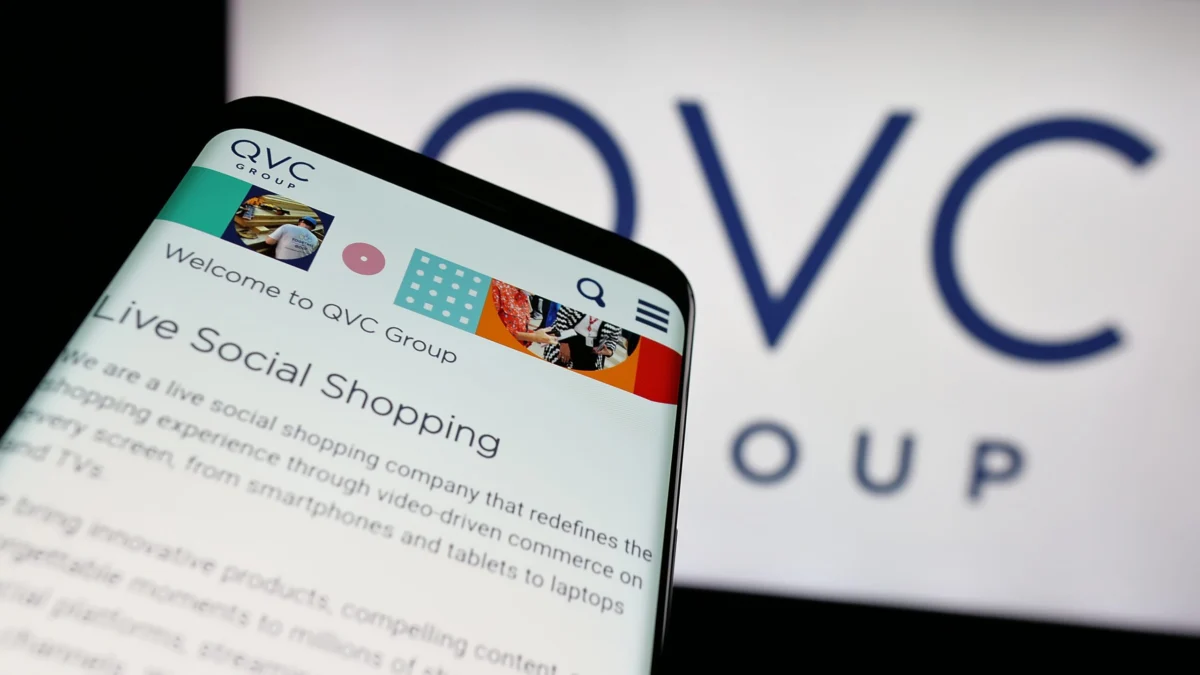
QVC Group, the parent company of iconic television shopping networks QVC and HSN, as well as Cornerstone Brands, officially announced its filing for Chapter 11 bankruptcy protection on April 16, 2026. This significant move is underpinned by a comprehensive restructuring support agreement, designed to substantially reduce the company’s debt burden and fortify its financial standing for future operations. The company aims to emerge from this process as a leaner, more agile entity, poised for long-term growth and profitability as a leader in the evolving landscape of live social shopping across a multitude of platforms, including social media, streaming applications, e-commerce websites, physical stores, and its traditional television channels.
Crucially, QVC Group has emphasized that this financial restructuring is not anticipated to result in layoffs or furloughs for its dedicated workforce. Employees have been assured that their wages and benefits will continue to be paid without interruption throughout the restructuring period, signaling a commitment to maintaining operational continuity and employee morale during this transformative phase.
The bankruptcy filing follows a period of strategic adaptation for the company. Approximately one year prior to this announcement, QVC had made a notable foray into the fast-paced world of social commerce by launching 24/7 livestreaming on TikTok. This initiative was specifically designed to feature original content tailored for the TikTok platform, drawing from the established brand equity of QVC and HSN. Further underscoring its commitment to rebranding and modernizing its corporate identity, QVC Group underwent a significant rebranding in late 2024, transitioning from its former name, Qurate Retail Group. This strategic shift aimed to leverage the strong brand recognition associated with its television networks and online presence.
As a testament to its market presence, QVC Group is recognized as the 19th largest online retailer in North America, according to the comprehensive Top 2000 Database. This esteemed database meticulously tracks and ranks the leading e-commerce players in the region based on their annual online sales figures, highlighting QVC Group’s historical significance in the digital retail space.
The Mechanics of the Chapter 11 Filing and Restructuring Plan
The Chapter 11 bankruptcy petition was filed by QVC Group and several of its U.S. subsidiaries, including QVC, Inc., in the Southern District of Texas. It is important to note that the company’s international operations are not included in this U.S.-based bankruptcy proceedings, suggesting a targeted approach to financial rehabilitation.
In its official statement, QVC Group assured its stakeholders that all its brands are operating as usual. "The company continues to serve its millions of customers across all channels and platforms for QVC, HSN and Cornerstone Brands," the announcement read. This commitment to uninterrupted service extends across its diverse portfolio, aiming to reassure customers, partners, and suppliers.
Financially, QVC Group stated it possesses "ample liquidity" to support ongoing business operations throughout the restructuring process. This liquidity is also sufficient to meet the terms outlined in its restructuring agreement concerning payments to vendors, suppliers, and all other general unsecured creditors of the filing entities, who are expected to be paid in full for all goods and services rendered. This proactive approach to creditor compensation aims to mitigate disruption and foster confidence within the supply chain.
CEO’s Vision for "Live Social Shopping" Leadership
David Rawlinson, CEO of QVC Group, articulated a strong vision for the company’s future, asserting its unique positioning to "compete and win in live social shipping." He highlighted early momentum in the company’s turnaround efforts, which are guided by its "WIN Growth Strategy." Rawlinson elaborated on the strategic successes achieved over the past year, stating, "Over the past year, we have become a top seller on TikTok Shop U.S. while expanding our business on streaming and other platforms." This statement underscores a successful pivot towards newer, more dynamic sales channels.
Furthermore, Rawlinson detailed other key strategic moves that have contributed to the company’s revitalization. "We have consolidated our HSN and QVC operations, struck new deals with critical social and media partners, and rebalanced sourcing to account for the changing tariff environment," he explained. The consolidation of HSN and QVC operations likely aims to streamline overhead and operational efficiencies, while new partnerships with social and media entities are critical for expanding reach and engagement in the digital age. The rebalancing of sourcing in response to shifting tariff landscapes reflects a pragmatic approach to managing global supply chain complexities and costs.
Operational Continuity and Customer Assurance
QVC Group has been diligent in communicating that its on-air programming will continue without disruption. Customers can expect to shop the company’s brands as they always have, whether through broadcast television, streaming services, social media platforms, branded websites and apps, in-store purchases, or traditional catalogs. This multi-channel approach remains a cornerstone of QVC’s customer engagement strategy.
The company has also provided specific assurances regarding customer policies and payment mechanisms. Return policies and procedures will remain in place for all brands, ensuring a seamless customer experience for returns and exchanges. Similarly, all existing gift cards and store credits will continue to be honored, preventing any loss of value for customers. The physical retail locations of QVC Group will remain open, and its branded credit cards will continue to function normally, minimizing any perceived impact on day-to-day customer interactions.
A Look Back: The Path to Restructuring
The decision to file for Chapter 11 bankruptcy is often the culmination of prolonged financial pressures and strategic challenges. While the specific financial figures leading to this decision have not been fully detailed, several industry trends and QVC Group’s own recent history provide context. The retail landscape has been undergoing a profound transformation, with a marked shift in consumer behavior towards online and social commerce. Traditional models, even those with a strong legacy like QVC, have had to adapt rapidly to remain relevant.
The rebranding from Qurate Retail Group to QVC Group in late 2024 signaled a conscious effort to simplify its corporate identity and focus on the power of its core brands. This move was intended to capitalize on the established goodwill and recognition of QVC and HSN, while simultaneously signaling a forward-looking approach to retail. The push into 24/7 livestreaming on TikTok, which began around April 2025, represented a significant investment in emerging social commerce channels. While this initiative was aimed at capturing a younger demographic and tapping into the viral potential of platforms like TikTok, it also required substantial operational and content development resources.
The competitive environment for live social shopping is intense. Companies are vying for consumer attention and engagement through various interactive and entertainment-driven retail experiences. QVC Group’s investment in this area, while strategically sound, may have also contributed to increased operational costs and a need for significant technological upgrades. Furthermore, broader economic factors, such as inflation, supply chain disruptions, and shifts in consumer discretionary spending, can exert pressure on retail businesses.
The company’s position in the Top 2000 Database, while still significant, reflects the overall growth and dynamism of the e-commerce sector, where new players and innovative models are constantly emerging. The retail industry has seen a number of high-profile bankruptcies and restructurings in recent years, underscoring the challenges of navigating this evolving market.
Broader Implications and Industry Analysis
QVC Group’s Chapter 11 filing and its accompanying restructuring agreement carry several implications for the broader retail and media industries. For the television shopping channel model, it highlights the imperative to integrate seamlessly with digital and social platforms. The success of QVC’s "WIN Growth Strategy" will hinge on its ability to truly blend the curated, personality-driven appeal of its television hosts with the interactive, immediate nature of live social selling.
The company’s commitment to maintaining employee wages and benefits is a positive signal, particularly in an era where retail restructurings can often lead to significant workforce reductions. This approach suggests a belief in the long-term value of its human capital and a desire to retain experienced talent essential for its operational and creative endeavors.
The focus on "live social shopping" as the future of the business positions QVC Group within a rapidly expanding market segment. The success of platforms like TikTok Shop, Amazon Live, and various influencer-driven sales channels demonstrates a strong consumer appetite for engaging, real-time shopping experiences. QVC’s ability to leverage its existing content creation capabilities and established brand relationships will be critical in capturing a significant share of this market.
The inclusion of Cornerstone Brands under the QVC Group umbrella also suggests an integrated strategy for reaching diverse consumer segments. Cornerstone Brands encompasses a portfolio of home and apparel brands, offering QVC Group a broader reach beyond its traditional home goods and electronics focus. The effective integration and marketing of these diverse brands within the new operational framework will be a key determinant of future success.
The restructuring process itself will involve extensive negotiations with creditors and the court, aiming to finalize a plan of reorganization that satisfies all parties and allows the company to operate sustainably. The support agreement indicates a significant level of consensus among key stakeholders, which can expedite the approval process and reduce the uncertainty typically associated with bankruptcy proceedings.
Looking ahead, the ability of QVC Group to execute its "WIN Growth Strategy" effectively will depend on several factors. These include its capacity to innovate in content creation for live social platforms, its effectiveness in acquiring and retaining customers across multiple channels, its agility in managing its supply chain and operational costs, and its overall ability to adapt to the ever-changing dynamics of consumer behavior and technological advancements in retail. The company’s journey through Chapter 11 will be closely watched as a case study in how legacy retail models can navigate the complex and rapidly evolving world of modern commerce.

 Raul Delapena Setiawan
 Ammar Sabilarrohman