Iffa Jayyana

LinkedIn, the world’s leading professional networking platform, continues its trajectory of significant growth and evolving influence in 2026, solidifying its position as an indispensable tool for career development, B2B marketing, and talent acquisition. Latest statistics reveal a robust financial performance, a rapidly expanding global user base, and dynamic shifts in content consumption and advertising effectiveness, underscoring its strategic importance for professionals and businesses alike. The platform’s consistent innovation, coupled with its unique professional focus, has fostered an environment where meaningful connections translate into tangible business outcomes, making a deep understanding of its current landscape crucial for any stakeholder.
Financial Strength and Corporate Evolution
LinkedIn’s financial performance in 2025 and 2026 highlights its significant contribution to its parent company, Microsoft, and reflects a thriving ecosystem built on professional engagement and specialized services. The platform’s ability to consistently grow its revenue streams demonstrates its deep integration into the global professional economy.

Robust Revenue Growth Under Microsoft’s Umbrella
In 2025, LinkedIn generated an impressive $17.8 billion in revenue, specifically $17.812 billion, marking a substantial increase from $16.372 billion in 2024. This represents a year-over-year growth of approximately $1.4 billion. The upward trend continued into fiscal year 2026, with revenue reaching $19.8 billion. This consistent growth trajectory is further evidenced by Microsoft’s Q3 2026 earnings report, which noted a 12% year-over-year increase in LinkedIn’s revenue, signaling sustained market demand for its professional services.
A significant driver of this financial success is the platform’s diverse business lines, including its premium subscription offerings. LinkedIn Premium, for instance, surpassed $2 billion in annual revenue for the first time in Q2 2025. This milestone indicates a strong willingness among members to invest in enhanced visibility, advanced networking tools, and greater reach, affirming the perceived value of the platform’s paid features. The revenue streams are diversified, encompassing solutions for talent acquisition, marketing, sales, and learning, each contributing to the platform’s overall financial health and strategic importance within Microsoft’s portfolio.
Leadership Transition and Platform Longevity
The year 2026 also saw a significant leadership transition, with Daniel Shapero appointed as LinkedIn’s new CEO in April. Shapero, who previously served as the company’s Chief Operating Officer, brings a wealth of institutional knowledge, having been with LinkedIn since 2008. His appointment signals a continuation of the platform’s strategic vision under experienced leadership.

LinkedIn celebrated its 23rd anniversary in 2026, having officially launched on May 5, 2003, predating Facebook’s public launch by nine months. Founded by Reid Hoffman, the platform was acquired by Microsoft in 2016, a pivotal moment that significantly expanded its resources and integration capabilities. Ryan Roslansky skillfully led the company through its recent period of accelerated growth before Shapero assumed the CEO role.
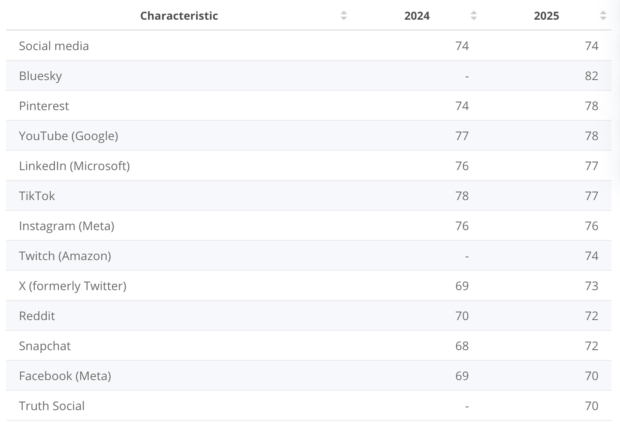
Beyond financial metrics, user satisfaction remains a critical indicator of platform health. LinkedIn achieved a customer satisfaction score of 77 out of 100 in the American Customer Satisfaction Index for 2025. This score notably surpasses the overall social media average of 74, and positions LinkedIn favorably against competitors such as Instagram, Reddit, Snapchat, Facebook, and X. This high level of satisfaction underscores the platform’s effectiveness in meeting the professional needs of its users, contributing to its strong retention and continued growth.
The Expanding Global Professional Network
LinkedIn’s core strength lies in its vast and highly engaged professional community. The latest demographic and membership figures for 2026 reveal a platform that is not only growing in scale but also diversifying its global reach and adapting to evolving workforce demographics.
Unprecedented Membership Milestones
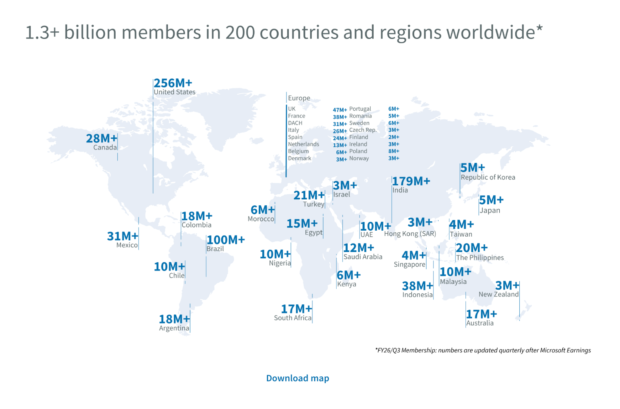
In 2026, LinkedIn boasts an impressive 1.4 billion registered members worldwide, solidifying its status as the largest professional networking platform globally. This milestone represents a significant expansion, building on the achievement of surpassing 1 billion members in late 2023. The sheer scale of its membership base provides an unparalleled ecosystem for professional interaction and opportunity.
Beyond mere registration numbers, the platform demonstrates vigorous activity, attracting 2.1 billion visits every month as of October 2026. This metric offers a more accurate reflection of active engagement, indicating a lively and consistently utilized professional network rather than just a dormant repository of profiles.
Demographic Shifts and Targeted Engagement
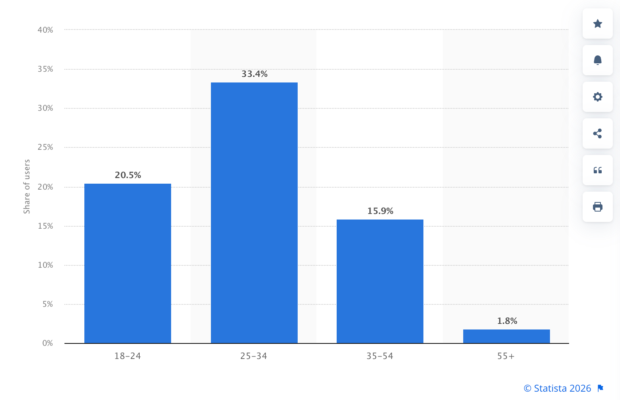
Understanding the composition of LinkedIn’s user base is crucial for effective engagement. As of October 2025, the platform’s largest audience segment worldwide comprises 25- to 34-year-olds, accounting for 33.4% of all users. This demographic primarily encompasses older Gen Z and younger Millennials, a cohort that is increasingly influential in the global workforce and decision-making processes.
Further highlighting this generational shift, Gen Z is recognized as the fastest-growing demographic on LinkedIn. This aligns with broader labor market trends, as Gen Z already constitutes 27% of the global workforce and is projected to become the largest working generation by 2035. This demographic’s increasing presence necessitates tailored content and engagement strategies from businesses and recruiters.
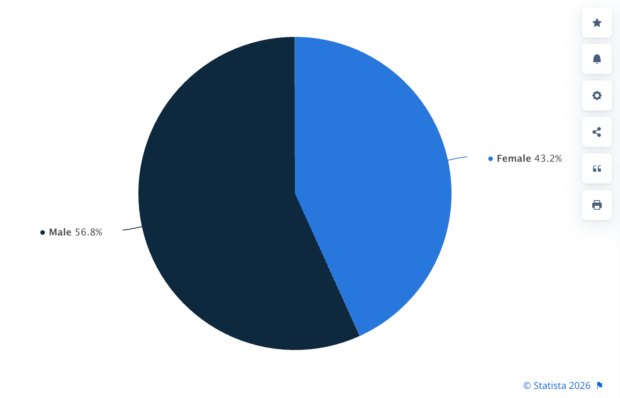
Regarding gender distribution, 56.8% of LinkedIn users identify as men, while 43.2% identify as women. It is important to note that LinkedIn’s reporting currently limits gender identification to these two categories. While men currently outnumber women overall, the specific gender makeup can vary significantly depending on particular industries, regions, or professional communities within the platform, requiring targeted research for specific campaigns.
A defining characteristic of LinkedIn’s audience is its high level of educational attainment. More than half of its users, specifically 53% of Americans with a bachelor’s degree or higher, utilize the platform. This contrasts sharply with only 10% of those with a high school education or less. This strong skew towards college-educated professionals is a valuable signal for B2B marketers, indicating an audience more likely to occupy knowledge-work roles, where budget approvals and vendor research are common activities.
International Footprint and Localization
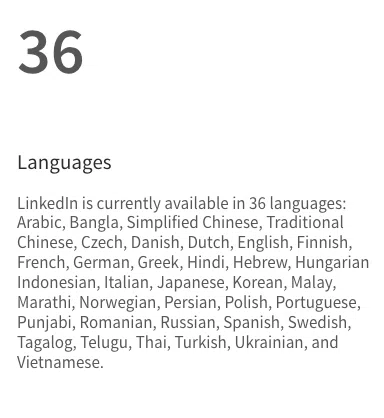
LinkedIn’s global reach is truly expansive, with over 78% of its users residing outside the United States. The platform’s members span more than 200 countries and regions worldwide, facilitated by its availability in 36 languages and a global operational footprint of over 15,500 full-time employees across 36 offices.
The distribution of members by region highlights its international success:
- Asia Pacific: 260 million+ members
- Europe, Middle East, and Africa (EMEA): 240 million+ members
- Latin America (LATAM): 150 million+ members
- North America (NA): 220 million+ members
The United States remains a dominant market with 300 million members as of October 2026, accounting for 34% of all LinkedIn web traffic. However, India follows as a significant market, contributing 8.25% of web traffic. Brazil has emerged as a key growth market, reaching 100 million LinkedIn members in June 2026, making it one of the platform’s three largest markets by member count, behind only the United States and India. Brazilian users demonstrated high engagement, creating over 11 million LinkedIn posts in Q1 2026. Canada also represents a substantial user base, with 29.2 million LinkedIn users as of February 2026, where the 25-34 age group also constitutes the largest segment at 41.1%.
Driving Engagement: Content, Video, and Best Practices
User engagement is the lifeblood of any social platform, and LinkedIn’s metrics for 2026 reveal a highly active and interactive professional community. The way users consume and create content, particularly the burgeoning role of video, dictates effective strategies for brands and individuals.
Real-time Activity and Connection Dynamics
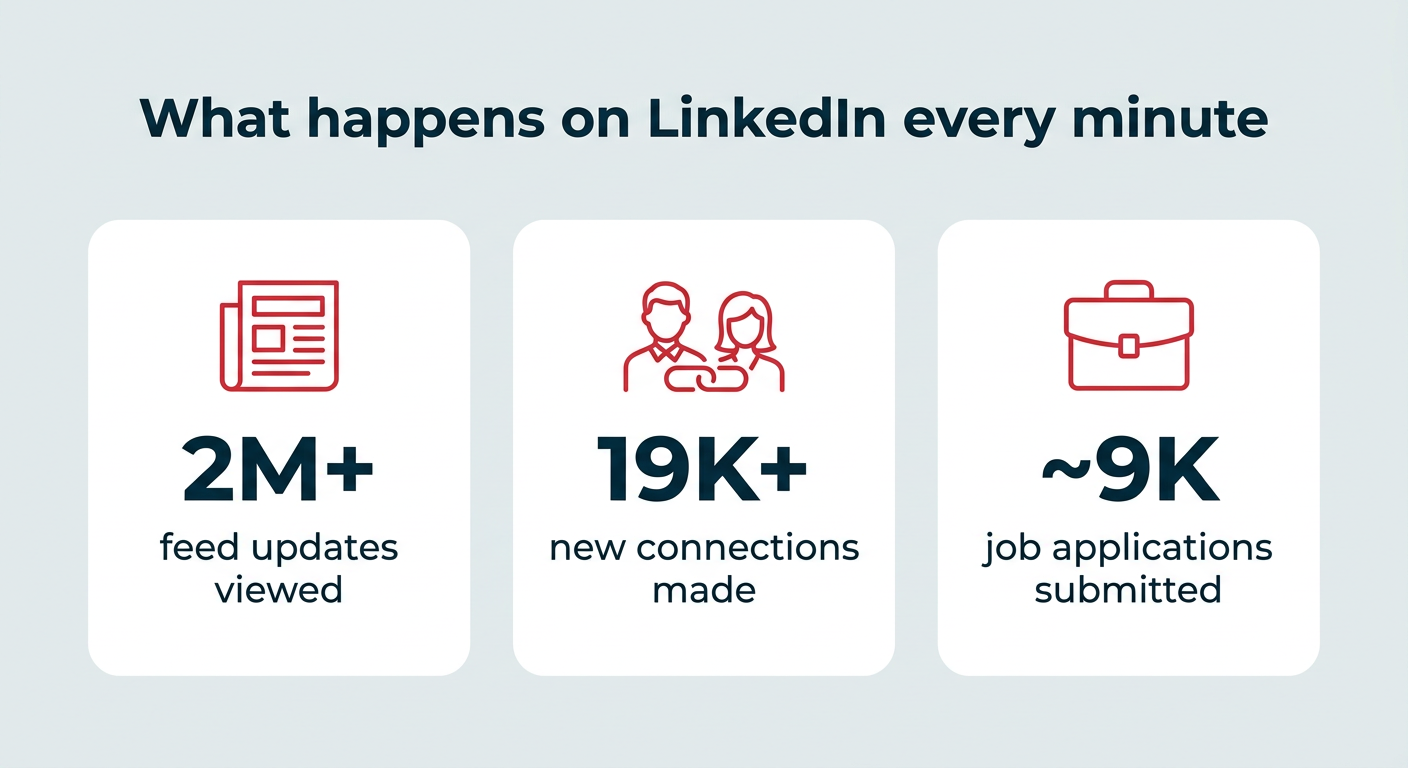
The platform buzzes with continuous activity, reinforcing its utility as a dynamic professional hub. More than 2 million feed updates are viewed every minute, showcasing the constant flow of information, thought leadership, career news, and collaborative content. This high volume of consumption underscores the need for compelling and relevant content to capture attention.
Networking remains a primary function, with over 19,000 connections made on LinkedIn every minute. This translates to more than 1 million new professional connections every hour, illustrating the platform’s foundational role in expanding professional networks globally. For job seekers, the platform is a critical resource, with approximately 9,000 job applications submitted every minute. This staggering figure—equating to about 540,000 applications per hour and nearly 13 million per day—underscores LinkedIn’s unparalleled importance in the recruitment landscape.
Strategic Content Approaches
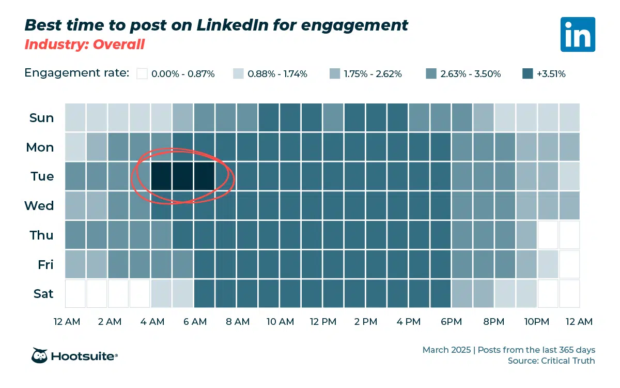
Optimizing content delivery is key to maximizing engagement. Hootsuite data indicates that the best time to post on LinkedIn is between 4 AM and 6 AM on Tuesdays and Wednesdays, with engagement dropping significantly after 7 PM and on weekends. This suggests that early morning weekday posts capture professionals preparing for their day or commuting, before their workday fully consumes their attention.
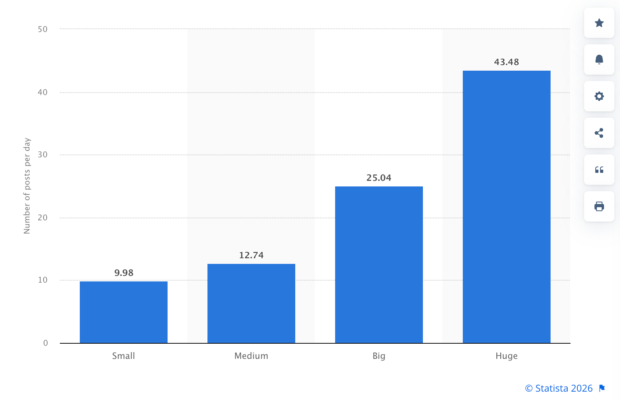
Posting frequency varies by account size, but consistency is a common thread. Accounts with over 100,000 followers posted an average of 43 times per month as of January 2025, while smaller accounts (up to 1,000 followers) averaged 9.98 posts per month. For smaller brands, the emphasis is less on matching the volume of larger entities and more on establishing a consistent cadence, such as two to three high-quality posts per week. Companies that post at least once a week see a 2x lift in engagement with their content, reinforcing the value of a regular posting schedule.
The content mix also plays a crucial role. A widely adopted guideline, the "3/2/1 rule," suggests that for every six posts, three should be industry-relevant content, two should be "proud" posts celebrating team or company achievements, and one can be promotional. This framework helps maintain a balanced feed that provides value without becoming overly sales-oriented.
Executive visibility is increasingly important, with CEO posting on LinkedIn increasing by 52% over the past two years. Brands that integrate executive thought leadership with robust employee advocacy programs can significantly amplify their organic reach and influence. Visual content consistently outperforms text-only posts; LinkedIn posts featuring images see 2x higher comment rates. Custom image collages, typically comprising three to four images in a single post, are particularly effective in providing rich visual context and enhancing engagement.
The Ascendance of Video
Video has undeniably become a central growth engine for LinkedIn, both for organic engagement and paid advertising. The platform reports significant momentum in video consumption and creation, signaling a shift in how professionals interact with content.
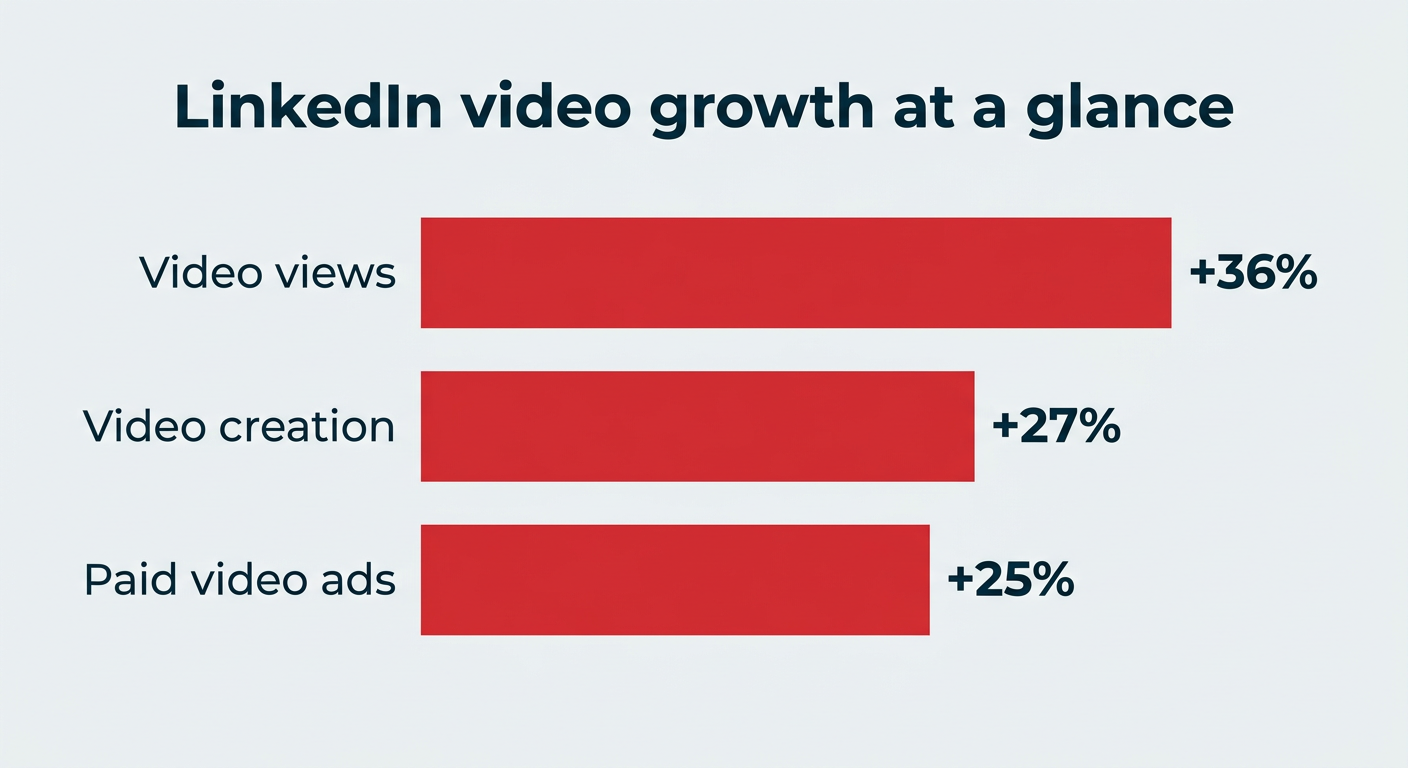
In 2025, LinkedIn video views surged by 36%, while video creation increased by 27%. This disparity between demand and supply suggests a fertile ground for content creators. The trend continued into 2026, with LinkedIn reporting its third consecutive quarter of double-digit growth in video uploads in Q1. This indicates a growing adoption of video as a primary communication medium among professionals.
The effectiveness of video extends to advertising, with paid video ads growing 25% year-over-year. This growth is attributed to factors like increased creator partnerships and improved measurement tools for advertisers. For brands, this means that video ads, live video, and other visual-first formats are becoming essential components of a comprehensive LinkedIn marketing strategy.
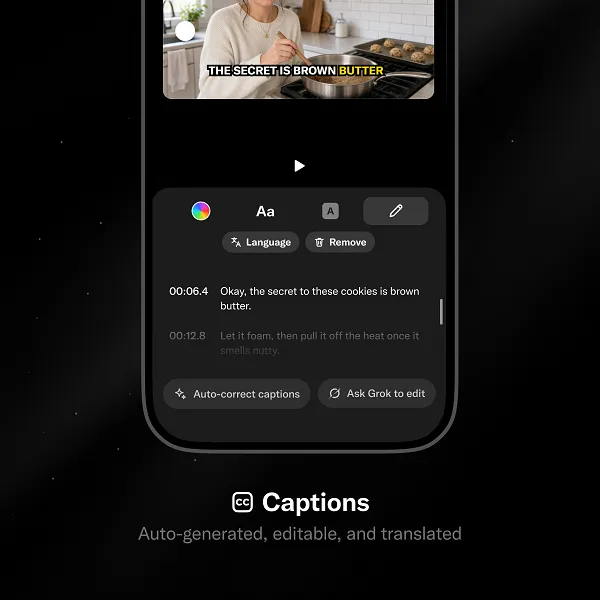
Crucially, video content garners 5x more engagement on LinkedIn compared to other formats. Effective video types include interviews, tutorials, behind-the-scenes glimpses, event recaps, and client testimonials. It is paramount to remember that LinkedIn users often consume content between meetings or during brief breaks, so videos should be clear, concise, and easily understandable even without sound, leveraging subtitles or on-screen text.
The Powerhouse for B2B Marketing and Advertising
LinkedIn’s unique audience and professional context make it an unparalleled platform for B2B marketing and advertising. The latest statistics highlight its effectiveness in driving qualified leads and impressive returns on investment, albeit with distinct cost structures compared to other digital channels.
Advertising Performance and ROI
In 2026, the average cost per click (CPC) for LinkedIn ads is approximately $6.93 USD (€5.98). While this figure is higher than most other paid social channels, the premium cost is consistently justified by the superior quality and professional relevance of the audience reached.
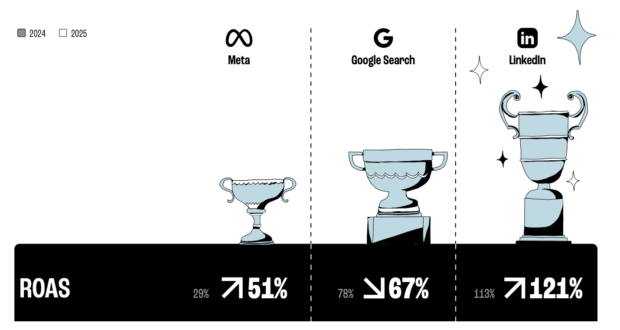
This value proposition is strongly supported by performance metrics. Dreamdata’s 2026 LinkedIn Ads B2B Benchmark Report found that LinkedIn ads delivered an impressive 121% Return on Ad Spend (ROAS) across its B2B customer data. This performance significantly outpaces other major platforms, with Google Search yielding 67% ROAS and Meta (Facebook/Instagram) at 51%. The higher CPC on LinkedIn is offset by a more qualified audience, leading to better conversion rates and ultimately, a higher ROAS for B2B marketers.
The platform’s advertising reach continues to expand, with LinkedIn ads capable of reaching 1.55 billion people worldwide as of October 2026. This represents a substantial 16.6% year-over-year growth, adding 220 million people to its potential ad audience. This expanding reach, combined with its precise targeting capabilities, makes it an increasingly attractive channel.
Reflecting this effectiveness, LinkedIn ad budgets saw a remarkable 31.7% year-over-year increase between Q3 2024 and Q3 2025, according to Factors.ai benchmark data from over 100 B2B companies. In contrast, Google ad spending grew by only 6% during the same period, underscoring the growing confidence marketers have in LinkedIn’s value.
There’s also a noticeable shift in campaign objectives. The share of LinkedIn campaigns focused on brand awareness or engagement nearly doubled year-over-year, rising from 17.5% in Q3 2024 to 31.3% in Q3 2025. This trend aligns with broader social media strategies, where B2B marketers are increasingly utilizing LinkedIn for top-of-funnel activities beyond immediate lead generation.
Reaching Decision-Makers and Influencing Purchase Intent
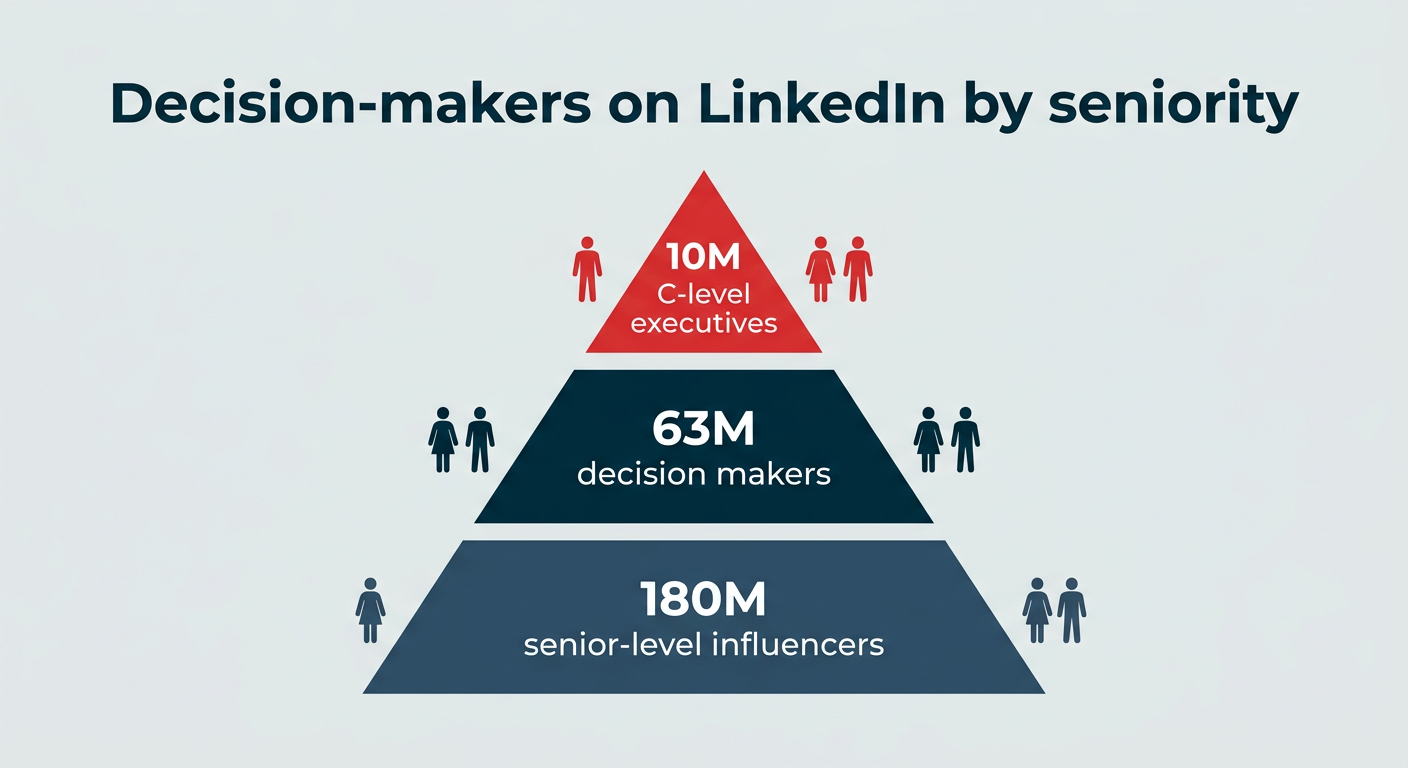
LinkedIn’s unique targeting capabilities allow businesses to directly engage with key decision-makers. The platform hosts an astounding 10 million C-level executives, alongside 63 million decision-makers and 180 million senior-level influencers. This direct access to individuals with buying power makes LinkedIn an indispensable channel for B2B sales and marketing efforts.
Indeed, LinkedIn was ranked the #1 platform for influencing B2B decision-makers, a testament to its environment conducive to professional dialogue and trust-building. This is further supported by the fact that 76% of B2B marketers identify LinkedIn as one of their most effective channels for thought leadership, surpassing email newsletters and webinars.
The platform’s ability to generate high-quality leads is also well-documented, with 40% of B2B marketers reporting that LinkedIn drives superior leads. By leveraging professional demographic data such as job title, company, industry, and seniority, marketers can craft highly targeted campaigns. A strong social selling approach, often supported by tools like Sales Navigator, enables sales teams to identify and prioritize accounts and decision-makers most likely to convert.
The impact of LinkedIn ad exposure extends to purchase intent, with brands observing a 33% increase in purchase intent among users who engage with their ads. This is further amplified by the fact that LinkedIn members possess 2x the buying power of the average online audience, making them a highly desirable demographic for businesses.
While the global ad audience for LinkedIn skews slightly male (57.0% male, 43.0% female as of October 2026), its overall effectiveness remains robust. However, B2B marketing on LinkedIn often involves a longer sales cycle. Dreamdata’s 2026 benchmark report indicated that the average time from a first LinkedIn Ads impression to revenue is 281 days. This extended attribution window necessitates a long-term strategic approach to budgets and ROI tracking, recognizing that early awareness nurtured on LinkedIn can precede deal closures by several months. Consequently, 42% of companies, and even 49% of small to medium businesses, now incorporate LinkedIn into their marketing mix, underscoring its widespread adoption and perceived value.
Recruitment, Talent Development, and Trust
Beyond marketing and sales, LinkedIn’s foundational role in recruitment and career development remains pivotal. Its commitment to platform integrity through verification further enhances its value as a trusted professional environment.
A Hub for Career Advancement and Company Presence
LinkedIn’s significance in the job market is undeniable, with an estimated 9,000 job applications submitted every minute. This constant flow of applications highlights its central role for job seekers across all industries and experience levels. The platform hosts more than 71 million companies and provides access to a directory of over 145,000 schools, offering comprehensive resources for career exploration and professional development. Users can leverage LinkedIn Learning for skill enhancement, find mentors, build professional relationships, and network with potential employers, creating a holistic ecosystem for career growth.
The Value of Verification
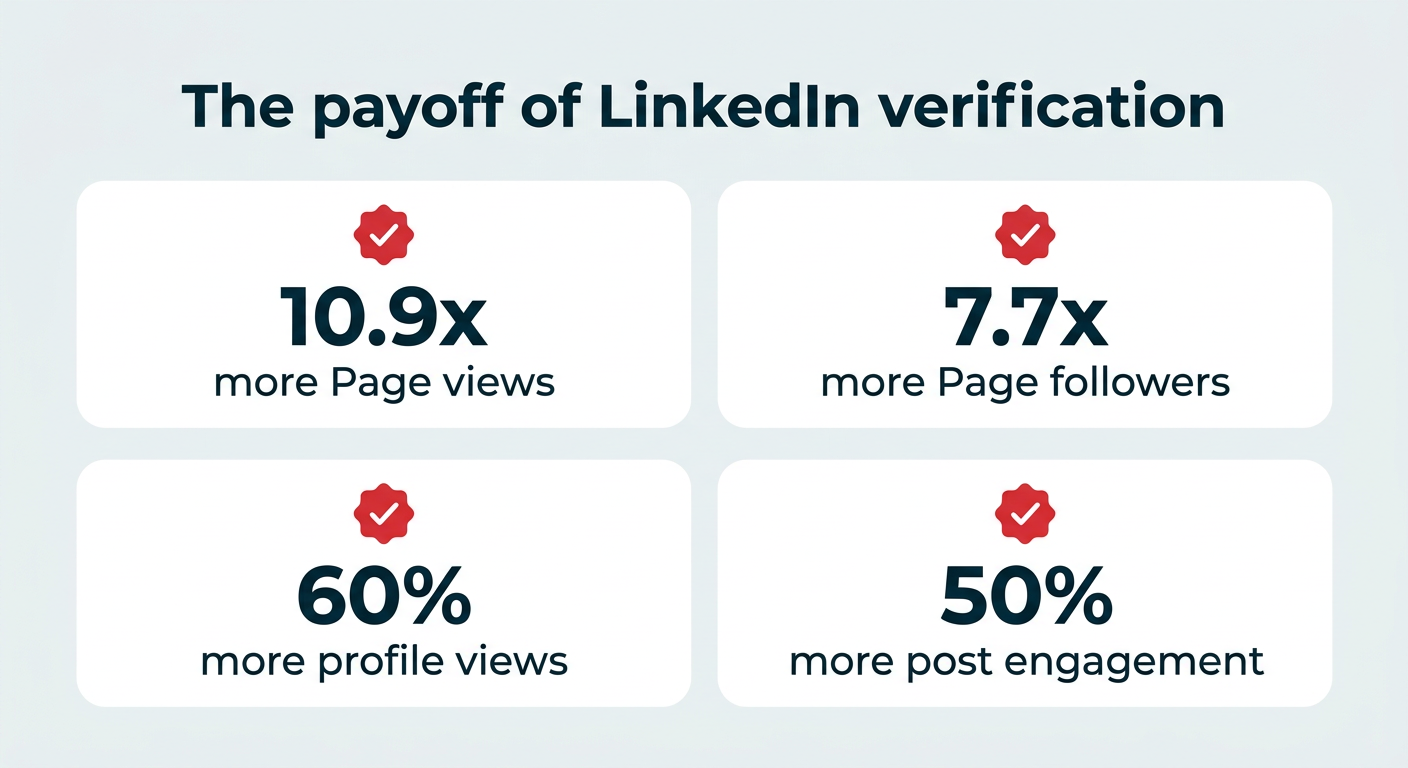
In an era where digital trust is paramount, LinkedIn’s verification initiatives have gained significant traction. As of December 2025, more than 100 million LinkedIn members are verified, a milestone achieved just over two years after the program’s inception. This verification process appears to yield tangible benefits for individual users, with verified members experiencing up to 60% more profile views and up to 50% more engagement on their posts.
The advantages extend to organizational entities as well. Verified LinkedIn Pages achieve 10.9x more views and 7.7x more followers than their unverified counterparts. These statistics strongly suggest that investing in company page verification is a worthwhile endeavor for enhancing credibility, employer branding, and overall visibility on the platform.
User Penetration in Key Markets
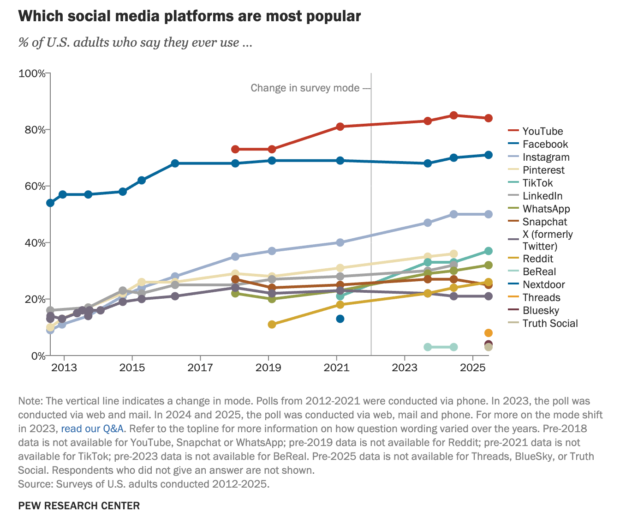
In the United States, 35% of adults actively use LinkedIn. While this places it below giants like YouTube, Facebook, and Instagram in terms of overall penetration, it positions LinkedIn above platforms such as Pinterest, Threads, and Bluesky. This specific user base, characterized by its professional focus and higher buying power, makes LinkedIn a strategically distinct and valuable platform for reaching specific segments of the adult population.
Strategic Imperatives for the Future
The 2026 LinkedIn statistics paint a clear picture of a platform that is not merely sustaining but actively accelerating its growth and influence. Its continued financial success, driven by diverse revenue streams and high user satisfaction, provides a stable foundation. The expanding global membership, particularly the rapid growth of Gen Z and younger Millennials, signals a dynamic shift in the professional landscape, necessitating adaptive content and engagement strategies.
For businesses, LinkedIn remains an indispensable tool. Its unparalleled ability to target C-level executives and decision-makers, combined with a proven high ROAS for B2B advertising, positions it as a powerhouse for marketing and sales. The ascendancy of video content and the tangible benefits of verification underscore the importance of visual engagement and trust-building. In the realm of talent acquisition, LinkedIn continues to be the primary nexus for job seekers and recruiters, facilitating millions of connections and applications daily.
As the professional world continues to evolve, LinkedIn’s strategic imperatives will revolve around deepening engagement, refining its B2B offerings, and maintaining its reputation as a trusted, high-quality professional network. For any organization or individual looking to thrive in this interconnected era, understanding and strategically leveraging LinkedIn’s capabilities in 2026 is not merely advantageous, but essential.

 Reynand Wu

 Evan Lee Salim