Asro
Etsy’s updated Terms of Use, published on October 26, 2026, introduce a significant shift for its sellers: beginning December 16, 2026, Etsy and its partners will have the ability to train artificial intelligence on seller content. This development has prompted many creators to re-evaluate their online selling strategies. In this comprehensive comparison, Big Cartel emerges as a compelling alternative for artists and makers seeking greater control over their brand and content, while Etsy retains its position as a powerful marketplace for discovering buyers. This analysis will dissect both platforms across key areas, offering a nuanced perspective for sellers navigating this evolving digital landscape.
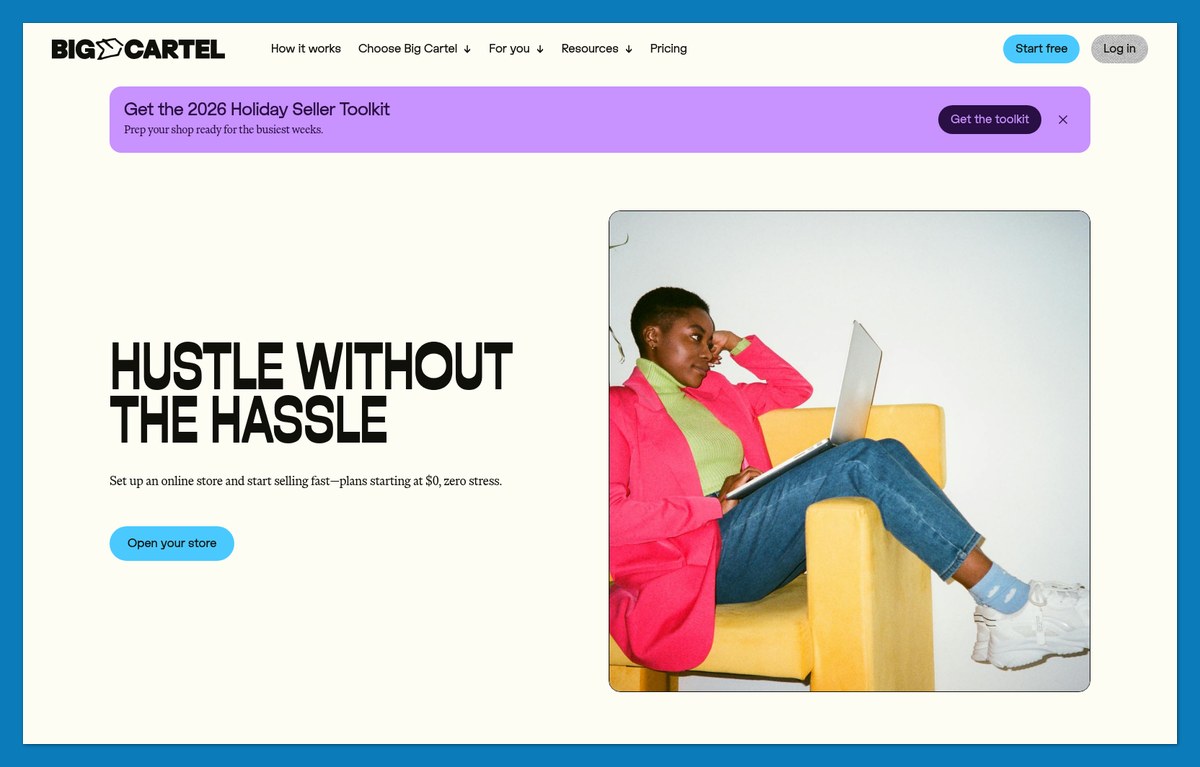
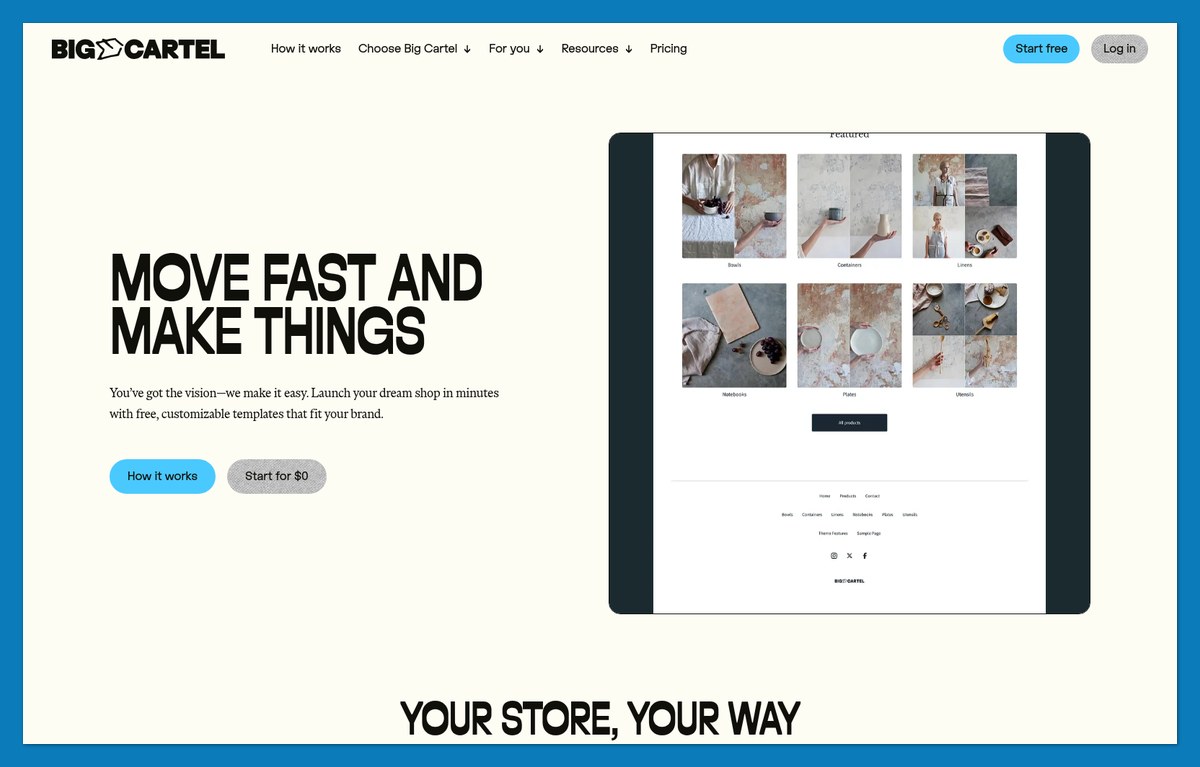
The core distinction between Big Cartel and Etsy lies in their fundamental business models. Big Cartel provides users with the infrastructure to build and manage their own standalone online stores, empowering them to cultivate a distinct brand identity. In contrast, Etsy operates as a vast marketplace, connecting sellers with a pre-existing customer base actively searching for unique and handmade goods. This inherent difference shapes the user experience, the cost structure, and the potential for growth on each platform.
A Comprehensive Comparison of Big Cartel and Etsy
| Feature | Big Cartel | Etsy |
|---|---|---|
| Overall Rating | 4.2/5 | 4.1/5 |
| Platform Type | Standalone online store; no integrated marketplace | Marketplace with integrated seller shops |
| Starting Price | $0/month (Gold plan, 5 products); Paid plans from $15/month | $0/month (Standard shop); Listing fees apply |
| Fees Per Sale | 0% platform fees; Payment processor fees apply (e.g., Stripe, PayPal) | 6.5% transaction fee; 3% + $0.25 processing fee (US); Offsite Ads fees apply |
| Monthly Cost ($500 Sales) | ~$35.50 (Platinum plan with Stripe) | ~$56.50 – $64.00 (Standard plan, depending on Offsite Ads) |
| AI Training Clause | Purpose-limited license; AI Shield available | Content can be used for AI/ML training from Dec 16, 2026; no general US opt-out |
| Built-in Traffic | None; sellers must drive their own traffic | 87.5 million active buyers (as of Q3 2026) |
| Product Limit | 5 (Gold); 50 (Platinum); 500 (Diamond) | No product limit |
| Free Plan/Trial | Free Gold plan; 7-day free trial of Platinum | Free Standard shop; no monthly fee |
| Pros | 0% transaction fees, custom domains (paid plans), brand ownership, AI Shield, 24/7 human support (claimed) | Access to active buyers, no monthly fees, no product caps, integrated payments |
| Cons | No marketplace traffic, product limits, POD apps require paid plans | Fees on every sale, AI training clause, mandatory Offsite Ads (>$10k sales), limited branding |
Understanding the Shift: Etsy’s AI Policy and Seller Concerns
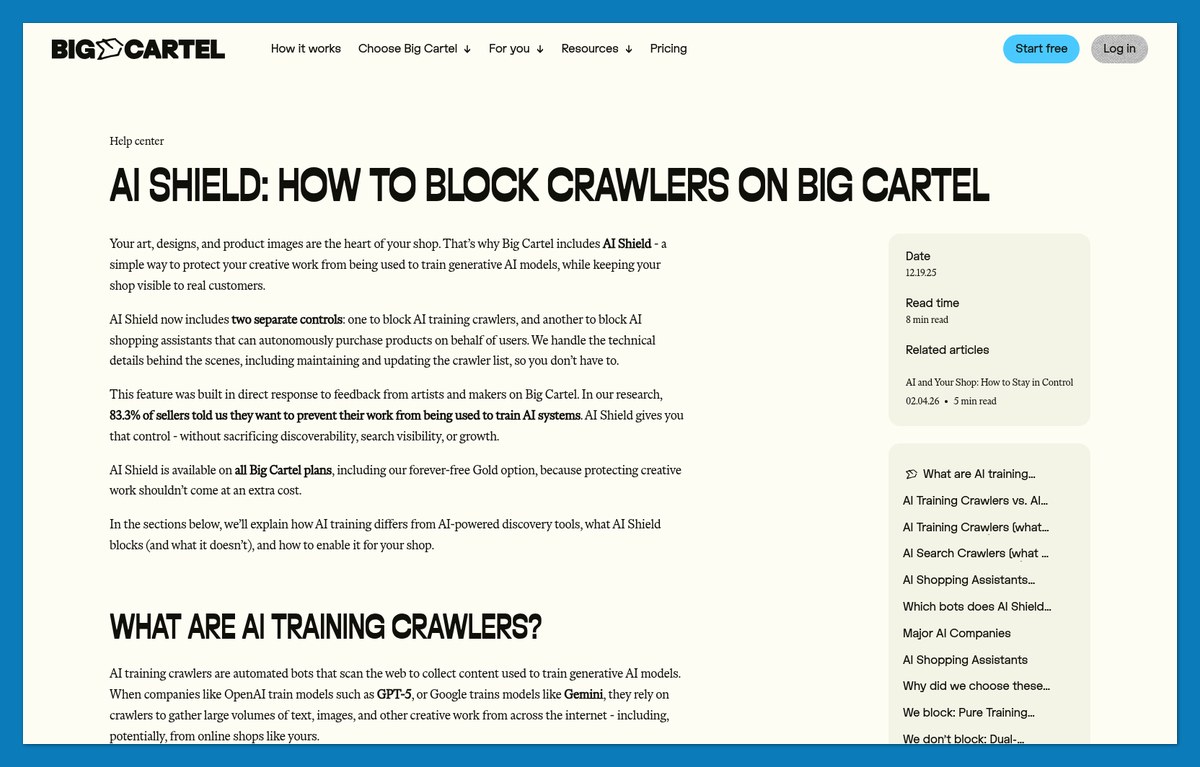
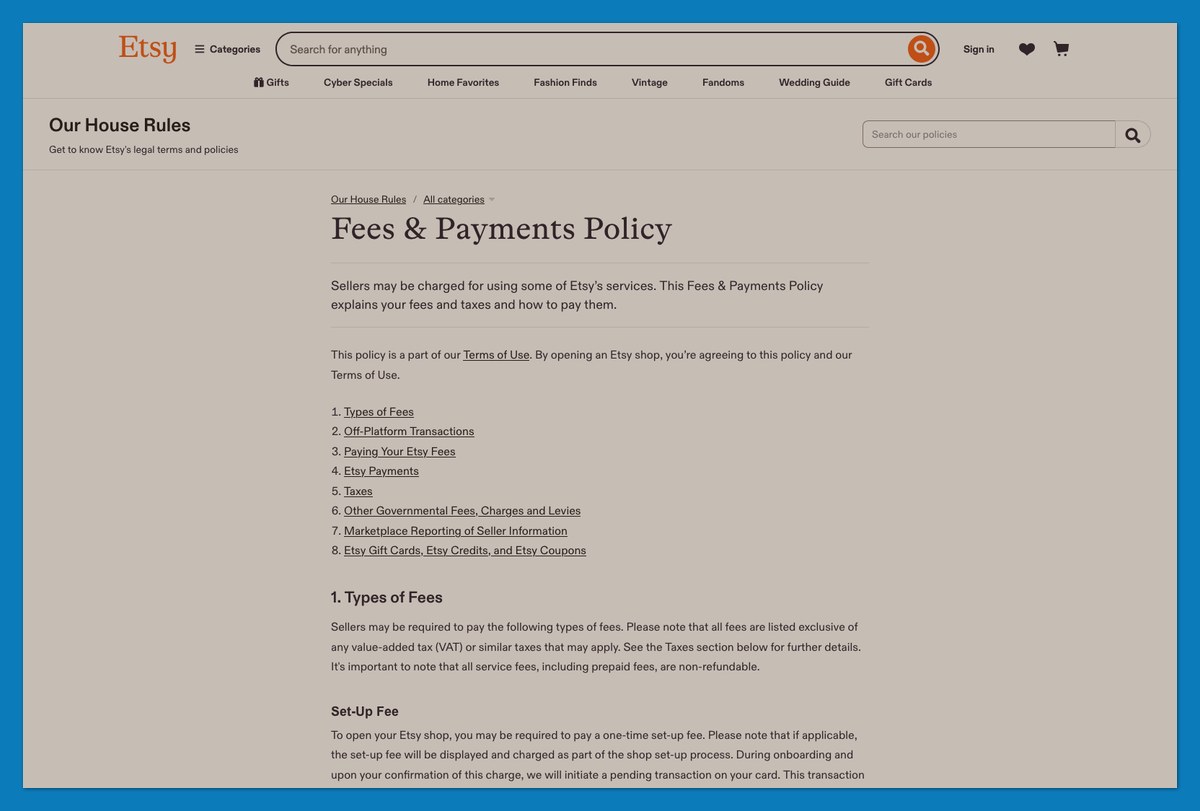
The crux of the current discourse surrounding Etsy lies in its revised Terms of Use and Privacy Policy, which took effect on December 16, 2026. The updated content license explicitly grants Etsy and its partners the right to utilize seller content for the development, training, and improvement of AI and machine learning technologies. This clause has ignited significant concern among creators who fear their intellectual property and artistic creations could be used to train AI models that might eventually compete with them or devalue their work.
While Etsy’s VP of Customer Operations stated in a November 16, 2026, community post that the company "do[es] not use your content to train AI models designed to copy your original work or replace your creativity," the broad language of the updated terms suggests a wider scope of application. The existing license, already described as "non-exclusive, worldwide, royalty-free, irrevocable, sub-licensable, perpetual," has further solidified Etsy’s extensive rights over uploaded material. The lack of a clear, general opt-out mechanism for US sellers has amplified anxieties, leading a notable segment of the seller community to explore alternative platforms. Publicly tracked data from November 14-23, 2026, indicated that of 353 sellers who announced their departure from Etsy, at least nine specifically named Big Cartel as their destination.
1. Content Control and AI Terms: Big Cartel Takes the Lead
In this critical area, Big Cartel emerges as the preferred choice for sellers prioritizing control over their content. While neither platform offers an absolute guarantee against AI training, Big Cartel’s approach provides a more reassuring framework. Its "purpose-limited license" lacks explicit AI training language, and the platform offers an "AI Shield" feature. This shield, though off by default and requiring activation, is designed to block ten specific AI training crawlers. It’s crucial to note that AI Shield operates on a robots.txt basis, meaning it relies on the cooperation of the bots it seeks to block and does not offer a foolproof solution against all AI data collection. Furthermore, it does not impact Big Cartel’s own internal license for service provision.
Etsy’s new clause, however, is more direct and permissive regarding AI training. The absence of a readily accessible general opt-out for US sellers places the onus on individual creators to either accept these terms or seek alternative solutions. While Etsy has suggested that EU and UK sellers may possess additional objection rights concerning personal data, this distinction leaves many US-based artists in a precarious position.
2. Pricing and Fees: Big Cartel’s Cost-Effectiveness
For sellers concerned about maximizing their profit margins, Big Cartel presents a more financially advantageous option, particularly as sales volume increases. The platform charges no listing or transaction fees. The primary costs are associated with the chosen plan (Gold, Platinum, or Diamond) and the payment processor fees. For a hypothetical seller generating $500 in monthly sales (approximately 20 orders), the cost on Big Cartel’s Platinum plan, combined with Stripe processing fees, amounts to around $35.50.

Etsy, in contrast, incurs a more significant portion of sales revenue. For the same $500 in sales, a seller on Etsy Standard would face transaction fees, payment processing fees, and potentially Offsite Ads fees, totaling approximately $56.50 to $64.00. This difference of over $20 per month can accumulate substantially over time. While Etsy’s no-monthly-fee Standard plan can be cheaper for very low sales volumes (below nine $25 orders), Big Cartel’s paid plans quickly become more economical as businesses scale. The Platinum plan, for instance, pays for itself from the ninth order onwards, making it a more sustainable choice for growing ventures.
3. Finding Customers: Etsy’s Marketplace Advantage
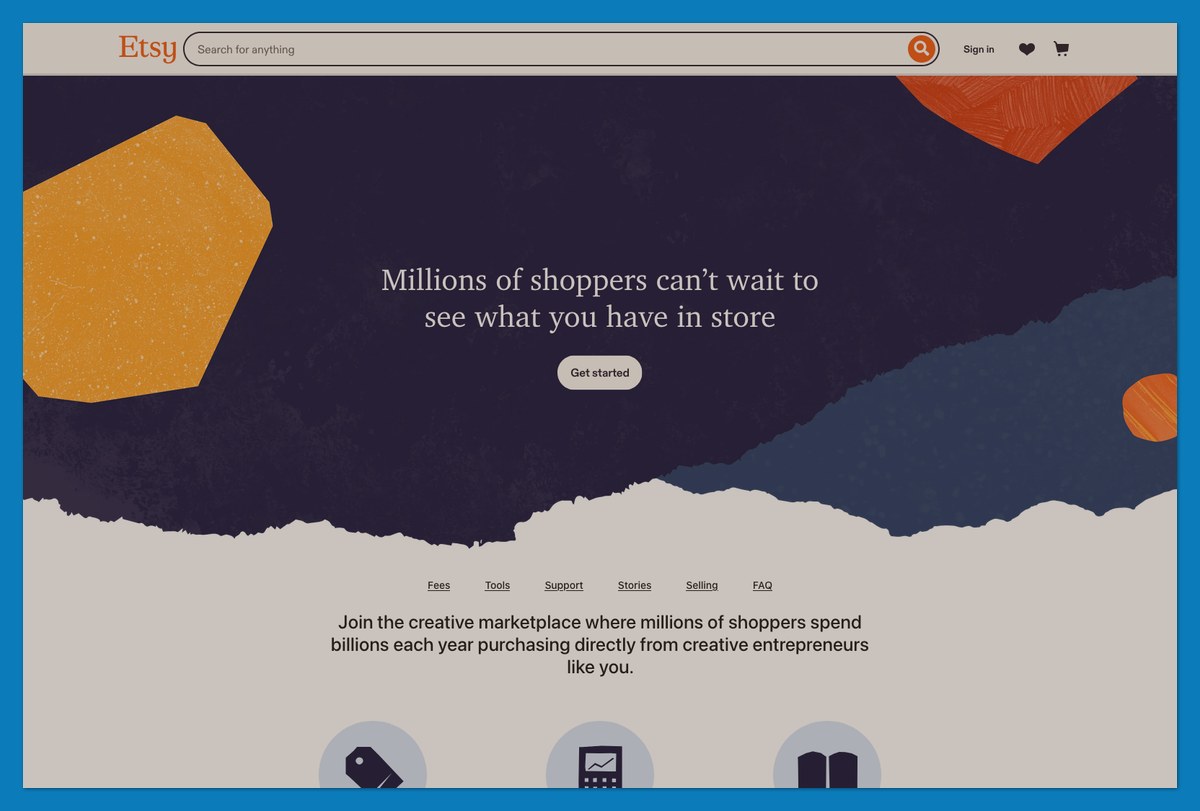
Where Etsy unequivocally shines is in its ability to connect sellers with a vast, built-in audience. As of the third quarter of 2026, Etsy boasted 87.5 million active buyers. This immense marketplace provides unparalleled visibility for new and established sellers alike, offering a readily available pool of potential customers actively seeking unique products. For creators who are just beginning their e-commerce journey and lack an established following, Etsy offers a crucial stepping stone to test the market and gain initial traction.
Big Cartel, by its very nature, does not offer this marketplace advantage. Sellers on Big Cartel are entirely responsible for driving their own traffic through marketing efforts, social media engagement, SEO optimization, and other promotional strategies. While this provides greater control over brand narrative and customer relationships, it requires a proactive and often resource-intensive approach to customer acquisition. For those who have already cultivated a dedicated audience or are adept at digital marketing, Big Cartel’s model can be highly effective. However, for those relying on passive discovery, Etsy remains the undisputed leader.
4. Branding, Design, and Customer Ownership: Big Cartel’s Strengths
Big Cartel offers a significantly higher degree of control over branding and design, enabling sellers to create a unique and memorable online presence. Paid plans include the ability to use a custom domain, allowing businesses to establish a professional web address that reflects their brand identity. Furthermore, Big Cartel provides customizable templates and access to theme code, granting greater flexibility in store design. This empowers sellers to craft an aesthetic that truly represents their brand and resonates with their target audience.
Crucially, Big Cartel fosters direct customer ownership. When a customer purchases from a Big Cartel store, the business builds a direct relationship with that buyer. This facilitates the growth of a customer email list, enabling direct marketing and nurturing of loyal clientele. Etsy, conversely, operates within its own branded environment. While sellers can customize their shop pages to some extent, the overall user experience remains within Etsy’s framework. Customer data is primarily managed by Etsy, and direct marketing efforts are subject to Etsy’s policies. In essence, Big Cartel provides a foundation for building an independent brand, whereas Etsy offers a space within a larger ecosystem.
5. Catalog Size and Print-on-Demand Capabilities: Etsy’s Edge for Large Inventories
For sellers with extensive product catalogs or those heavily involved in print-on-demand (POD) services, Etsy offers a more accommodating environment. Etsy has no product limit, allowing businesses to list as many items as they wish without facing platform-imposed restrictions. Furthermore, POD services like Printful and Printify integrate seamlessly with Etsy’s Standard shop, enabling creators to offer a wide range of customizable products.
Big Cartel, while offering POD integration on its paid plans, has product caps: 50 products on Platinum and 500 on Diamond. This can be a significant limitation for businesses with a large or rapidly expanding product line. While Big Cartel provides more built-in store management tools, such as abandoned cart recovery and scheduled product drops, these features are secondary to the fundamental limitations on catalog size for those who need it.
6. Ease of Use and Support: A Balanced Perspective
Both platforms offer distinct advantages in terms of ease of use and support. Etsy is renowned for its straightforward setup process. The absence of a standalone website to design means sellers can quickly get their products listed and begin selling. Its integrated payment system, Etsy Payments, simplifies transactions. However, Etsy’s customer support can be challenging to navigate, often relying on automated systems and extensive help centers, with human interaction sometimes proving difficult to secure.
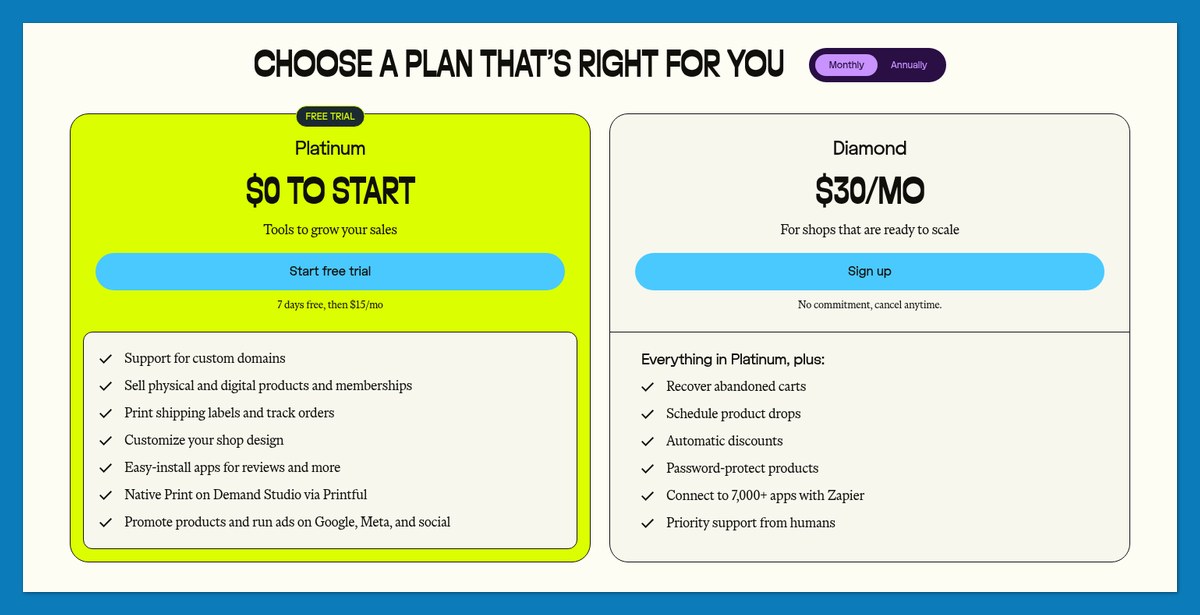
Big Cartel, while offering more customization options that might require a slight learning curve, claims to provide 24/7 human support. This commitment to direct, human assistance can be invaluable for sellers encountering technical issues or seeking guidance. The initial setup on Big Cartel, particularly on the free Gold plan, is also designed to be accessible, with many users reporting the ability to launch a store within a short timeframe. The need to set up a separate payment processor, however, adds a layer of complexity compared to Etsy’s all-in-one solution.
Migrating from Etsy to Big Cartel: A Strategic Move
For sellers who have decided to transition from Etsy to Big Cartel, a strategic approach is essential. The process involves several key steps designed to minimize disruption and ensure a smooth transfer of operations.
Step 1: Establish Your Big Cartel Presence and Activate AI Shield
Before deactivating your Etsy shop, set up your Big Cartel account. Choose a plan that accommodates your current product catalog, keeping in mind the product limits. Crucially, immediately activate the AI Shield feature in your shop settings. This proactive measure aims to block AI training bots from accessing your content from day one.
Step 2: Download Your Etsy Listings
Navigate to your Etsy Shop Manager, access Settings > Options, and locate the "Download Data" feature. Download your listings as a CSV file. This file will contain essential product information, including titles, descriptions, prices, and images. It is advisable to also download monthly statements and sold order history for your records.
Step 3: Import Products into Big Cartel
Once your Big Cartel store is set up, use the import function to upload the CSV file containing your Etsy listings. Big Cartel will provide an import report detailing any discrepancies or issues that need addressing. Carefully review this report and make necessary corrections to ensure all product details and images are accurately transferred.
Step 4: Transition Your Etsy Shop
After successfully importing and verifying your products on Big Cartel, you can choose to either put your Etsy shop into "Vacation Mode" or "Close Shop." Vacation Mode allows you to pause sales while you fulfill existing orders and ensures your shop and reviews remain accessible if you decide to return. Closing your shop is a more permanent action. It’s important to note that Etsy’s terms regarding content ownership may still apply even after closure.
Step 5: Inform Your Customers
Announce your move to your existing customer base through your social media channels, email lists, and any other platforms where you have cultivated an audience. Clearly communicate your new online home and provide a direct link to your live Big Cartel store. Building an email list from day one on your new platform is paramount for future customer engagement.
Conclusion: Making the Right Choice for Your Creative Business
The decision between Big Cartel and Etsy hinges on individual business priorities. For artists and makers who are deeply concerned about the implications of Etsy’s new AI policy, prioritize brand ownership, and seek greater control over their pricing and customer relationships, Big Cartel presents a compelling and increasingly attractive alternative. Its focus on empowering creators to build their own distinct online presence, coupled with its cost-effectiveness for growing businesses and proactive AI Shield feature, makes it a strong contender.
However, for sellers who rely heavily on marketplace discovery, have extensive product lines, or are just starting and need immediate access to a large customer base, Etsy remains an indispensable platform. Its vast audience, no product cap, and integrated payment system offer significant advantages.
Ultimately, the e-commerce landscape is dynamic. Sellers are encouraged to carefully evaluate their business goals, risk tolerance, and the evolving policies of these platforms. While Big Cartel offers a more independent and controlled environment, Etsy continues to provide unmatched market access. The optimal choice will depend on a creator’s unique circumstances and long-term vision.

 Reynand Wu
 Iffa Jayyana