Lina Hope
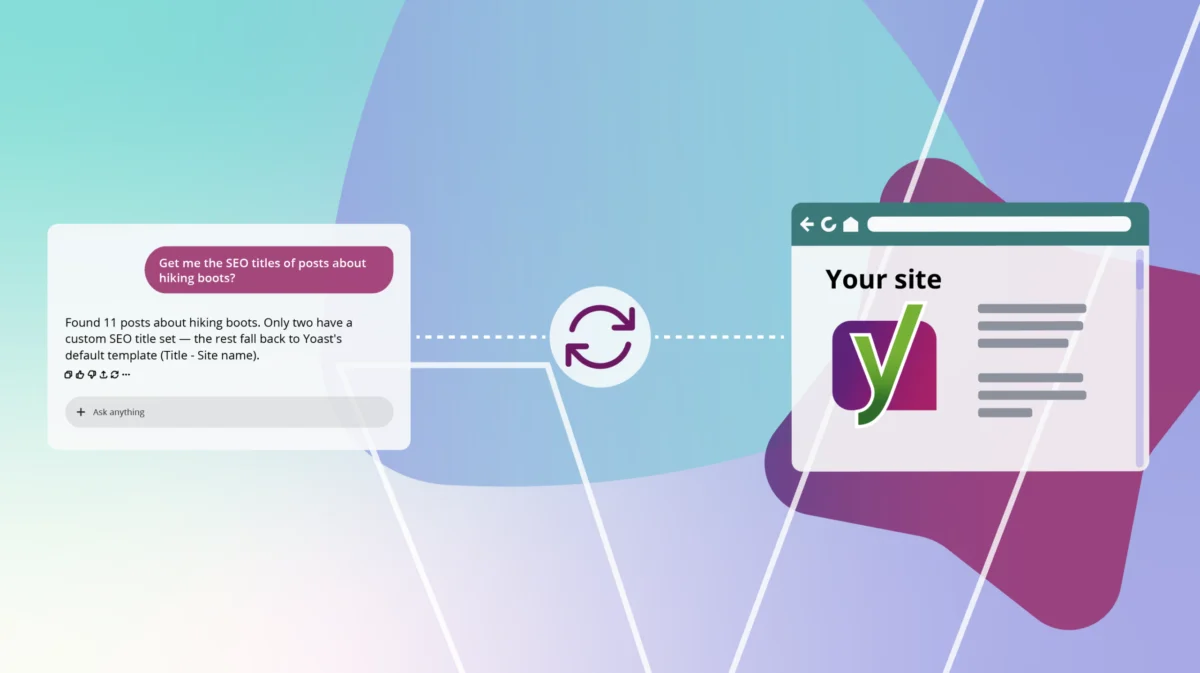
Yoast, a leading developer of search engine optimization (SEO) tools for WordPress, has unveiled a significant update to its flagship Yoast SEO plugin, introducing expanded artificial intelligence (AI) integration through its Yoast SEO Abilities feature and completing its annual cleanup of deprecated code. This dual-faceted release targets developers and professionals building on the Yoast SEO platform, promising enhanced efficiency in content management and a more streamlined, modern codebase. The central enhancement allows users to leverage their preferred AI tools to directly update critical SEO elements such as titles, meta descriptions, and social media previews, marking a substantial leap in automated content optimization. Concurrently, the comprehensive removal of code deprecated in Yoast SEO 26.1 or earlier underscores the company’s commitment to maintaining a lean, performant, and secure plugin architecture.
A New Era for Content Optimization: The Rise of AI in SEO
The digital landscape is in constant flux, with search engine algorithms evolving rapidly and the volume of online content escalating exponentially. In this environment, efficient and effective SEO is not merely an advantage but a necessity. Yoast SEO, which powers millions of websites worldwide, has long been at the forefront of democratizing SEO, making complex optimization accessible to a broad user base, from individual bloggers to large enterprises. The integration of AI into SEO workflows represents the next frontier in this evolution, offering unprecedented opportunities for automation and scale.
The latest update from Yoast SEO is a direct response to this burgeoning trend, building upon previous AI integrations that have progressively sophisticated the plugin’s capabilities. For webmasters, content creators, and SEO professionals, the ability to automate the generation and update of meta-information for thousands of pages can translate into massive time savings and improved consistency across digital assets. This move positions Yoast SEO not just as a tool for manual optimization but as a central hub for intelligent, AI-driven content governance.
Expanding the Horizon of AI-Powered SEO
The most prominent feature of this release is the significant expansion of Yoast SEO Abilities, a framework designed to allow external AI tools to interact programmatically with the plugin’s data and settings. This integration is crucial for developers seeking to build custom AI solutions or connect their websites to large language models (LLMs) for advanced content management.
-
The Evolution of Yoast SEO Abilities:
- April Integration: Yoast SEO initially introduced Abilities in April, enabling AI tools to analyze and report on a post’s SEO, readability, and inclusive language scores. This foundational step allowed users to gain AI-driven insights into their content’s performance metrics without manual review.
- September Enhancements: Building on this, a September update further empowered AI tools by allowing them to read a post’s comprehensive SEO data and correct technical settings. Crucially, this could be done without requiring direct access to the WordPress admin interface, streamlining workflows for agencies and large content teams managing numerous sites.
- Latest Release: Direct Content Updates: The current update represents the most impactful expansion yet. The
yoast-seo/update-post-seo-dataability now supports six additional critical fields, enabling AI tools to directly modify the content that appears in search engine results and social media feeds. These newly supported fields include:title: The main SEO title for the post or page.meta_description: The descriptive snippet displayed under the title in search results.open_graph_title: The title used when the content is shared on platforms like Facebook and LinkedIn.open_graph_description: The description accompanying the Open Graph title.twitter_title: The title used specifically for Twitter cards.twitter_description: The description for Twitter cards.
-
Unlocking New Content Control with AI:
The practical implications of these new capabilities are profound. Consider a scenario where an e-commerce business rebrands a product or service. Previously, updating all associated product pages, blog posts, and landing pages to reflect the new name in their SEO titles, meta descriptions, and social previews would be a laborious manual task. With the enhanced Yoast SEO Abilities, an AI tool can now be instructed to:- Read the SEO data for all relevant posts.
- Identify instances where the old product name appears in the meta-information.
- Generate new, optimized titles, meta descriptions, and social previews incorporating the new name.
- Directly update these fields within Yoast SEO, ensuring consistency and accuracy across the entire site.
This capability extends beyond simple rebrands. Content teams can now use AI to:
- Bulk Optimize: Apply SEO best practices across thousands of older articles that might have outdated meta descriptions or titles.
- A/B Test: Rapidly generate and test multiple variations of titles and meta descriptions to identify which perform best in terms of click-through rates.
- Seasonal Updates: Quickly modify content snippets for seasonal campaigns, promotions, or holiday themes.
- Multilingual SEO: Assist in localizing titles and descriptions for different linguistic markets, ensuring cultural relevance and keyword accuracy.
-
Ensuring Control and Security:
Despite the advanced automation, Yoast SEO maintains critical safeguards. Thefocus keyphrasefield remains read-only for AI tools. This deliberate choice ensures that the core SEO strategy, centered around the primary keyword, is always set and overseen by a human, preserving strategic intent and preventing potential AI over-optimization or misinterpretation. Furthermore, access to these AI capabilities continues to adhere to native WordPress capability checks, meaning that user roles and permissions defined within WordPress govern who can initiate or approve AI-driven changes, thereby maintaining robust security and administrative control. -
Empowering Developers: Integration Pathways:
For developers eager to harness these new features, Yoast has provided comprehensive resources. The developer documentation offers detailed guidance on connecting large language models (LLMs) to Yoast SEO Abilities. This process typically involves utilizing the WordPress MCP Adapter, an open-source tool that facilitates communication between WordPress plugins and external AI services. This robust framework allows for highly customized integrations, enabling developers to tailor AI solutions precisely to their clients’ or organizations’ specific needs. Existing users of Abilities will find the new fields immediately available upon updating their Yoast SEO plugin, while newcomers have a clear pathway to implementation.
Commitment to Code Health: The Annual Cleanup
Beyond the exciting AI advancements, the latest Yoast SEO release also includes its yearly cleanup of deprecated code. This seemingly technical undertaking is a cornerstone of responsible software development and plays a critical role in the long-term health, security, and performance of the plugin.
-
Why Code Deprecation Matters:
Software evolves, and so do the best practices for coding. Functions, classes, and hooks that were once essential may become obsolete due to:
- Newer, More Efficient Alternatives: Modern programming paradigms or platform updates (e.g., WordPress core updates) often introduce better ways to achieve the same functionality.
- Security Vulnerabilities: Older code might contain security flaws that are patched in newer implementations.
- Performance Bottlenecks: Legacy code can be less optimized, leading to slower execution times.
- Maintainability Issues: Over time, maintaining a codebase cluttered with old, unused functions becomes complex and error-prone.
By deprecating and eventually removing old code, Yoast ensures that its plugin remains lean, efficient, secure, and easier for its own developers to maintain and innovate upon.
-
A Year of Notice: Yoast’s Developer-First Approach:
Yoast follows a diligent and developer-friendly deprecation policy. Code removed in this latest cleanup was deprecated in Yoast SEO 26.1 or earlier, meaning developers using those functions or hooks would have been receiving deprecation notices for at least a full year. This extended notice period is crucial for:- Preventing Breakages: Giving theme and plugin developers ample time to update their code and adapt to new APIs, minimizing the risk of compatibility issues or broken functionalities.
- Fostering a Stable Ecosystem: Ensuring that the vast ecosystem of WordPress themes and plugins that integrate with Yoast SEO can evolve smoothly without abrupt changes.
The general expectation is that most websites will not notice any changes from this cleanup, precisely because developers have had sufficient time to transition away from deprecated elements.
-
Impact on Themes and Plugins:
While the majority of end-users will remain unaffected, this cleanup is of particular importance to developers who maintain themes or plugins that "hook into" Yoast SEO. Specific changes cited as most likely to affect integrations include the removal of certain actions, filters, and helper functions. Although the provided text does not list the specific removals, common examples in such cleanups often involve:- Removal of
Yoast_NotificationandYoast_Notification_Centerclasses, replaced by modern WordPress admin notices. - Deprecation of certain legacy filter hooks related to meta box display or data saving.
- Consolidation or removal of older JavaScript functions.
Theme and plugin developers are strongly advised to consult the full list of removals on the official Yoast SEO GitHub repository (linked in the original announcement) to proactively identify and address any dependencies on the removed code. Failure to do so could result in errors or unexpected behavior on websites using outdated integrations.
- Removal of
-
Navigating the Changes: Resources for Developers:
Yoast provides comprehensive changelogs and developer documentation to assist in this transition. The GitHub repository serves as the authoritative source for detailed information on all removals, offering developers the granular insight needed to update their projects efficiently. This transparency reinforces Yoast’s commitment to supporting the broader WordPress developer community that builds upon its robust SEO framework.
Broader Implications for the Digital Ecosystem
The latest Yoast SEO update carries significant implications for the wider digital marketing and web development landscape.
-
The Accelerating Role of AI in SEO:
Yoast’s continued investment in AI capabilities underscores a broader industry trend: AI is rapidly moving from a niche tool to a fundamental component of SEO strategy. As search engines themselves become more AI-driven, tools that leverage AI for content optimization will become indispensable. This release positions Yoast SEO as a leader in this transition, providing practical, actionable AI integrations rather than theoretical concepts. -
Efficiency Gains for Webmasters and Marketers:
The ability to automate the generation and updating of SEO titles, meta descriptions, and social previews represents a massive efficiency gain. For large websites with thousands of pages, this can free up considerable human resources, allowing SEO teams to focus on higher-level strategic tasks, such as keyword research, content strategy, and link building, rather than repetitive data entry. This can lead to faster content deployment, more agile campaign management, and ultimately, improved organic search performance. -
Maintaining a Competitive Edge in a Dynamic Landscape:
In the highly competitive market of WordPress SEO plugins, continuous innovation is key. By integrating cutting-edge AI features while simultaneously refining its core codebase, Yoast demonstrates its commitment to staying ahead of the curve. This dual approach ensures that users benefit from both advanced functionalities and a stable, high-performing foundation. -
The Future Trajectory of SEO Tools:
This update offers a glimpse into the future of SEO tools. We can anticipate further AI integrations, potentially involving automated content generation suggestions, predictive SEO analytics, and even more sophisticated on-page optimization advice directly within the plugin interface. The emphasis will likely shift towards intelligent automation that augments human expertise rather than entirely replacing it, allowing for a symbiotic relationship between AI and SEO professionals.
Industry Reactions and Expert Perspectives (Inferred)
While no direct statements from Yoast leadership or external experts were provided in the original content, one can infer the likely sentiment. Joost de Valk, founder of Yoast, or a senior product manager, would likely emphasize the company’s vision for empowering users through intelligent automation. A hypothetical statement might read: "Our goal at Yoast has always been to make SEO accessible and effective for everyone. With these latest enhancements to Yoast SEO Abilities, we’re not just keeping pace with technological advancements; we’re setting a new standard for how AI can seamlessly integrate into content workflows. This allows our users to optimize their online presence with unprecedented efficiency, freeing them to focus on creating truly valuable content. Simultaneously, our annual code cleanup reflects our unwavering commitment to providing a robust, secure, and performant platform that developers can trust and build upon for years to come."
From the developer community, the reception to the AI features is likely positive, recognizing the potential for building more sophisticated and efficient tools. The code cleanup, while requiring some adjustment for those still using deprecated functions, would generally be viewed as a positive step towards a healthier, more maintainable plugin, especially given Yoast’s transparent and lengthy deprecation notice period.
Conclusion: Paving the Way for Smarter SEO
The latest update to Yoast SEO marks a significant milestone in the evolution of content optimization. By expanding its AI Abilities to include direct modification of crucial SEO and social media meta-information, Yoast is providing a powerful suite of tools that can dramatically enhance efficiency and effectiveness for webmasters, marketers, and developers. Coupled with the diligent annual cleanup of deprecated code, this release reinforces Yoast’s position as a leader committed to both innovation and the foundational principles of robust, maintainable software. As the digital world continues its rapid transformation, intelligent, automated SEO solutions like those offered by Yoast SEO will be instrumental in helping businesses and individuals not just keep up, but thrive.


 Raul Delapena Setiawan