Raul Delapena Setiawan
Your meticulously crafted jewelry, whether bespoke designs, ready-to-wear collections, or pieces manufactured for other businesses, possesses intrinsic value and beauty. However, in today’s increasingly digital marketplace, its potential to captivate and convert customers hinges on one critical factor: discoverability. Search Engine Optimization (SEO) serves as the indispensable bridge connecting discerning buyers with the precise pieces they seek, transforming passive inventory into active opportunities for growth and brand recognition. This comprehensive guide delves into the profound importance of SEO for jewelers, dissecting the intricate mechanisms of both human and artificial intelligence (AI) powered search, and outlining actionable strategies to ensure your digital storefront gleams in the vast online expanse.
The Digital Transformation of the Jewelry Market
The jewelry industry, once heavily reliant on physical storefronts and word-of-mouth, has undergone a profound digital metamorphosis. The convenience of online shopping, coupled with a growing global consumer base, has propelled e-commerce to the forefront of sales strategies. According to a 2026 analysis by Softscotch, the sheer volume of search demand underscores this shift, with an estimated 673,000 monthly searches for "jewelry stores near me" and a significant 40,500 for "custom jewelry." These figures are not mere statistics; they represent hundreds of thousands of active shoppers, keenly searching for specific products and services, often with a clear intent to purchase. The proliferation of AI tools further complicates and enriches this landscape, as potential customers increasingly leverage intelligent assistants to explore brands and offerings, necessitating an online presence that is not only optimized for traditional search engines but also readily interpretable by advanced AI models.
Why SEO is Non-Negotiable for Jewelers and Jewelry Brands
SEO offers a sustainable and powerful avenue for growth, distinct from the ephemeral nature of social media virality. While social platforms are excellent for showcasing aesthetics, their reach can be fleeting, and competition for attention is fierce. SEO, conversely, positions your business directly in the path of individuals actively seeking what you provide, fostering organic discovery that builds long-term value.
Meeting Customers at the Point of Intent: Unlike social media, where engagement can be passive, search engine users typically have a specific need or query. When someone types "gold engagement rings London" or "sustainable pearl earrings" into a search bar, they are expressing a clear intent. SEO enables your business to appear prominently at this crucial moment, directly addressing their immediate requirements. This targeted visibility translates into higher quality traffic and better conversion rates, as visitors are pre-qualified by their search behavior.
Empowering Small Brands to Compete: The digital realm levels the playing field, allowing smaller, niche jewelry brands to effectively compete with established industry giants. Instead of attempting to rank for broad, highly competitive terms like "jewelry," strategic SEO empowers businesses to focus on their unique selling propositions (USPs). A jeweler specializing in handmade ethical silver rings, for instance, can target "ethically sourced silver rings handmade" or "bespoke artisan jewelry," reaching a highly relevant audience that values their specific craftsmanship and values. This precision targeting ensures marketing efforts are efficient and yield meaningful results, even with limited resources.
Building Enduring Digital Assets: One of the most compelling advantages of SEO is its capacity to build lasting visibility. Unlike paid advertising campaigns that cease to deliver results once the budget runs out, or social media posts that quickly fade from feeds, well-optimized website content continues to attract traffic over extended periods. A meticulously crafted article detailing "how to choose the perfect gemstone" or a dedicated page for "personalized wedding bands" can consistently draw in potential customers for years, acting as a durable digital asset that appreciates in value over time. While SEO requires ongoing maintenance and adaptation to algorithm changes, its fundamental principle is to create a robust online foundation that supports continuous discovery and brand growth.
The Evolving Landscape of Jewelry Discovery: A Chronology of Search
The journey of online discovery for jewelry has evolved dramatically, reflecting broader technological advancements:
- Early 2000s: Keyword Stuffing Era: Initial SEO focused on simply repeating keywords, often to the detriment of user experience. Websites for jewelers might have listed "jewelry, gold jewelry, silver jewelry, diamond jewelry" repeatedly.
- Mid-2000s: The Rise of Link Building: As search engines grew smarter, the quality and quantity of backlinks became paramount. Jewelers needed to secure links from reputable fashion blogs or industry sites.
- Late 2000s – Early 2010s: Content is King & User Intent: Google’s Panda and Penguin updates emphasized high-quality content and penalized spammy practices. Jewelers began creating informative articles, product guides, and engaging brand stories, understanding that users were searching for information, not just products.
- Mid-2010s: Mobile-First and Local Search Dominance: The proliferation of smartphones made mobile optimization critical. "Near me" searches surged, making local SEO (Google Business Profile, local citations) essential for brick-and-mortar jewelers. Visual platforms like Pinterest also began influencing discovery.
- Late 2010s – Present: AI, Voice Search, and E-E-A-T: The advent of AI-driven search, conversational interfaces, and sophisticated natural language processing has fundamentally reshaped how information is retrieved. Search engines and AI models now prioritize Experience, Expertise, Authoritativeness, and Trustworthiness (E-E-A-T). For jewelers, this means not just selling products, but establishing themselves as trusted authorities on materials, craftsmanship, ethical sourcing, and design.
This chronological shift highlights that effective SEO for jewelry today is about holistic digital presence, not just isolated keyword tactics.
Decoding SEO for a Jewelry Business: Beyond Keywords
Effective SEO for a jewelry business transcends mere keyword targeting; it’s about deeply understanding the customer journey, from initial curiosity to final purchase. It involves connecting your unique offerings with the precise needs and intentions behind potential customers’ searches.
Defining Your Unique Value Proposition: Before embarking on keyword research, a critical introspection is required: What truly distinguishes your jewelry business? Are you a master artisan creating one-of-a-kind pieces, a purveyor of sustainably sourced gemstones, a specialist in hypoallergenic metals, or a local expert in antique jewelry restoration? Each of these distinctions unlocks a unique set of search opportunities. A bespoke jeweler in a specific city, for example, will have a vastly different SEO strategy than an online retailer of mass-produced fashion jewelry. Your USPs are the bedrock upon which your targeted SEO strategy will be built.
Understanding Customer Search Intent: Customers rarely search for a business directly in their initial exploration phase. They might be seeking information, comparing options, looking for a specific service, or ready to make a purchase. Identifying these different intents is crucial for crafting relevant content:
- Informational: "How to clean diamond jewelry," "meaning of birthstones," "what is 18k gold?"
- Navigational: "Tiffany & Co. official website," "local jewelry store hours."
- Commercial Investigation: "Best ethical engagement rings," "reviews of custom jewelers London."
- Transactional: "Buy sterling silver necklace," "order custom wedding rings."
A customer searching for "how to choose an engagement ring" has a different intent than one searching for "custom engagement rings in London." The former seeks guidance and education, while the latter is actively looking for a service provider. Tailoring your content to these diverse intents ensures you capture potential customers at every stage of their decision-making process.
Practical Strategies to Elevate Your Jewelry Website’s SEO
Translating theory into practice is key. Here are actionable steps to enhance your jewelry website’s discoverability:
1. Meticulous Keyword Research and Strategic Application:
Keyword research is the cornerstone of any successful SEO strategy. It involves identifying the exact words and phrases your target audience uses to find products and services like yours. Beyond obvious terms, delve into long-tail keywords (more specific phrases) that reveal deeper intent. For example, instead of just "earrings," consider "handmade sterling silver drop earrings for sensitive ears."
- Identify Your Niche Keywords: Start with your USPs. If you create hypoallergenic, handcrafted gold vermeil jewelry, keywords might include "hypoallergenic gold vermeil earrings," "artisan vermeil necklaces," or "custom gold vermeil designs."
- Analyze Competitors: See what keywords your successful competitors are ranking for. This can reveal overlooked opportunities.
- Leverage Keyword Tools: Tools like Semrush (integrated with Yoast SEO for convenience) provide data on search volume, competition, and related phrases, helping you prioritize.
- Consider Voice Search: People often use more natural language when speaking to AI assistants. Optimize for questions like "Where can I find custom engagement rings near me?" or "What are the best ethical jewelry brands?"
2. Architecting Your Website with Clear Purpose for Each Page:
Every page on your website should serve a distinct purpose and cater to a specific user need or search intent. This clear structure benefits both users and search engines.
- Category Pages: Group similar products (e.g., "Gold Rings," "Diamond Necklaces"). These pages should have unique, keyword-rich descriptions summarizing the category.
- Product Pages: Each individual product deserves its own dedicated page with comprehensive details (discussed below).
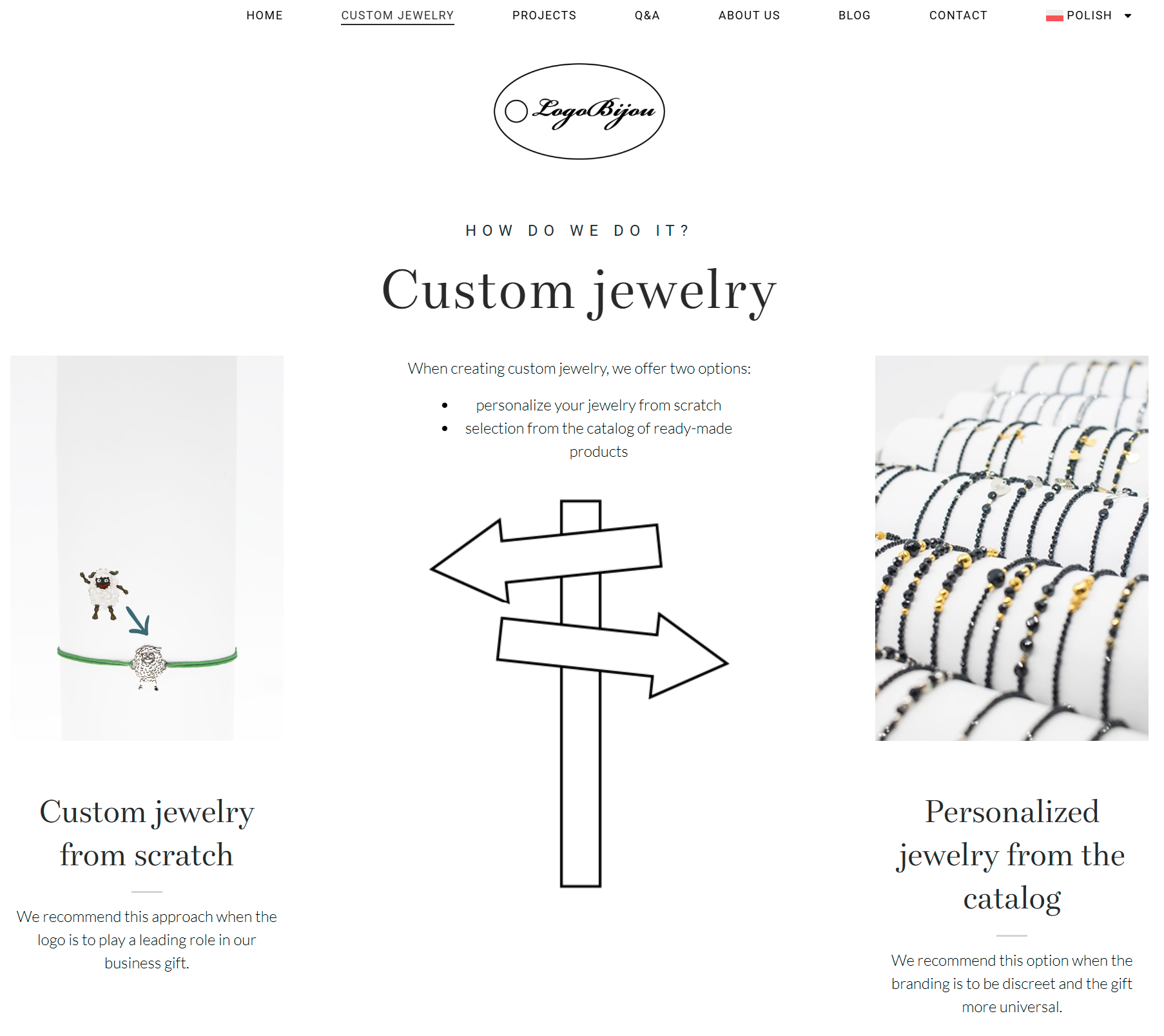
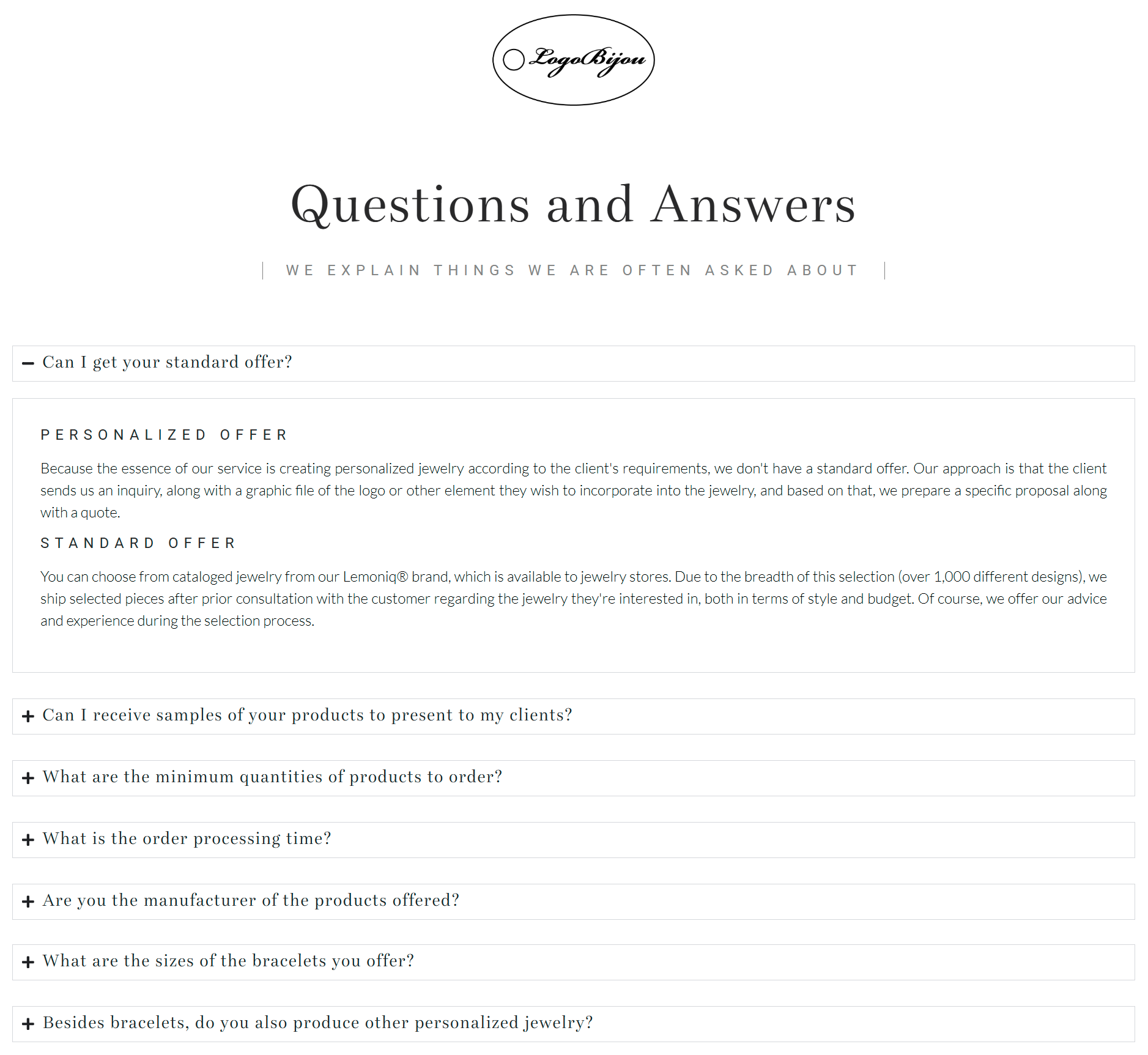
- Service Pages: For custom designs, repairs, or appraisals, create specific service pages (e.g., LogoBijou’s custom jewelry page).
- Informational Content: Blog posts, guides, and FAQs address informational queries, establishing your expertise.
- "About Us" and "Our Story" Pages: These are crucial for building trust and E-E-A-T. Share your brand’s ethos, craftsmanship, sourcing practices, and the inspiration behind your designs. This humanizes your brand and provides valuable context for AI models seeking to understand your business identity.
3. Optimizing Product Pages with Rich, Informative Descriptions:
Your product pages are your digital showroom. They must not only entice potential customers but also provide search engines and AI tools with accurate, detailed information.
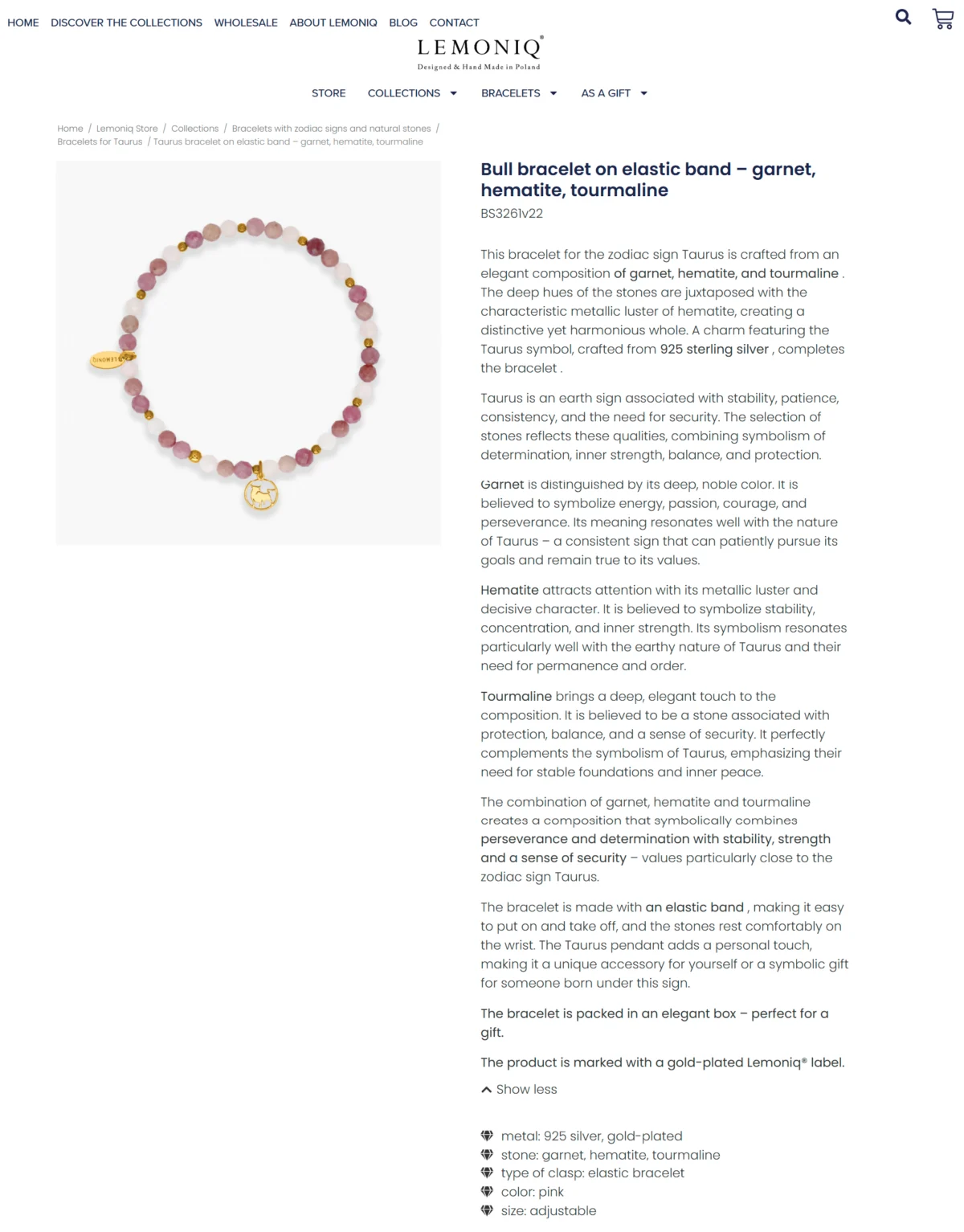
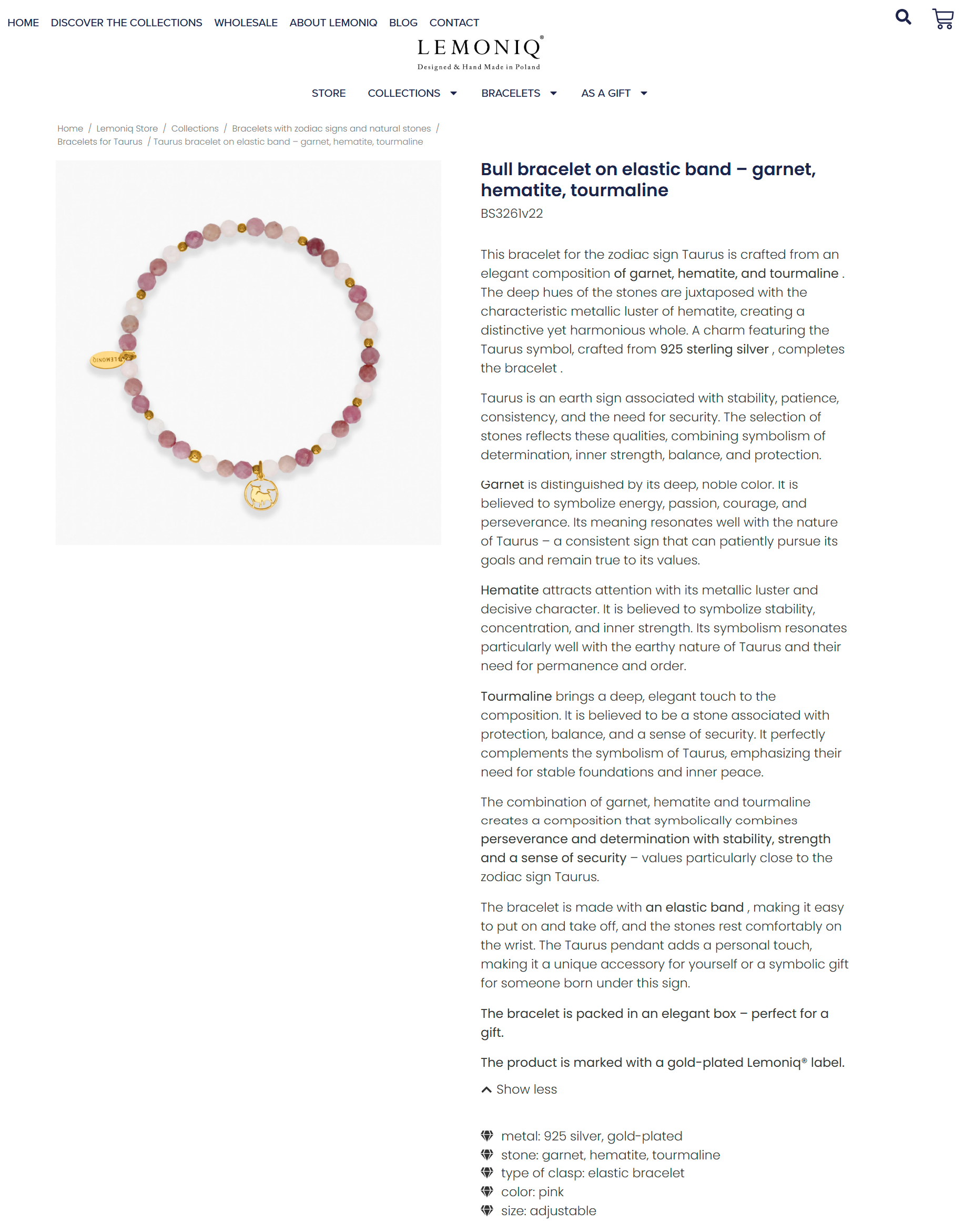
- Descriptive Titles: Move beyond generic names. Instead of "Bracelet," use "Handcrafted Sterling Silver Taurus Zodiac Bracelet with Garnet and Hematite."
- Detailed Product Descriptions: Emulate Lemoniq’s approach. Specify materials (e.g., "18k white gold, VS1 clarity diamond, 0.75 carat"), dimensions, weight, finish, and customization options. Include care instructions, sizing guides, and return policies proactively.
- Explain Design & Context: Share the inspiration, symbolism, or story behind each piece. This adds emotional value and provides rich textual context for AI.
- Structured Data (Schema Markup): Implement Product, Offer, and Review schema markup. This code snippet tells search engines directly about your product’s price, availability, and customer ratings, making it eligible for rich snippets in search results and easier for AI to synthesize.
- User-Generated Content: Integrate customer reviews and testimonials. These build trust and provide fresh, relevant content that search engines value.
4. Making Your Jewelry Images Work Harder:
Jewelry is inherently visual. High-quality imagery is paramount, but optimizing those images for search is equally important.
- Professional Photography: Use genuine, high-resolution images showcasing the piece from multiple angles, including close-ups of details and context shots (e.g., worn on a model) for scale. For custom work, a portfolio of completed projects demonstrates skill.
- Descriptive Filenames: Rename "IMG_001.jpg" to "emerald-cut-diamond-engagement-ring-white-gold.jpg." Google notes that filenames offer "very light clues" to image subject matter.
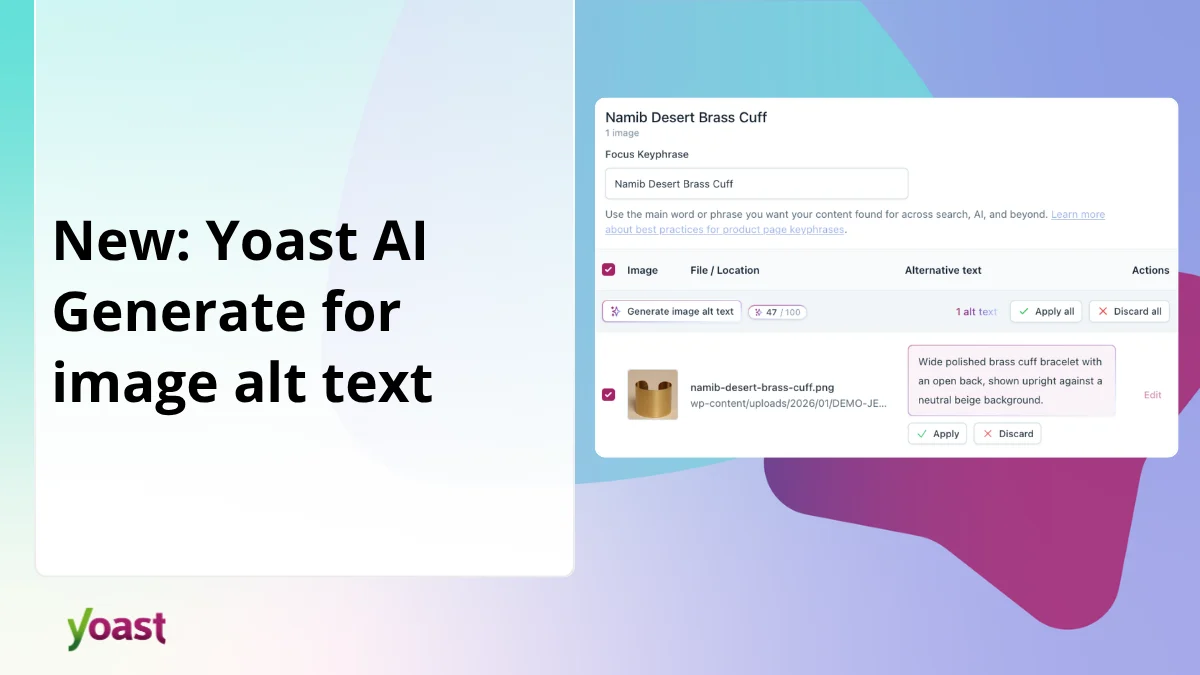
- Comprehensive Alt Text: Describe what the image shows for accessibility and search engine understanding. "A close-up of a vintage art deco sapphire and diamond cocktail ring." Avoid keyword stuffing. Tools like Yoast WooCommerce SEO can even use AI to generate alt text.
- Optimize File Sizes: Large image files slow down your website, hurting user experience and SEO. Compress images without sacrificing visual quality. Utilize modern formats like WebP.
- Responsive Images: Ensure images display correctly and load efficiently across all devices (desktop, tablet, mobile).
- Image Sitemaps: Submit an image sitemap to search engines to help them discover and index your visual content.
5. Integrating Comprehensive FAQs for Customer Clarity:
Jewelry purchases often involve significant investment and many questions. Proactively answering these questions through FAQs enhances user experience and captures informational search queries.
- Address Common Concerns: Cover topics like sizing, material care, purity standards, customization processes, shipping, returns, and warranty.
- Clear and Concise Answers: Provide direct, helpful responses.
- Utilize FAQ Structured Data: If using WordPress, the Yoast FAQ content block automatically adds the necessary schema markup, making your FAQs eligible for rich snippets and direct answers in AI interfaces.
- Location-Specific FAQs: For local businesses, include questions like "Do you offer ring resizing in [city]?"
6. Mastering Local SEO for Physical and Regional Businesses:
For jewelers with a physical storefront or those serving a specific geographical area, local SEO is critical for attracting nearby customers.
- Google Business Profile (GBP): Optimize your GBP listing meticulously. Ensure accurate business name, address, phone number (NAP), hours of operation, services offered, and high-quality photos. Encourage and respond to customer reviews.
- Local Keywords: Naturally integrate location-specific terms into your website content (e.g., "bespoke jewelers [city name]," "diamond engagement rings [neighborhood]").
- Local Citations: Ensure consistent NAP information across online directories (Yelp, Yellow Pages, industry-specific directories).
- Geo-Targeted Content: Create blog posts or pages relevant to your local community (e.g., "Top 5 Places to Propose in [city]").
- Google Maps Integration: Embed Google Maps on your contact page. Yoast SEO Premium offers advanced local SEO features for multi-location businesses.
7. Ensuring Technical SEO Soundness:
Even the most beautiful jewelry and compelling content won’t be discovered if search engines can’t properly access and understand your website. Technical SEO ensures your site is crawlable, indexable, and performs optimally.
- Crawling and Indexing:
- XML Sitemaps: Submit an XML sitemap to Google Search Console to help search engines discover all your important pages.
- Robots.txt: Use robots.txt to guide crawlers, preventing them from accessing unimportant pages while ensuring key content is visible.
- Noindex Tags: Use noindex tags for pages you don’t want search engines to list (e.g., thank you pages).
- Website Speed and Mobile-Friendliness:
- Page Load Speed: Optimize images, leverage browser caching, and use a fast hosting provider. Google prioritizes fast-loading sites.
- Mobile Responsiveness: Ensure your website adapts seamlessly to all screen sizes. Google uses mobile-first indexing, meaning the mobile version of your site is primarily used for ranking.
- Organized Website Navigation:
- Logical Hierarchy: Structure your site with clear categories and subcategories (e.g., "Rings" > "Engagement Rings" > "Diamond Engagement Rings").
- Internal Linking: Link relevant pages to each other (e.g., from a blog post about diamond care to specific diamond product pages). This helps distribute "link equity" and guides users and crawlers.
- Breadcrumbs: Implement breadcrumbs to show users their current location within your site’s hierarchy, improving navigation.
- Structured Data Implementation: Beyond product schema, consider Organization schema for your business, LocalBusiness schema if applicable, and Review schema. This provides rich context for search engines and AI.
- AI Discoverability Readiness:
- Semantic HTML: Use proper HTML tags (H1, H2, P, LI) to give structure to your content, making it easier for AI to interpret.
- Clear, Factual Content: AI models prioritize well-written, factual, and unambiguous information.
- E-E-A-T Signals: Ensure your website clearly demonstrates your expertise and trustworthiness through author bios, certifications, and transparent policies.
Bonus Tip: Capitalizing on Seasonal Shopping Moments
Jewelry is deeply intertwined with emotional milestones and gifting occasions. Research by Shazé indicates that 68% of consumers associate jewelry gifts with emotional closeness. Strategically optimizing for seasonal demand can significantly boost visibility and sales.
- Dedicated Landing Pages: Create specific landing pages for events like Valentine’s Day, Mother’s Day, anniversaries, Black Friday, and Christmas.
- Gift Guides: Publish gift guides tailored to different recipients or price points (e.g., "Romantic Jewelry Gifts for Her," "Affordable Anniversary Presents").
- Product Collections: Curate special collections for each occasion.
- Early Preparation: Begin optimizing these pages and content several weeks or months in advance to allow search engines time to crawl and index them.
- Promotional Content: Create social media campaigns and email newsletters that link back to your optimized seasonal pages.
Industry Perspectives on SEO’s Impact
"The digital realm has democratized luxury," notes a prominent digital marketing analyst. "E-commerce’s share of the luxury goods market continues to grow, projected to reach significant double digits. For jewelers, a robust SEO strategy isn’t just about driving traffic; it’s about safeguarding brand reputation and market share in a fiercely competitive environment."
A jewelry industry expert adds, "In an age of conscious consumerism, authenticity and storytelling are paramount. SEO allows jewelers to convey their unique narrative – be it ethical sourcing, artisanal craftsmanship, or personalized service – directly to the customer. It’s about building trust long before a purchase is even considered."
RafaÅ‚ Juchno from LogoBijou, a Polish custom jewelry manufacturer, echoes this sentiment, sharing that learning SEO fundamentals through Yoast SEO Academy demystified the process. "It taught me the value of holistic SEO: building a useful, trustworthy website that attracts the right audience rather than chasing traffic for its own sake. You don’t need to be a programmer or an SEO expert to start making your website more discoverable."
The Enduring Power of Discoverability
Your jewelry, imbued with artistry and meaning, deserves to be discovered by those who will cherish it. In an increasingly digital and AI-driven world, a strategic, comprehensive SEO approach is not merely an optional marketing tactic; it is a fundamental requirement for sustained success. By focusing on your unique strengths, understanding customer intent, meticulously optimizing your digital presence, and adapting to the evolving search landscape, your jewelry business can build a resilient foundation for visibility, trust, and growth, ensuring your creations shine brightly in the global marketplace.


 Suro Senen