 Neng Nana
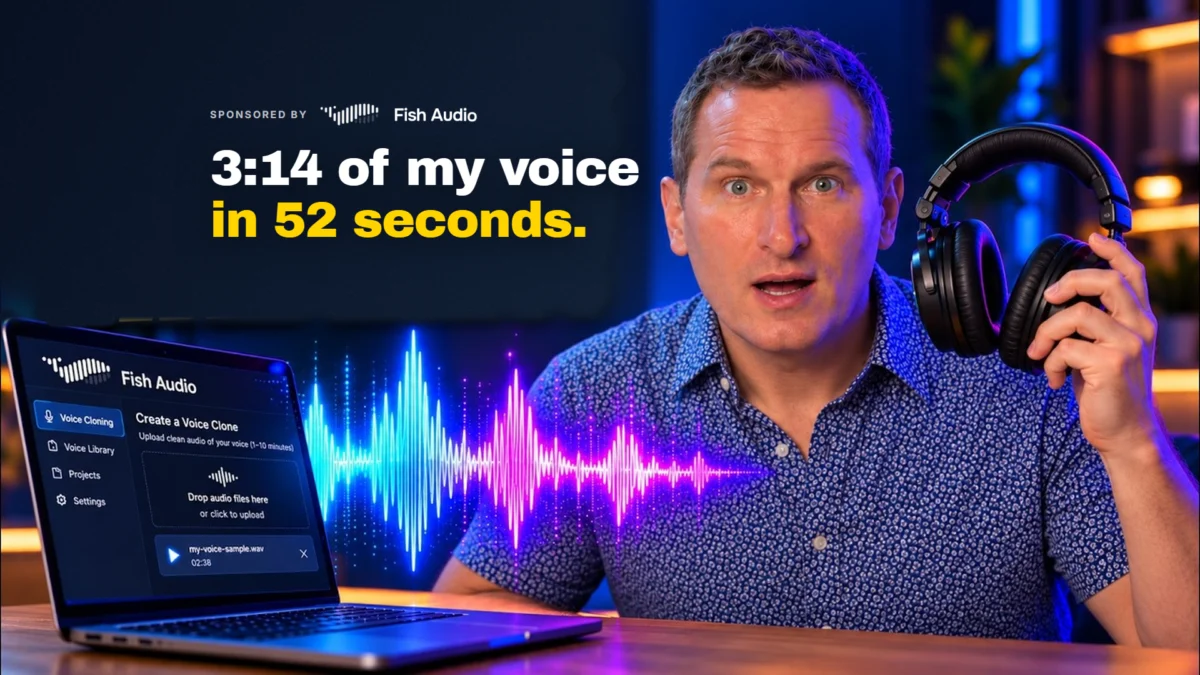
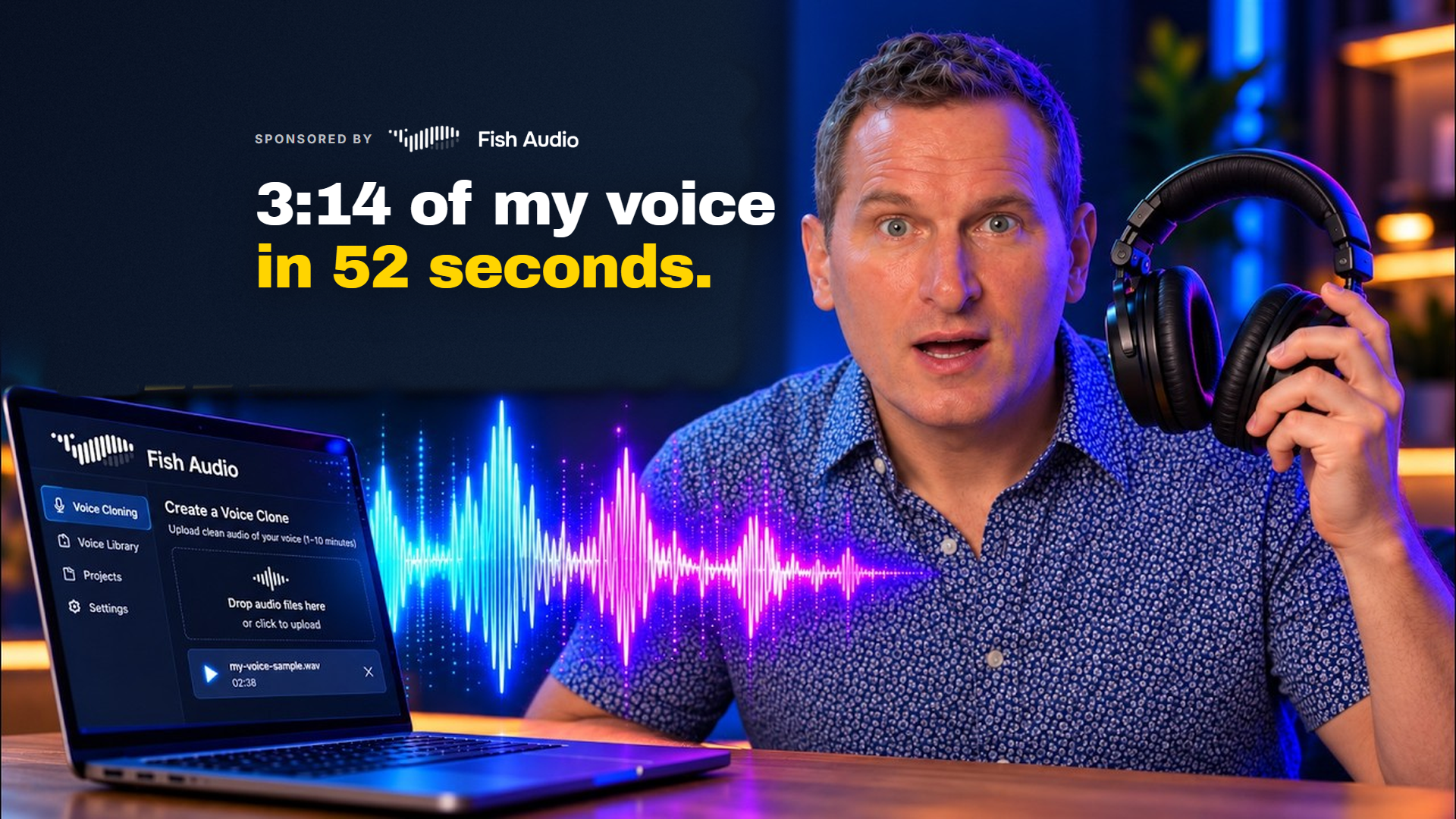
The landscape of artificial intelligence has shifted from basic text generation to sophisticated multimodal outputs, with voice synthesis emerging as a primary frontier for digital marketing and content creation. Recent developments in the sector highlight a growing demand for tools that bypass the traditional "robotic" cadence of early text-to-speech (TTS) engines. At the center of this transition is Fish Audio, a platform that has introduced the S2.1 Pro API, offering high-fidelity voice cloning that integrates emotion-based metadata to simulate human-like speech patterns. By combining professional-grade voice replication with an accessible API model, the platform addresses two of the most significant hurdles in the industry: high production friction and the lack of emotional nuance.
The State of AI Voice Synthesis and Market Friction
For nearly a decade, the AI voice industry was dominated by tools that prioritized clarity over character. While services provided by major tech conglomerates offered functional speech, they often lacked the prosody and emotional variance required for long-form content such as audiobooks or video sales letters (VSLs). Marketing professionals and content creators have historically faced a "context-switching" dilemma, where generating a single audio file required navigating complex external interfaces, manual file management, and restrictive per-character pricing models.
Industry analysis suggests that the friction of moving between a primary workspace—such as a Large Language Model (LLM) or a video editor—and a separate voice generation app often leads to the abandonment of these tools for large-scale projects. Fish Audio’s entry into the market signals a pivot toward developer-centric workflows, where the voice synthesis engine acts as a backend utility rather than a standalone destination.

Chronology of Development and User Implementation
The implementation of Fish Audio’s technology typically follows a structured progression from rapid prototyping to high-fidelity production. This chronology reflects the current standard for professional AI voice deployment:
- Instant Voice Cloning: The initial phase involves the "Instant Clone" feature, requiring approximately ten seconds of audio input. This stage utilizes zero-shot learning to analyze the fundamental frequencies and tonal qualities of a speaker. While suitable for internal testing, it serves primarily as a proof of concept.
- Professional Voice Training: For production-ready output, users transition to the Professional Clone. This requires a larger dataset—typically 12 to 15 audio clips—recorded with consistent tonal quality. The system then undergoes a training period, which current benchmarks indicate takes between 20 and 30 minutes to complete.
- Security and Verification: To mitigate the risks of unauthorized voice cloning, the platform requires a verification step where the user must record a specific script in real-time. This ensures that the person providing the training data has the legal right to the voice in question.
- API Integration: Once the model is trained, it is assigned a unique identifier accessible via the S2.1 Pro API. This allows the voice to be called directly from external environments, such as Claude Code or custom Python scripts, enabling the generation of thousands of words of dialogue in seconds.
Technical Analysis of Emotion Tags and Metadata
The most significant technical differentiator for Fish Audio is the implementation of "emotion tags." Traditional TTS models attempt to infer emotion from text through natural language processing (NLP), which often results in mismatched or flat delivery. Fish Audio allows users to insert bracketed metadata—such as [excited], [laughing], [wry], or [measured]—directly into the script.

This approach treats emotion as a separate layer of data, allowing the AI to adjust pitch, speed, and breathiness based on specific instructions rather than probabilistic guesses. In recent performance tests, the [laughing] tag demonstrated a capacity to simulate genuine human mirth without the "uncanny valley" distortion common in previous iterations of the technology. This level of control is particularly vital for sales letters and marketing content, where the "relatability" of the speaker directly correlates with audience retention and conversion rates.
Economic Implications of the Free API Model
The AI voice market has traditionally operated on a "pay-per-character" or "pay-per-minute" basis, which can make high-volume content production prohibitively expensive. Fish Audio has introduced a disruptive pricing strategy by offering the S2.1 Pro API generation for free under a fair-use policy for Pro subscribers.

Comparative Economic Overview:
| Feature | Standard Industry Models | Fish Audio S2.1 Pro |
|---|---|---|
| Primary Pricing | Subscription + Per-Character Fees | Pro Subscription + Free API Generation |
| Workflow Efficiency | Manual interface/Download-Upload | Automated API calls/Direct Integration |
| Cloning Quality | Variable (often requires multiple takes) | High-fidelity (Professional training tier) |
| Emotional Control | Limited to NLP inference | Direct tagging system |
This shift from a usage-based cost to a subscription-plus-utility model allows agencies and developers to scale their operations without unpredictable expenses. It incentivizes the creation of more diverse content, as the marginal cost of generating an additional hour of audio drops significantly after the initial training of the voice model.
Integration with Large Language Models (LLMs)
The synergy between LLMs like Anthropic’s Claude and Fish Audio’s API represents a new "killer workflow" for digital creators. By using tools like Claude Code, which can execute commands and call external APIs, creators can automate the entire production chain. An LLM can write a script, analyze the text to determine the optimal emotional tone for each sentence, insert the appropriate Fish Audio emotion tags, and then trigger the API to return a finished MP3 file.

In documented tests, a three-minute sales letter was processed, tagged, and converted into audio in less than 60 seconds of total execution time. This efficiency eliminates the need for voice actors or manual editing, allowing for rapid A/B testing of marketing scripts.
Broader Impact and Ethical Considerations
The advancement of such high-fidelity voice cloning brings both opportunities and challenges to the digital landscape. From a marketing perspective, the ability to produce on-demand, personalized audio content is a powerful tool for navigating the "war on cookies" and increasing privacy regulations. As browser changes make traditional data tracking more difficult, brands are leaning into high-quality, voice-driven content to build direct relationships with consumers.

However, the ease of replication also raises ethical questions regarding the future of the voice-acting profession and the potential for deepfakes. Fish Audio’s mandatory verification process is a step toward addressing these concerns, but industry experts suggest that as the technology becomes more pervasive, further standardization of digital "watermarking" for AI-generated audio will be necessary.
Analysis of Potential Use Cases
The utility of professional AI voice cloning extends beyond simple marketing scripts into several key business sectors:

- Training and Onboarding: Large organizations can maintain a consistent brand voice across hundreds of hours of training material without requiring the original executive or narrator to spend days in a recording studio.
- Audiobook Production: Independent authors can generate high-quality narrations of their work, significantly lowering the barrier to entry for the audiobook market.
- Customer Support Automation: AI-driven phone systems can move away from frustratingly robotic prompts toward a more empathetic and human-like interaction.
- Localized Content: By training a voice in one language and applying it to translated scripts, brands can maintain a consistent "voice identity" across global markets.
Conclusion
Fish Audio’s S2.1 Pro API and its professional cloning capabilities represent a maturation of AI voice technology. By focusing on the developer experience and emotional nuance, the platform has moved the industry closer to a reality where synthetic speech is indistinguishable from human recording. While the "Instant Clone" provides an accessible entry point, the true value of the system lies in its professional training models and the friction-free API integration that allows voice synthesis to become a seamless part of the modern digital workflow. As AI continues to evolve, the distinction between human and synthetic delivery will likely continue to blur, making tools that offer precision, emotion, and scalability the new standard for communication in the digital age.

 Ammar Sabilarrohman