Nila Kartika Wati
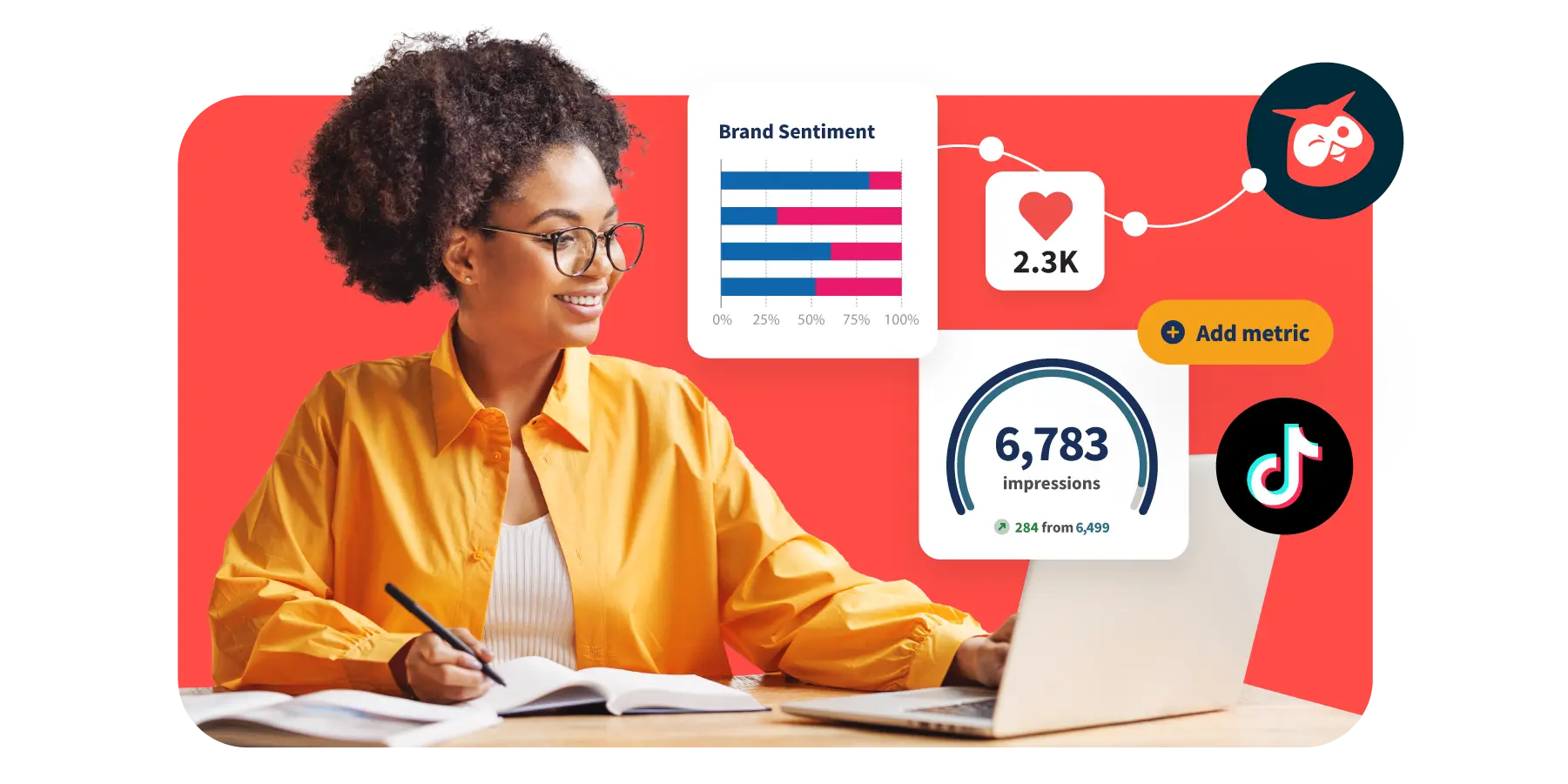
TikTok has solidified its position as an indispensable platform for digital marketing in 2026, evolving far beyond its origins as a short-form entertainment app. With an advertising reach now exceeding 1.59 billion users globally, the platform has become a critical engine for product discovery, social commerce, and direct consumer engagement. Brands neglecting TikTok risk missing out on a vast, highly engaged audience, as U.S. users alone dedicate an average of 44 hours per month to the application, driving substantial ad revenue projected to top $17 billion in the U.S. this year. This robust engagement underscores TikTok’s continued relevance despite ongoing regulatory discussions in key markets.

The Rise of a Global Powerhouse
TikTok’s trajectory from a burgeoning video-sharing app to a marketing behemoth has been swift and impactful. Launched internationally in 2017 by ByteDance, it quickly captivated a global audience, particularly Gen Z. Early success was driven by its addictive algorithm and user-generated content, fostering trends and virality. By the early 2020s, businesses began recognizing its marketing potential, leveraging organic content and early ad formats. The mid-2020s saw a significant expansion of its commercial capabilities, with the introduction of features like TikTok Shop and enhanced search functionalities, transforming it into a full-fledged social commerce and search engine platform. This evolution culminated in its 2026 status as a mature yet dynamic marketing channel, offering sophisticated tools for brands to connect with consumers at various points of their purchasing journey. Industry analysts frequently highlight TikTok’s innovative approach to blending entertainment with commerce as a key differentiator, influencing how other platforms integrate shopping experiences.

2026: A Dominant Force in Digital Marketing
In 2026, TikTok’s advertising efficacy is undeniable. Its demographic reach, while still strong among younger cohorts (with a significant Gen Z base), has diversified, with the primary audience age now typically between 25 and 34. This expansion into the millennial demographic, who possess considerable purchasing power, makes TikTok an even more attractive proposition for a broader range of businesses. Latest reports indicate that 37% of U.S. adults are now active on the platform, signifying its mainstream acceptance and widespread influence.
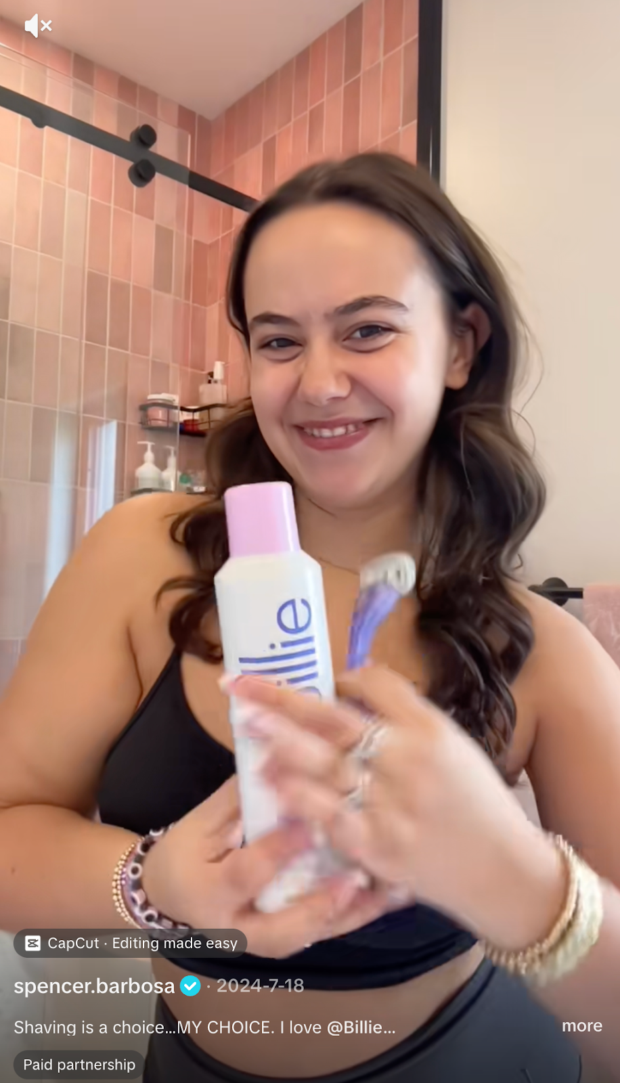
The platform’s strength lies in its ability to drive product discovery and convert viewers into customers efficiently. This is often achieved at a lower cost compared to more traditional digital advertising channels, making it a compelling option for brands seeking high ROI. Beyond direct sales, TikTok marketing contributes to enhanced brand awareness, community building, and direct consumer feedback. Its sophisticated ad formats, including In-Feed Ads, TopView, Spark Ads, and Shopping Ads, cater to diverse campaign objectives, from broad visibility to direct conversions. The integration of search advertising, allowing keyword bidding within TikTok search results, further positions it as a competitor to traditional search engines for product and service discovery.
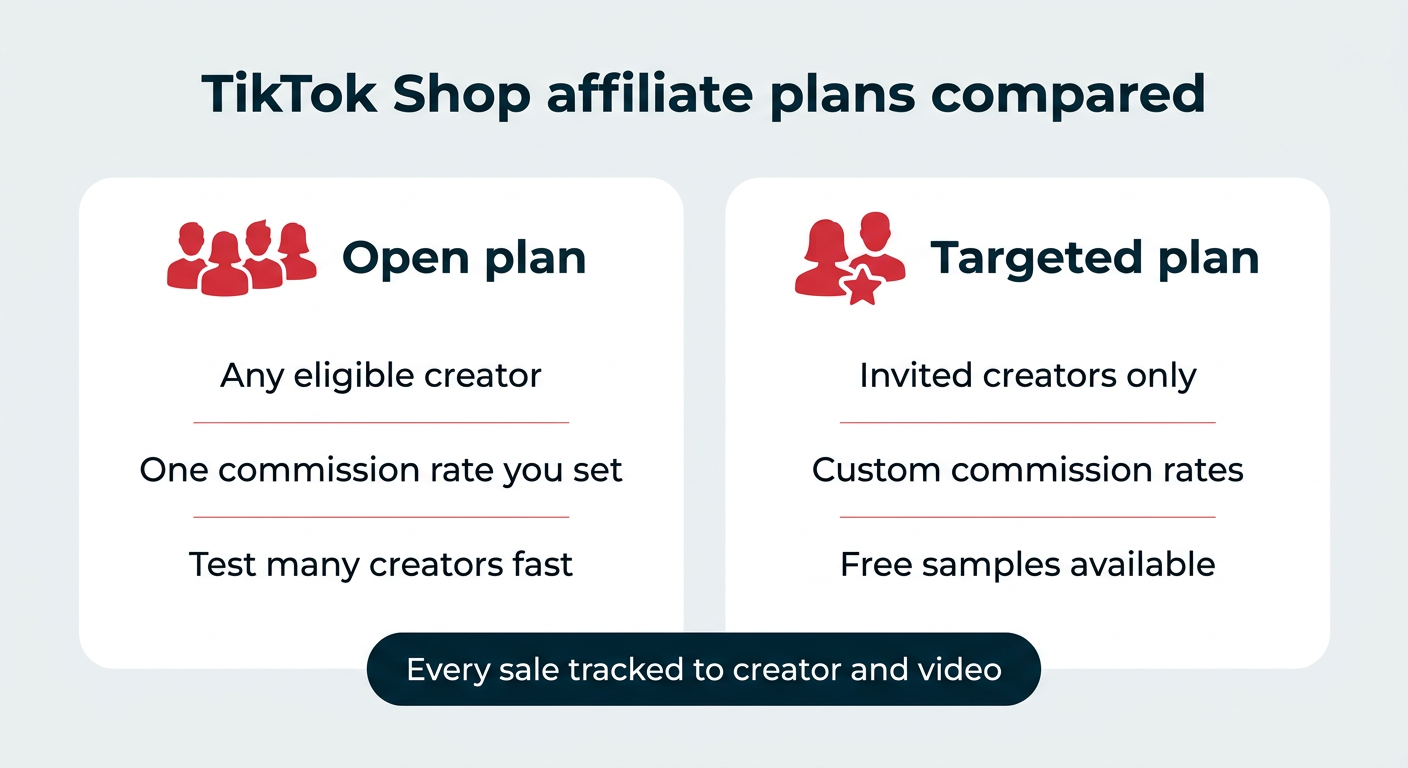
Compared to rival short-form video platforms like Instagram Reels and YouTube Shorts, TikTok often leads in specific areas. While all three platforms cater to similar age groups (25-34 for Reels, 25-44 for Shorts), TikTok’s dedicated in-app commerce features (TikTok Shop, in-app checkout) are generally more integrated and robust than Instagram Shopping or YouTube Shopping, which often rely on product tags or external links. Furthermore, TikTok’s keyword bidding in search results offers a direct advantage for high-intent queries, a feature only partially mirrored by Google Ads targeting for YouTube Shorts or limited search placement within Meta Ads for Instagram Reels. This comprehensive ecosystem firmly embeds TikTok within the core marketing strategies of forward-thinking businesses.
Navigating the Regulatory Landscape
Despite its commercial success, TikTok’s regulatory status has been a persistent point of discussion, particularly in the U.S. and other markets. Concerns primarily revolve around data governance and the ownership structure of ByteDance, a Chinese company. While discussions have centered on potential bans or forced divestiture, the platform remains widely available to marketers in 2026, operating as a major advertising and commerce channel. The continuous policy debate underscores the importance for marketers to adopt flexible strategies. Industry experts, such as Dr. Evelyn Reed, a digital policy analyst, recommend, "Brands must plan for continuity on TikTok while building adaptable creative assets. A vertical video produced for TikTok should be easily transferable to Reels or Shorts, minimizing platform-specific dependencies. This ‘portable creative’ approach mitigates risks associated with potential shifts in regulatory environments, ensuring campaign resilience." This strategic agility allows brands to pivot distribution weight between platforms with minimal disruption, emphasizing diversified channel management.
Crafting a Winning TikTok Marketing Strategy
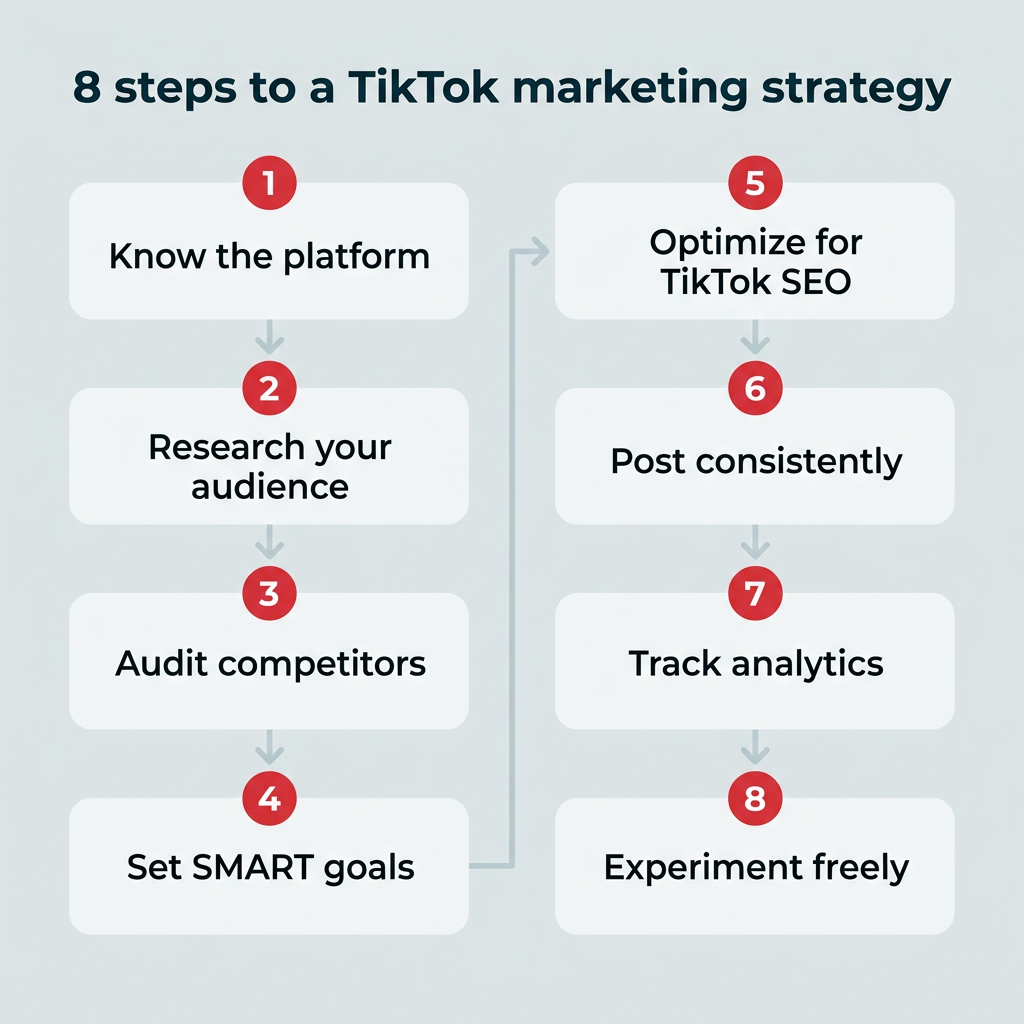
A successful TikTok marketing strategy in 2026 is built on an 8-step framework designed for optimal engagement and conversion:
-
Platform Immersion: Marketers must dedicate time to understanding TikTok’s unique ecosystem. This includes familiarizing oneself with trending challenges, editing styles, popular sounds, and critically, the intricacies of the TikTok algorithm. The platform’s algorithm prioritizes fresh, engaging content, making continuous learning essential. Resources like the TikTok Business Learning Center offer invaluable insights.
-
Audience-Centric Research: Deep understanding of the target audience is paramount. While TikTok’s user base is broad, segmenting and analyzing specific audience behaviors through tools like Audience Insights is crucial. Identifying content types that resonate with particular segments ensures relevancy and maximizes engagement, moving beyond the stereotype of it being solely for teens.
-
Competitive Intelligence: A thorough competitive audit reveals opportunities and threats. Analyzing competitors’ TikTok presence—or lack thereof—informs strategic positioning. This also extends to identifying key influencers in a brand’s niche, using frameworks like SWOT analysis to evaluate market positioning.
-
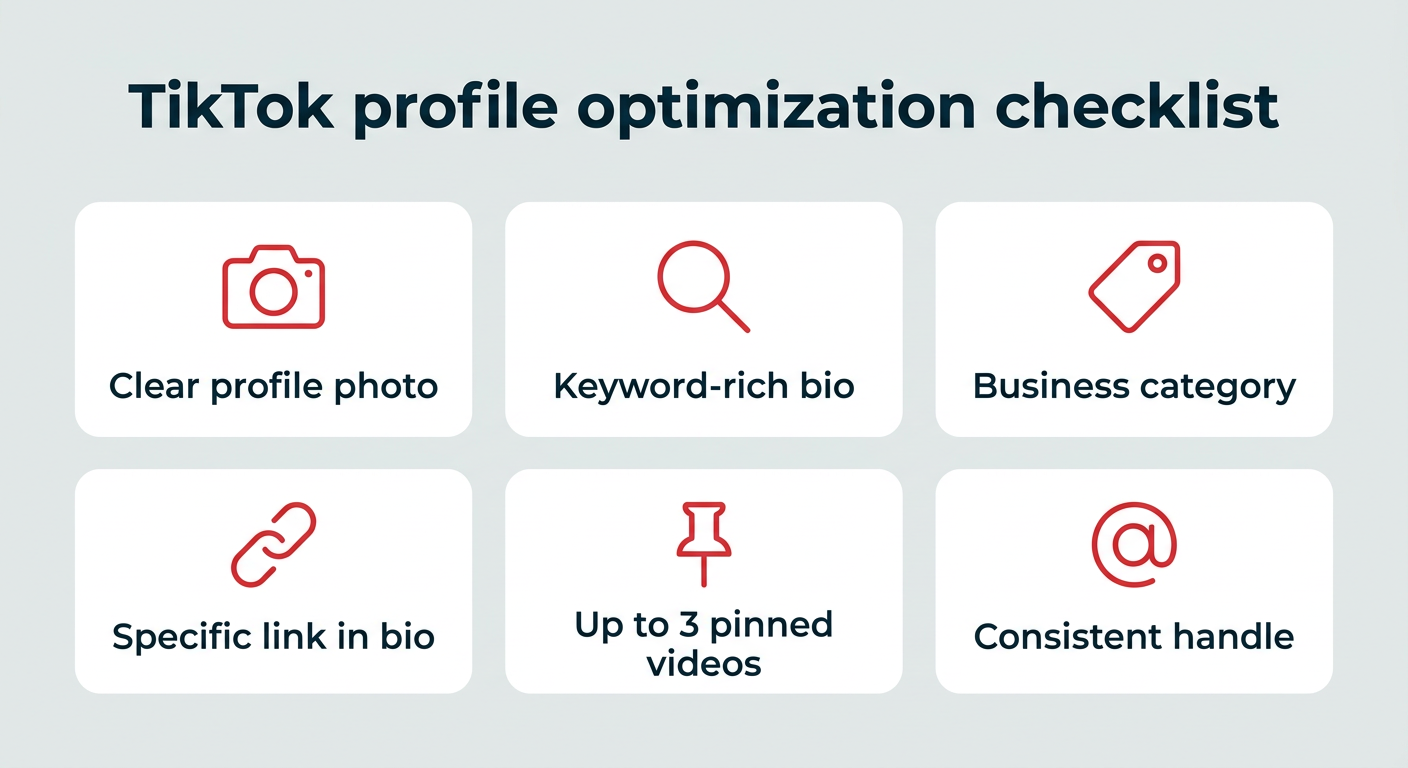
Strategic Goal Setting: Marketing efforts must align directly with broader business objectives. Utilizing the S.M.A.R.T. goal framework (Specific, Measurable, Attainable, Relevant, Timely) allows for quantifiable targets, such as "Increase TikTok-driven website traffic by 25% in Q3" or "Generate 500 leads from TikTok Shop in H2 2026."
-
TikTok SEO and Discoverability: With 49% of consumers now using TikTok as a search engine, optimizing content for search is vital. Keyword research for captions, on-screen text, and spoken words, combined with a focused hashtag strategy, enhances discoverability. The emergence of TikTok Search Ads, allowing keyword bidding, further emphasizes the platform’s role in high-intent search demand.
-
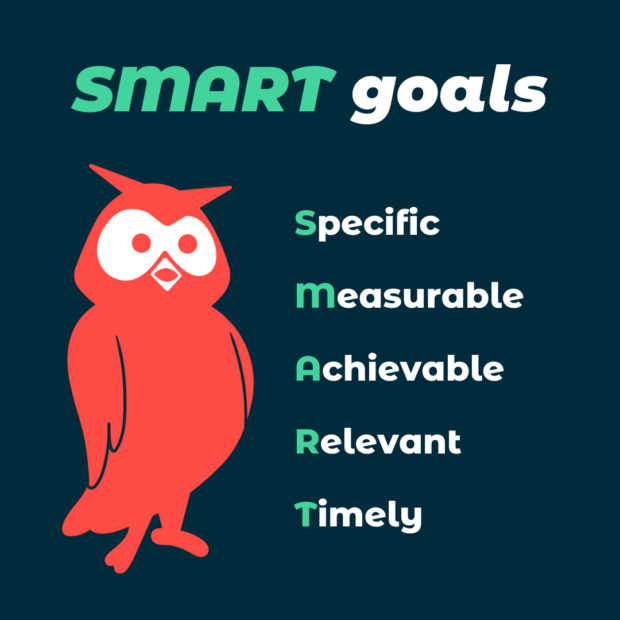
Consistent Posting and Strategic Timing: The TikTok algorithm favors fresh content, with recommendations ranging from 1-4 posts daily. While often unrealistic for many teams, research suggests 3-5 posts per week is a "sweet spot" for strong performance. Strategic timing, based on audience activity patterns (e.g., Thursday mornings and Saturday midday for broad U.S. audiences), maximizes initial reach.
-
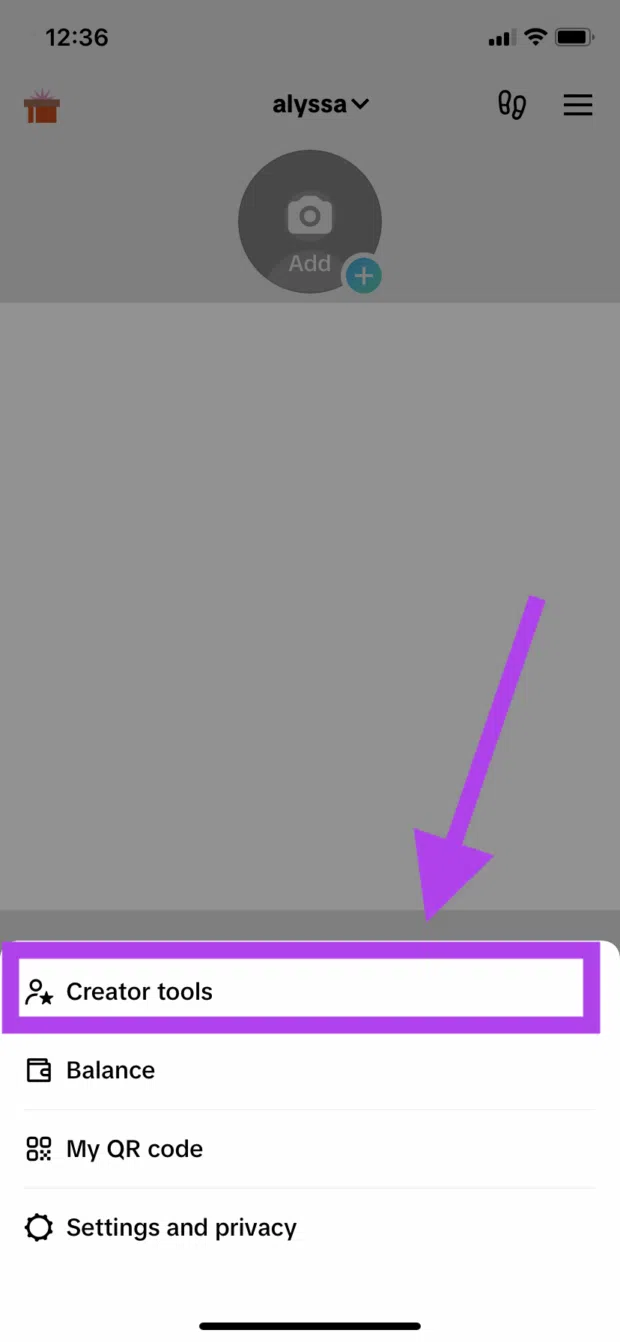
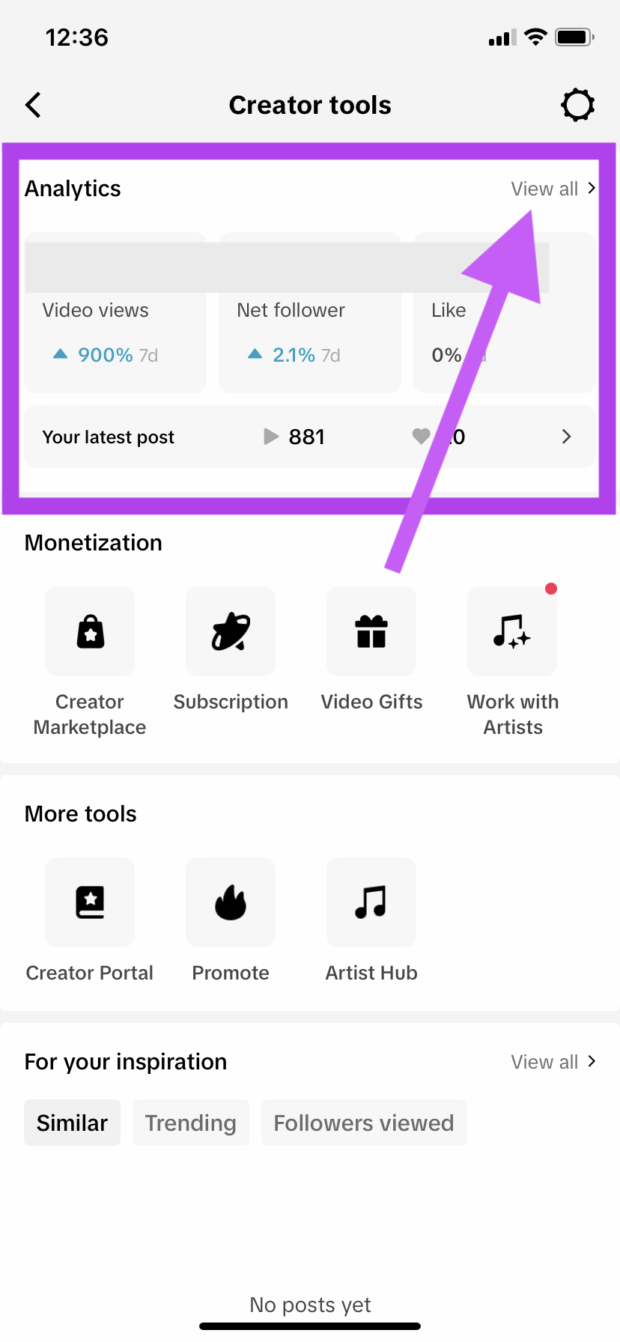
Analytics and ROI Measurement: Continuous tracking of metrics like video views, engagement rate, follower growth, click-through rate, and conversion rate is essential. Native TikTok analytics provide a starting point, but advanced tools are necessary for comprehensive ROI calculation, comparing generated value (leads, sales) against investment.
-
Embrace Experimentation: The dynamic nature of TikTok necessitates a culture of experimentation. Brands should allocate resources for trying new formats, trending sounds, and interactive features like live streams. Learning from both successes and "flops" fosters innovation and keeps content fresh, often embracing humor and authenticity over polished corporate messaging.
The Art of High-Impact Content Creation
Effective TikTok content is native to the platform, hooks viewers quickly, and aligns with rewarded formats. Key content types in 2026 include:
- Organic Videos: Leveraging trends, educational content, challenges, and behind-the-scenes glimpses.
- Influencer Collaborations: Partnering with creators for authentic endorsements and product placements.
- Live Streams: Offering real-time engagement, Q&As, and product demonstrations.
- TikTok Shop Content: Directly integrating product showcases and shoppable links.
- Interactive Content: Utilizing polls, Q&A stickers, and Duet/Stitch features to encourage participation.
A strong social media hook in the first few seconds is paramount to stop the scroll. Clear on-screen text, searchable captions, and a concise call to action are fundamental. The TikTok Creative Center serves as an excellent resource for identifying current trends and inspiring content ideas. For instance, a makeup brand collaborating with an influencer who opens with an intriguing statement like, "This is the biggest rule I love to break. What if I told you regardless if you have dry skin or oily skin, I’m prepping everyone the exact same way?" immediately grabs attention, building trust and showcasing product utility. Similarly, engaging prompts like "Wrong answers only" from brands like Smarties drive comment engagement, which the algorithm rewards. Leveraging organic-feeling content, such as a video with text "This is your sign to go to Pandora," capitalizes on the algorithm’s serendipitous nature, making the promotion feel authentic rather than forced. Responding to comments with video replies, as seen with Truevelle Bridal showcasing a dress from a different angle, fosters community and provides additional content opportunities. Sharing behind-the-scenes glimpses, like Kovessentials demonstrating their manufacturing process, humanizes the brand and builds transparency. Lastly, highly shareable, entertaining content, exemplified by a pet daycare showcasing adorable animals, expands reach organically without overtly promoting services.
Leveraging TikTok’s Advertising Ecosystem
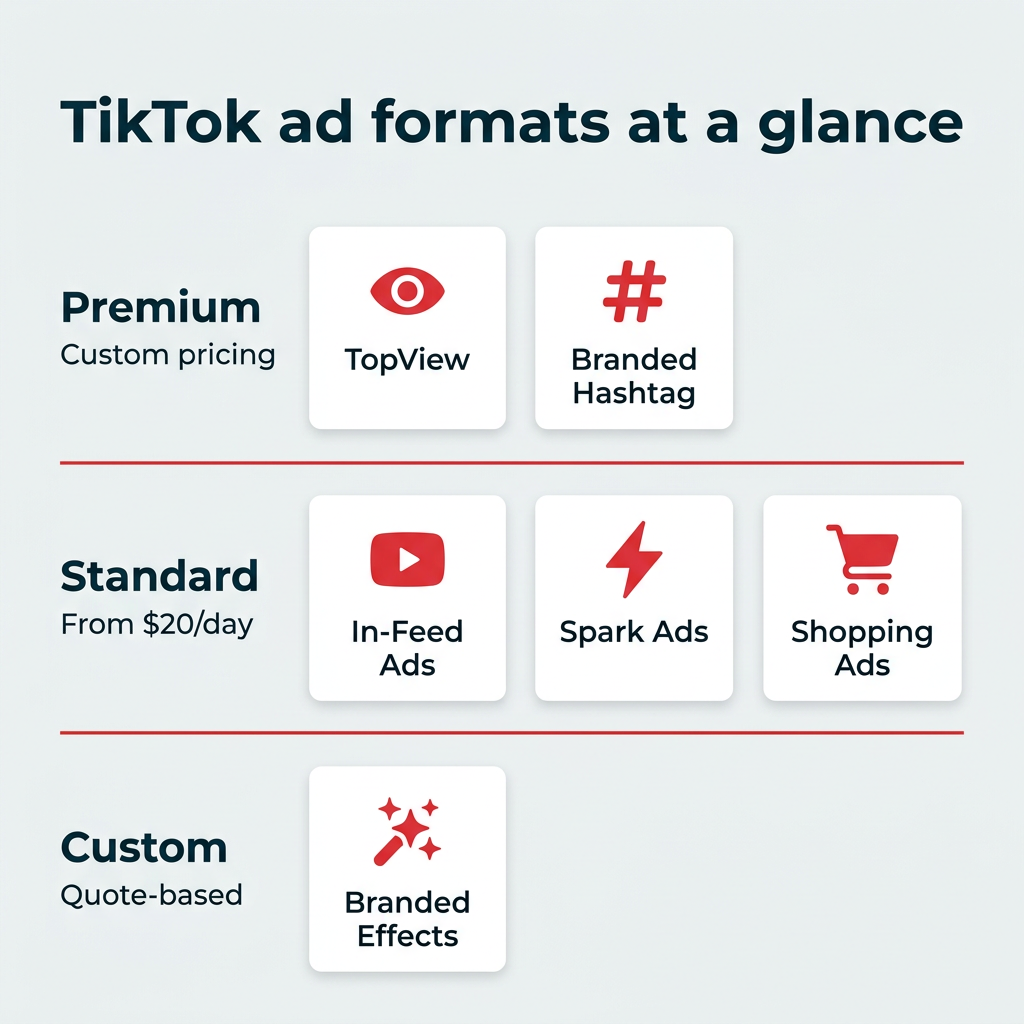
TikTok Ads Manager offers a sophisticated suite of tools to scale reach beyond organic content. The choice of ad format depends on specific campaign goals:
- In-Feed Ads: Native videos appearing in the For You feed, ideal for driving traffic and conversions. Minimum budget typically $20/day (ad group) or $50/day (campaign).
- TopView: Full-screen ads shown upon app open, designed for maximum awareness during product launches. Custom, premium pricing.
- Branded Hashtag Challenge: Sponsored challenges inviting user participation, excellent for mass engagement and user-generated content (UGC). Custom, premium pricing.
- Branded Effects: Custom filters, stickers, and effects for interactive brand experiences. Custom pricing.
- Spark Ads: Boosts existing organic posts (brand’s or creators’), amplifying authentic content. Minimum budget typically $20/day (ad group) or $50/day (campaign).
- Shopping Ads: Product-focused ads tied to TikTok Shop, directly driving in-app sales. Minimum budget typically $20/day (ad group) or $50/day (campaign).
- Search Ads: Keyword-targeted ads appearing in TikTok search results, capturing high-intent search demand. Minimum budget typically $20/day (ad group) or $50/day (campaign).
TikTok Ads Manager offers detailed targeting options based on demographics, interests, behaviors, and custom audiences, ensuring ads reach the most relevant users. The key to successful TikTok advertising lies in designing ads that feel native and authentic to the platform, rather than overtly polished commercials. Spark Ads are particularly effective for this, leveraging existing high-performing organic content.
Avoiding Pitfalls: Common Mistakes and Best Practices
Many brands struggle on TikTok not due to the algorithm, but due to common, avoidable mistakes. These include:
- Ignoring Trends: Failing to adapt to trending sounds, challenges, or editing styles makes content feel outdated. Best practice: Regularly monitor the TikTok Creative Center and engage with new trends thoughtfully.
- Overly Polished Content: Content that looks too much like a traditional commercial often underperforms. Best practice: Embrace authenticity, rawness, and a "made for TikTok" aesthetic.
- Inconsistent Posting: Sporadic content reduces visibility due to the algorithm’s preference for freshness. Best practice: Maintain a consistent posting schedule (e.g., 3-5 times/week) using a content calendar.
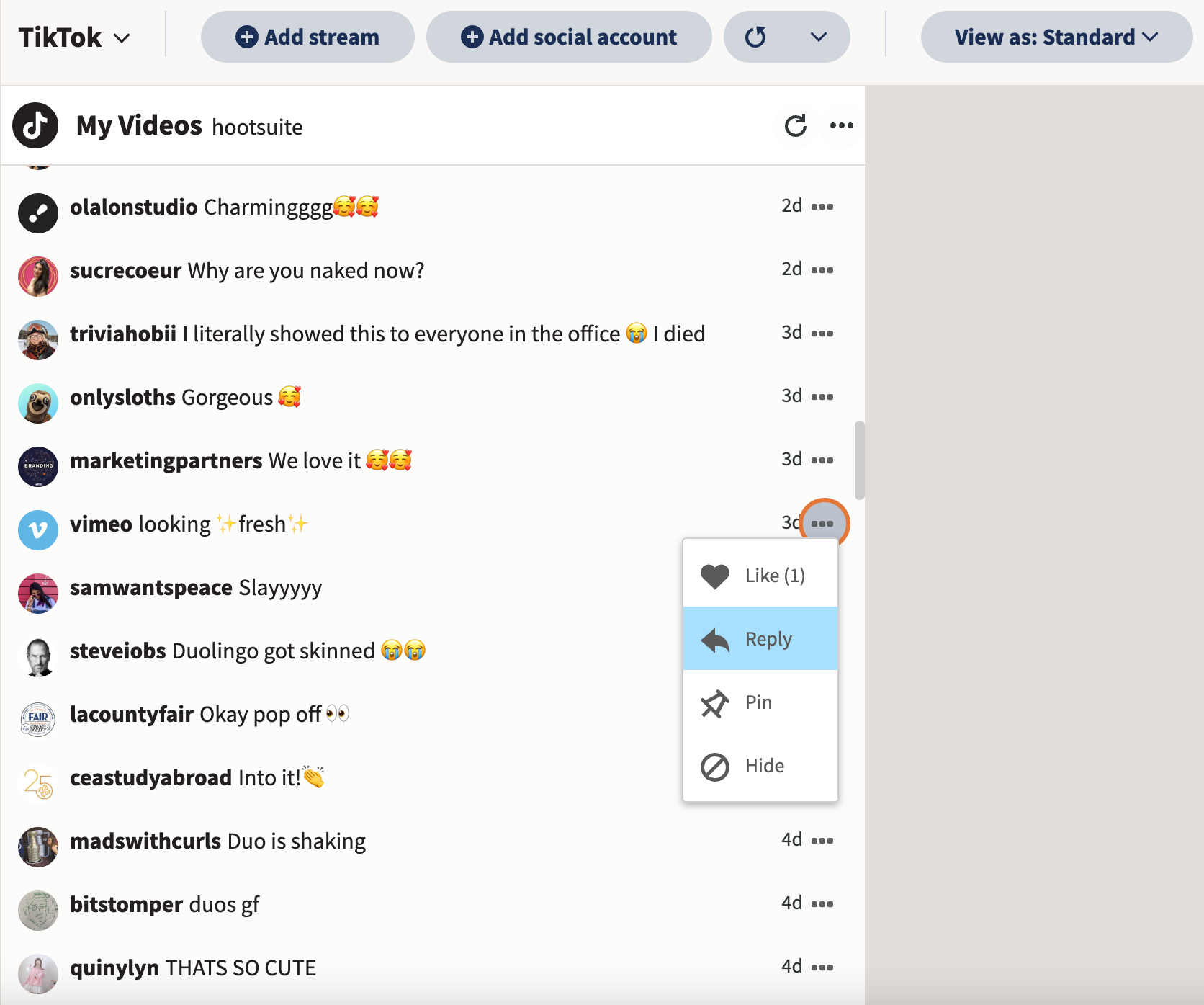
- Lack of Engagement: Posting without interacting with comments or other creators limits community building. Best practice: Actively respond to comments, use video replies, and engage with relevant accounts.
- Forgetting SEO: Neglecting keywords in captions, on-screen text, and spoken words reduces discoverability. Best practice: Conduct keyword research and integrate relevant terms naturally into content.
- No Clear Call to Action: Videos without clear next steps fail to convert viewers into customers. Best practice: Include a simple, direct call to action, whether it’s "shop now," "follow for more," or "link in bio."
- Ignoring Analytics: Failing to track performance and adjust strategy means missing opportunities for improvement. Best practice: Regularly review TikTok analytics and iterate on content based on data.
Essential Tools for 2026 TikTok Marketers
The complexity of TikTok marketing in 2026 necessitates robust tools for content planning, scheduling, performance tracking, and engagement management. Key tools include:
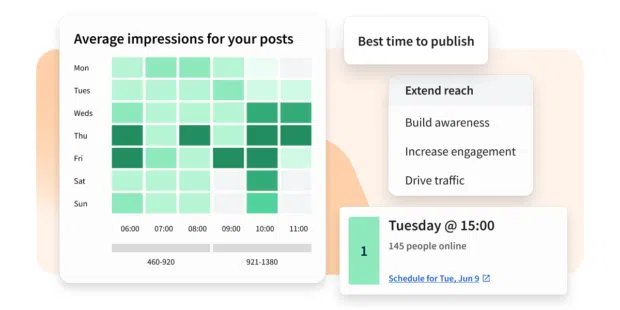
- Social Media Management Platforms: Tools like Hootsuite enable teams to plan and schedule TikTok posts, manage comments, and analyze performance alongside other social channels from a single dashboard. This streamlines workflows for enterprise teams.
- Video Editing Apps: CapCut, TikTok’s native editing app, is crucial for mobile-first creation, offering templates, auto-captions, and effects that produce polished, platform-native videos.
- Graphic Design Tools: Canva provides user-friendly features for creating visually appealing static assets, video overlays, and marketing collateral.
- TikTok Creative Center: An invaluable free resource for discovering trending content, sounds, creators, and hashtags, aiding competitive research and content inspiration.
- Link-in-Bio Tools: Solutions like Hootbio allow brands to consolidate multiple links into a single, trackable link in their TikTok profile, directing traffic to external websites, online stores, or other social profiles.
In conclusion, TikTok’s evolution into a sophisticated marketing, commerce, and search platform in 2026 demands a strategic, agile, and authentic approach from brands. By understanding its unique ecosystem, leveraging its advanced features, and committing to consistent, data-driven content creation, businesses can unlock significant opportunities for growth and deeper consumer connection. The regulatory discussions, while noteworthy, primarily reinforce the need for flexible strategies that prioritize portable creative and diversified channel management, ensuring TikTok remains a cornerstone of future-proof digital marketing efforts.


 Basiran

 Ammar Sabilarrohman