Jia Lissa
YouTube, the video behemoth under the Alphabet Inc. umbrella, reported a significant deceleration in its advertising revenue growth for the third quarter of 2026, registering an 11.2 billion dollar intake from ads. This figure represents a 9% year-over-year increase, a notable dip from the 13% growth recorded in the preceding second quarter. While the advertising segment, historically YouTube’s primary revenue driver, showed signs of moderation, the platform’s strategic pivot towards subscription services, expansion of creator monetization opportunities, and aggressive integration of artificial intelligence tools presented a more dynamic and resilient financial picture. The company’s latest earnings, disclosed by parent company Alphabet, underscore a broader industry trend where platforms are diversifying revenue streams to mitigate the volatility inherent in digital advertising markets.
Ad Revenue Slowdown: A Closer Look at Q3 2026 Performance
The $11.2 billion in ad revenue for Q3 2026, though a substantial sum, reflects a maturation of YouTube’s advertising business and a potential reaction to a more cautious global advertising climate. The 9% growth rate, while still robust in absolute terms, signals a deceleration that merits closer examination. In contrast, the second quarter of 2026 had seen a healthier 13% growth, indicating that the third quarter experienced headwinds that might be attributed to several factors. Globally, advertisers have been increasingly selective with their budgets, often prioritizing performance-based campaigns and scrutinizing return on investment more intensely amidst fluctuating economic conditions. This trend, coupled with increased competition from other digital platforms vying for ad spend, could contribute to the observed slowdown.
Analysts widely interpret such slowdowns not necessarily as a sign of weakness, but rather as an indicator that the market for traditional digital display and video advertising may be nearing saturation in some segments, compelling platforms like YouTube to innovate and explore new revenue avenues. The shift from double-digit percentage growth to a more modest, albeit still positive, rate suggests that YouTube’s ad revenue trajectory is evolving, moving from an early-growth phase into a more stable, mature growth phase. This context is crucial for understanding Alphabet’s broader financial strategy, which increasingly emphasizes diversified income streams beyond its core advertising business.
The Ascent of Subscription Services: YouTube Premium and Music Drive Diversification
In stark contrast to the tempered ad growth, YouTube’s subscription services emerged as a powerful engine of expansion, significantly contributing to an 11% increase in Google’s overall subscription revenue. A standout achievement for the quarter was YouTube Music and Premium collectively reaching an impressive 150 million subscribers. This milestone represents a substantial leap from the 100 million subscriber threshold that YouTube’s paid services had crossed in early 2024, demonstrating an accelerated adoption rate over approximately two and a half years.
The strategic importance of this growth cannot be overstated. Subscription revenue provides a more predictable and stable income stream, less susceptible to the cyclical fluctuations that can impact advertising budgets. YouTube Premium offers an ad-free viewing experience, background playback, downloads, and exclusive access to YouTube Music, features that have evidently resonated with a growing segment of users willing to pay for an enhanced experience. The rapid expansion from 100 million to 150 million subscribers in such a relatively short period underscores the platform’s success in converting its massive free user base into paying customers, a critical move for long-term financial resilience. This strategy aligns YouTube with other major content platforms that have successfully built robust subscription models, such as Netflix, Spotify, and Disney+, positioning it more competitively within the broader entertainment and media landscape.
Dominating the Living Room: YouTube’s Connected TV Strategy
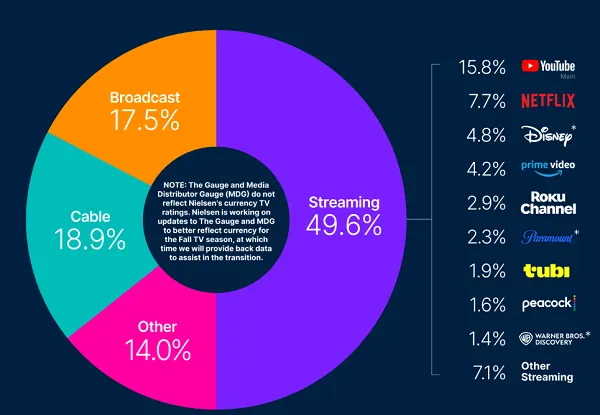
A pivotal factor driving both subscription sign-ups and advertising revenue growth has been YouTube’s formidable presence in the connected TV (CTV) space. According to Nielsen’s "The Gauge" report from August 2026, which meticulously tracks U.S. TV viewing behaviors, YouTube has solidified its position as the top streaming platform in the United States. This achievement signifies a profound shift in consumer habits, with an increasing number of households opting for YouTube content as a viable alternative to traditional linear television.

During Alphabet’s second-quarter earnings call in July 2026, company executives highlighted significant momentum in Premium sign-ups specifically among connected TV viewers. This trend continued into Q3, with Google Chief Business Officer Philipp Schindler emphasizing in the accompanying Q3 earnings call that YouTube’s "Living Room" experience – its connected TV offering – is rapidly becoming a paramount factor for the platform’s overall revenue. Schindler revealed that CTV viewership now accounts for more than one-third of YouTube’s total ad revenue, a testament to its burgeoning importance. This integration into the living room not only expands YouTube’s reach but also unlocks premium advertising opportunities, as advertisers can target audiences engaging with high-quality content on larger screens, often in a communal viewing setting. The ability to deliver tailored advertisements within a premium viewing environment allows YouTube to command higher ad rates and attract a broader spectrum of brand advertisers typically associated with traditional television. The success of the "Living Room" strategy positions YouTube as a direct competitor to traditional broadcasters and established streaming services, leveraging its vast content library and creator ecosystem to capture significant viewership.
Empowering the Creator Economy: New Avenues for Monetization
Beyond its direct revenue streams, YouTube continues to aggressively invest in and expand its creator economy, recognizing that a thriving ecosystem of content creators is fundamental to its long-term success. The platform now boasts over three million creators actively participating in its partnership program, a testament to the robust monetization opportunities available. This program allows creators to earn revenue from ads displayed on their videos, as well as through various other features like Super Chat, Channel Memberships, and merchandise shelves.
A significant area of focus and growth is e-commerce, with more than 1.3 million channels now enrolled in YouTube’s shopping program. This initiative empowers creators to sell products directly through their channels, integrating shopping experiences seamlessly into videos, Shorts, and livestreams. Further solidifying this push, YouTube recently unveiled a landmark affiliate partnership with Amazon, allowing U.S.-based creators to directly tag Amazon products within their video content. This integration dramatically expands promotional and creator monetization opportunities, offering creators a streamlined way to earn commissions on sales generated through their recommendations. For YouTube, this partnership not only diversifies creator income but also deepens user engagement by transforming the viewing experience into a shoppable one. It also positions YouTube more firmly in the competitive landscape of social commerce, challenging platforms like TikTok and Instagram, which have also been aggressively pursuing e-commerce integration. The ability for creators to seamlessly integrate product recommendations and earn directly from sales strengthens their loyalty to the platform and attracts new talent, ensuring a continuous supply of diverse content.
Generative AI: Revolutionizing Content Creation and Advertising
Alphabet’s Q3 2026 earnings call also underscored the increasing integration of artificial intelligence across YouTube, particularly in enhancing ad targeting and augmenting creative output for users. Philipp Schindler highlighted that with over 20 million videos uploaded daily, the platform is leveraging generative AI tools within YouTube Studio, alongside a conversational editing assistant in Shorts and YouTube Create, to simplify and accelerate the content creation process. These tools are designed to lower the barrier to entry for aspiring creators and enhance the efficiency of seasoned professionals.
The chronology of YouTube’s AI integration reveals a strategic rollout. In March 2026, YouTube launched an AI-powered "reimagine" option for Shorts, enabling viewers to generate alternative video clips based on existing creator content, fostering a new layer of interactive creativity. The platform also experimented with an "Extend with AI" feature, allowing creators to generate alternative video endings, offering unprecedented flexibility in storytelling. The impact of these innovations is already evident in user behavior. A report published by YouTube just last week indicated that 61% of individuals who had posted videos on the app over the past 12 months expressed interest in utilizing AI to insert themselves into video content. This data suggests a strong resonance between YouTube’s AI-powered creative additions and its user base, indicating a significant appetite for these advanced tools. While the rise of AI-generated content inevitably brings challenges such as "AI slop" – referring to low-quality or nonsensical output – YouTube’s proactive approach to integrating these technologies suggests a commitment to managing these risks while harnessing AI’s transformative potential for creativity and engagement. AI is also being deployed to optimize ad targeting, ensuring that advertisements are more relevant to viewers, thereby improving campaign performance for advertisers and enhancing the overall user experience.
Strategic Imperatives and Future Outlook
YouTube’s Q3 2026 performance illustrates a platform in transition, strategically adapting to a dynamic digital landscape. The moderation in ad revenue growth serves as a catalyst for accelerated diversification, with subscriptions and the creator economy emerging as critical pillars for future stability and expansion. The aggressive push into connected TV, coupled with innovative monetization tools for creators and the pervasive integration of artificial intelligence, positions YouTube strongly against competitors.
The company’s ability to maintain its leadership in streaming, expand its subscription base, and foster a vibrant creator ecosystem will be paramount. In an increasingly fragmented media environment, where platforms like TikTok and Meta’s offerings constantly vie for user attention and advertising dollars, YouTube’s multi-pronged strategy appears robust. However, challenges persist, including the need to navigate regulatory scrutiny around data privacy and content moderation, particularly concerning AI-generated content. Alphabet’s continued investment in YouTube’s evolving business model signals a long-term vision to transform the platform from primarily an ad-supported video hosting site into a comprehensive digital entertainment and commerce ecosystem, built on a foundation of diverse revenue streams and cutting-edge technology. This strategic evolution will be crucial for YouTube to sustain its growth trajectory and influence in the years to come, solidifying its role as a central hub for content creation, consumption, and community engagement globally.

 Nana Wu

 rifanmuazin