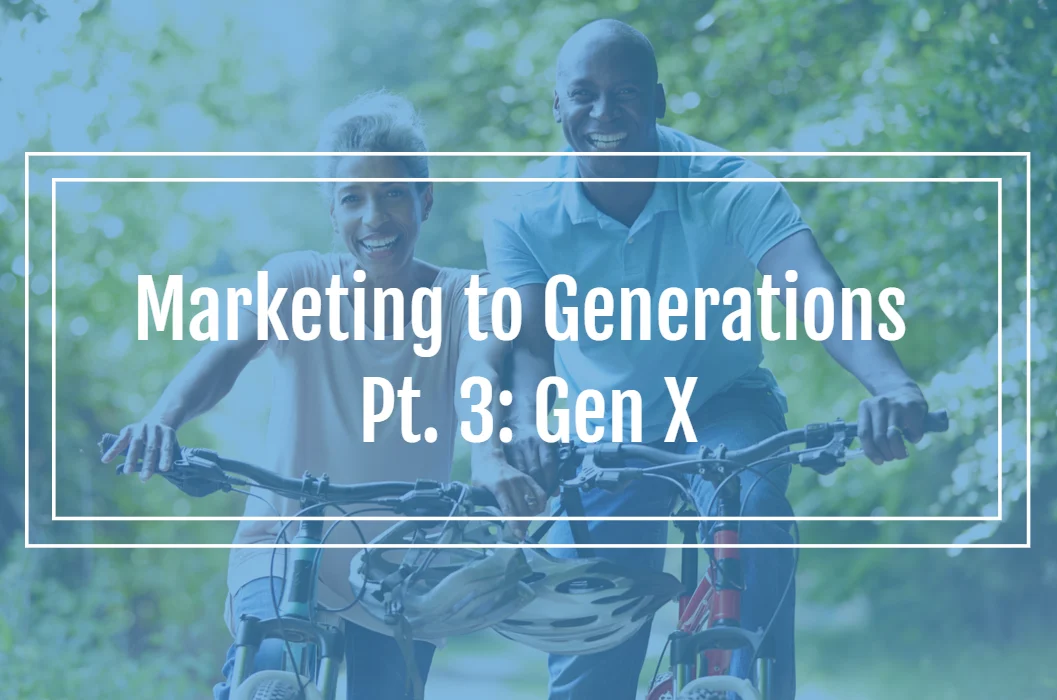
"Target" is a foundational concept in marketing, representing the crucial understanding of who a brand is attempting to reach. This understanding is multifaceted, encompassing behavioral, psychographic, demographic, and geographic considerations. However, an equally vital, yet sometimes overlooked, dimension is generational targeting. This series has delved into the digital marketing strategies for Gen Z, Millennials, and Gen X, providing insights into reaching these distinct groups with tailored messages and platforms. This final installment focuses on the Baby Boomer generation, examining their unique characteristics, consumption patterns, and how marketers can effectively connect with this influential demographic.
The Baby Boomer generation, defined by birth years generally spanning from 1940 to 1959, has historically been one of the largest demographic cohorts in the United States. Born in the post-World War II era, they have witnessed and shaped an era of unprecedented technological advancement, significant societal shifts, and profound economic evolution. While younger generations often playfully or critically caricature Boomers, attributing traits like resistance to change or specific cultural touchstones, the reality of their formative experiences and enduring values is far more nuanced and impactful for contemporary marketing efforts.
The Crucible of Experience: Shaping the Baby Boomer Mindset
The formative years of Baby Boomers were indelibly marked by the aftermath of global conflict and the dawn of a new geopolitical landscape. The sheer scale of devastation from World War II, with an estimated 60 million military and civilian deaths worldwide, and the chilling demonstration of atomic weaponry, created a generation acutely aware of the fragility of peace and the devastating consequences of conflict. This backdrop was followed by the anxieties of the Korean War and the protracted tensions of the Cold War, a period characterized by nuclear brinkmanship and ideological struggle. For many Boomers, particularly those of color in the United States, this era also coincided with the monumental struggle for civil rights, confronting systemic racism and advocating for fundamental human equality.
The political landscape was equally turbulent, marked by seismic events such as the assassination of President John F. Kennedy, which deeply shook the national psyche, and the Watergate scandal, which eroded public trust in government institutions. Economically, the nation weathered significant challenges, including the oil crises of the 1970s, which led to widespread disruption and economic uncertainty.
Despite these tumultuous events, the Baby Boomer generation came of age during a period of relative economic prosperity in the United States. This created a societal environment where the home became a sanctuary, a focal point for stability and security. Traditional values and roles, which had been somewhat disrupted by the war, often re-emerged with renewed emphasis. This context fostered a deep appreciation for relationships, not just personal ones, but also the connection between businesses and their clientele. Consequently, Baby Boomers often place a high premium on exceptional customer service, expecting interactions that are respectful, efficient, and personalized. This expectation is a direct legacy of an era where personal relationships often underpinned commercial transactions.
Furthermore, the Baby Boomer generation is characterized by a robust work ethic. The prevailing sentiment was that diligent effort and sustained commitment would lead to tangible rewards and career advancement. This belief fostered a culture of loyalty to employers and a preference for ascending within a single organization rather than frequently changing jobs. While many Boomers are now retired, this ingrained work ethic continues to inform their decision-making and their appreciation for businesses that demonstrate reliability and integrity. This often translates into a competitive spirit, a desire to achieve and to be recognized for their contributions.
Financially, as individuals age, they typically accumulate more wealth than younger generations, a trend exacerbated by the significantly lower costs of education and housing during their formative years compared to contemporary prices. This accumulation of hard-earned assets instills a degree of thriftiness and a keen awareness of financial prudence. Protecting their investments and ensuring value for money are paramount concerns, influencing their purchasing decisions and their receptiveness to promotional offers.
Consumption Patterns: Value, Service, and Evolving Preferences
The distinct life experiences and values of Baby Boomers translate into discernible consumption patterns that differ from those of younger generations. While there is considerable diversity within the cohort, a general preference for in-store shopping over online channels persists, particularly among those born earlier in the generation. This preference underscores their continued appreciation for tangible shopping experiences, the ability to physically interact with products, and, crucially, the human element of customer service. For businesses with a physical presence, highlighting location and offering in-person assistance remains a potent marketing strategy. While Boomers are increasingly comfortable with online transactions, a superior in-store experience can be a significant differentiator.
A core tenet of Boomer consumption is the pursuit of value for money. As many are now in retirement, making sound financial decisions is paramount to maintaining their lifestyle and security. This often means they are receptive to promotions that clearly articulate tangible benefits and cost savings. Bundle sales, for instance, can effectively communicate enhanced value. Interestingly, compared to younger demographics, Baby Boomers exhibit a lower propensity to prioritize brands based on environmental initiatives. Data suggests that Boomers are approximately 34% less likely than the average consumer to actively seek out brands committed to reducing energy consumption. Similarly, their engagement with broader Corporate Social Responsibility (CSR) initiatives tends to be less pronounced than that of Millennials and Gen Z. While these factors are gaining importance across all demographics, for Boomers, the primary drivers often remain product quality, price, and service.
Recommendations and trusted sources play a significant role in their purchasing decisions. While traditional influencer marketing might not resonate in the same way as it does with younger audiences, testimonials, endorsements from credible figures, and positive word-of-mouth remain highly influential. It is important for marketers to ensure that any chosen influencers or brand advocates authentically represent the values and interests of the Boomer demographic. Furthermore, a significant consideration is the intergenerational influence within families. Many Boomers actively consult their children and grandchildren, especially when making decisions about technology or complex purchases. Therefore, marketing messages may need to subtly address not only the primary Boomer consumer but also the influential family members who may be advising them.
Strategic Marketing to the Baby Boomer Cohort
Understanding the distinct mindset and consumption habits of Baby Boomers is the first step towards effective marketing. The next is to identify the most effective channels and messaging strategies to reach them.
Platforms for Reaching Baby Boomers
While Baby Boomers may not be as prevalent on emerging social media platforms like TikTok or Snapchat, they are active users of established digital channels and traditional media.
- Television: Broadcast and cable television remain significant platforms for reaching this demographic. News programs, documentaries, and drama series often command substantial Boomer viewership.
- Print Media: Newspapers and magazines, particularly those with a focus on news, finance, health, and lifestyle, continue to be consumed by a substantial segment of the Boomer population.
- Email Marketing: Direct and personalized email campaigns are highly effective. Boomers are generally comfortable with email as a communication tool and appreciate receiving relevant information and offers directly.
- Facebook: This remains one of the most popular social media platforms for Baby Boomers. They use it to connect with family and friends, share information, and follow brands and interests. Targeted advertising on Facebook can yield significant results.
- YouTube: Increasingly, Baby Boomers are utilizing YouTube for information, entertainment, and tutorials. Content that is educational, informative, or offers practical advice can resonate well.
- Search Engines: Boomers actively use search engines like Google to research products, services, and health information. Search engine optimization (SEO) and targeted search engine marketing (SEM) are crucial for capturing their intent.
- Radio: Terrestrial radio, particularly during commute times and for specific programming genres, continues to have a loyal Boomer audience.
Messaging That Speaks to Baby Boomers
Crafting resonant messaging requires an understanding of their values and priorities.
- Emphasis on Reliability and Trust: Messages that highlight the longevity, stability, and trustworthiness of a brand or product will resonate. Boomers value established reputations and are wary of overly trendy or unproven offerings.
- Focus on Value and Practical Benefits: Clearly articulate the tangible benefits and cost-effectiveness of your product or service. Phrases that suggest good value, durability, and long-term savings are effective.
- Highlighting Customer Service: Explicitly mention the quality of customer support, ease of returns, and personalized assistance. Testimonials that speak to excellent service can be very persuasive.
- Nostalgia and Familiarity: Subtly invoking positive memories or familiar themes from their past can create an emotional connection, but this should be done with authenticity and avoid appearing condescending.
- Clear and Direct Language: Avoid jargon, overly complex language, or slang that may not be universally understood. Messages should be clear, concise, and easy to comprehend.
- Focus on Health and Well-being: As this demographic ages, interests in health, wellness, and maintaining an active lifestyle are significant. Messaging that addresses these concerns can be highly relevant.
- Respectful and Dignified Tone: Avoid patronizing language or stereotypes. Treat Boomers as discerning consumers with valuable life experience and purchasing power.
Broader Implications and Future Considerations
The Baby Boomer generation, despite the increasing demographic dominance of Millennials and Gen Z, continues to wield significant economic influence. Their accumulated wealth and spending power make them a critical target audience for a wide range of industries, from healthcare and finance to travel and consumer goods. Marketers who fail to acknowledge and cater to their unique preferences risk alienating a substantial segment of the consumer market.
The evolving digital landscape presents both challenges and opportunities. While Boomers may not be early adopters of every new platform, their increasing comfort with digital tools means that online engagement is no longer optional. The key lies in understanding how they engage online and tailoring strategies accordingly. This includes ensuring websites are user-friendly, mobile-responsive, and offer clear navigation.
Ultimately, successful marketing to Baby Boomers is about building relationships based on trust, value, and respect. It requires a nuanced understanding of their life experiences, their current priorities, and their preferred modes of communication. By moving beyond generational stereotypes and embracing a data-driven, empathetic approach, businesses can forge lasting connections with this enduring and influential consumer group. For further assistance in developing tailored digital marketing solutions to effectively reach and convert the Baby Boomer audience, consulting with experienced marketing professionals is recommended.