The digital marketing ecosystem, a dynamic and ever-expanding frontier, continues to offer a diverse array of tools tailored to specific business and creator needs. In this competitive arena, two prominent platforms, ConvertKit (now officially rebranded as Kit) and Brevo, stand out for their distinct approaches to email marketing, automation, and customer engagement. As of September 2026, Kit firmly establishes itself as the preferred solution for content creators—influencers, bloggers, and digital entrepreneurs—who primarily focus on monetizing and marketing their intellectual property. Conversely, Brevo emerges as the robust choice for product and service businesses that manage extensive contact lists, intricate sales pipelines, and require comprehensive Customer Relationship Management (CRM) functionalities. This detailed analysis delves into their respective strengths across pricing, automation, marketing, contact management, monetization, and practical use cases, providing a forward-looking perspective on their utility in the coming years.
Strategic Positioning: Tailoring Tools for Diverse Digital Needs
At its core, the distinction between Kit and Brevo lies in their foundational philosophies. Kit, born from the needs of the creator economy, prioritizes features that empower individuals and small teams to build audiences, engage them, and directly monetize their content. This includes streamlined tools for selling digital products, managing paid newsletters, and fostering direct audience support. Brevo, on the other hand, is engineered as an all-encompassing marketing and sales platform for businesses of varying scales. Its architecture supports a broader spectrum of commercial activities, from transactional emails and multi-channel campaigns to sophisticated sales pipeline management and customer relationship tracking, indicating its suitability for operations with more complex sales cycles and larger customer bases.
Pricing Structures: A Deep Dive into Cost-Effectiveness
One of the most significant differentiating factors between Kit and Brevo is their pricing model, which has substantial implications for scalability and cost. Brevo operates on a monthly email volume basis, meaning users pay for the number of emails sent, with generous contact storage included. This model often translates to lower costs for businesses with large contact lists but moderate sending frequencies. For instance, Brevo’s Starter plan, at $32/month, offers storage for up to 500,000 contacts and 20,000 emails per month.
In stark contrast, Kit’s pricing is contact-based, with unlimited email broadcasts across all paid plans. While this offers unparalleled freedom for frequent communication, it can become significantly more expensive as a subscriber list expands. At 1,000 contacts, Kit’s Creator plan starts at $33/month, already surpassing Brevo’s $17 Starter plan (with 10,000 emails). The disparity becomes even more pronounced at higher tiers; accommodating 500,000 contacts on ConvertKit would cost well over $2,000/month, making Brevo a far more economical choice for businesses prioritizing extensive contact storage over unlimited sends.
Both platforms offer compelling free plans. Brevo Free boasts an impressive capacity for 100,000 contacts, though it caps daily email sends at 300 (approximately 9,000/month). ConvertKit Free, while offering unlimited email broadcasts, limits contact storage to 10,000. This means Brevo provides a much larger runway for list growth before requiring a paid upgrade, whereas ConvertKit’s free tier is ideal for creators with smaller, highly engaged audiences who send frequent updates. The "as of September 2026" pricing indicates a stabilized market where these competitive pricing strategies have matured.
Automation and Workflow Capabilities: Streamlining Engagement
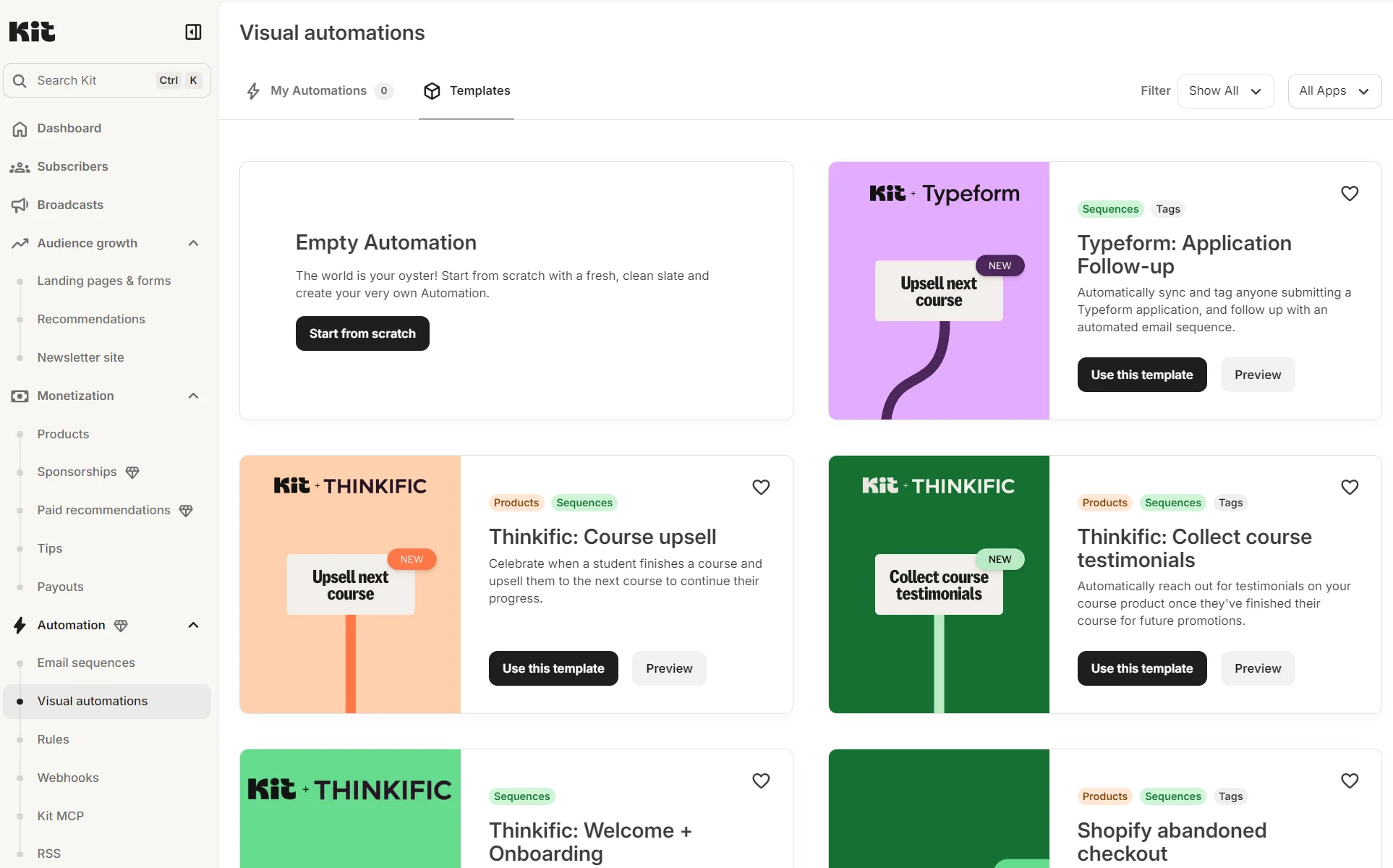
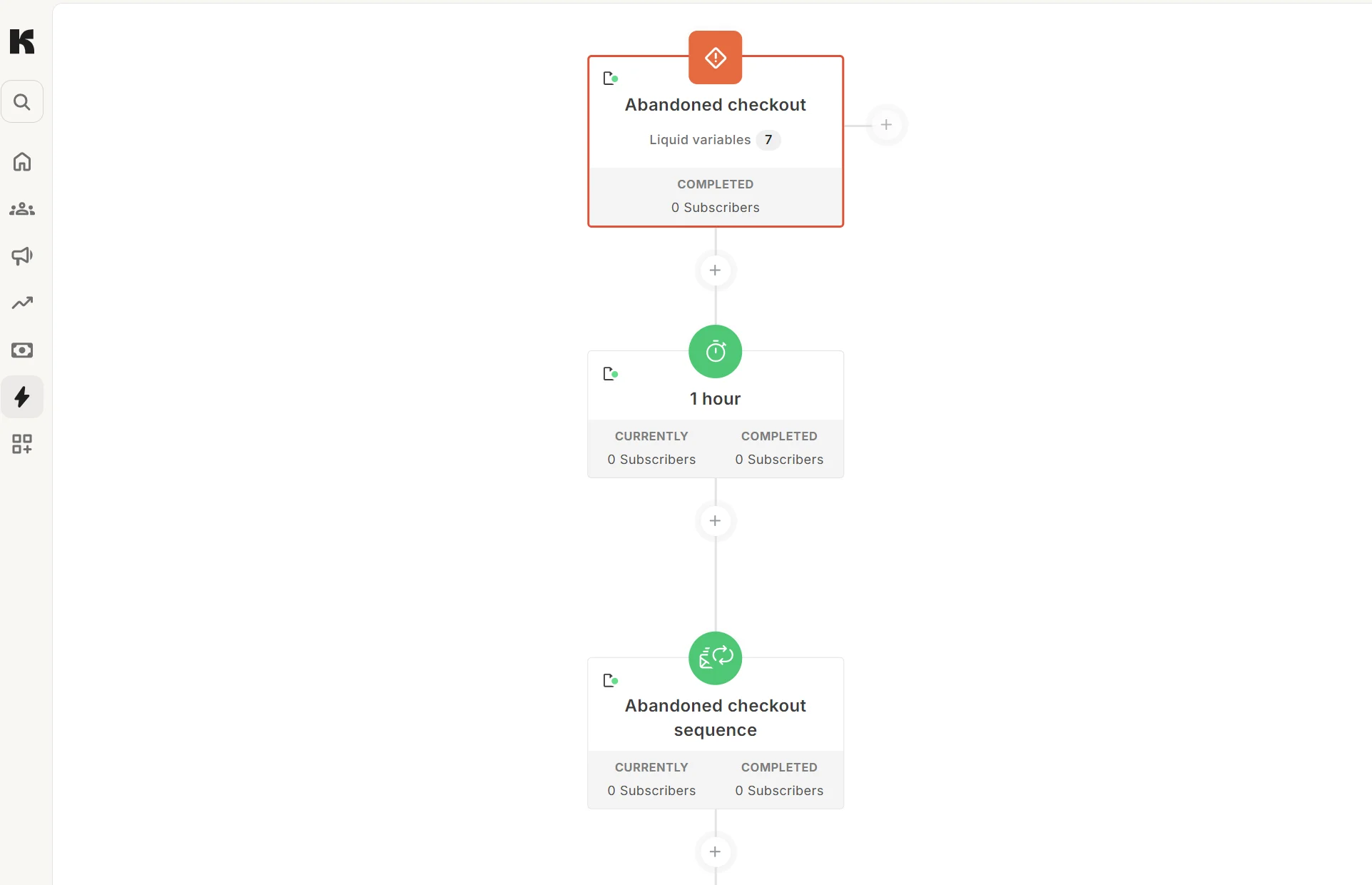
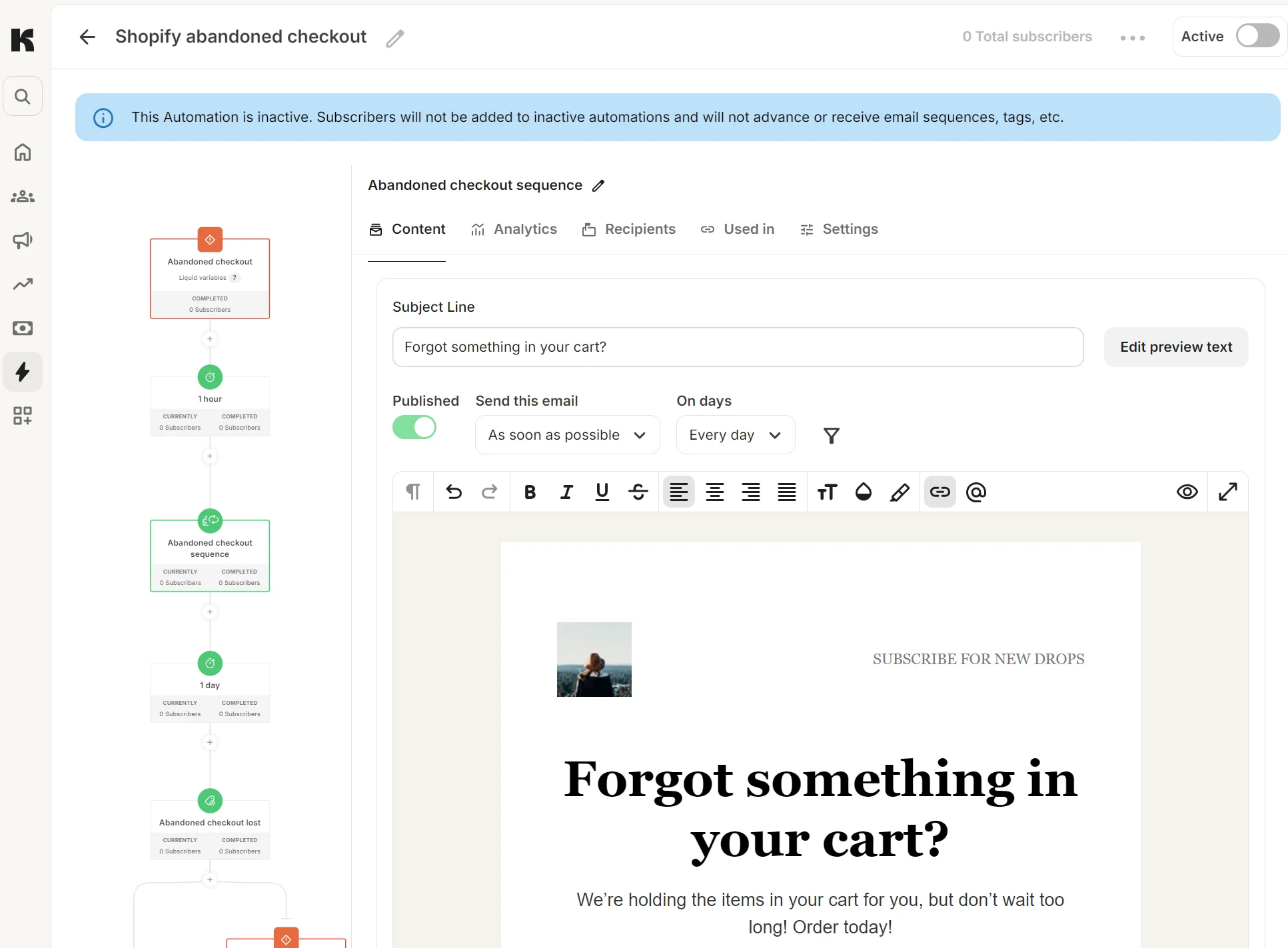
Automation is a cornerstone of modern digital marketing, enabling businesses and creators to deliver timely, relevant messages without manual intervention. ConvertKit’s "visual automations" are highly praised for their intuitive, drag-and-drop interface and their side-loading email editor, which allows users to design email content directly within the automation builder, significantly speeding up workflow. Its library features over 60 pre-built templates, catering to a range of scenarios including welcome sequences, abandoned carts, course upsells, and testimonial requests, though many require integrations with platforms like Shopify, Thinkific, or Typeform. Triggers include form sign-ups, tag additions, custom fields, and product purchases, with a cap of five entry points per automation.
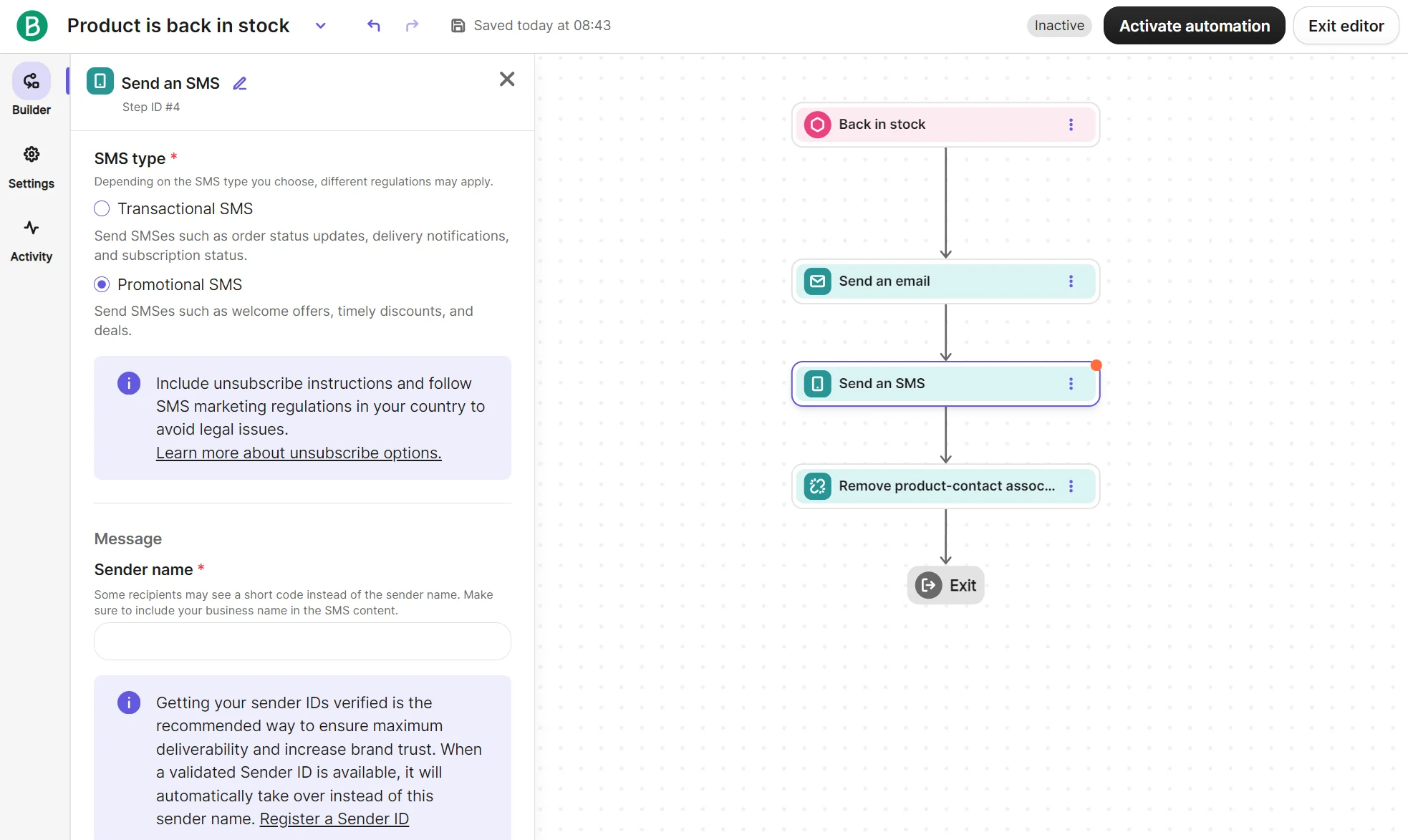
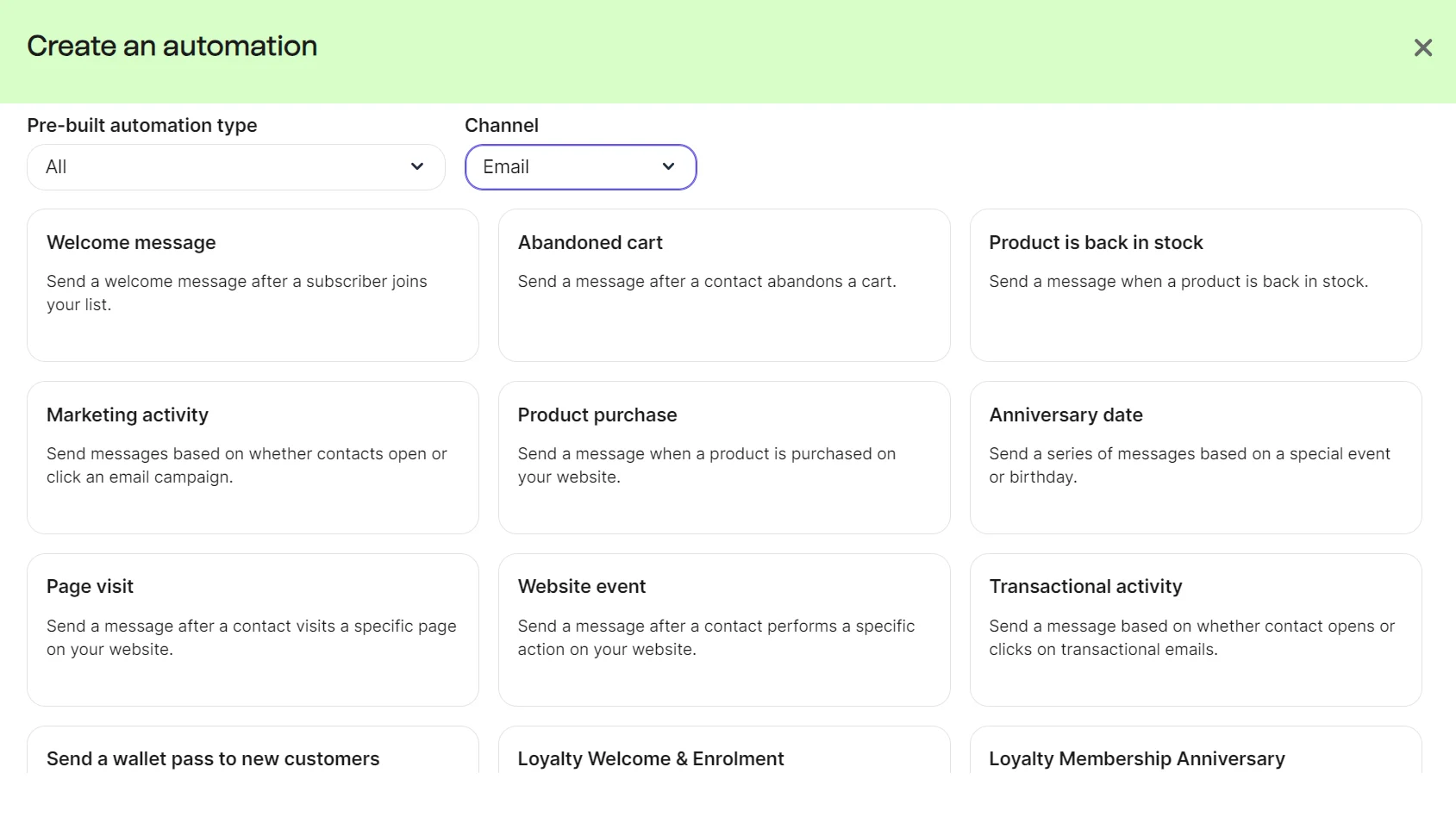
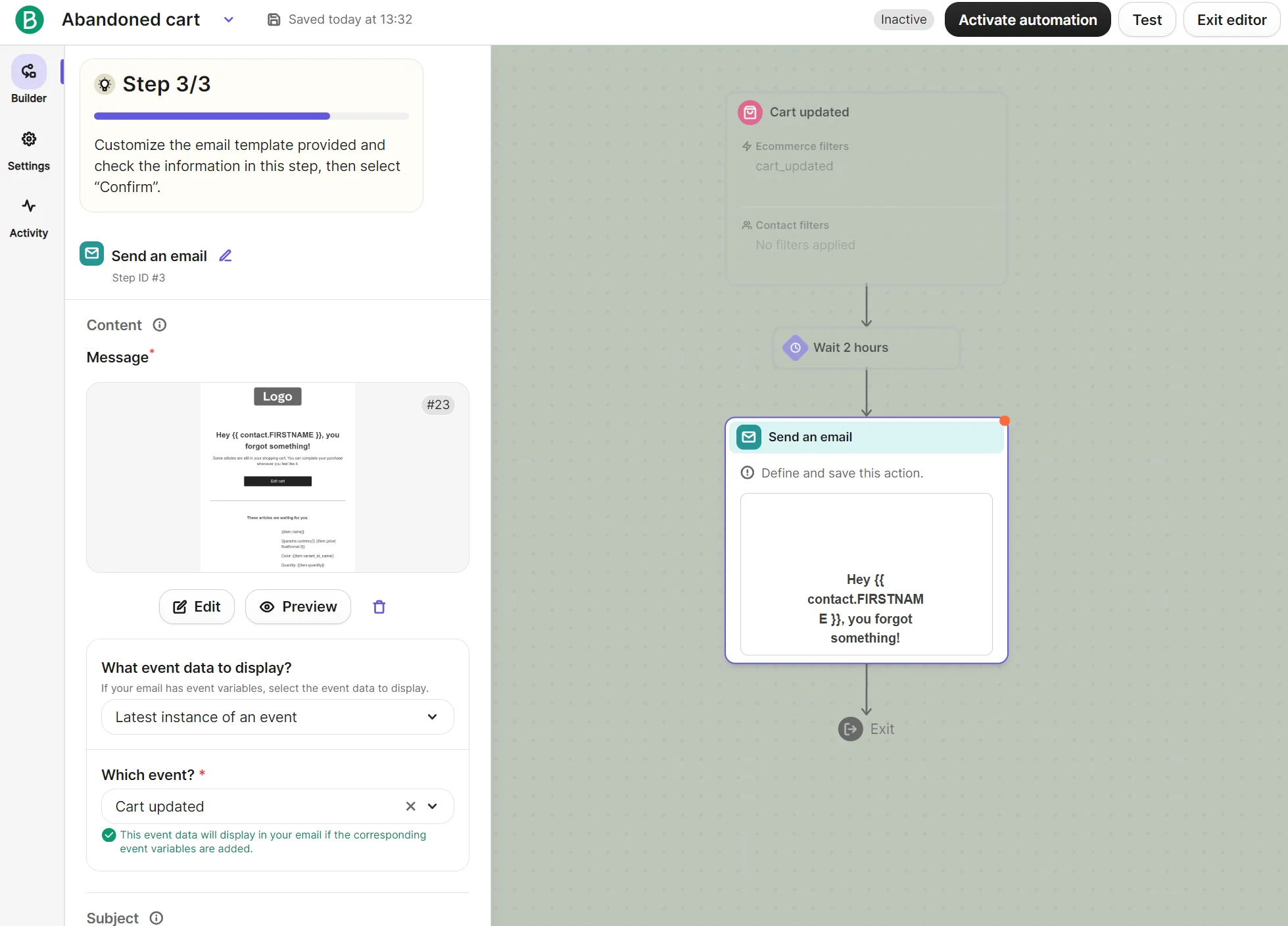
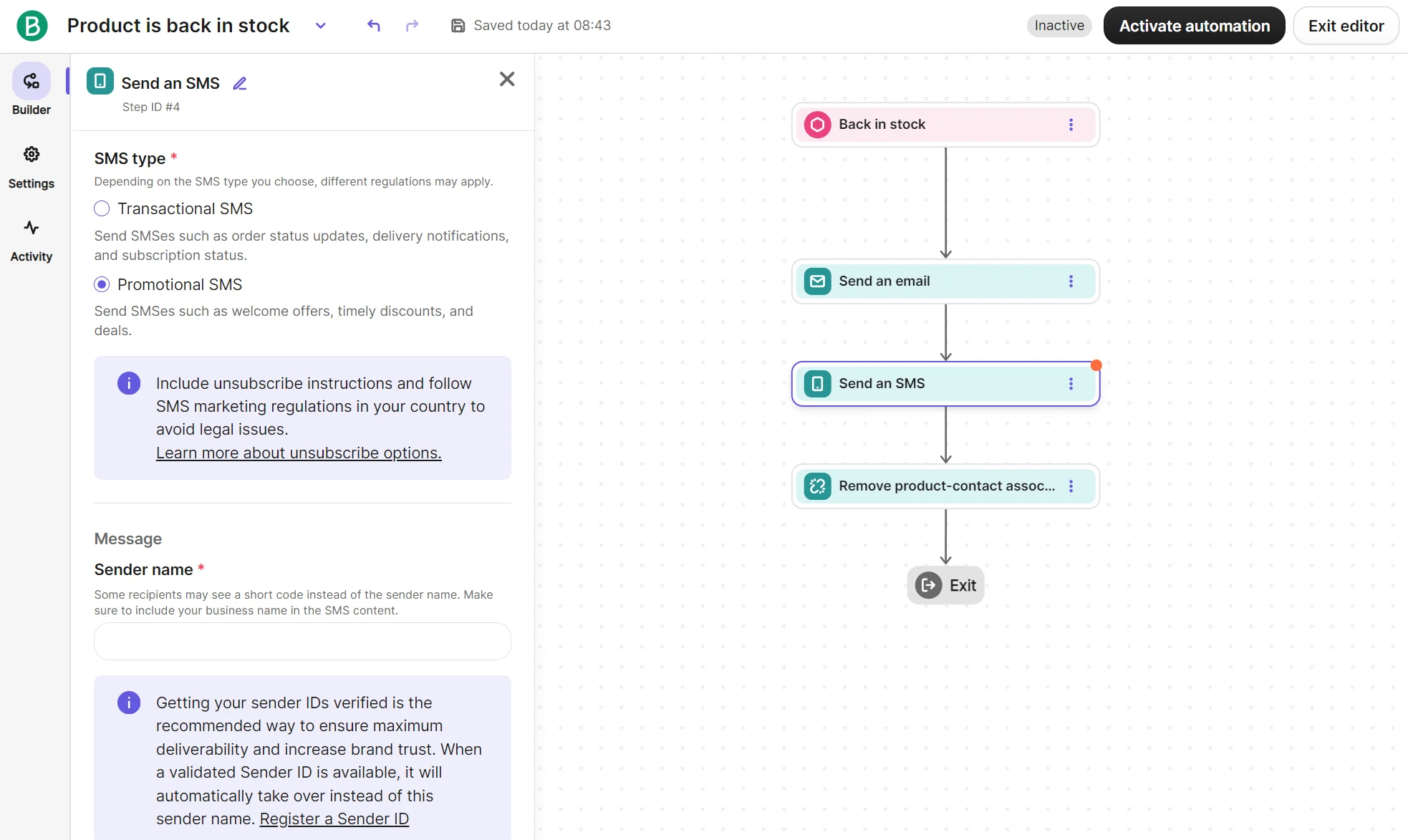
Brevo’s automation library, while smaller with 15 email and 4 SMS templates, is heavily geared towards e-commerce, covering essential flows like abandoned carts, welcome series, back-in-stock alerts, and anniversary messages. Its unique ability to percentage-split flows for A/B testing different versions offers a powerful optimization tool not found in Kit. Brevo also leverages its Aura AI agent to assist in building automations from natural language prompts, simplifying the initial setup. The guided three-step workflow for pre-built automations is particularly beneficial for beginners. Brevo’s triggers extend to orders, deals, and payments, reflecting its broader business application.
Customer Relationship Management (CRM) & Contact Management: Beyond Basic Lists
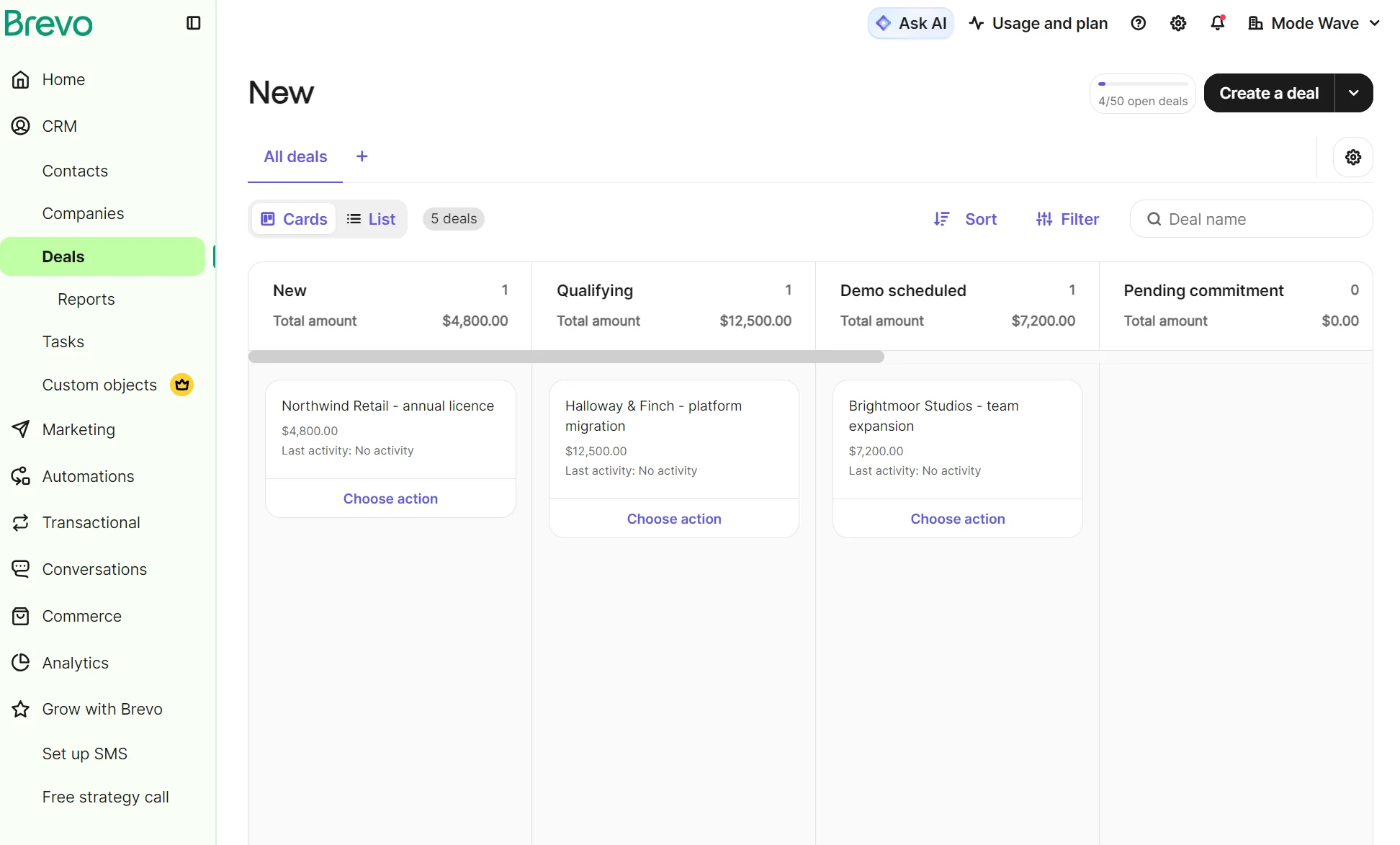
A significant divergence between the two platforms lies in their CRM capabilities. Brevo incorporates a full-fledged CRM system, an indispensable asset for businesses managing complex sales cycles and customer interactions. All Brevo plans include "Sales Free," offering management for up to 50 open deals, automated meeting scheduling, and basic revenue reporting. Upgrades to Sales Essentials ($31/month) or Sales Advanced ($65/month) unlock unlimited deals, sales workflows, AI contact enrichment, VoIP, and advanced scheduling. The Deals dashboard provides a clear, visual pipeline of new, qualifying, won, and lost customers, offering invaluable insights into the sales process.
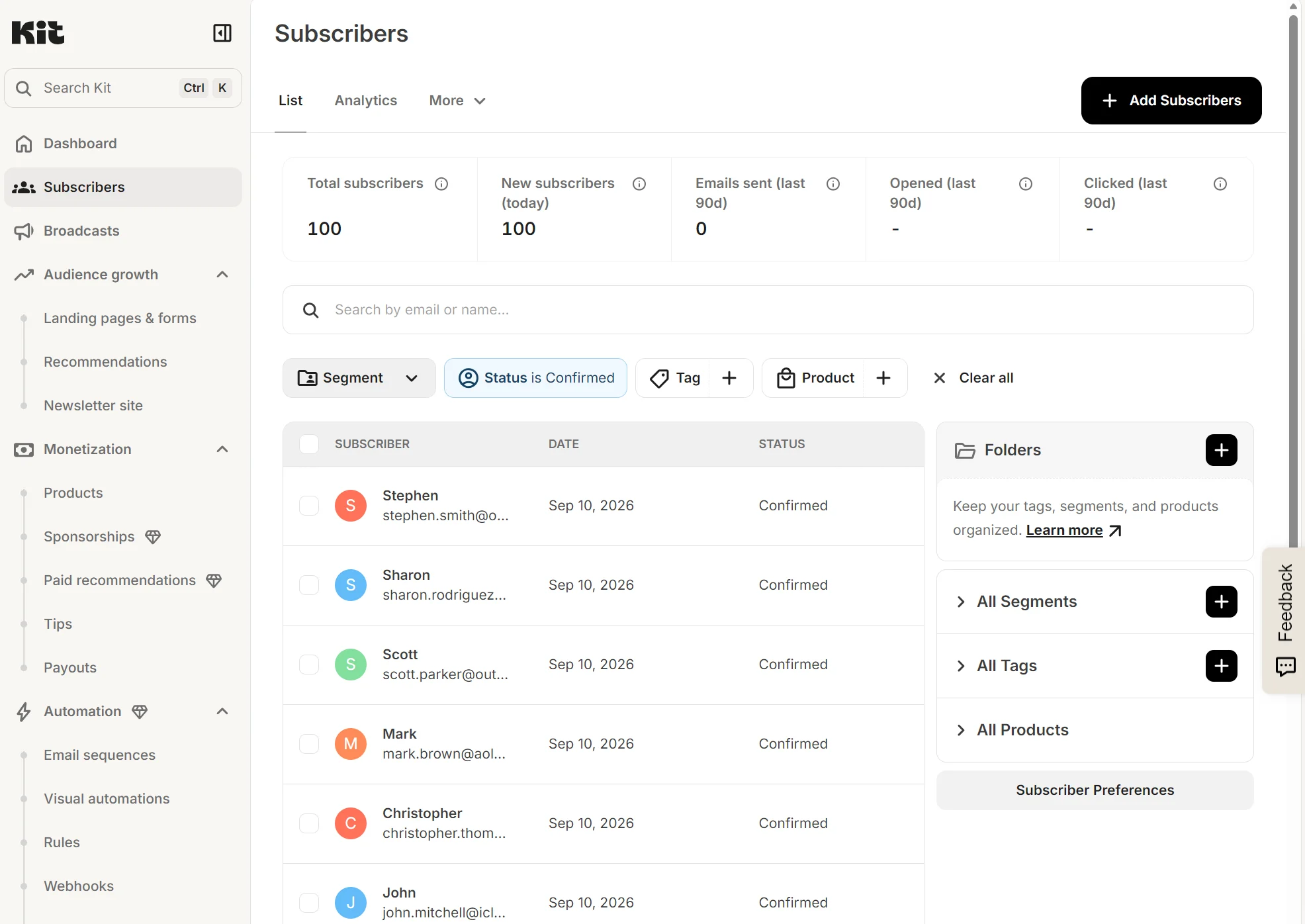
ConvertKit, conversely, does not feature a CRM. Its contact management is robust for audience segmentation and tagging, allowing creators to organize subscribers based on their interests, purchases, or engagement levels. The Subscribers dashboard provides essential contact profiles and filtering options. However, for managing leads through a sales funnel, tracking deal stages, or handling customer service interactions beyond basic email, Kit users would need to integrate with a separate CRM solution, adding complexity and potentially cost to their tech stack. This fundamental difference underscores Brevo’s suitability for B2B and B2C businesses with sales teams, and Kit’s focus on direct-to-consumer creators.
Monetization Tools for Creators: Kit’s Unique Selling Proposition
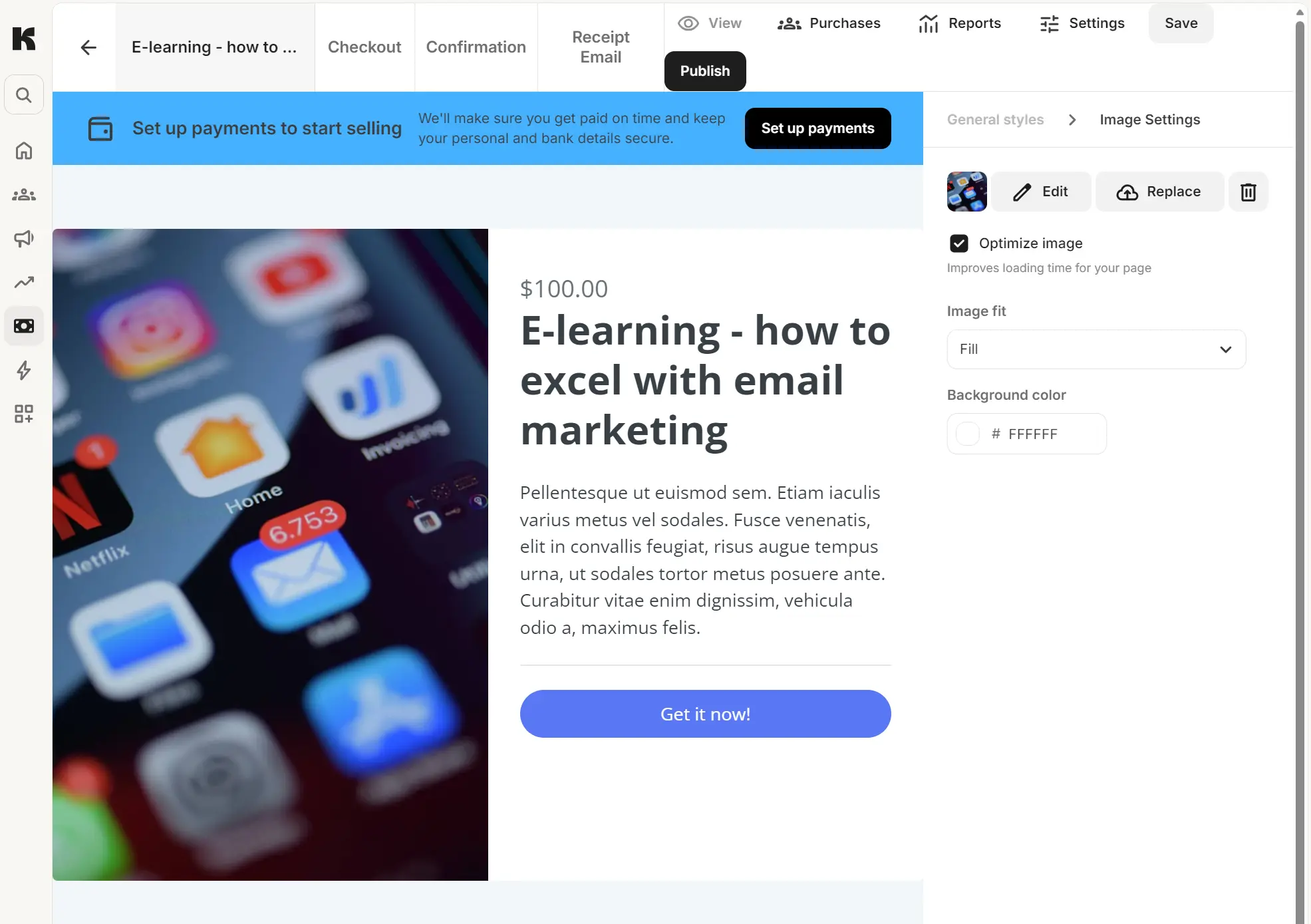
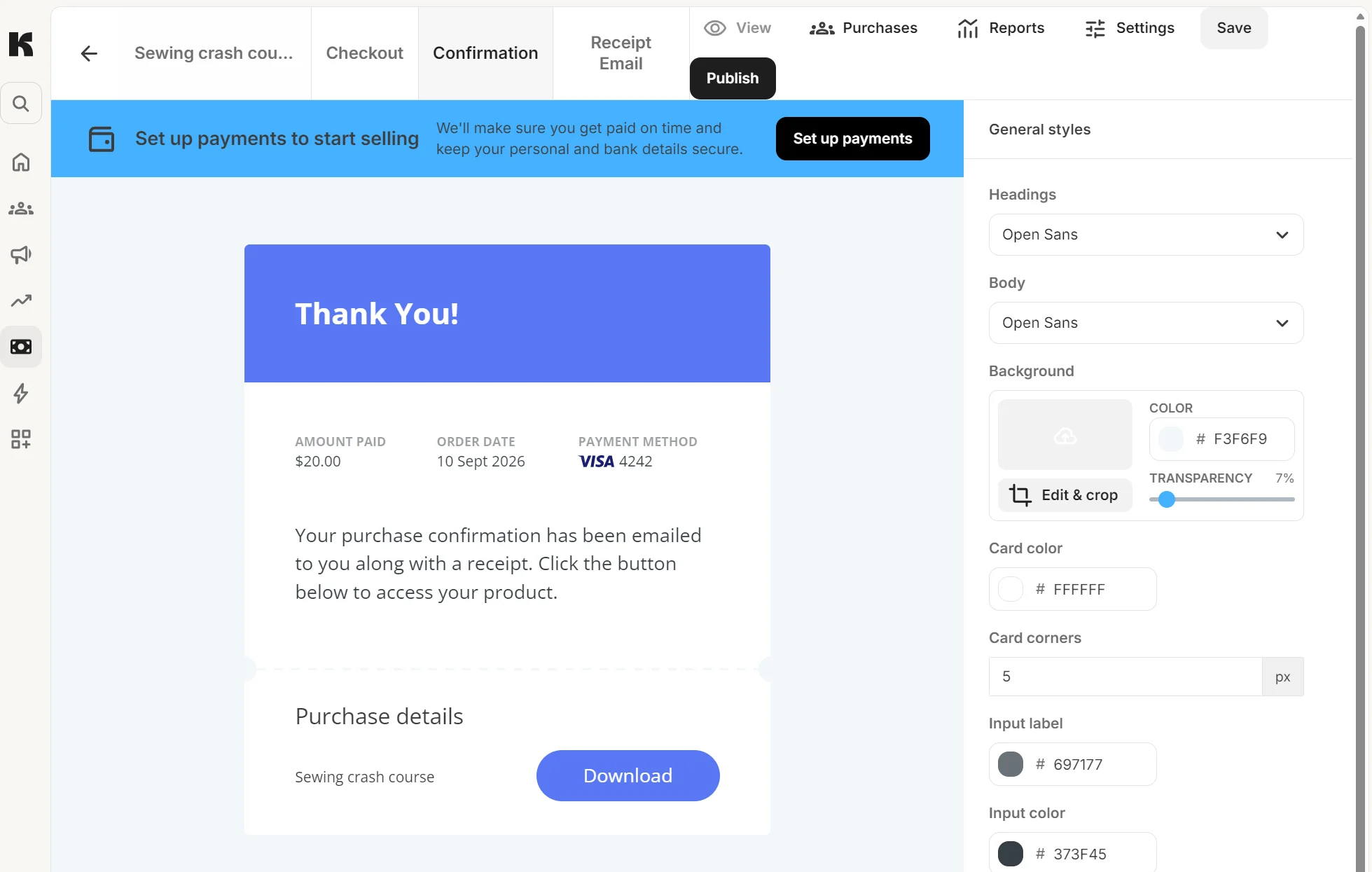
For content creators, Kit’s built-in monetization tools are a game-changer, a feature entirely absent from Brevo. ConvertKit offers comprehensive functionalities for selling digital products, managing paid newsletters, setting up recurring subscriptions, and enabling virtual tip jars across all its plans. The Creator and Pro plans further enhance this by adding paid recommendations and newsletter sponsorships, allowing creators to diversify their income streams. The product builder in Kit is notably user-friendly, enabling quick setup of e-learning courses or other digital offerings with editable checkout, confirmation, and receipt pages. While these monetization features come with transaction fees (3.5% + $0.30 per sale, and 23.5% for Paid Recommendations), they provide a seamless, integrated solution for creators to earn directly from their audience within their marketing platform. This integrated approach to content monetization is a core reason for Kit’s popularity among its target demographic.
Multichannel Marketing & Integrations: Expanding Reach
In the modern digital landscape, reaching customers across multiple channels is paramount. Brevo offers a clear advantage here, natively supporting SMS and MMS marketing across all its plans. This allows for both promotional and transactional SMS campaigns, with prepaid credits that roll over. Furthermore, Brevo extends its multichannel reach with web push notifications available on the Starter plan, and mobile push and WhatsApp on Professional plans, providing a truly integrated omnichannel experience. Its SMS coverage spans over 180 countries, offering broad international appeal.
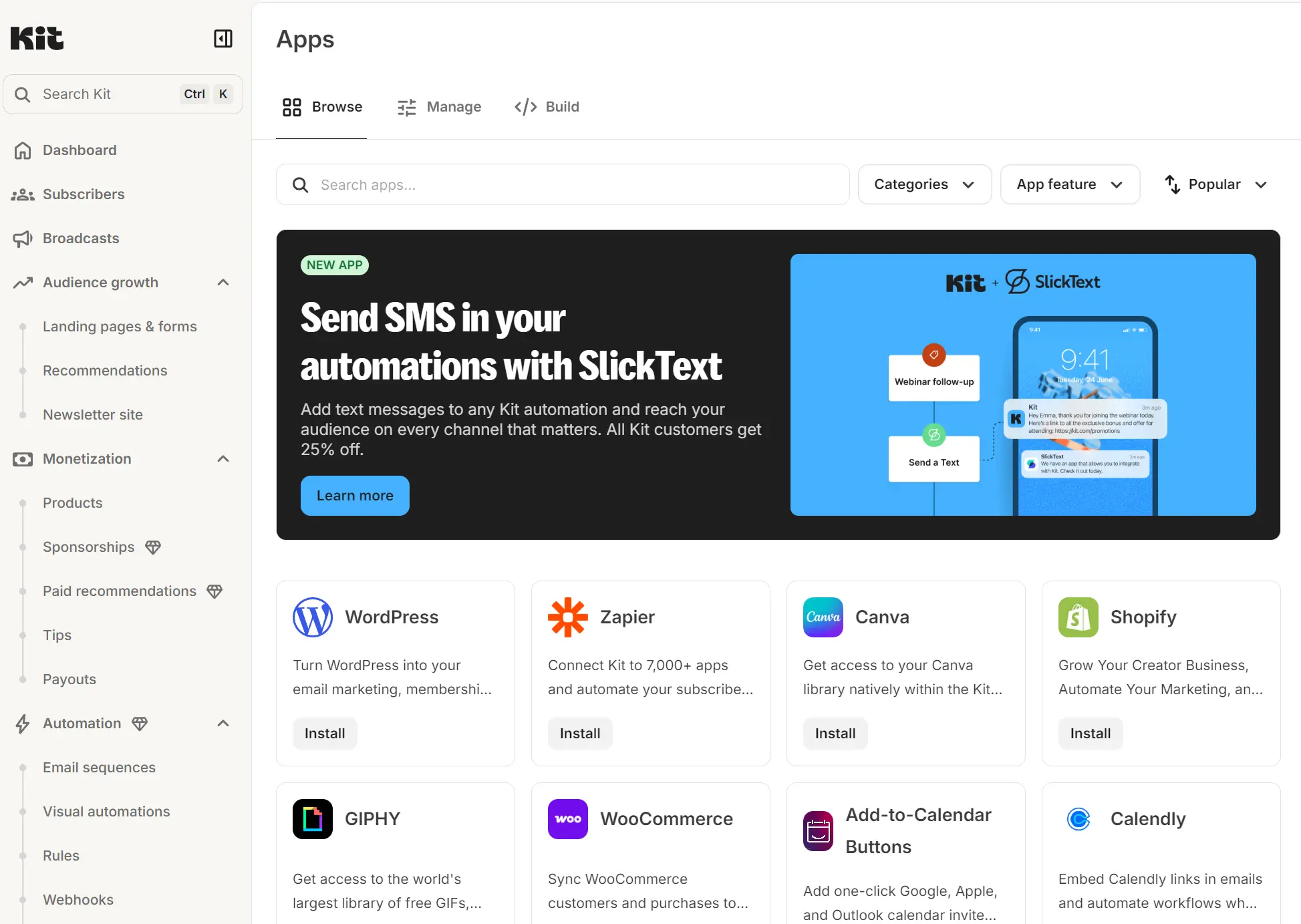
ConvertKit’s native channel offering is limited to email. While it "advertises" SMS marketing from its Creator plan, this functionality is not native and requires integration with third-party tools like SlickText, necessitating a separate paid subscription with that vendor. This integration also restricts SMS support to the United States and Canada, significantly limiting its global utility. For creators primarily focused on email newsletters, this might not be a deterrent, but for businesses aiming for comprehensive multichannel engagement, Brevo clearly provides a more robust and native solution.
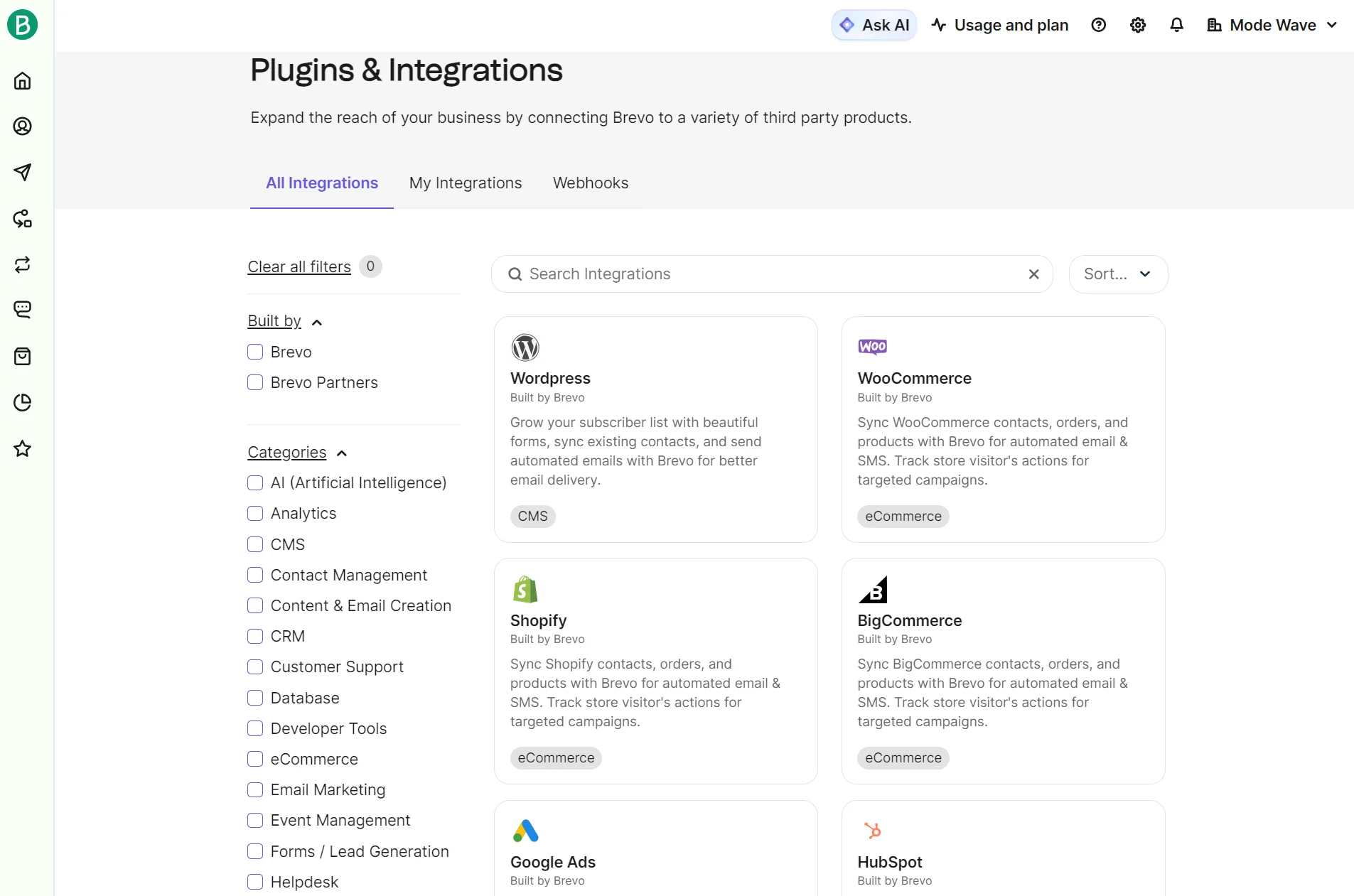
Regarding integrations, Brevo boasts over 140 integrations compared to Kit’s 100+. Both platforms offer essential integrations with e-commerce giants like Shopify, WooCommerce, WordPress, and Wix. Brevo’s ecosystem is stronger in business-centric categories, with more integrations for analytics (24 vs. 11) and, crucially, CRM platforms like HubSpot, Zoho, and Salesforce. ConvertKit’s integration strength lies in creative and creator-focused tools, such as GIPHY and TeachKit. Both platforms connect to Zapier, providing access to thousands of additional apps, effectively bridging any direct integration gaps.
Email Deliverability & Performance Analytics: Ensuring Message Reach
The effectiveness of any email marketing platform hinges on its ability to reliably deliver messages to inboxes. Both ConvertKit and Brevo claim high deliverability rates (ConvertKit at 99.8%, Brevo at 99% for transactional emails), and both provide the necessary infrastructure for domain authentication. However, their approaches to reporting and optimizing deliverability differ.
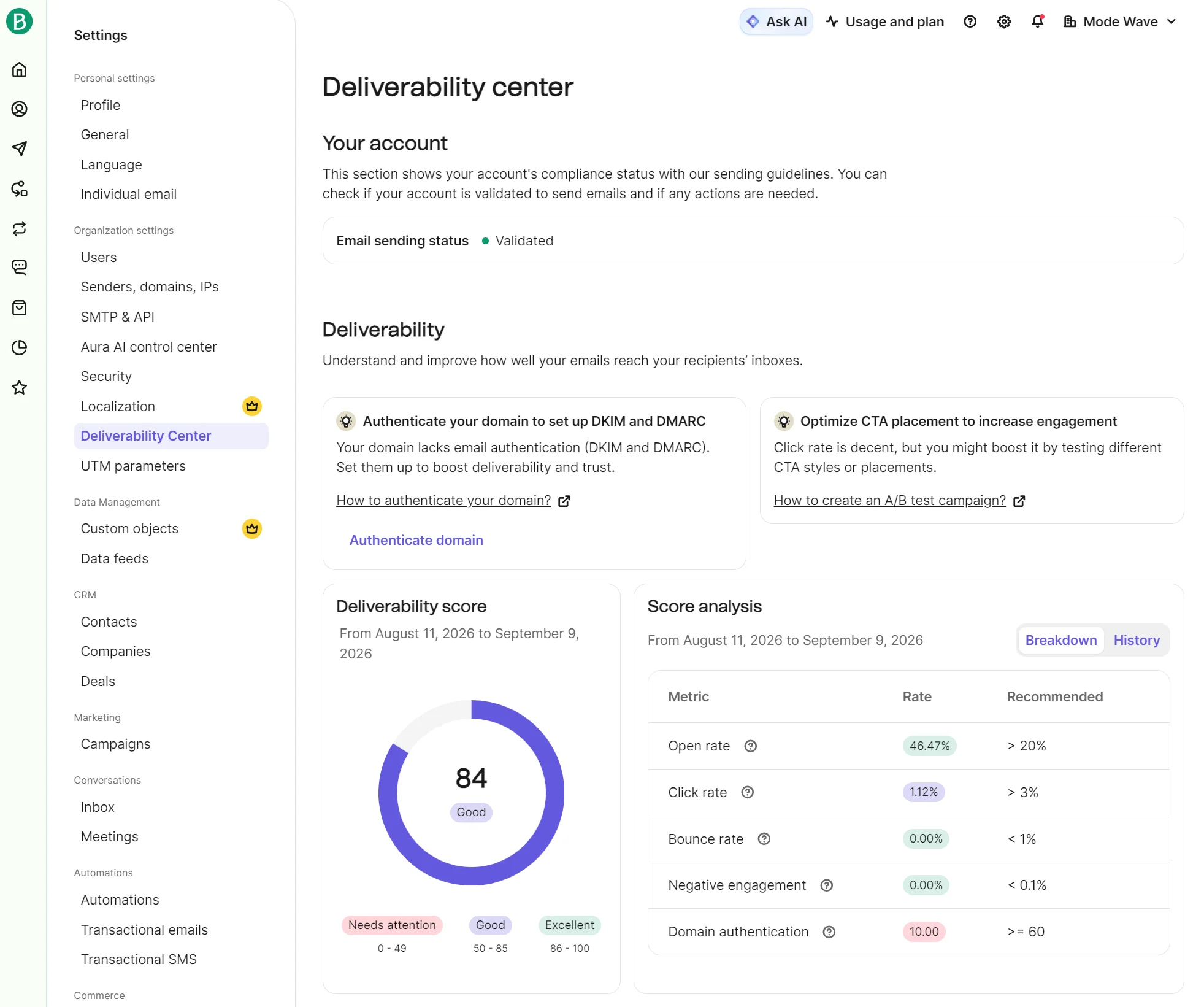
Brevo’s Deliverability Center, available in all plans, provides a comprehensive score based on open rates, click rates, bounces, and other metrics, offering actionable insights to improve email placement. Professional plans include dedicated deliverability dashboards with delivery rates for all sent emails, simplifying performance monitoring. The color-coded analytics make it easier to identify and address issues proactively.
ConvertKit’s deliverability insights are more granular at the subscriber level. Free and Creator plans allow users to view subscriber statuses (bounced, blocked, complained) within the List menu, aiding in troubleshooting infrequent issues. A dedicated deliverability report, including open and click rate trends filtered by ESP or subscriber segment, is only available in the Pro plan, helping to diagnose broader engagement declines. While both platforms provide the tools to maintain good deliverability, Brevo’s centralized Deliverability Center offers a more comprehensive and accessible overview for continuous optimization.
User Experience & Daily Workflow: Practical Application
User reviews across platforms like G2 and Trustpilot consistently highlight ease of use for both ConvertKit and Brevo. Brevo users frequently commend its straightforward setup and campaign scheduling, particularly for transactional emails, with G2 reviewers noting its quick setup and generous free email allowance. Negative feedback for Brevo often points to limitations in advanced automation features and design flexibility.
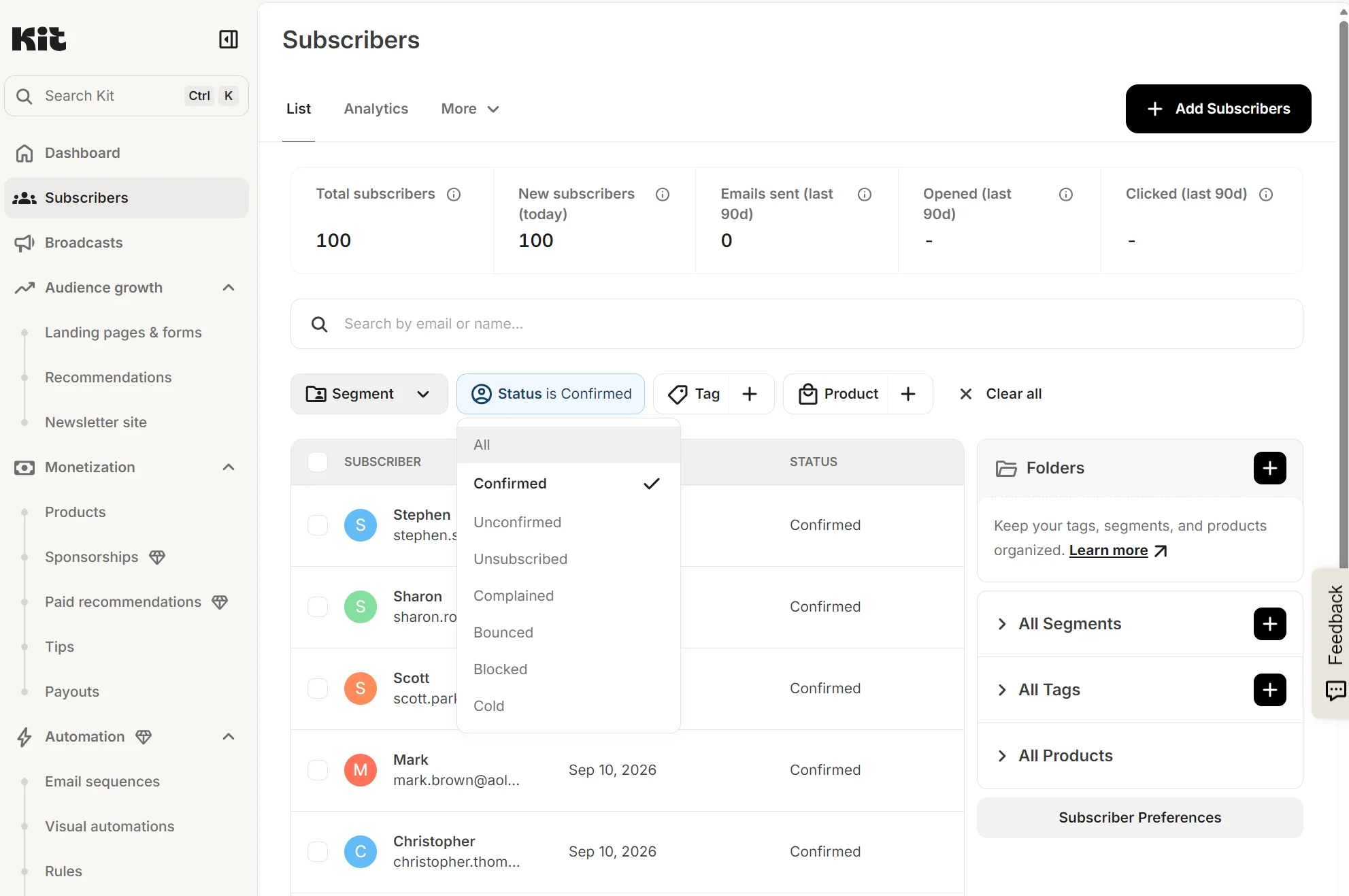
ConvertKit users similarly praise its ease of use, especially for embedding forms and building emails. Reviewers on G2 appreciate the simplicity of segmenting email lists. However, pricing frequently surfaces as a common complaint for ConvertKit, with some users finding it expensive as their list grows and others expressing frustration over automated account upgrades and difficulty in downgrading plans. This feedback underscores ConvertKit’s strong user experience for its core creator audience but flags its pricing model as a potential pain point for scaling.
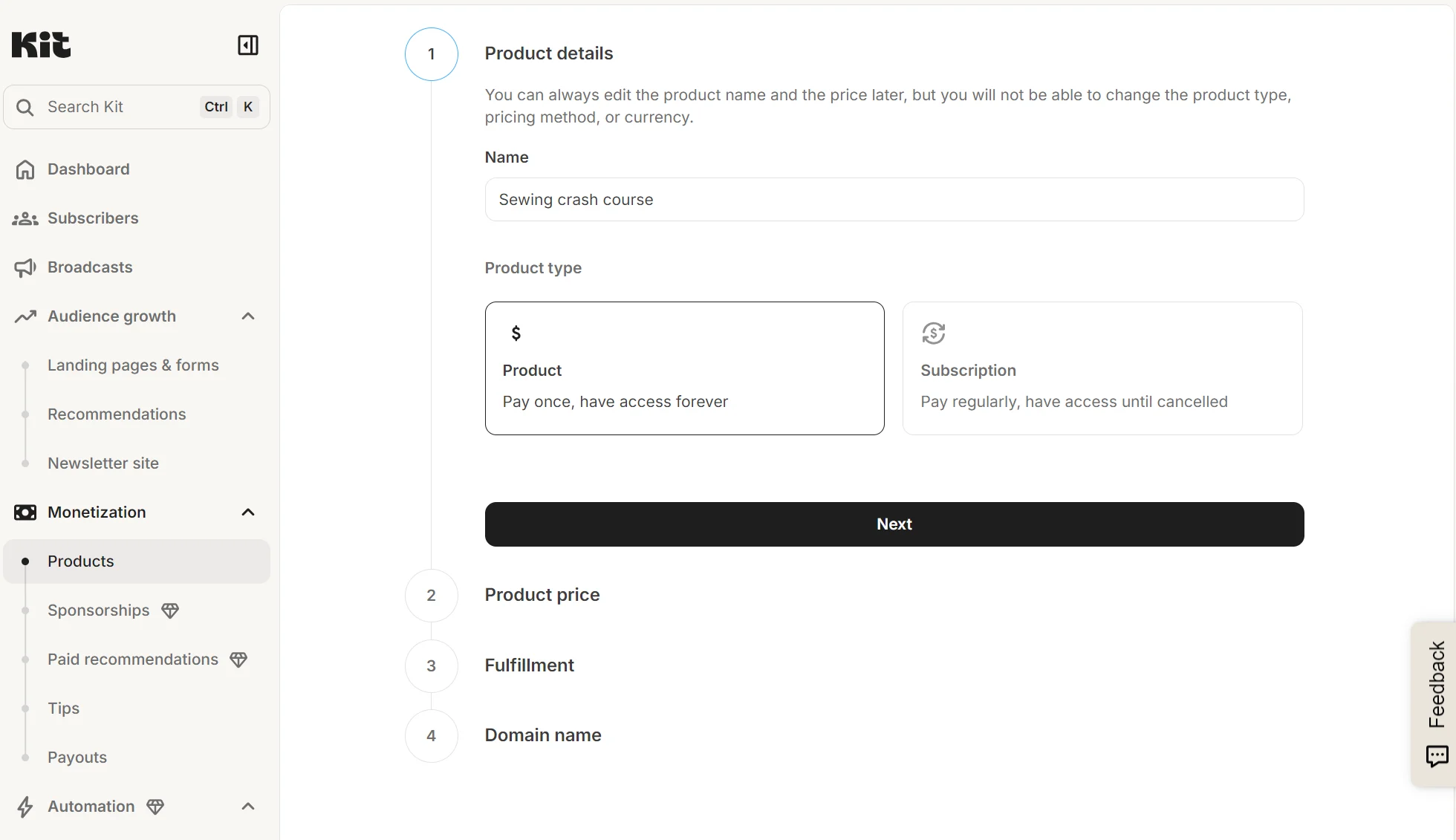
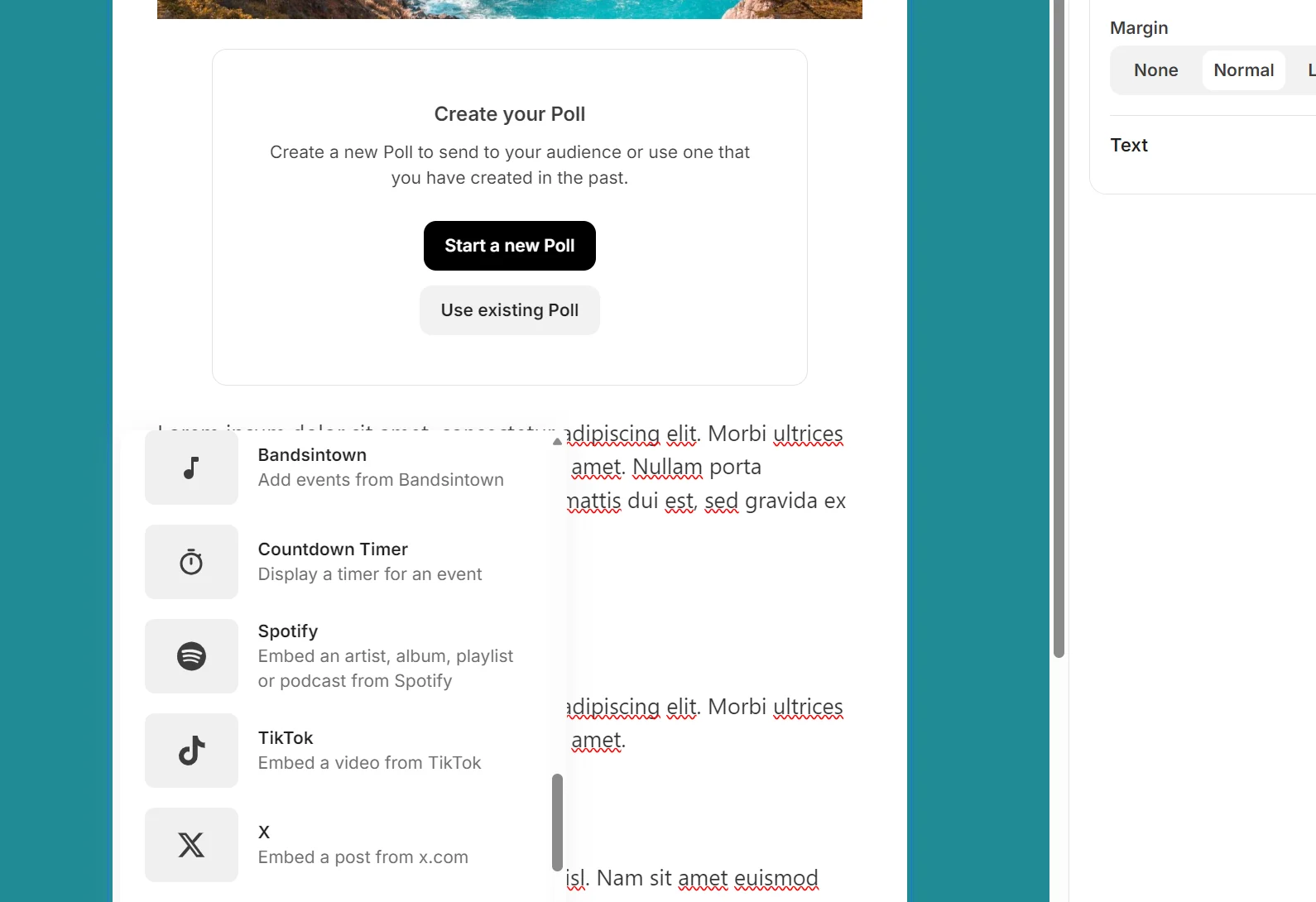
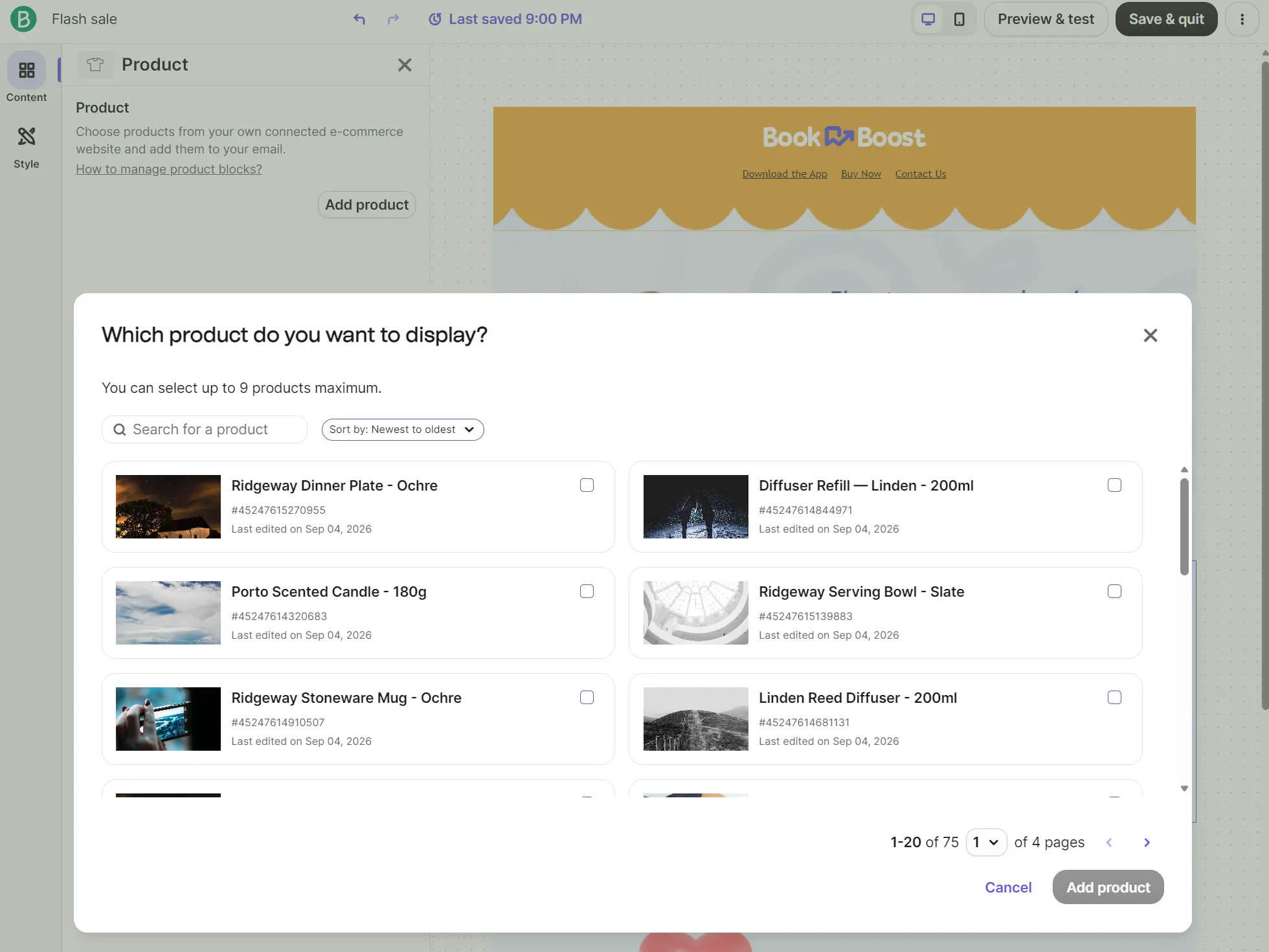
In terms of daily workflow, ConvertKit excels in product building, allowing users to set up digital products in under two minutes through a four-step process, with an intuitive editor for checkout pages and receipt emails. Its email editor features native blocks for countdown timers and polls, along with social media embeds like Spotify, making it highly versatile for creative content. Brevo’s email editor, while robust with 13 blocks and product feeds from connected e-commerce stores, is more functionally focused. Brevo’s CRM is integrated into daily tasks, allowing users to create deals and link tasks directly, providing a clear overview of sales activities. Segment creation in Brevo is streamlined with templates and eligible contact previews, while Kit’s segmentation is more manual but equally powerful for its audience management focus. Both platforms offer clear dashboards for managing automations, with Kit providing a visual overview and Brevo a detailed list with quick control icons.
Strategic Recommendations: Choosing the Right Platform
- For Large Lists and Budget-Conscious Businesses: Brevo is the clear winner. Its email-volume pricing model and substantial contact storage capacity on its free and paid plans make it incredibly cost-effective for managing extensive databases.
- For Digital Product Sales and Subscriptions: ConvertKit is unparalleled. Its native monetization tools for paid newsletters, digital products, and subscriptions are purpose-built for creators, offering a seamless way to earn revenue directly within the platform.
- For E-commerce Stores (Shopify, WooCommerce): Brevo holds an edge. Its deeper e-commerce automations, including back-in-stock alerts and advanced triggers, are more aligned with the needs of online retailers.
- For High-Frequency Email Senders: ConvertKit is superior. Its unlimited email sends across all paid plans provide freedom for frequent communication, a critical feature for many content creators.
- For Businesses Needing a CRM: Brevo is the only option. Its integrated sales packages and CRM dashboard are essential for managing leads, deals, and customer relationships through complex sales cycles.
Is There a Better Alternative? Omnisend’s Emergence
For marketers seeking a unified omnichannel solution that transcends the specific niches of ConvertKit and Brevo, Omnisend presents a compelling alternative, particularly for e-commerce businesses. Positioned as an e-commerce-first platform, Omnisend integrates email, SMS, and web push notifications into a single, cohesive workflow. As of September 2026, Omnisend offers advanced features like AI lifecycle stage maps with recommended retention tactics and a powerful Reports AI feature (in paid plans) that summarizes performance, pulls statistics, and breaks down data by individual workflow, providing enterprise-level insights without manual effort.
Omnisend’s pricing structure, starting at $16/month for 500 contacts and 6,000 emails in the Standard plan, or $59/month for 2,500 contacts and unlimited emails in the Pro plan, aims to strike a balance between contact volume and sending capacity. It natively supports critical e-commerce functions such as cart recovery, product recommendations, back-in-stock alerts, and pop-ups across most plans. Unlike ConvertKit, it offers native SMS and web push notifications, positioning it as a robust multichannel tool that directly addresses the limitations observed in both Kit and Brevo for certain use cases. Its 24/7 live chat and email support across all plans also ensure consistent assistance. Case studies, such as MUSS’s success with Omnisend in increasing open rates by 41% year-over-year and revenue per recipient by 13% after migrating from a competitor, underscore its effectiveness in enhancing e-commerce marketing performance.
Conclusion
The choice between ConvertKit (Kit) and Brevo in September 2026 largely depends on the specific strategic objectives and operational scale of the user. Kit remains the undisputed champion for the creator economy, offering integrated monetization and audience-building tools that resonate deeply with influencers and content entrepreneurs. Brevo, with its comprehensive CRM, robust multichannel capabilities, and cost-effective pricing for large lists, is the logical choice for product and service businesses seeking an all-in-one marketing and sales platform. For those in the e-commerce sector requiring a fully integrated omnichannel approach with advanced analytics, Omnisend stands as a powerful and increasingly competitive alternative, bridging the specialized strengths of both platforms into a singular, commerce-centric solution. The continued evolution of these platforms promises further innovation, but their core value propositions remain distinct and tailored to their primary audiences.
FAQs
- Is Brevo or ConvertKit better for e-commerce? Brevo is generally better for e-commerce than ConvertKit. Its automations, segmentation capabilities, and email templates are specifically designed to facilitate the sale of physical products and cover comprehensive pre- and post-purchase customer journeys.
- Can I migrate from ConvertKit to Brevo, or vice versa? Yes, migration is possible. For smaller lists (under 500 contacts), exporting contacts and their properties into a CSV for upload is the quickest method. Brevo’s Professional plan includes a digital onboarding kit and an hour with a Brevo expert to assist with migration. ConvertKit offers a complimentary migration service for its Creator and Pro plans.
- Is ConvertKit worth it compared to Brevo? ConvertKit is worth it if you are a content creator focused on monetizing and selling newsletters, digital products, or subscriptions. Brevo lacks these dedicated creator monetization features. However, for businesses needing a CRM or extensive multichannel marketing, Brevo offers superior value.
- Which is cheaper, Brevo or ConvertKit? Brevo is generally cheaper than ConvertKit, especially as contact lists grow. Brevo’s monthly starting price is significantly lower, and its $32/month Starter tier provides storage for 500,000 contacts, a volume that would cost over $2,000/month with ConvertKit. The key distinction is that Brevo caps email sends at 20,000 for that price point, whereas ConvertKit offers unlimited emails across all its paid plans.
This article was researched and written by our experts following a precise process. See the process.