In the rapidly evolving landscape of B2B marketing, the role of Public Relations (PR) is undergoing a fundamental transformation, pivoting from traditional search engine optimization (SEO) to a new paradigm driven by Artificial Intelligence (AI). As AI-powered answer engines and Large Language Models (LLMs) become increasingly sophisticated, the assets that digital PR has long cultivated – authoritative publications, expert quotes, third-party mentions, and original data – are now the bedrock of AI search visibility. This shift necessitates a recalibration of PR strategies for B2B marketers seeking to maintain and enhance their online presence in an AI-centric world.
Dakota Shane Nunley, Director of Content Strategy at Product.ai, a company at the forefront of leveraging earned media for AI search visibility, outlines the critical changes and actionable strategies for B2B brands. His insights, shared in a recent guest post, underscore the urgency for marketers to adapt to what he terms the "new physics of digital PR."
The Paradigm Shift: From Crawlers to Pattern Recognition Machines
For years, digital PR efforts were primarily geared towards optimizing for traditional search engines like Google. This involved a focus on ranking individual web pages through mechanisms like backlinks and on-page content, driven by an army of web crawlers. However, the advent of AI, particularly LLMs, has fundamentally altered the underlying technology that governs search.
"What actually changed is the physics of the machines we’re optimizing for," Nunley explains. "For years, digital PR was about driving authority via traditional search engines, namely Google, which is an army of crawlers that ranks pages. Today, AEO [AI Engine Optimization] is optimizing for LLMs, pattern-recognition machines that cite passages."
This distinction is crucial. Traditional SEO thrives on the ability to differentiate entities through pages and links. In contrast, LLMs operate by identifying patterns and establishing credibility based on the aggregation of information. An answer engine’s efficacy hinges on its ability to recognize consistent claims associated with a specific entity. If a brand cannot be clearly and consistently identified as a distinct entity, it risks being excluded from AI-generated answers, a phenomenon that often goes unnoticed by traditional ranking reports.
Strategies for Achieving AI Citation: The Canonical Stat and Entity Signals
To navigate this new terrain, B2B brands must adopt a proactive approach to data generation and online presence management. Nunley emphasizes three core strategies for gaining traction in the age of AI-driven search.
1. Chase the Canonical Stat: Owning the Narrative
The pursuit of the "canonical stat" is paramount. This refers to a piece of original research, often a fact or figure, that becomes universally accepted as authoritative within a specific industry or category. When a stat achieves canonical status, it is not only cited by LLMs but also frequently quoted by journalists and forms the basis of industry reports and analyses. Companies that successfully establish a canonical stat effectively gain ownership of the information that AI answer engines rely upon.
Achieving this requires a strategic approach to data productization. This involves identifying untapped datasets, unexplored research areas, or unanalyzed experiments within a company. The process should be reverse-engineered, starting with an understanding of the existing information gaps that LLMs struggle to fill.
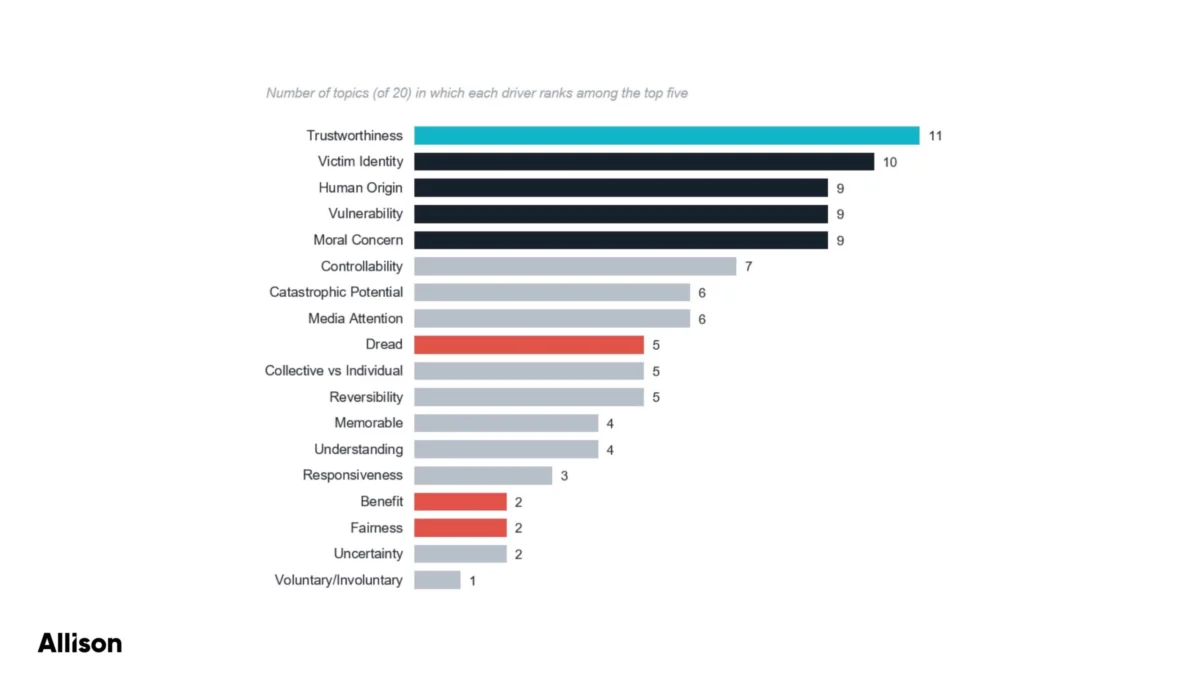
At Product.ai, Nunley’s team conducted an audit of existing AI-treated canonical studies. By identifying the unanswered questions within these studies, they designed a survey specifically to address these gaps while also aligning with the company’s internal research objectives. Their subsequent "Trust in AI Commerce Report" became a significant citation within answer engines, generating over a hundred media pickups, a national TV segment, and inclusion in high-profile industry roundups and publications like eMarketer. This demonstrates the power of creating original, category-defining data to drive AI visibility.
2. Build Your Entity Signals: Establishing Trustworthy Foundations
Beyond original research, strengthening "entity signals" is critical for building confidence in LLMs. Without a solid foundation of verifiable information, even significant media mentions may not translate into AI-driven visibility. A key method for bolstering entity signals is by diligently managing "authority files" – third-party platforms that LLMs consider definitive sources of truth.
For B2B companies, these authority files typically include platforms such as Wikidata, Crunchbase, G2, LinkedIn Company Pages, and other specialized industry databases. Thoroughly understanding and optimizing profiles on these platforms is essential, as LLMs often place greater trust in them than in a company’s own website. This "janitorial work" involves ensuring consistency across all online touchpoints, including the About page, FAQs, social media profiles, and customer reviews. While seemingly mundane, maintaining a unified and accurate presence across these platforms is fundamental to establishing a strong and recognizable brand entity for AI.
3. Publish Proprietary Insights: The Antidote to AI Slop
In an era where AI can sometimes generate superficial or inaccurate information ("AI slop"), publishing proprietary insights is more crucial than ever. This means transforming the raw data and unique observations generated by a company into citable, shareable assets. These can take the form of named reports, recurring benchmarks, or original analytical findings.
The value of proprietary insights is twofold. Firstly, they provide unique content that journalists and researchers cannot easily find elsewhere, making them highly sought after for media coverage. Secondly, these insights are continuously leveraged by answer engines long after their initial publication, offering sustained visibility. Whether it’s an original statistic derived from transactional data, a unique benchmark that no other entity tracks, a pattern identified within a company’s customer base, or a contrarian viewpoint earned through industry experience, proprietary insights serve as a powerful tool for establishing thought leadership and driving AI search presence.

Debunking Common Myths in B2B Digital PR
Nunley also addresses several persistent myths that continue to influence B2B digital PR strategies, often to the detriment of brands seeking AI visibility.
Myth 1: Only Big-Name Outlets Matter
The traditional SEO focus on high Domain Authority (DA) or Domain Rating (DR) websites has led many to dismiss smaller, less prominent outlets. However, AI ingestion algorithms do not solely prioritize pageviews or high DR scores. Instead, they weigh the credibility and agreement across multiple independent sources. A mention in a smaller, trusted industry publication, when aggregated with similar mentions elsewhere, can contribute significantly to an AI’s understanding of a brand’s authority.
An example of this is SimplyCodes, a subsidiary of Product.ai, which published a study on the decline of promo code usage. This research was picked up by local and syndicated news outlets, reaching over a hundred TV markets, including a national segment on Scripps News. For an AI model, this represented numerous independent and trusted news entities corroborating a specific brand’s findings, significantly boosting its perceived authority.
Myth 2: One Brand Mention at the Top Is Enough
The concept of "ghost citations," where a source is used by an AI but the originating brand is not explicitly named, is a significant challenge. A study by Semrush revealed that over 61% of domain appearances in AI answers were "ghost citations." This means that valuable research and content are being consumed by AI without proper attribution, failing to credit the brand that produced it.
Furthermore, statistics can be misquoted, sources can be omitted, or credit can drift to more prominent names over time. This "credit drift" phenomenon can see a brand’s original findings attributed to larger, more established entities.
The solution lies in "entity density" – consistently and explicitly linking the brand name to the data it produces. Phrases like "Acme’s 2026 study found that X% of buyers did Y…" should be used repeatedly. While it may feel redundant, this repetition is crucial for ensuring that the brand’s name is inextricably linked to its data in the eyes of AI models. A statistic cited without its source is essentially a donation of intellectual property.
Myth 3: The Press Release Is Dead
While statistics from Meltwater and Muck Rack suggest a minuscule percentage of LLM citations originating directly from press releases compared to earned media, this does not signify the death of the press release. Instead, it highlights a misunderstanding of its purpose.
Press releases are not intended to be the final destination for AI consumption. Rather, they serve as the "match" to ignite broader third-party coverage. The true value of a press release lies in its ability to secure earned media placements, which are then consumed and cited by AI. Measuring the success of a press release solely by its direct citation rate is akin to measuring the ignition of a fire rather than the fire itself.
Product.ai’s internal campaigns have shown that press releases effectively fulfill their role by generating subsequent coverage. However, as the AI citation landscape is still developing, it is crucial for B2B companies to establish their own benchmarks and adapt their strategies accordingly.
The Evolving Landscape: The Writer as a New Search User
The implications of these shifts are profound. The traditional playbook for AI search often focuses on the buyer typing questions into an engine. However, a second, equally important user is now actively engaging with AI: the writer. Journalists on deadline, thought leaders seeking evidence, and analysts compiling reports are increasingly using LLMs to gather information.
When a reporter asks an LLM for "three recent stats on B2B buying behavior, with sources," the AI’s response is directly influenced by the quality and discoverability of the information available. The content that AI delivers to these users then forms the basis of published articles, reports, and analyses, creating a continuous feedback loop that shapes future AI answers.
This underscores the critical importance of pursuing canonical stats and rigorously avoiding ghost citations. A statistic that circulates without proper attribution represents a missed opportunity for brand recognition and thought leadership. It means the reporter never writes the article crediting the source, and the analyst never builds the deck featuring the original research.
In conclusion, the future of B2B digital PR is intrinsically linked to AI. Success hinges on a strategic shift towards generating and promoting authoritative, original data that can be consistently recognized and cited by AI models. This requires a deep understanding of how LLMs process information, a commitment to building robust entity signals, and a willingness to challenge outdated assumptions about media effectiveness. As Nunley aptly puts it, "your next PR hire matters more than your next tool," emphasizing the need for specialists who can navigate this complex and evolving landscape. The canon in most B2B categories is still being formed, presenting a unique window of opportunity for brands to establish their authority and secure a prominent place in the AI-driven future of search.