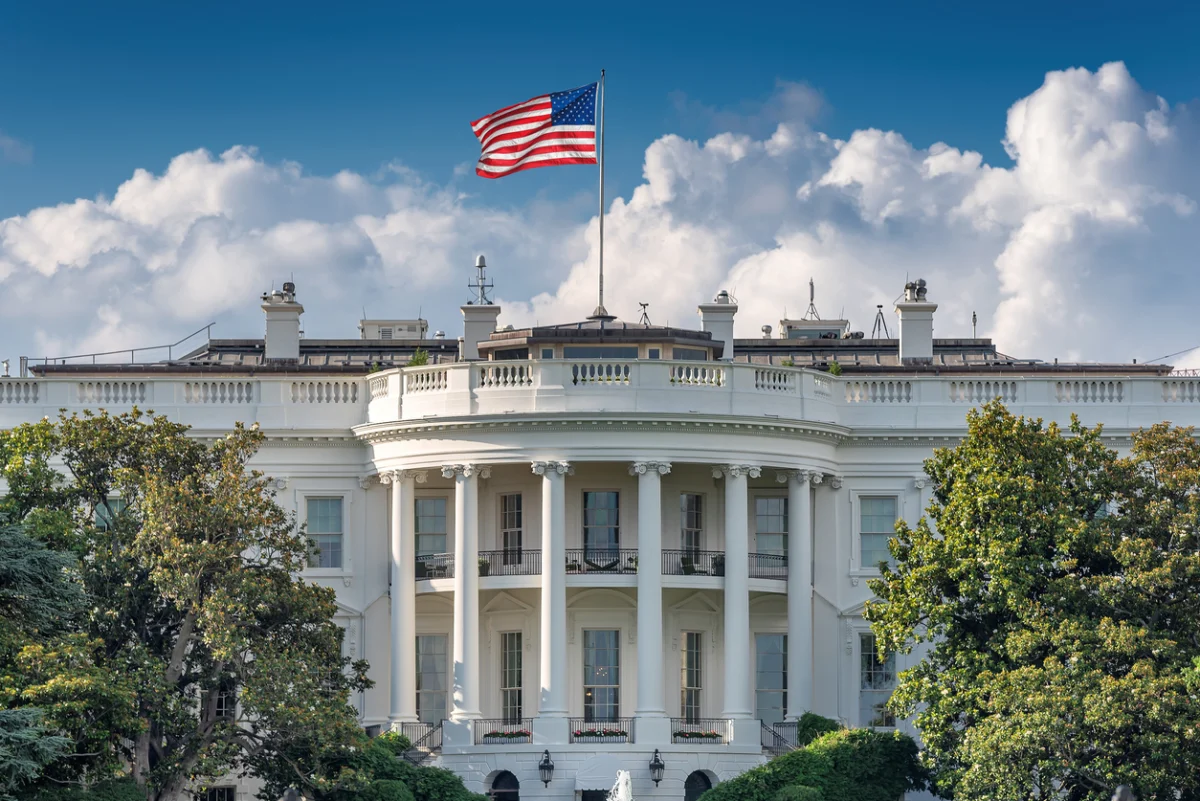
In a significant legal escalation between the executive branch and the fourth estate, three prominent news organizations—CNN, Politico, and MS NOW—have filed a joint lawsuit against the Trump administration. The legal action follows the abrupt and unexplained revocation of press credentials for several of their White House correspondents, a move the outlets characterize as a direct assault on the First Amendment. The administration’s decision, which was executed without a formal notice or an appeals process, marks a contentious new chapter in the ongoing friction between the presidency and the national media.
The lawsuit, filed in federal court, seeks the immediate restoration of the journalists’ "hard passes," which grant them access to the White House grounds and daily press briefings. According to the plaintiffs, the administration’s actions lack a legal basis and were motivated by a desire to retaliate against critical reporting. This development occurs alongside a series of other high-profile public relations and ethical challenges in the corporate world, including a major apology from Converse regarding controversial advertising and a New York Times investigation into the gambling giant DraftKings.
The Legal Battle for Press Access
The catalyst for the lawsuit was a series of revocations that occurred last week. While the White House has historically had the authority to manage its grounds, legal precedents—most notably the 1977 case Sherrill v. Knight and the 2018 litigation involving CNN’s Jim Acosta—have established that the government cannot deny press credentials based on the content of a journalist’s reporting or without providing due process.
President Donald Trump, when questioned about the decision during a Friday photo-op, did not cite specific security concerns or behavioral violations. Instead, he pointed to the tone of the coverage produced by the affected outlets. "It’s really just cumulative stories over the last few years. You get sick of it," the President remarked. He further characterized the journalists as "smart people" who "purposely write negative news," referring to their output as "fake news."
The news organizations’ joint statement emphasized the broader implications for democratic transparency. "Without notice or process, the White House revoked our journalists’ credentials because it objected to our reporting," the statement read. "Left unchallenged, this threatens press freedom and the public’s right to independent journalism free from government interference."
Legal analysts suggest that the President’s off-the-cuff remarks may have inadvertently strengthened the plaintiffs’ case. By publicly admitting that the credentials were removed because of "negative news," the administration has provided the court with evidence that the action was a content-based restriction, which is generally unconstitutional under the First Amendment. Furthermore, the lack of a "warning-and-response" period suggests a violation of the Fifth Amendment’s due process clause.
Contextualizing the Conflict: A Timeline of Media Relations
The relationship between the current administration and the White House Press Corps has been characterized by a steady erosion of traditional norms.
- Initial Tensions: Since the beginning of the term, the administration has frequently labeled mainstream outlets as "the enemy of the people," leading to a heightened atmosphere of hostility during televised briefings.
- The 2018 Precedent: In 2018, the administration revoked the pass of a CNN correspondent following a heated exchange. A federal judge eventually ordered the pass restored, citing the lack of a standardized process for such revocations.
- The Current Crisis: The current lawsuit involves a multi-outlet coalition, indicating a unified front among news organizations that have often been competitors.
The "Streisand Effect" is also a concern for the administration’s communications team. By banning these outlets, the White House has drawn significantly more attention to the very stories it deemed "negative," likely increasing their reach and longevity in the public discourse.
Converse Issues Apology Over Culturally Insensitive Imagery
While the White House faces legal scrutiny, the footwear giant Converse is navigating a different kind of reputational crisis. The company issued a formal apology on Friday after an Instagram advertisement featuring K-pop superstar Karina of the group aespa sparked intense backlash. Critics argued that certain frames in the video evoked imagery associated with the Ku Klux Klan and the history of lynchings in the United States.
The specific image in question featured a pair of feet wearing Converse sneakers floating above the ground, positioned next to a woman wearing a white robe-like garment. To many viewers, particularly in the U.S. market, the visual composition bore a haunting resemblance to historical photographs of racial violence.
In a statement that PR experts are praising for its directness, Converse said: "We’re sorry. We understand why this image is deeply upsetting and recognize that we got this wrong. We removed it from our channels and are working to remove it everywhere it appeared. This should not have happened and we will do better."
The incident highlights the risks of global marketing campaigns where creative teams may lack the historical or cultural context of every market in which the content is viewed. While the ad may have been intended to convey a sense of "ethereal" fashion or "floating" comfort, the failure to vet the imagery for unintended connotations led to a significant oversight.
DraftKings and the Ethics of AI in Gambling
In another sector of the corporate world, the New York Times has published a comprehensive investigation into the operations of DraftKings, the digital sports betting titan. The report alleges that the company utilized sophisticated artificial intelligence (AI) to identify and target "high-value" users—those most likely to lose significant sums of money. The investigation suggests that these algorithms often identified users exhibiting signs of gambling addiction and responded by offering them tailored promotions to keep them on the platform.
DraftKings’ response to the investigation has been a study in modern crisis management. The company made its Chief Responsible Gaming Officer, Lori Kalani, available for extensive interviews with the Times. Kalani defended the company’s practices, asserting that DraftKings monitors for problematic behavior and excludes self-identified addicts from receiving promotions.
However, a specific comparison made by the company has drawn criticism. DraftKings representatives likened their promotional tactics to those used by e-commerce giants like Amazon, stating that "shopping can be problematic for people" as well. Critics argue that this comparison is a false equivalency. While retail addiction exists, the gambling industry deals with a product that is inherently designed to be habit-forming and is subject to much stricter regulatory oversight.
The investigation comes at a time when the sports betting industry is under increased scrutiny from state and federal regulators. Since the 2018 Supreme Court decision that paved the way for legalized sports betting across the U.S., the industry has grown into a multi-billion-dollar juggernaut. The New York Times report may serve as a catalyst for new legislation aimed at restricting how betting apps use consumer data to drive "retention."
Technical Failures in the Age of AI Influencers
The limitations of current technology were on full display during a recent episode of Piers Morgan Uncensored. The program featured an interview with Tilly Norwood, a prominent AI-generated "actor" and influencer. During the live segment, which also included real-life actor Tom Conti, the AI avatar experienced a significant technical glitch.
When asked a straightforward question by Morgan, the avatar failed to process the language correctly and began responding in Chinese. After a brief pause, the system corrected itself, with the avatar stating, "Oh, my apologies. It seems I had a little hiccup there. I certainly didn’t mean to start speaking Chinese or impersonate Piers. Sometimes my wires get a bit crossed, you know?"
The incident has sparked a debate about the readiness of AI to serve as reliable brand spokespeople or public figures. While AI avatars offer companies a way to maintain a 24/7 digital presence without the "human risks" of scandal or fatigue, the Norwood incident proves that the technology remains susceptible to unpredictable failures.
Implications for Public Relations and Journalism
These disparate events—a federal lawsuit over press freedom, a corporate apology for insensitive imagery, a probe into algorithmic ethics, and a technical failure in AI—all point toward a central theme: the evolving nature of accountability in the digital age.
For the White House, the lawsuit represents a test of the "checks and balances" that define American governance. For Converse and DraftKings, the challenges reflect a public that is increasingly sensitive to cultural nuance and corporate ethics. For the tech industry, the Tilly Norwood glitch serves as a reminder that "human-centric" communication still possesses a level of nuance and reliability that silicon and code have yet to master.
As the legal proceedings against the administration move forward, the media industry remains on high alert. The outcome of the case will likely set a standard for how future administrations interact with the press, potentially codifying the "hard pass" as a protected right rather than a revocable privilege. In the meantime, the intersection of technology and communication continues to present both unprecedented opportunities and unforeseen risks for organizations worldwide.