The digital marketing and webmaster community is once again experiencing a data anomaly within Google Search Console, as the critical Crawl Stats report is currently missing a full day of data, specifically for September 15th. This interruption, which may appear as September 16th for users in different time zones, marks another instance in a recurring pattern of data gaps observed in Google’s essential reporting tools. The issue is reported to be widespread, affecting all Search Console profiles globally, signifying a systemic problem within Google’s infrastructure rather than an isolated incident pertaining to individual websites.
Understanding Google Search Console and the Crawl Stats Report
Google Search Console (GSC) stands as an indispensable, free service offered by Google to help webmasters, SEO professionals, and site owners monitor their site’s performance in Google Search. It provides crucial insights into how Google interacts with a website, including indexation status, search traffic, mobile usability, and security issues. Among its suite of powerful tools, the Crawl Stats report is particularly vital. This report offers detailed statistics about Googlebot’s activity on a website, providing a window into how often Google crawls the site, how many requests it makes, the types of files it requests, and any potential issues encountered during the crawling process.
For website administrators, the data presented in the Crawl Stats report is invaluable. It helps in understanding crawl budget allocation, identifying server response time issues, detecting sudden drops or spikes in crawl activity that could signal underlying problems, and ensuring that important pages are being discovered and re-indexed efficiently. A consistent and accurate record of crawl statistics is fundamental for maintaining optimal site health, diagnosing technical SEO problems, and making informed decisions regarding site structure, content updates, and server capacity. Any disruption to this data stream, even for a single day, can create temporary blind spots and hinder proactive site management.
The Current Incident: A Gap in September 15th Data
The present data void specifically pertains to September 15th. Users accessing their Crawl Stats report in Google Search Console will observe a distinct gap in the graphical representation and underlying data tables for this particular day. Screenshots shared by various webmasters across social media platforms, including one from Alif Shorif- ICS legal, consistently illustrate this missing segment, confirming the universal nature of the problem. The visual absence of data points for September 15th is immediately apparent, creating an incomplete picture of Googlebot’s activity during that period.
This widespread outage reassures individual webmasters that the anomaly is not indicative of an issue with their specific website or server configuration. Instead, it points directly to a data processing or reporting malfunction on Google’s side. While Google typically resolves these issues by restoring the missing data retroactively, the interim period can cause concern and inconvenience for those who rely on real-time or daily data for their analysis and reporting. The immediate implication is a temporary inability to monitor crawl patterns, diagnose recent site changes, or track the impact of new content deployment during the affected 24-hour window.
A Recurring Pattern of Data Gaps
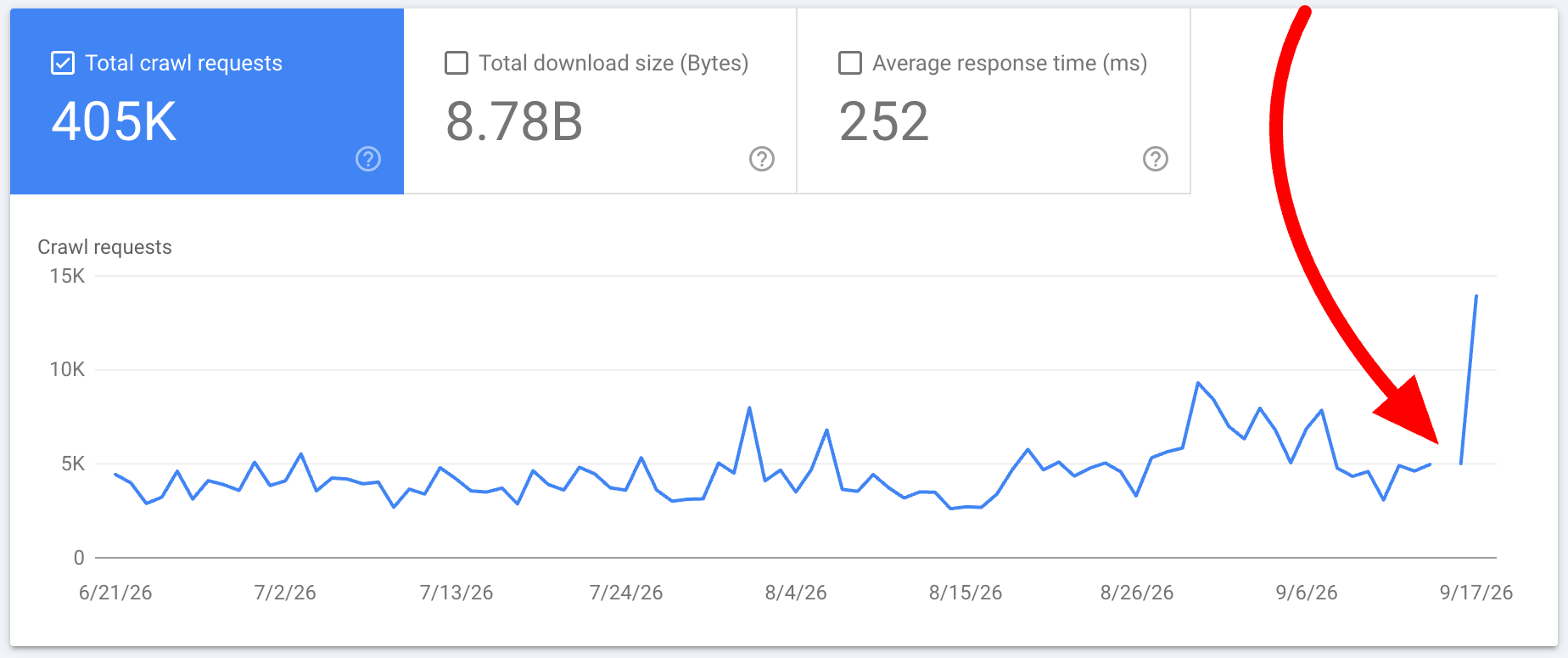
This is not an isolated event but rather the latest in a series of similar data inconsistencies observed in the Google Search Console Crawl Stats report over recent years. The recurrence of these gaps has established a discernible pattern, suggesting persistent technical challenges within Google’s complex data infrastructure. Past incidents, which closely mirror the current situation, include:
- November 2021: A significant data gap was reported, prompting widespread discussion among SEO professionals.
- February 2022: Another instance of missing data caused temporary disruption for webmasters monitoring their crawl statistics.
- May 2022: A third reported gap within a relatively short period further highlighted the intermittent nature of these issues.
- "Last month" (August/September 2023, inferred): The original report indicates a similar event occurred just a month prior to the current September 15th incident, suggesting a more recent and frequent recurrence.
While some historical reporting has cited future dates such as October 2025, and a related social media post referenced a timestamp of September 20, 2026, the consistent historical recurrence of these gaps in actual past and present reporting underscores an ongoing technical challenge within Google’s reporting infrastructure. In each previous instance, Google has eventually restored the missing data, often without a formal public announcement or detailed explanation of the root cause. This pattern of restoration provides a measure of confidence to webmasters that the current September 15th data will also eventually reappear, albeit after an unpredictable delay.
Implications for Webmasters and SEO Professionals
The repeated occurrence of these data gaps, while often temporary, carries several implications for webmasters and SEO professionals who depend on the accuracy and consistency of Google Search Console data:
- Impaired Monitoring and Timely Diagnostics: Daily monitoring of crawl stats is crucial for detecting sudden changes in Googlebot’s behavior, which could indicate server issues, content problems, or indexation errors. A missing day of data creates a temporary blind spot, delaying the identification and resolution of potentially critical site health issues.
- Erosion of Trust in Data Reliability: While Google consistently restores the data, the recurring nature of these gaps can subtly erode trust in the real-time reliability of GSC reports. Webmasters might start to question the absolute integrity of the data, even when present, especially when making critical, time-sensitive decisions.
- Challenges in Performance Analysis: For websites undergoing significant changes, such as migrations, redesigns, or large-scale content updates, analyzing the immediate impact on crawl activity is essential. A missing day can complicate this analysis, making it harder to correlate site changes with Googlebot’s response.
- Resource Allocation Concerns: For large enterprise websites, understanding crawl budget and efficiency is paramount. Gaps in data can hinder efforts to optimize crawl budget, potentially leading to inefficient resource allocation or missed opportunities for improved indexation.
- Unnecessary Troubleshooting: Before widespread confirmation of a Google-side issue, some webmasters might initially suspect problems with their own servers or website configuration, leading to unnecessary and time-consuming troubleshooting efforts. The rapid confirmation through community channels and specialized news outlets like Search Engine Roundtable helps mitigate this.
Despite these challenges, the general consensus among SEO experts is that these incidents are usually transient and do not signify a permanent loss of data or an actual halt in Googlebot’s crawling activity on the affected day. Googlebot continues to crawl websites irrespective of whether its activity is being accurately logged and displayed in the Search Console reports. The issue lies primarily in the reporting interface rather than the core crawling process itself.
Google’s Response and Communication (Inferred)
Historically, Google’s communication regarding these specific, short-term data gaps in Search Console reports has been minimal. Typically, there isn’t an immediate official announcement or a detailed post-mortem analysis provided to the public. The resolution usually manifests as the missing data silently reappearing in the reports after a few days or sometimes a week. This approach, while understandable from a large organization managing countless services, can be frustrating for webmasters seeking immediate clarification.
Instead, the community often relies on informal channels, such as social media (like the tweet from Alif Shorif that brought this to attention), SEO forums, and specialized industry news sites to confirm the widespread nature of such issues. This collective reporting helps differentiate a Google system anomaly from individual site-specific problems. While Google maintains extensive support documentation for Search Console, including a dedicated help document on the Crawl Stats report, these resources typically describe the intended functionality rather than addressing specific, temporary technical glitches. The expectation, based on past behavior, is that the data for September 15th will eventually be backfilled without a formal statement from Google.

Technical Considerations and Potential Causes
The recurrent nature of these data gaps suggests that they might stem from the inherent complexities of managing vast, distributed data systems at Google’s scale. Potential technical causes could include:
- Database Synchronization Issues: Problems in synchronizing data across various servers or databases that collect and process crawl statistics.
- Data Pipeline Delays or Failures: Errors or bottlenecks in the automated pipelines that extract, transform, and load raw crawl data into the Search Console interface.
- Logging System Glitches: Temporary malfunctions in the logging mechanisms that record Googlebot’s interactions with websites.
- Server Maintenance or Updates: Scheduled or emergency maintenance on the servers hosting the Search Console data could temporarily interrupt data flow.
- Software Bugs: Undetected bugs in the reporting software that intermittently prevent data from being displayed correctly.
Given the global scale of Google’s operations and the immense volume of data it processes daily from billions of web pages, occasional technical hiccups are almost inevitable. The challenge lies in minimizing their frequency and impact, and in transparently communicating when they occur.
What Webmasters Should Do (And Not Do)
For webmasters observing the missing data for September 15th, the recommended course of action is straightforward:
- Do Not Panic: This is a Google-side issue, not a problem with your website. There is no need to initiate frantic troubleshooting on your own server or site.
- Exercise Patience: Based on historical precedent, the missing data is highly likely to be restored by Google in due course. Continue to monitor your Search Console reports periodically.
- Utilize Alternative Tools (for immediate insights): While GSC provides unique, direct insights from Googlebot, for critical, real-time monitoring of server health and crawl activity, webmasters can temporarily rely on server log analysis tools, third-party crawl tools, or website monitoring services. These tools offer supplementary data that can help bridge short-term GSC data gaps.
- Consult Community Forums: Keep an eye on prominent SEO news outlets and community forums (such as X, formerly Twitter, and WebmasterWorld) for updates and confirmations from other webmasters and Google representatives.
In conclusion, the current absence of September 15th data in Google Search Console’s Crawl Stats report is a known, recurring technical anomaly affecting all profiles. While inconvenient for webmasters relying on daily insights, it is not indicative of an issue with individual websites and is expected to be resolved with the eventual restoration of the missing data by Google. The incident serves as a reminder of the complex technical infrastructure underpinning web services and the importance of cross-referencing information within the webmaster community during such occurrences.