Google has unveiled a suite of significant updates to its Merchant Center platform, marking a strategic enhancement of its e-commerce ecosystem. These developments include the general availability of AI performance insights, a streamlined integration process for the Universal Commerce Protocol (UCP), and an emphasis on leveraging conversational and video attributes for optimized product listings. These initiatives are poised to empower businesses with more robust analytical capabilities, simplified operational flows, and enriched content opportunities, ultimately aiming to foster a more dynamic and efficient online shopping environment.
Revolutionizing Merchant Performance with AI Insights
At the forefront of Google’s latest announcements is the broader rollout of AI performance insights within the Merchant Center. These sophisticated analytical tools, which have been a subject of considerable anticipation and previous reporting, are now generally available to businesses across Australia, Canada, India, New Zealand, and the United States. This expansion underscores Google’s commitment to providing merchants with data-driven intelligence crucial for navigating the complexities of the digital marketplace.
Background and Evolution of AI Performance Insights:
The journey of AI performance insights began with initial pilot programs and gradual rollouts, meticulously tracked by industry observers. While Google’s official announcement confirms their general availability now, the expansion of these capabilities has been an ongoing process. Earlier reports from outlets like SERoundtable had noted the extension of these insights to new regions approximately two weeks prior to Google’s formal declaration, indicating a phased and deliberate deployment strategy. This proactive reporting highlights the keen interest within the e-commerce community regarding Google’s advancements in merchant support.
The core function of these AI-powered reports is to translate vast quantities of shopping data into actionable intelligence. Historically, merchants relied on manual data analysis or basic reporting tools, often struggling to extract meaningful patterns or identify optimal strategies. Google’s AI insights leverage advanced machine learning algorithms to process various data points, including product performance, market trends, competitive benchmarks, and consumer behavior. This allows the system to identify underperforming products, highlight emerging demand, suggest pricing adjustments, and recommend optimization strategies for product feeds and campaigns.
Key Metrics and Benefits:
Recent enhancements to these AI performance reports have further augmented their utility, introducing new metrics designed to provide even deeper layers of understanding. While specific new metrics were not detailed in the immediate announcement, previous iterations have focused on aspects like impression share, click-through rates, conversion paths, and return on ad spend (ROAS) in relation to specific product categories or attributes. The continuous refinement of these metrics indicates Google’s dedication to making these insights as comprehensive and precise as possible.
For merchants, the benefits are multifaceted:
- Data-Driven Decision Making: Access to granular, AI-processed data enables merchants to move beyond guesswork, making informed decisions about inventory, pricing, marketing spend, and product development.
- Optimized Campaign Performance: By understanding which products resonate most with consumers and identifying areas for improvement, businesses can refine their Google Shopping campaigns for maximum impact and efficiency.
- Competitive Advantage: Insights into market trends and competitor performance can help merchants identify niches, differentiate their offerings, and respond strategically to market shifts.
- Efficiency and Time Savings: Automating complex data analysis frees up valuable merchant resources, allowing them to focus on core business operations rather than extensive manual reporting.
The visual representation of these insights, as highlighted by a video released by Google, suggests an intuitive and user-friendly interface, designed to make complex data accessible even to merchants without deep analytical expertise. This commitment to usability is critical for broad adoption across businesses of varying sizes and technical capabilities.
Simplifying the Universal Commerce Protocol (UCP) Integration
Another cornerstone of Google’s latest updates is the simplification of the Universal Commerce Protocol (UCP) integration. UCP represents a critical component of Google’s broader strategy to streamline the online shopping experience, enabling merchants to offer direct checkout capabilities across various Google surfaces. This move signals Google’s intent to reduce friction in the customer journey and provide more seamless pathways from discovery to purchase.
Understanding UCP and its Strategic Importance:
The Universal Commerce Protocol is Google’s framework designed to standardize and simplify the integration of merchant checkout processes directly within Google’s ecosystem. Essentially, it allows users to complete purchases without being redirected away from Google Search, Shopping, or other platforms where products are displayed. This "buy on Google" experience has been a strategic focus for the tech giant, aiming to compete more effectively with established marketplaces like Amazon, which offer integrated shopping experiences.
The initial implementation of UCP, while offering significant advantages, could be complex for some merchants, requiring specific technical integrations. Google’s announcement of a "simplified" integration process directly addresses this challenge, aiming to lower the barrier to entry for businesses wishing to leverage direct checkout capabilities.
Enhanced Capabilities and Rollout:
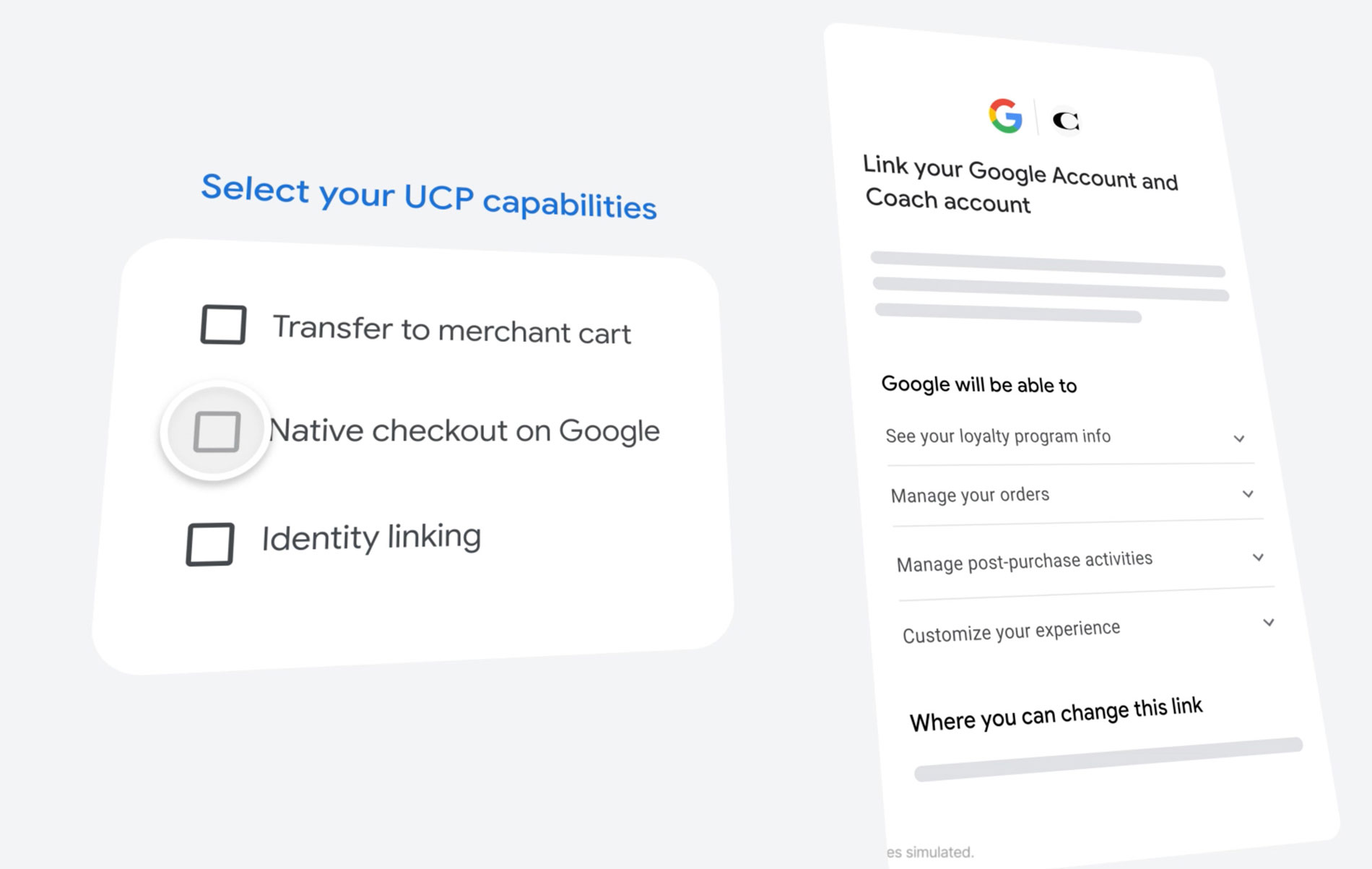
With the simplified integration, merchants who utilize UCP-powered checkout via the central hub will gain access to several new functionalities:
- Cart Transfer to Merchant Site: This capability offers flexibility, allowing customers to initiate a purchase within Google’s ecosystem but complete the transaction on the merchant’s own website. This hybrid approach can be beneficial for merchants who wish to maintain direct customer relationships, leverage their own loyalty programs, or offer highly customized checkout flows.
- Enhanced Checkout Flow Testing: The ability to thoroughly test the checkout process is vital for ensuring a smooth and error-free customer experience. This enhancement provides merchants with tools to identify and rectify any potential issues before they impact live transactions, minimizing cart abandonment rates.
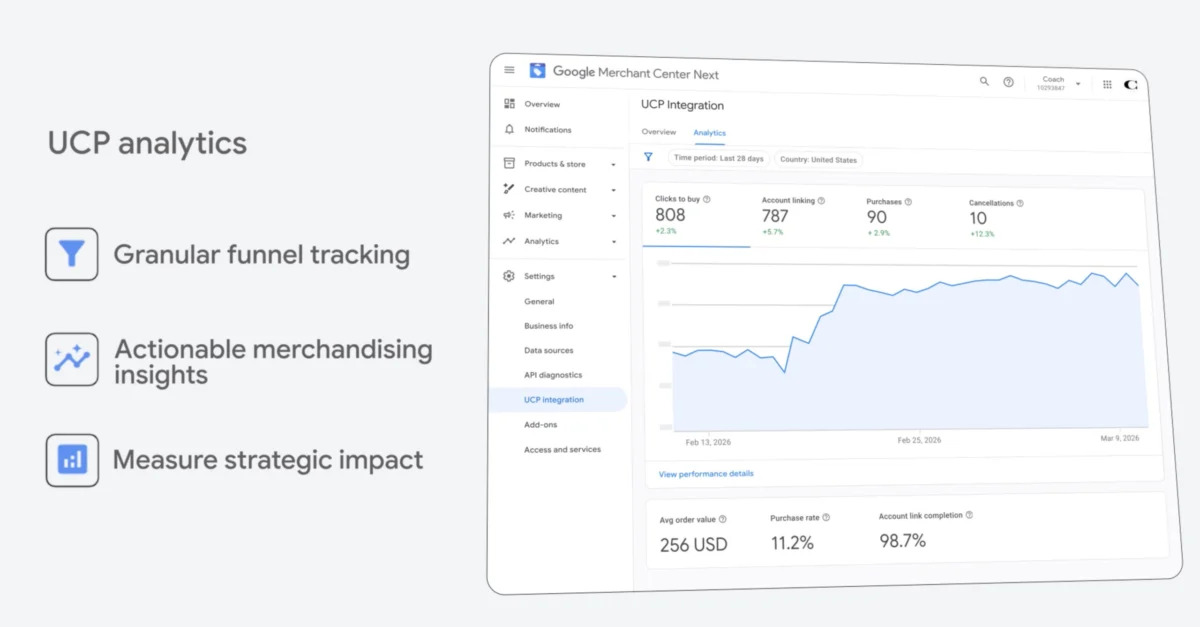
- Analytics and More: Google has indicated that advanced analytics specifically for UCP-powered checkouts are "coming soon," promising merchants deeper insights into customer behavior during the purchase process. This will enable further optimization of the checkout funnel, identifying bottlenecks and areas for improvement.
The rollout of these new UCP capabilities will be gradual, commencing in the United States and extending to Australia and Canada in early 2024. This phased approach allows Google to monitor performance, gather feedback, and refine the features before broader international deployment. The visual representation provided, showing a "Google Merchant Center UCP Connect" interface, suggests a user-friendly dashboard for managing these integrations.
The Significance of UCP Analytics:
The introduction of UCP analytics is a crucial development. Just as performance insights inform product and campaign strategies, UCP analytics will shed light on the efficacy of the direct checkout process itself. Merchants will be able to track metrics such as initiation rates, completion rates, abandonment points, and conversion values specific to UCP transactions. This data is invaluable for understanding the return on investment for UCP integration and for continuously refining the direct purchase experience offered through Google. An image depicting "Google UCP Analytics" further illustrates the forthcoming dedicated reporting interface.
Leveraging Product Attributes for Enhanced Visibility
Beyond AI insights and UCP, Google has also reinforced the importance of optimizing product listings through specific attributes, notably video links and conversational attributes. These recommendations align with broader industry trends emphasizing rich media content and interactive customer experiences in e-commerce.
The Power of Video Link Attributes:
Google advises merchants to utilize the video link attribute to automatically power "highly visual, shoppable ad formats." In an era dominated by short-form video content and visual discovery, integrating product videos directly into ad formats is a powerful strategy. Videos can showcase products in action, highlight key features, demonstrate usage, and build greater consumer confidence than static images alone. For example, a clothing retailer could show a garment being worn, or a tech company could demonstrate a device’s functionality. This not only enhances the visual appeal of ads but also provides a richer context that can drive higher engagement and conversion rates.
Submitting Conversational Attributes:
The concept of "conversational attributes" is particularly forward-looking, aiming to add "richer context to your product listings." While the precise definition and scope of these attributes can vary, they generally refer to structured data that helps Google’s AI better understand the nuances of a product in a way that facilitates natural language queries and interactive experiences. This could include attributes related to common customer questions, use cases, compatibility, or specific characteristics that might be verbalized in a search query or a conversational AI interaction. As voice search and AI-powered shopping assistants become more prevalent, providing this conversational context will be critical for products to be discovered and understood effectively. It moves beyond simple keywords to a more semantic understanding of products.
Connecting Loyalty Data for Member Perks:
Finally, Google highlights the best practice of "connecting your loyalty data in Merchant Center highlights member perks and pricing across Google." This feature is a direct appeal to businesses with established customer loyalty programs. By integrating this data, merchants can ensure that special member pricing, exclusive discounts, or unique perks are visibly displayed across Google’s shopping surfaces. This not only incentivizes new sign-ups for loyalty programs but also rewards existing members, fostering stronger customer relationships and driving repeat purchases. In a competitive market, such visible differentiation can be a powerful conversion lever.
Broader Context: The Evolving Landscape of E-commerce

These updates by Google are not isolated features but rather strategic moves within the rapidly evolving landscape of global e-commerce. The digital retail sector continues its robust growth trajectory, propelled by shifting consumer behaviors, technological advancements, and the persistent expansion of online shopping channels. According to various market analyses, global e-commerce sales are projected to reach trillions of dollars annually, underscoring the immense value and competitive intensity of this domain.
The Rise of AI in Retail:
Artificial intelligence is increasingly becoming an indispensable tool across the retail value chain, from inventory management and supply chain optimization to personalized marketing and customer service. Google’s investment in AI performance insights is a testament to this trend, recognizing that merchants need sophisticated tools to process the deluge of data generated by online interactions. AI-driven recommendations, predictive analytics, and automated optimization are no longer luxuries but necessities for maintaining a competitive edge.
Google’s Strategic Positioning:
Google’s role in e-commerce has been multifaceted, primarily as a discovery platform and advertising giant. With initiatives like UCP and direct checkout capabilities, Google is steadily moving towards becoming a more integrated commerce facilitator, seeking to keep users within its ecosystem from product discovery to final purchase. This strategy places it in direct competition with established marketplaces like Amazon, which offers an end-to-end shopping experience, and other social commerce platforms that are increasingly integrating shopping functionalities. By simplifying UCP and enhancing analytics, Google aims to attract more merchants to its platform, offering them compelling reasons to list and sell directly through Google’s surfaces.
Implications for Merchants and Consumers
The collective impact of these updates is significant for both merchants and consumers.
For Merchants:
- Enhanced Profitability: Better insights lead to more effective campaigns, reduced wasted ad spend, and optimized product offerings, all contributing to improved profit margins.
- Streamlined Operations: Simplified UCP integration reduces the technical burden and operational overhead associated with offering direct checkout, allowing merchants to focus on their core business.
- Improved User Experience: Tools for checkout flow testing ensure a seamless purchasing journey, reducing cart abandonment and fostering customer loyalty.
- Increased Visibility and Engagement: Leveraging video and conversational attributes allows products to stand out in search results and ads, capturing consumer attention more effectively. Loyalty data integration further enhances this by highlighting special offers.
- Leveling the Playing Field: These advanced tools, previously the domain of larger enterprises with extensive data science teams, are now more accessible to small and medium-sized businesses, fostering a more equitable competitive environment.
For Consumers:
- Seamless Shopping Journey: The ability to complete purchases directly within Google’s ecosystem via UCP offers a faster, more convenient checkout experience.
- Richer Product Information: Video attributes provide a more comprehensive understanding of products, while conversational attributes could lead to more accurate and relevant search results.
- Personalized Offers: The integration of loyalty data ensures that consumers are aware of special pricing and perks tailored to their membership status, enhancing value.
- Improved Discovery: Better optimized product listings, driven by merchant insights and attributes, mean consumers are more likely to find exactly what they’re looking for, more efficiently.
Google’s Strategic Vision and Future Outlook
Google’s continuous investment in Merchant Center reflects its long-term strategic vision for e-commerce. The company aims to be the definitive platform where consumers discover, research, and ultimately purchase products, while simultaneously empowering merchants with the tools necessary to thrive in this digital economy. By integrating AI, simplifying complex protocols, and emphasizing rich content, Google is positioning itself as a crucial intermediary that adds significant value at every stage of the shopping process.
The enhancements announced are indicative of Google’s commitment to refining its core offerings and adapting to the dynamic needs of the e-commerce sector. As consumer expectations for personalized, frictionless, and visually rich shopping experiences continue to rise, platforms that can deliver on these fronts will gain a significant competitive advantage. Google’s latest updates to Merchant Center are a clear step in this direction, promising a more intelligent, integrated, and efficient future for online retail. Further developments in AI capabilities, UCP expansion, and new attribute types are likely to follow, reinforcing Google’s ambition to remain a pivotal force in global commerce.