October 2026 presents a fertile ground for e-commerce content marketers seeking to forge deeper connections with their audiences through engaging and relevant narratives. The month offers a confluence of cultural milestones, seasonal shifts, and emerging technological discussions that can be leveraged to create compelling content. The core principle guiding successful content marketing remains reciprocity: providing value, information, or entertainment before soliciting attention, trust, or patronage. As the digital landscape evolves, the ability to tap into timely and resonant themes becomes increasingly crucial for standing out in a crowded marketplace. This article explores five distinct content marketing opportunities for October 2026, each designed to engage consumers on multiple levels and reinforce brand value.
The Enduring Charm of Pooh at 100: A Centennial Celebration
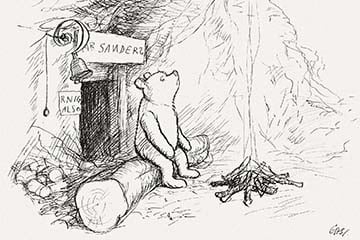
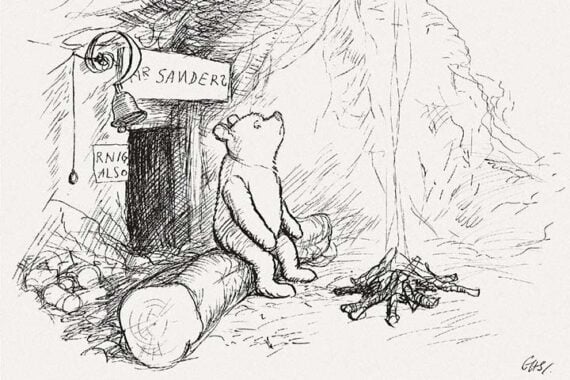
October 14, 2026, marks a significant cultural anniversary: the centennial of A.A. Milne’s beloved "Winnie-the-Pooh," which first graced bookshelves in the United States and Britain on this date in 1926. A century later, the whimsical tales of Pooh, Piglet, Tigger, and their adventures in the Hundred Acre Wood continue to captivate generations, solidifying their place in children’s literature and broader popular culture. This enduring appeal presents a unique and expansive content marketing opportunity for businesses across various sectors, extending far beyond traditional booksellers and toy shops.
Publishers are already preparing for this milestone, with anticipation building for new editions, commemorative releases, and perhaps even curated exhibitions or animated specials. For content marketers, the Pooh centennial transcends simple nostalgia. It offers a rich tapestry of themes that resonate universally: childhood innocence, the profound bonds of friendship, the serenity of nature, the lifelong joy of reading, and, of course, the simple pleasure of a jar of honey.
E-commerce businesses can creatively integrate these themes into their content strategies. For instance, a bookstore could launch a "Pooh’s Favorite Reads" campaign, highlighting classic children’s literature or books that explore themes of friendship and adventure. A home goods retailer might curate a collection of "Cozy Corner" items, inspired by the warmth and comfort of the Hundred Acre Wood, featuring plush blankets, comfortable reading chairs, and perhaps even honey-scented candles. Apparel brands could design limited-edition collections featuring subtle nods to Pooh characters or motifs, emphasizing themes of comfort and playfulness.
Beyond direct product tie-ins, the centennial offers a platform for storytelling. Content can explore the historical context of the early 20th century when Milne penned these stories, discussing the societal influences and literary trends of the era. Marketers can delve into the psychological aspects of childhood development and the importance of imaginative play, drawing parallels to modern-day parenting trends. Furthermore, discussions around the preservation of classic literature and the impact of beloved characters on cultural identity can foster deeper engagement.
The inherent universal appeal of Winnie-the-Pooh allows brands to connect with audiences on an emotional level, evoking feelings of warmth, comfort, and cherished memories. By thoughtfully weaving these elements into their content, businesses can create campaigns that are not only timely but also deeply meaningful, fostering a sense of shared cultural appreciation and strengthening brand loyalty. The longevity of Pooh’s appeal is a testament to the power of well-crafted narratives, offering a timeless model for engaging content.
Harnessing Halloween’s Spooky Spirit: User-Generated Content in the Age of AI
Halloween, a holiday steeped in tradition and commercial appeal, offers a significant opportunity for e-commerce businesses to engage consumers through user-generated content (UGC). The spooky season is a major economic driver in the United States, with annual spending projected to exceed $13 billion. While candy and costumes represent substantial portions of this spending, significant revenue is also generated through decorations, entertainment, and even the burgeoning pet costume market.
In an era where generative artificial intelligence (AI) can produce polished and abundant content with relative ease, the value of authentic human expression through UGC becomes even more pronounced. While AI can create visually appealing marketing materials, it cannot replicate the genuine endorsement and emotional connection that comes from real customers using and enjoying a product. UGC, in the form of customer photographs, videos, reviews, and social media posts, provides undeniable social proof that synthetic content cannot match.
This distinction is increasingly recognized by major social media platforms. Pinterest, for example, has implemented labels for AI-generated images and allows users to filter them out in certain categories. Similarly, TikTok and Meta have introduced measures to identify and disclose AI-generated content, signaling a growing industry-wide emphasis on transparency and authenticity.
For October 2026, online retailers can capitalize on this trend by actively soliciting UGC from their customer base. A strategic campaign could encourage shoppers to submit photos and videos showcasing how they use the company’s products in their Halloween celebrations.
- For kitchenware retailers: Solicit photos of "creepy cakes," "spooky sweets," or "gourd-geous" baked goods made using their bakeware, utensils, or decorative items. This could translate into a "Haunted Baking Contest" with prizes for the most imaginative creations.
- For apparel and costume shops: Encourage customers to share photos of themselves or their families in costumes featuring products purchased from the store. This could lead to a "Costume Showcase" on the brand’s website or social media channels, highlighting customer creativity.
- For pet supply businesses: Invite shoppers to submit pictures of their costumed pets. This offers a highly shareable and engaging form of UGC, celebrating the unique bond between owners and their furry companions. Brands could curate a "Pet Parade of Costumes" or a "Most Spooktacular Pet" competition.
The most compelling UGC submissions can be repurposed into various content formats, including blog posts, social media updates, email newsletters, and dedicated galleries on product pages. This not only provides authentic and relatable content but also fosters a sense of community and encourages further customer participation. By prioritizing UGC, e-commerce businesses can build trust, enhance credibility, and create a more dynamic and engaging brand narrative that resonates with consumers seeking genuine experiences. The investment in fostering UGC is an investment in authentic brand advocacy.

Navigating Seasonal Changes: The AI Versus Expert Content Challenge
October is a period of significant seasonal transition in many parts of the world. As temperatures drop, individuals engage in a range of preparatory activities, from winterizing homes and preparing vehicles for colder weather to storing summer equipment, planning holiday feasts, and retrieving warmer clothing from storage. These seasonal chores and preparations offer a rich vein of content opportunities for e-commerce marketers, particularly those in industries related to home improvement, automotive, outdoor equipment, and apparel.
A compelling content strategy for October 2026 involves pitting the capabilities of AI against the seasoned knowledge of human experts. This approach not only provides practical value to consumers but also positions the brand as a source of reliable information and critical analysis in the rapidly evolving AI landscape. The process is straightforward:
- Leverage AI: Pose a common seasonal task or product-related question to leading AI assistants such as ChatGPT, Claude, or Gemini. For example, a home improvement store might ask an AI for the best method to insulate a drafty window. An automotive parts retailer could inquire about the essential steps for winterizing a car’s engine.
- Seek Expert Review: Engage a human expert—an experienced mechanic, a seasoned contractor, a master gardener, or a product specialist—to review the AI’s generated advice. This expert would then analyze the AI’s recommendations, identifying what was accurate, what was incomplete, and what might be misguided or even potentially harmful.
- Demonstrate Superiority (or Nuance): The expert can then offer a refined, more accurate, or more practical approach, demonstrating a superior understanding or highlighting the nuances that AI might miss. This could involve detailing specific techniques, recommending alternative products, or providing crucial safety warnings.
Examples of such "AI vs. Expert" content could include:
- Home Goods/DIY: An AI might suggest using bubble wrap to insulate windows, while an expert could detail the benefits of weather stripping, caulk, and insulating curtains, along with proper installation techniques and material choices.
- Automotive: An AI might list general car maintenance for winter, but an expert could provide specific advice on tire pressure adjustments in colder climates, the correct type of antifreeze, battery checks, and the importance of fuel additives, along with hands-on demonstrations.
- Outdoor & Garden: An AI might suggest general plant storage, but an expert could guide users on proper pruning techniques for specific plants, the use of cold frames, the benefits of mulching, and the optimal timing for bringing certain species indoors.
- Apparel: An AI might suggest layering for warmth, but an expert could delve into the science of base layers, mid-layers, and outer shells, recommending specific materials like merino wool or Gore-Tex and explaining their properties for different weather conditions and activities.
This content format offers several benefits. It provides highly practical, actionable advice that directly addresses consumer needs during a transitional period. It also positions the brand as a knowledgeable authority, capable of critically evaluating emerging technologies like AI and providing discerning insights. Furthermore, it directly taps into the ongoing public discourse surrounding AI’s capabilities and limitations, making the content highly relevant and shareable. By showcasing the irreplaceable value of human expertise, brands can build trust and demonstrate a commitment to offering genuinely valuable guidance. The implication is clear: while AI can process information, human experience and nuanced understanding remain paramount for complex decision-making and practical application.

Unearthing History: Embracing Archives Month for Brand Storytelling
October is officially recognized as American Archives Month, an annual observance dedicated to raising awareness about the critical importance of archives and the dedicated individuals who work to preserve them. This initiative provides a unique and often overlooked opportunity for e-commerce businesses to connect with their audiences by delving into their own rich histories. By exploring their corporate archives, companies can unearth a treasure trove of content that can inform, engage, and build a deeper connection with customers.
The concept of an archive extends beyond dusty repositories of official documents; for retail businesses, it encompasses a wealth of tangible and intangible assets that tell the story of their evolution. Old catalogs, vintage photographs, early advertisements, original packaging designs, historical newsletters, and even retired product lines can all serve as invaluable source material for compelling content.
Here’s how businesses can leverage their archives:
- Apparel Retailers: A long-standing clothing brand could create a series of "Then and Now" posts showcasing how fashion trends have evolved over the decades, comparing their early collections with current offerings. This could highlight the enduring appeal of certain styles or the cyclical nature of fashion.
- Gardening and Outdoor Equipment Merchants: A company with a history in this sector could create content comparing the gardening tools and equipment they sold 10, 20, or even 50 years ago with their modern counterparts. This could illustrate advancements in technology, materials, and ergonomic design, demonstrating the company’s commitment to innovation.
- Specialty Retailers (e.g., Kitchenware, Electronics): A kitchen supply shop could explore the evolution of specific product categories, such as cast iron skillets, espresso machines, or blenders, showcasing how these items have transformed in design, functionality, and materials over time. This historical perspective can educate consumers and highlight the brand’s expertise and longevity.
- Newer Companies: Even businesses that are not decades old can find value in their archives. Early product prototypes, initial marketing materials, or even the story behind the company’s founding can serve as compelling narrative content. Industry archives can also provide context for a company’s place within a broader historical narrative of innovation and development.
By transforming archival materials into articles, videos, social media posts, or even interactive timelines, businesses can offer their audience a fascinating glimpse into their origins, values, and journey. This type of content not only educates consumers about the brand’s heritage but also builds trust and authenticity by demonstrating a connection to the past. It humanizes the brand, making it more relatable and memorable. Furthermore, content derived from archives can often have strong SEO benefits, as historical information can be highly sought after by consumers researching specific products or industries. In essence, American Archives Month provides a perfect impetus for businesses to look inward, rediscover their narrative roots, and share those stories with the world, thereby strengthening their brand identity and fostering a deeper connection with their customer base.
Capitalizing on Current Events: The Power of News Hooks in Content Strategy
In the dynamic world of e-commerce, staying relevant often means being agile and responsive to the prevailing cultural and news cycles. A well-executed "news hook"—a current event, trending topic, or significant statement from a public figure—can serve as a powerful catalyst for attracting, engaging, and retaining customers. While the specific news that will dominate headlines in October 2026 is unpredictable, content marketers can proactively prepare to leverage such opportunities by establishing a robust monitoring system and developing a framework for rapid content creation.
The principle behind using a news hook is to connect a brand’s products or services to a broader conversation that is already capturing public attention. This allows businesses to insert themselves into existing discussions in a meaningful and relevant way, rather than creating content in a vacuum.
A compelling example of this strategy can be illustrated through a hypothetical scenario involving a prominent public figure and a discussion about artificial intelligence. Imagine a statement made by a tech visionary like Elon Musk, widely reported across media channels, predicting a significant advancement in AI capabilities. For instance, a hypothetical tweet from Musk on X might read: "AI will be able to do anything digital (that doesn’t require shaping atoms) at a superhuman level by the end of next year."
This statement, widely disseminated and debated, could serve as an ideal news hook for a variety of e-commerce businesses. Consider a website specializing in science fiction merchandise:

- The Hook: Elon Musk’s prediction about AI’s future capabilities.
- The Content Connection: The article could explore how science fiction literature and film have long anticipated such technological advancements. It could highlight classic sci-fi narratives that explored sentient AI, digital consciousness, and the blurring lines between human and machine intelligence.
- The Product Integration: The article could then feature themed T-shirts, posters, or collectibles from iconic science fiction works that directly relate to the themes discussed. For example, merchandise from "Blade Runner," "The Matrix," or "2001: A Space Odyssey" could be prominently featured.
The success of this strategy hinges on several key factors:
- Proactive Monitoring: Businesses must actively monitor news outlets, social media trends, industry publications, and statements from influential figures relevant to their niche. This requires dedicated resources and tools for tracking conversations.
- Relevance Assessment: Not every news story is a suitable hook. Marketers need to quickly assess whether a particular event or statement has a genuine and logical connection to their brand, products, or target audience. The connection should feel organic, not forced.
- Speed and Agility: The news cycle moves rapidly. The ability to generate relevant content—an article, a social media post, a video, or an email campaign—swiftly after a news hook emerges is critical for capturing audience attention while the topic is still trending.
- Authenticity: While leveraging news hooks, it’s crucial to maintain the brand’s authentic voice and values. The content should add value to the conversation, rather than simply exploiting a trend for commercial gain.
By staying attuned to the pulse of current events and developing the capacity to react swiftly with relevant and valuable content, e-commerce marketers can significantly enhance their visibility, engagement, and ultimately, their bottom line. The ability to pivot and connect with timely narratives is an indispensable skill for navigating the ever-evolving digital marketplace. The implication for businesses is that content strategy is not solely about planned campaigns, but also about the skillful and timely integration of external stimuli into a cohesive brand narrative.