The landscape of e-commerce is poised for significant transformation in 2026, according to leading industry voices. In an annual tradition, Bill D’Alessandro and an unnamed co-author have released their collective predictions for the coming year, offering insights into the burgeoning influence of artificial intelligence, evolving geopolitical trade policies, and the starkly contrasting economic realities that will shape consumer behavior and business strategies. Their forecast, presented with a novel AI-driven judging mechanism for accountability, covers a spectrum of crucial areas, from the future of online advertising and content creation to the economic viability of emerging business models.
The AI Revolution in Commerce: From Telepathic Targeting to Automated Content
A central theme dominating the predictions is the accelerating integration of artificial intelligence into every facet of e-commerce. The authors contend that by 2026, AI will move beyond mere data analysis to offer an almost prescient understanding of consumer intent and behavior. One prediction highlights the imminent launch of advertising platforms powered by OpenAI, which are expected to deliver targeting capabilities so granular they will feel "telepathic." This suggests a paradigm shift where advertising will not only be precise but also deeply personalized, anticipating needs and desires before they are explicitly articulated by the consumer. Early adopters of such advanced AI-driven advertising solutions are predicted to gain a substantial competitive advantage.

This sentiment is echoed in the assertion that AI will "completely take over Meta ads content." Evidence from proof-of-concept projects indicates that large brands are already developing AI pipelines capable of generating hundreds of novel advertisements daily. These systems can analyze customer reviews, leverage existing brand assets, and produce a constant stream of visual and textual content, including stills and increasingly, video, directly through APIs. This capability signifies a move towards hyper-efficient, scalable, and data-driven advertising campaigns, potentially lowering production costs and increasing campaign agility for businesses.
Beyond advertising, AI’s impact on content creation is expected to be profound. The prediction that "video and audio editing will be largely automated at 7/10 quality" points to a future where sophisticated editing tools, capable of producing polished content from raw footage with minimal human input, will become commonplace. Tools like Descript are already demonstrating this potential, and by the end of 2026, founders are expected to leverage AI to generate professional-quality video and audio content that previously required dedicated production teams. This democratization of high-quality content creation will empower smaller businesses and entrepreneurs to compete more effectively in the digital space.
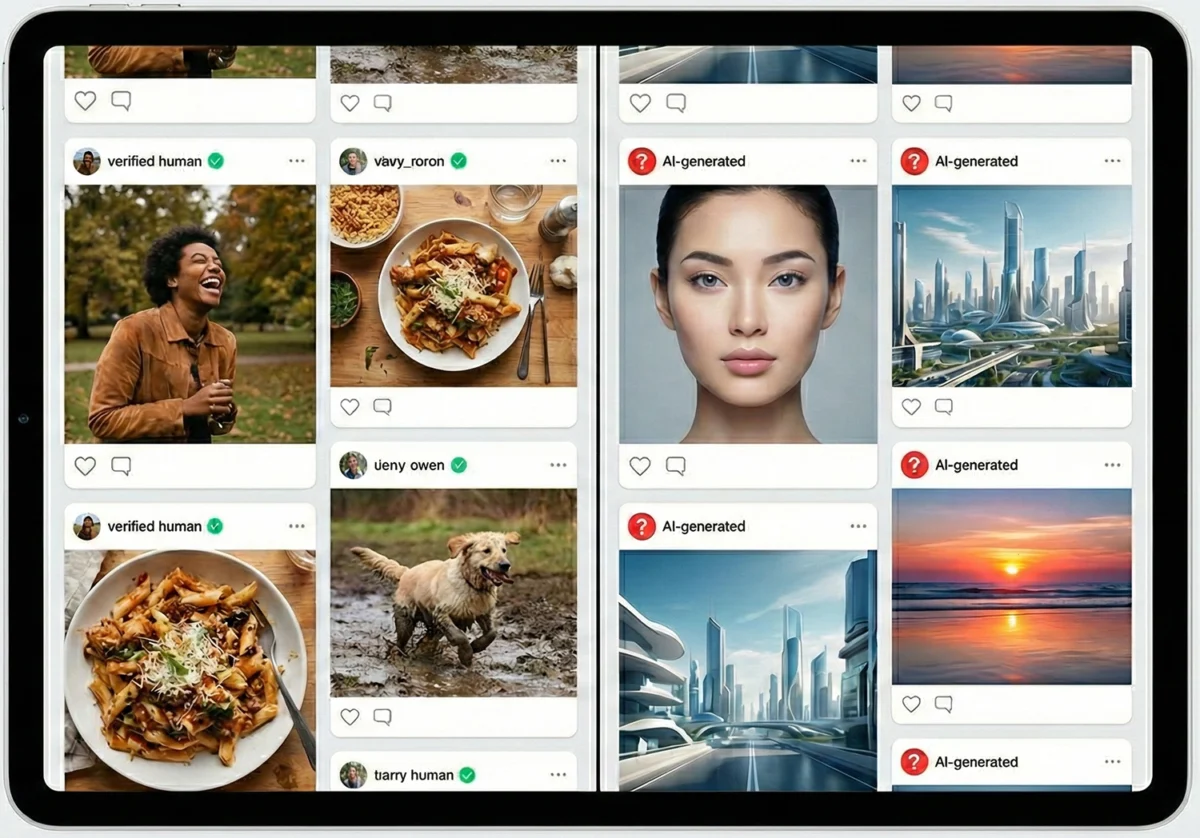
Furthermore, the pervasive nature of AI-generated content on social media platforms is raising concerns about authenticity. One prediction suggests that "major platforms will start testing ‘verified human’ content badges." The observation of a significant portion of content on platforms like X (formerly Twitter) appearing to be AI-generated has led to an erosion of trust. In response, major social media and content platforms may introduce verification systems to distinguish human-created content from that produced by artificial intelligence, aiming to restore user confidence and ensure transparency.
Geopolitical and Economic Crosscurrents: Tariffs, Inflation, and a Divergent Economy

The economic outlook for 2026 is painted with a broad brush of complexity, marked by shifting trade policies and persistent inflationary pressures. One prediction posits that "tariffs on China will settle between 30-50%, not higher." This forecast is based on an analysis of current economic conditions, including creeping inflation and softening economic growth. The authors suggest that political responses to market fluctuations, particularly the bond market’s reaction to previous tariff escalations, will likely temper any aggressive moves to impose significantly higher tariffs. The reasoning suggests a cautious approach to avoid further destabilizing an already fragile global economy.
Compounding these economic uncertainties is the prediction that "inflation will be north of 3% in 2026." This view attributes persistent inflation to a lack of political will to curb government spending, leading to continued deficit spending. This outlook suggests that inflation is not a short-term phenomenon but a sticky issue likely to persist for the next decade. Businesses and investors are advised to strategically position themselves for an enduring inflationary environment.
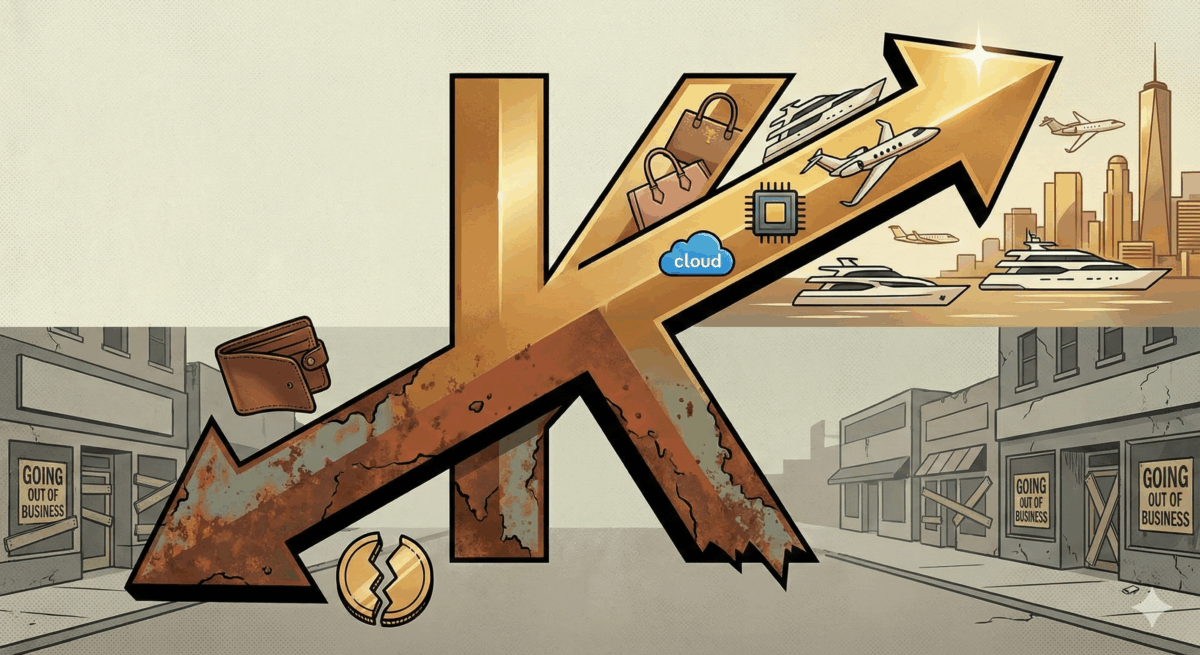
This economic climate is further characterized by the concept of a "K-shaped economy," a prediction that 2026 will be defined by this bifurcated economic reality. While large technology companies and major market players are expected to continue their growth trajectory, potentially increasing by another 20% or more, the broader economy and the average consumer are anticipated to struggle. For e-commerce businesses, this implies a strategic imperative: either focus on serving affluent consumers in the "up-market" or cater to price-sensitive customers with essential goods at competitive prices in the "down-market." The middle ground is identified as a particularly precarious position.
The Future of E-commerce Brands and Market Dynamics

The evolving economic and technological landscape has significant implications for the structure and survival of e-commerce businesses. The prediction that "the lifestyle brand is dead" suggests a challenging future for businesses that lack strong intellectual property protection or a top-tier brand presence. E-commerce ventures with revenues in the single-digit millions are expected to face intense competition from larger entities leveraging AI-powered operational efficiencies. These larger players will possess the capacity to outspend competitors on marketing, out-test campaign strategies, and absorb higher customer acquisition costs, making it increasingly difficult for smaller, lifestyle-focused brands to remain viable.
This dynamic extends to merger and acquisition (M&A) activity. The prediction is that M&A will be "gang busters at the high end and anemic at the low end." Data indicates a significant year-over-year increase in deals exceeding $1 billion, while transactions in the small and mid-size range have seen a decline. This trend is expected to continue, with top-tier businesses commanding substantial valuations, while typical e-commerce brands may struggle to find buyers or achieve favorable deal terms.
The AI Bubble and Digital Assets: Navigating a Volatile Future
Counter to prevailing opinions, the prediction that "the AI bubble won’t pop in 2026" suggests a more resilient technological market than some anticipate. The authors point to fundamental differences compared to the dot-com bubble of the early 2000s. The current forward price-to-earnings ratio of the NASDAQ is cited at approximately 27x, significantly lower than the over 100x seen during the tech bubble. Moreover, government investment in AI is currently about five times what tech spending was in 2000, adjusted for inflation, indicating strong underlying support and development.
In the realm of digital assets, a nuanced prediction is made for Bitcoin: it will "dip below $70K but finish above $100K." This forecast acknowledges competing pressures. A struggling consumer economy may reduce Bitcoin’s appeal as a risk asset, potentially leading to a dip in the first half of the year. However, persistent inflation is expected to bolster Bitcoin’s narrative as a digital store of value, or "digital gold," driving a recovery and eventual surpassing of the $100,000 mark by year-end.
Accountability and the Future of Industry Insights
Adding a layer of accountability to these predictions, the authors have established a unique judging mechanism for 2026. To address past critiques of overly generous self-grading, they plan to feed the transcript of their 2025 predictions into AI models like Claude and Grok at the conclusion of 2026. These AI systems will then determine the accuracy of each prediction, with the loser of the "bet" being subject to a humorous and humbling steak dinner ritual.
Beyond speculative forecasts, the article emphasizes the value of real-time industry insights derived from a community of experienced e-commerce operators. The authors encourage readers to engage with a braintrust of successful store owners who are actively discussing current trends, challenges, and emerging opportunities. This collaborative approach is presented as a more reliable method for staying ahead of the curve than relying solely on annual predictions, underscoring the dynamic and ever-evolving nature of the e-commerce sector.