The digital advertising landscape is in constant flux, and for businesses aiming to capture audience attention on platforms like YouTube, understanding and effectively implementing automated bidding strategies is no longer optional, but essential. As Google’s Smart Bidding solutions become increasingly sophisticated and integral to campaign success, particularly for video advertising, advertisers must move beyond a superficial understanding of available options to master the art of campaign setup for optimal performance. This comprehensive guide explores the nuances of YouTube Smart Bidding, offering actionable insights and strategic recommendations for advertisers seeking to drive measurable results, from sales and leads to brand awareness.
At its core, Smart Bidding leverages machine learning to optimize bids in real-time for each auction, aiming to achieve specific campaign goals. On YouTube, this powerful technology is primarily harnessed through campaigns designed for conversion actions, such as Video Action Campaigns (VACs), which are specifically engineered to generate sales, leads, or sign-ups. However, Smart Bidding also offers valuable applications for campaigns focused on reach and awareness, such as bumper ads, demonstrating its versatility across different advertising objectives.
Understanding the Available Smart Bidding Options on YouTube
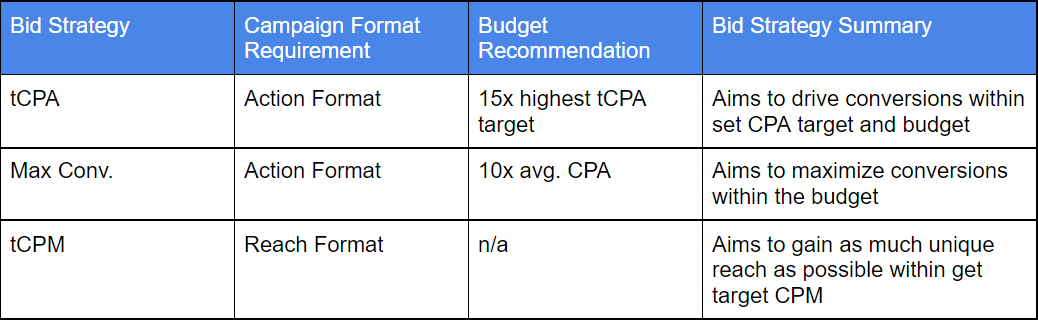
For conversion-focused campaigns, the two primary Smart Bidding strategies are Target CPA (tCPA) and Maximize Conversions.

- Target CPA (tCPA): This strategy aims to get as many conversions as possible at or below the target cost-per-acquisition you set. For example, if your target CPA is $85, the system will strive to acquire conversions at this average cost. This requires a clear understanding of your business’s profitability and the value of each conversion.
- Maximize Conversions: This strategy automatically sets bids to help get the most conversions possible within your campaign budget. While it doesn’t allow for a specific CPA target, it is often recommended as a starting point. By allowing the algorithm to find conversions without a strict CPA constraint initially, advertisers can establish a baseline understanding of achievable costs before refining the strategy with tCPA.
For campaigns primarily focused on building brand awareness and reaching a broad audience, Smart Bidding also plays a role, albeit with different objectives. Strategies here might focus on optimizing for reach or view-through rates, ensuring that advertising spend is allocated to deliver maximum visibility and impact.
The Critical Link Between Budget and Smart Bidding Success
A common pitfall for advertisers employing Smart Bidding on YouTube is an insufficient budget. Google’s algorithms require adequate resources to effectively learn and optimize. A widely cited recommendation from Google and performance marketing experts is to set campaign budgets that are 10 to 15 times the target cost per conversion (CPA).
Let’s illustrate this with an example:
- Scenario: An advertiser aims to achieve a tCPA of $85 for their YouTube campaigns.
- Budget Recommendation (10x CPA): To align with the minimum recommendation, the daily or campaign budget should be at least $850 (10 * $85).
- Budget Recommendation (15x CPA): To further optimize and allow for greater learning and flexibility, a budget of $1,275 (15 * $85) would be advisable.
Similarly, for a campaign using Maximize Conversions with an estimated CPA of $85, the budget should ideally be at least $850 to allow the algorithm sufficient room to operate and identify conversion opportunities.

While these budget figures might initially seem substantial, especially for smaller businesses, they are crucial for enabling Smart Bidding to perform optimally. Insufficient budgets can lead to campaigns being flagged as "Limited by Budget" (LBB), hindering the algorithm’s ability to explore the full spectrum of bidding opportunities and thus limiting potential performance gains. This constraint prevents the system from bidding in high-opportunity auctions, effectively capping growth and efficiency.
A Mini Case Study in Budget Optimization
To underscore the importance of adequate budgeting, consider the following scenario observed in practice:
- Situation: A YouTube campaign was running effectively on a tCPA strategy but was repeatedly flagged as "Limited by Budget."
- Initial Bid-to-Budget Ratio: The campaign’s budget was set at approximately 10 times the current CPA.
- Strategic Update: The advertiser decided to increase the campaign budget to 15 times the current CPA.
- Observed Results: Following this budget adjustment, and after accounting for the initial two-week learning period of the Smart Bidding algorithm, the campaign experienced significant improvements. Both the volume of conversions and the efficiency (measured by CPA) saw positive trends. This demonstrates that investing more in the budget, when strategically aligned with performance goals, can unlock substantial growth.
This case study highlights a critical takeaway: while initial budget recommendations might seem aggressive, adhering to them, particularly when transitioning to or optimizing tCPA, is often a necessary step to achieve sustained success. The machine learning models require sufficient data and bidding opportunities to refine their predictions and bid adjustments, leading to better overall campaign outcomes.
Other Key Considerations for Smart Bidding on YouTube
Beyond budget, several other factors contribute to the successful implementation of Smart Bidding on YouTube:
- Conversion Tracking Accuracy: The effectiveness of Smart Bidding is intrinsically linked to the accuracy and completeness of conversion tracking. Ensure that all desired conversion actions (sales, leads, sign-ups) are meticulously tracked within Google Ads. Any discrepancies or missed conversions will mislead the algorithm and impair its ability to optimize. This includes ensuring that offline conversions are being imported accurately if applicable to your business model.
- Data Volume and Quality: Smart Bidding algorithms thrive on data. For optimal performance, campaigns should have a sufficient volume of historical conversion data. Generally, it’s recommended to have at least 15-30 conversions in the past 30 days for a given campaign before fully relying on Smart Bidding strategies, especially tCPA. If a campaign is new or has limited data, it’s prudent to start with Maximize Conversions or a broader targeting strategy to gather sufficient data.
- Campaign Structure and Goal Alignment: Ensure your campaign structure aligns with your overall business objectives. For instance, if your primary goal is lead generation, structure your campaigns and ad groups to specifically target audiences likely to convert. The choice between tCPA and Maximize Conversions should also be dictated by whether you have a defined cost threshold for conversions or if the primary goal is volume.
- Learning Period Management: Smart Bidding campaigns undergo a learning period, typically lasting two weeks. During this time, the algorithm gathers data and adjusts its bidding strategies. It’s crucial to avoid making significant changes to campaign settings (like budget, targeting, or ad creatives) during this period, as this can reset the learning process and delay optimization. Patience and consistent data are key.
- Audience Targeting Refinement: While Smart Bidding automates bid adjustments, effective audience targeting remains paramount. Combine Smart Bidding with well-defined audience segments (e.g., remarketing lists, in-market audiences, custom intent audiences) to ensure your ads are shown to the most relevant users. The algorithm can then focus its optimization efforts on delivering conversions from these high-intent audiences.
- Creative Optimization: Even the most sophisticated bidding strategy will falter if the ad creatives are not compelling. High-quality, engaging video ads that clearly communicate your value proposition and include strong calls to action are essential for driving conversions. The algorithm can optimize bids, but it cannot force users to engage with poor creative.
- Monitoring and Iteration: While Smart Bidding automates many aspects of campaign management, it does not eliminate the need for human oversight. Regularly monitor campaign performance, analyze key metrics, and be prepared to make strategic adjustments. This might include refining target CPAs, adjusting budgets based on performance, or testing new ad creatives and audience segments. The goal is to work in tandem with the algorithm, not to abdicate responsibility entirely.
- Understanding Limitations: It’s important to recognize that Smart Bidding is not a magic bullet. Factors outside of Google Ads, such as website user experience, landing page effectiveness, and overall market conditions, will significantly impact campaign results. Smart Bidding optimizes within the parameters you provide; it cannot fix fundamental issues with your offering or online presence.
The evolving nature of digital advertising necessitates a proactive and informed approach to leveraging powerful tools like YouTube’s Smart Bidding. By understanding the available strategies, adhering to recommended budget guidelines, ensuring accurate tracking, and continuously monitoring and refining campaigns, advertisers can unlock the full potential of video advertising on YouTube, driving meaningful business outcomes. For those seeking to navigate this complex terrain and maximize their return on investment, seeking expert guidance and staying abreast of platform updates is a strategic imperative.
The broader implications of effective Smart Bidding on YouTube extend beyond individual campaign performance. As more businesses leverage these automated tools, the overall efficiency and effectiveness of the advertising ecosystem improve. This, in turn, can lead to more competitive pricing for advertisers and a more relevant ad experience for viewers. However, it also underscores the growing importance of data privacy and transparency, as these algorithms rely heavily on user data to function. As regulations and user expectations evolve, advertisers and platforms alike must adapt to ensure that these powerful bidding strategies are employed responsibly and ethically, fostering trust and long-term sustainability in the digital advertising space. The journey of mastering YouTube Smart Bidding is an ongoing one, requiring continuous learning, adaptation, and a commitment to data-driven decision-making.