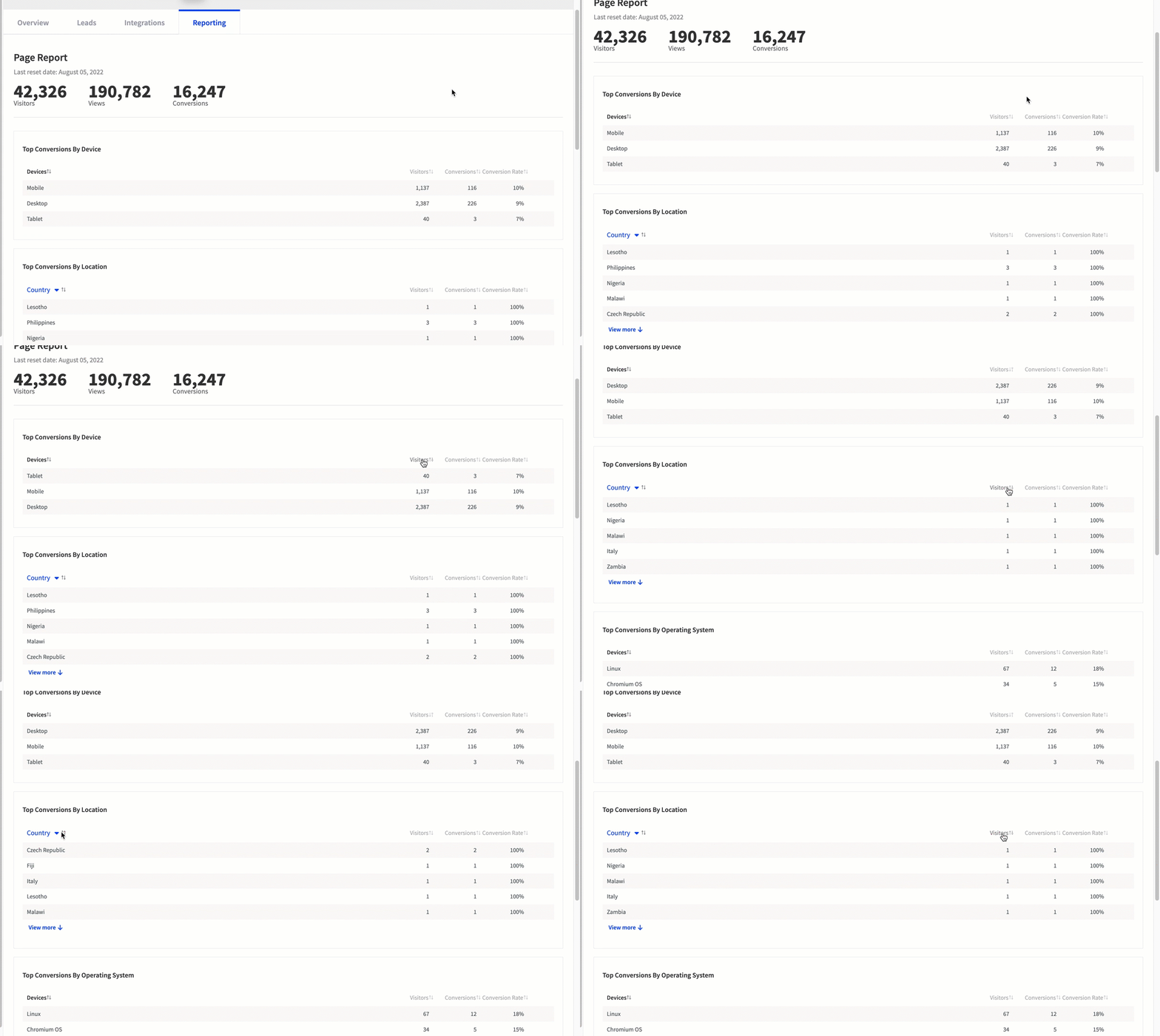
An exit-intent popup represents a critical last-chance mechanism in digital marketing, deploying a targeted signup form or offer precisely when a website visitor signals their imminent departure. This sophisticated intervention provides a singular opportunity to re-engage an audience member seconds away from abandoning a site, transforming a potential loss into a valuable lead or conversion. Unlike traditional popups that can disrupt the user experience, exit-intent technology is designed for minimal intrusion, activating only after content consumption, when a visitor has already processed information and made a preliminary decision to leave. This strategic timing is paramount to its effectiveness, shifting the interaction from an interruption to a highly contextualized, value-driven proposition, thereby optimizing the user journey and bolstering digital conversion funnels.
The principle underpinning exit-intent technology lies in its capacity to interpret subtle user signals as indicators of impending departure. On desktop interfaces, this is primarily achieved through a small JavaScript script that meticulously tracks the visitor’s mouse movements. When the cursor rapidly ascends towards the browser’s top edge, aiming for the close button, tab switcher, or address bar, the script registers this as an unequivocal intent to exit. This triggers the immediate display of a predefined popup, presenting an offer before the user can fully disengage. The precision of this tracking ensures that the popup appears at the exact moment of decision, maximizing its relevance and potential impact.
Mobile environments, lacking a traditional cursor, necessitate a different approach to intent detection. Here, exit triggers respond to a range of behavioral cues indicative of leaving. These can include a rapid press of the device’s back button, a swift tap to switch between browser tabs, or an unusually fast scroll back to the very top of a page, suggesting the user has finished reviewing content and is preparing to navigate away. The adaptability of exit-intent technology across diverse device types underscores its robustness as a versatile conversion tool, ensuring that businesses can capture leads regardless of how their audience accesses their content.
The Psychological Edge: Why Timing Matters

The efficacy of exit-intent popups is deeply rooted in psychological principles. Standard popups, which often appear after a set time or scroll depth, frequently interrupt a user mid-task or mid-read, leading to frustration and a higher likelihood of immediate dismissal. In contrast, exit-intent popups wait. By deploying an offer only after the visitor has consumed the content, made an internal judgment, and consciously decided to leave, the interruption factor is mitigated. At this precise juncture, the user’s browsing activity has concluded, creating a cognitive space where a relevant offer can effectively reframe their exit into a pivotal decision point. This strategic timing leverages the ‘endowment effect,’ where users are more receptive to an offer when they feel they have already invested time or effort into the site. It also taps into the ‘fear of missing out’ (FOMO), presenting a final, valuable opportunity that might otherwise be overlooked. This non-disruptive, reactive approach fosters a sense of agency for the user, making them more receptive to the presented value proposition.
A Brief History of Digital Interventions and the Rise of Exit-Intent
The evolution of popups in digital marketing is a testament to the continuous quest for user engagement and conversion optimization. Early popups, prevalent in the late 1990s and early 2000s, were often intrusive, appearing without warning and frequently blocking content, leading to widespread user frustration and the development of browser-level popup blockers. This era established a negative connotation around the term "popup," associating it with aggressive, unwanted advertising.
However, as digital marketing matured, the


 Iffa Jayyana

 Pevita Pearce