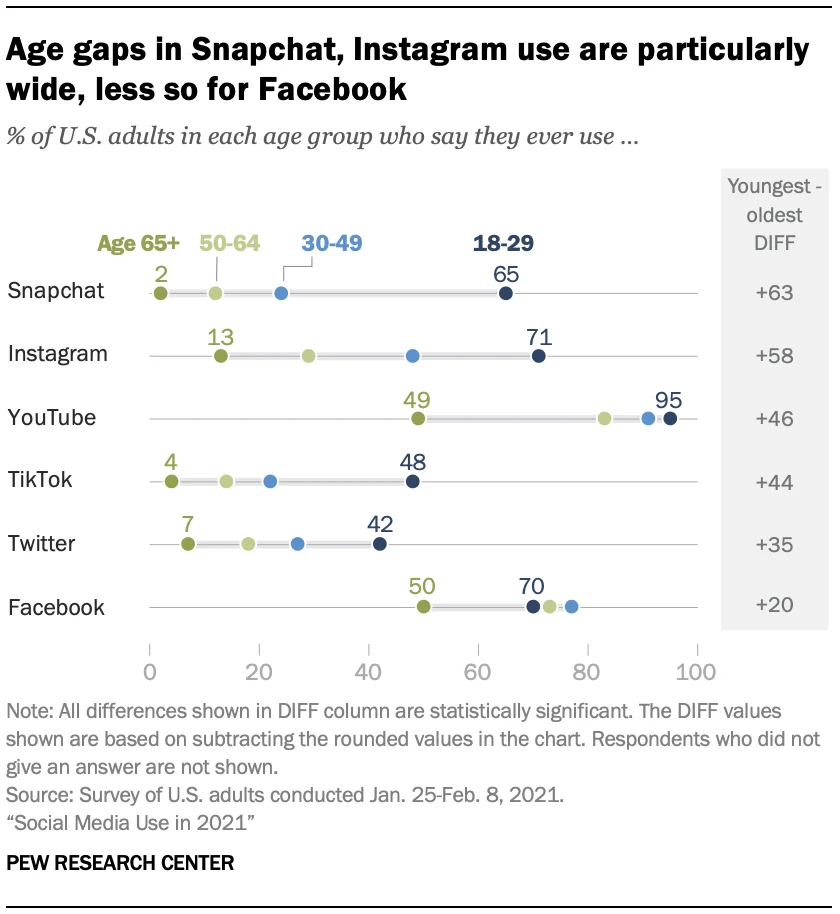
Meta Platforms Inc., the parent company of Facebook and Instagram, has finalized a historic agreement to pay approximately $17.1 billion to settle a massive consolidated lawsuit alleging the company intentionally designed its platforms to foster addiction among younger users. The settlement, which marks one of the largest payouts in the history of the technology industry, also mandates a comprehensive overhaul of Meta’s product features and safety protocols for minors. This legal resolution concludes years of intense litigation and public scrutiny that began with internal leaks and culminated in a nationwide push for corporate accountability regarding the mental health of the "digital native" generation.
The settlement is the result of coordinated legal action involving dozens of state attorneys general, hundreds of school districts, and thousands of individual families who claimed that Meta’s algorithms were engineered to exploit the psychological vulnerabilities of children and teenagers. Beyond the financial penalty, Meta has committed to implementing rigorous age-verification technologies, ending the use of "infinite scroll" for accounts held by minors, and providing parents with enhanced oversight tools that allow for more direct control over their children’s digital consumption.
The Genesis of the Litigation: From Whistleblowers to Courtrooms
The momentum for this landmark settlement can be traced back to 2021, when Frances Haugen, a former Meta product manager, leaked tens of thousands of pages of internal documents. These documents, which became known as the "Facebook Files," revealed that the company was aware of the negative impact its platforms—specifically Instagram—had on the body image and mental health of teenage girls. Haugen’s subsequent testimony before the U.S. Congress served as a catalyst, shifting the public narrative from general concern about screen time to specific allegations of corporate negligence.
The litigation argued that Meta utilized features such as "likes," "streaks," and algorithmic recommendations to trigger dopamine responses similar to those found in gambling. Plaintiffs contended that these design choices were made despite internal research highlighting the potential for harm, including increased rates of depression, anxiety, and sleep deprivation among youth populations. The $17.1 billion figure reflects the scale of the alleged damage, intended to compensate affected parties and fund mental health initiatives across the United States.
A Chronology of the Social Media Accountability Movement
The path to this settlement was characterized by a series of pivotal events that increased the legal and reputational pressure on Meta:
- September 2021: The Wall Street Journal publishes the "Facebook Files," revealing internal research on the harms of Instagram for teenagers.
- October 2021: Frances Haugen testifies before the Senate Commerce Subcommittee on Consumer Protection, Product Safety, and Data Security.
- November 2021: A bipartisan coalition of state attorneys general announces an investigation into Meta’s methods for attracting and retaining young users.
- June 2022: The first major wave of personal injury lawsuits is filed, alleging that social media addiction led to self-harm and eating disorders.
- October 2023: Over 40 states sue Meta in federal court, alleging the company misled the public about the safety of its platforms.
- August 2026: Meta reaches a definitive agreement to settle the consolidated litigation for $17.1 billion, agreeing to unprecedented product changes.
Analyzing the Advocacy Strategy: How Grassroots Pressure Overcame Corporate Might
The success of the litigation is being viewed by communications experts as a masterclass in sustained-pressure advocacy. Despite Meta’s vast financial resources and lobbying power, a relatively small group of advocates, legal experts, and researchers managed to shift the paradigm of the tech industry.
The Power of the Long Game
While corporations often operate on a quarterly basis or focus on surviving a 24-hour news cycle, advocates in this case played a "long game." By sequencing evidence over several years—moving from whistleblower leaks to academic studies and then to legal discovery—the plaintiffs ensured that the story remained in the public eye. This incremental approach raised the "cost of inaction" for Meta, eventually making a settlement more attractive than a protracted and public trial.
Weaponizing Corporate Silence
Throughout the early stages of the controversy, Meta frequently declined to comment on specific allegations or provided standardized corporate statements. Advocacy groups turned this silence into a narrative of its own, portraying the company as evasive and indifferent to parental concerns. By highlighting ignored inquiries and missed deadlines for transparency, advocates forced the company into a defensive posture, eventually compelling more substantive responses.
Data-Driven Credibility
A cornerstone of the advocacy campaign was the use of verifiable data. Independent researchers conducted "secret shopper" style audits of Instagram’s Teen Accounts, documenting how quickly the algorithms could serve unsafe or age-inappropriate content. These findings were often provided as exclusives to major news outlets like TIME and The New York Times, providing a level of factual density that a corporate PR department could not easily dismiss.
Strategic Amplification
Advocates utilized high-impact, low-cost tactics to garner disproportionate media attention. This included mobile billboards outside Meta’s headquarters, projections on buildings during shareholder meetings, and the recruitment of "unlikely validators." By centering the voices of parents, pediatricians, and former Meta engineers rather than just professional activists, the campaign gained a level of moral authority that resonated with both the public and the judiciary.
Data and Metrics: The Scale of the Crisis and Financial Impact
The $17.1 billion settlement must be viewed within the context of both the company’s earnings and the broader public health crisis. At the time of the settlement, Meta’s annual revenue exceeded $130 billion, meaning the fine represents a significant but manageable portion of its yearly intake. However, it is more than triple the $5 billion fine Meta paid to the FTC in 2019 regarding Cambridge Analytica, signaling a heightened level of regulatory and judicial severity.
Public health data supported the plaintiffs’ claims. According to the Centers for Disease Control and Prevention (CDC), rates of teenage depression and suicidal ideation saw a marked increase between 2011 and 2021, a period that coincides with the rapid expansion of social media access. While Meta argued that social media is just one of many factors affecting youth mental health, the legal discovery process revealed internal metrics showing that "time spent" was the primary KPI (Key Performance Indicator) for product teams, often at the expense of user well-being.
Corporate Response and Mandated Product Overhauls
In a statement following the settlement, a spokesperson for Meta maintained that the company has always prioritized safety but acknowledged the need for "evolution" in how social media serves younger demographics. "While we do not agree with all the characterizations in the litigation, we believe this settlement is in the best interest of our community and our business," the statement read. "We are committed to being a leader in developing age-appropriate experiences for the next generation of the internet."
The mandated changes are extensive. Meta must now:
- Eliminate Addictive Features: Features like "infinite scroll" must be replaced with "hard stops" or "pagination" for users under 18.
- Default Private Accounts: All accounts for users under 16 must be private by default with the strictest privacy settings enabled.
- Third-Party Audits: Meta must submit to biannual audits by an independent safety board to ensure compliance with the new youth protection standards.
- Algorithmic Transparency: The company must provide researchers with anonymized data regarding how its algorithms recommend content to minors.
Broader Industry Implications and the Future of Regulation
The Meta settlement is expected to send shockwaves through the entire "attention economy." Competitors such as TikTok, Snapchat, and Alphabet (YouTube) are likely to face similar legal challenges or may preemptively alter their products to avoid the same fate. Legal experts suggest that this case establishes a "duty of care" for social media companies, a precedent that could lead to new federal legislation in the United States, such as the Kids Online Safety Act (KOSA) or an updated COPPA (Children’s Online Privacy Protection Act).
Furthermore, the settlement demonstrates that the "second skillset" of communications—being the catalyst for corporate change rather than just the defender of a brand—is becoming increasingly vital. As advocacy groups become more sophisticated in their use of data and media strategy, large corporations can no longer rely on traditional crisis management playbooks.
The resolution of this case marks a turning point in the relationship between Silicon Valley and the public. It signifies the end of the "move fast and break things" era for social media, replacing it with a framework of accountability where the psychological impact of a product is as legally significant as its financial performance. For Meta, the $17.1 billion payout is a steep price for past practices, but the forced overhaul of its platforms may be the only way for the company to secure its future in an increasingly regulated digital landscape.