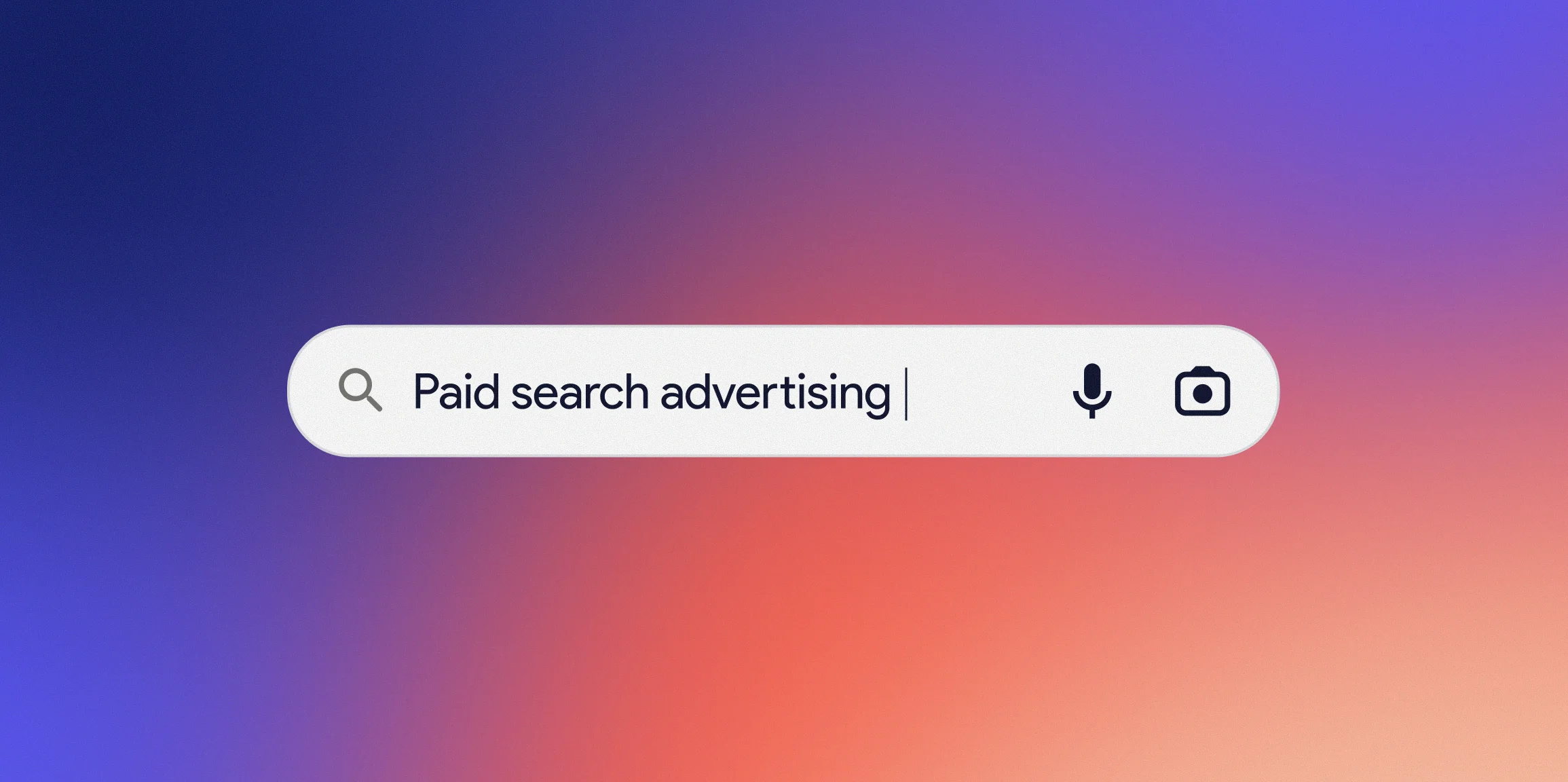
Paid search advertising generated a record-breaking $102.9 billion in U.S. revenue throughout 2024, cementing its status as the most dominant digital advertising format in the modern economy. This milestone, representing nearly 40% of all digital advertising expenditure, underscores a fundamental shift in how brands capture consumer attention in an increasingly fragmented digital landscape. Unlike traditional media, which relies on broad demographic targeting, paid search operates at the intersection of intent and immediacy, placing brand messaging in front of users at the precise second they signal a need for a product or service. However, as the market reaches unprecedented scale, the complexity of managing these campaigns has grown exponentially, driven by rising costs, the integration of artificial intelligence, and a heightened focus on the post-click user experience.
The State of the Search Market: Dominance and Diversification
The current search advertising landscape is characterized by the overwhelming dominance of Google, which maintains approximately 90% of the global market share. However, the ecosystem is far from a monopoly. In 2024, the industry saw significant growth in secondary platforms and specialized search environments. Microsoft Advertising has successfully expanded its reach by syndicating ads across a network that includes Yahoo, AOL, DuckDuckGo, and Ecosia. Furthermore, Microsoft’s strategic partnership to provide the advertising infrastructure for Netflix’s ad-supported tier has opened a new frontier for search-style intent targeting within premium streaming environments.
Parallel to this, Apple Search Ads has emerged as a critical channel for the mobile economy. As the primary method for app discovery on iOS devices, it captures high-intent users directly within the App Store. The diversification of the market means that while Google remains the primary engine for search revenue, sophisticated marketers are increasingly adopting multi-platform strategies to capture audiences across different touchpoints and devices.
A Chronology of Search Advertising Evolution
To understand the current $102.9 billion valuation of the U.S. search market, it is essential to view its trajectory through a historical lens:
- The Foundational Era (1998–2002): The launch of GoTo.com (later Overture) introduced the first pay-per-click (PPC) model, followed quickly by the debut of Google AdWords. This era established the auction-based system that replaced fixed-rate banner ads.
- The Quality Revolution (2005–2012): Google introduced "Quality Score," a pivotal change that meant the highest bidder did not always win. Relevance and user experience became as important as the bid amount, a principle that remains the bedrock of the industry today.
- The Mobile Pivot (2013–2018): With the "Mobilegeddon" update and the rise of smartphone usage, search platforms shifted to mobile-first indexing and expanded ad formats to include call extensions and location-based targeting.
- The AI and Automation Era (2019–Present): The introduction of Responsive Search Ads (RSAs) and Performance Max (PMax) marked a transition from manual keyword bidding to machine-learning-driven optimization. In this phase, advertisers provide "creative signals," and AI determines the best combination of headlines and descriptions to show each individual user.
The Mechanics of the Modern Auction
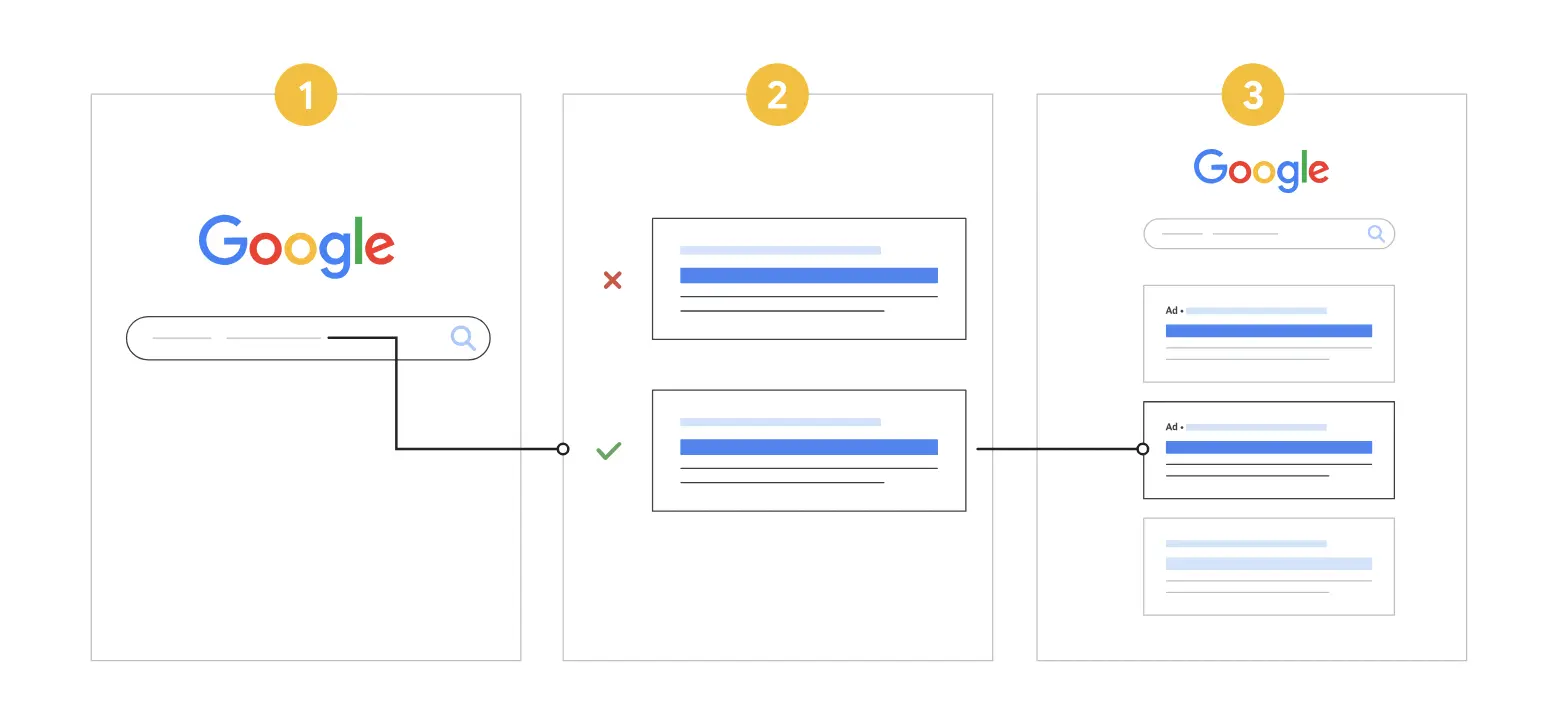
Despite the infusion of AI, the core of paid search remains the real-time auction. Every time a user enters a query, search engines perform a multi-variable calculation in milliseconds to determine ad placement. This calculation, known as Ad Rank, is determined by the maximum bid, the quality of the ad (including expected click-through rate and ad relevance), and the landing page experience.

The auction utilizes a "second-price" model, where the winner pays only one cent more than the rank of the advertiser immediately below them. This system is designed to encourage honest bidding while rewarding advertisers who provide high-quality, relevant content. Analysis of 2024 data suggests that ads with a high Quality Score (8 or above) can see a 50% reduction in their cost-per-click (CPC) compared to average-scoring ads, highlighting that technical optimization remains a significant competitive advantage.
Rising Costs and the Efficiency Crisis
While the total revenue of the search market is growing, individual advertisers are facing a tightening squeeze on margins. Economic data from late 2024 and early 2025 indicates that the average cost-per-lead (CPL) across all industries has risen from approximately $66.69 to $70.11. This increase is attributed to several factors:
- Increased Competition: More traditional businesses are shifting budgets from declining linear television and print media into search.
- Privacy Changes: The deprecation of third-party cookies and changes in mobile tracking (such as Apple’s ATT) have made it harder to target users on social platforms, driving more budget into "search," which relies on first-party intent rather than tracking.
- Inflationary Bidding: As more venture-backed and enterprise-level companies compete for the same high-intent keywords, the "floor" for bids in sectors like legal, finance, and insurance has risen, sometimes exceeding $50 per click.
The Role of AI: Performance Max and Beyond
The most significant technological shift in recent years is the transition to automated campaign types, most notably Google’s Performance Max. PMax allows advertisers to access all of Google’s inventory—including Search, YouTube, Display, Gmail, and Maps—from a single campaign.
Market analysts suggest that while PMax has simplified the entry barrier for small businesses, enterprise-level marketers are expressing concerns over the "black box" nature of these campaigns. Without the ability to see exactly which search terms triggered an ad or which specific channel drove a conversion, some brands are reporting a loss of control. However, the data generally supports the efficacy of AI; campaigns utilizing smart bidding and automated creative assets typically see a 15-20% increase in conversions compared to manual setups, provided the initial "signals" given to the AI are accurate.
The Post-Click Experience: The New Competitive Frontier
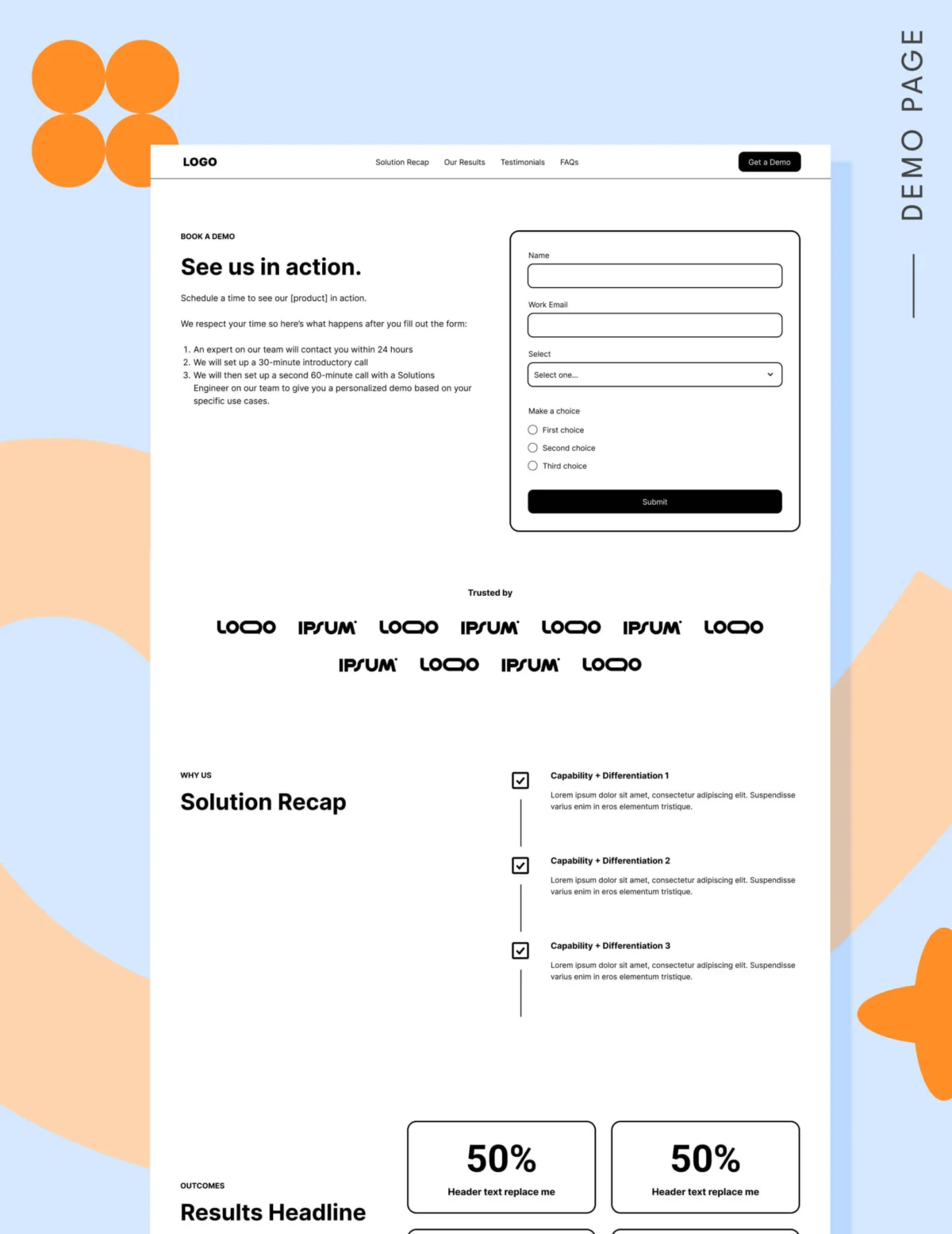
As CPCs rise, the ability to convert a visitor once they click becomes the highest-leverage variable in a marketer’s toolkit. Industry benchmarks for 2024 reveal a stark divide: while generic homepages often convert search traffic at a rate of 2% to 4%, dedicated, message-matched landing pages can achieve conversion rates exceeding 15%.
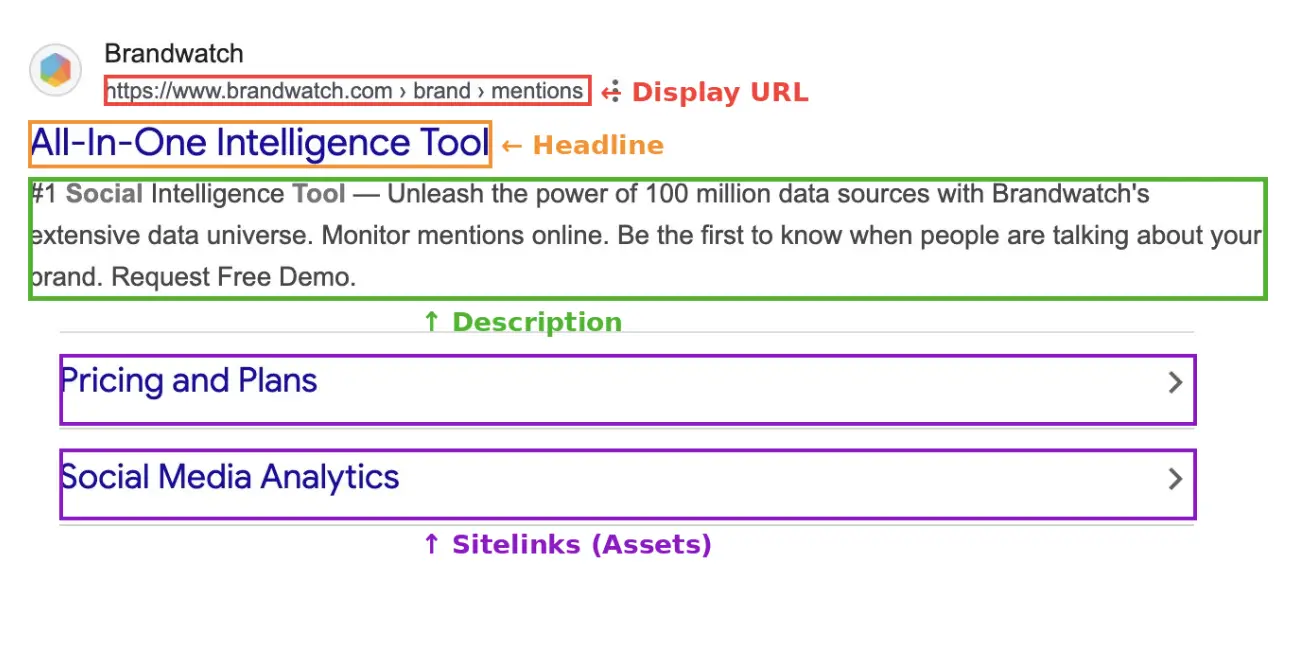
The concept of "Message Match" has become a critical KPI. If a user clicks an ad promising a "20% Discount on Enterprise CRM," but lands on a homepage with a generic "Welcome to Our Software" headline, the cognitive dissonance leads to immediate bounces. To combat this, leading marketing teams are now utilizing dynamic text replacement and personalized landing pages that automatically adjust their content to match the user’s specific search query.
Furthermore, technical performance has become a ranking factor in the auction itself. Research indicates that a one-second delay in mobile page load time can reduce conversions by up to 20%. Consequently, the role of the search marketer has expanded from merely managing bids to overseeing the entire technical and creative funnel.
Broader Impact and Future Implications
The $355.10 billion global forecast for search advertising in 2025 suggests that the industry is not yet at its ceiling. However, several looming shifts could alter the landscape:
- Search Generative Experience (SGE): As Google and Bing integrate generative AI directly into search results, the traditional "blue link" model may change. Advertisers will need to adapt to ads that appear within AI-generated conversations rather than simple lists.
- Zero-Click Searches: An increasing number of queries are being answered directly on the search results page. This forces advertisers to move toward "brand awareness" search ads rather than just direct-response clicks.
- Regulatory Scrutiny: Antitrust lawsuits against major search engines regarding their dominance in the ad-tech stack could lead to structural changes in how the auction operates or how data is shared.
In conclusion, paid search advertising in 2024 has evolved into a high-stakes, data-driven discipline that serves as the backbone of the digital economy. While the entry costs are rising, the precision of the channel remains unmatched. For businesses to succeed in this environment, they must move beyond the "bid and hope" strategy of the past, instead focusing on a holistic approach that integrates AI-driven targeting with a flawless, high-speed, and hyper-personalized post-click experience. The $102.9 billion spent in the U.S. is not just a measure of market size, but a testament to the enduring power of showing the right message to the right person at the exact moment of need.