The landscape of online information discovery has undergone a seismic shift, irrevocably altering the dynamics of search engine optimization (SEO) and content visibility. Google’s monumental announcements at its I/O 2026 developer conference have officially ushered out the era of the "ten blue links," paving the way for a future dominated by AI-driven interactive experiences, intelligent information agents, and dynamic, on-the-fly generated content interfaces. This transformation is not a distant possibility but a present reality, with AI Overviews now reaching over 2.5 billion monthly users and Google’s conversational AI Mode surpassing the 1 billion user mark. Concurrently, business-to-business (B2B) buyers are increasingly leveraging large language models (LLMs) such as ChatGPT and Microsoft Copilot as their primary tools for discovery, a trend underscored by a recent Forrester report indicating that a staggering 94% of business buyers now incorporate AI into their procurement processes. This represents a profound disruption, signaling a continued decline in traditional referral traffic from search engines for many publishers and brands, a challenge amplified by the rise of generative AI interfaces and information agents building upon the existing complexities of zero-click search.
The core principle, however, remains steadfast: brands that consistently provide the most accurate, trustworthy, and relevant answers to their customers’ needs will continue to capture attention and drive engagement. The distinction between traditional SEO and the emerging field of Generative Engine Optimization (GEO) is blurring, with the underlying principles of earning credibility with human audiences now directly translating to earning citation within AI-generated responses. As practitioners with over two decades of experience in SEO and a keen focus on the convergence of traditional search, AI, and content strategy, we have identified ten critical strategies for maintaining visibility and competitiveness in this evolving digital ecosystem.
Understanding the Foundational Shift: From Keywords to Intent
The traditional approach of keyword research and analysis, focused solely on search volume, is no longer sufficient. In 2026, effective topic research involves a more nuanced understanding of user queries. This necessitates clustering prompts, queries, and search terms into logical thematic groups, and critically, understanding the underlying search intent, the buyer’s journey stage, competitive gaps, and the broader spectrum of questions a target audience is actively asking.
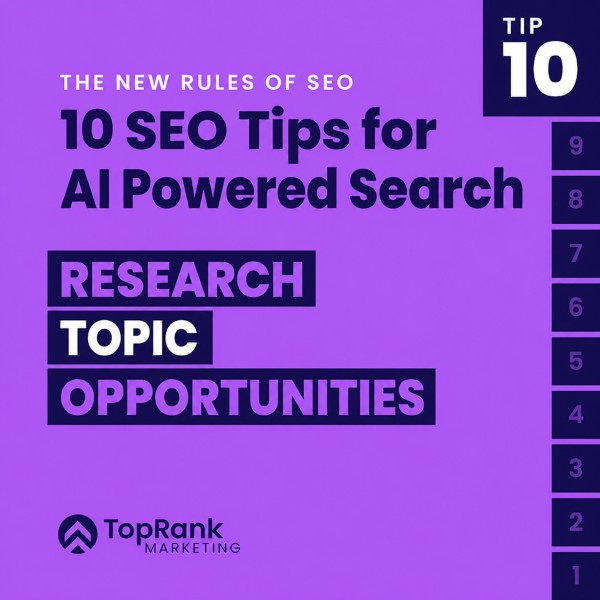
With the increasing reliance on AI agents for information retrieval, prioritizing topics with the potential to drive genuine traffic and engagement is paramount. Frameworks like "Best Answer Marketing" can be instrumental here, leveraging data from CRM systems, web analytics, and specialized SEO tools like Semrush and Ahrefs. By incorporating "People Also Ask" (PAA) data and employing query fan-out simulations, marketers can gain insights into how AI systems are expanding upon initial user inquiries, thus enabling more comprehensive content strategies.
Redefining Success: Measuring Influence Beyond Clicks
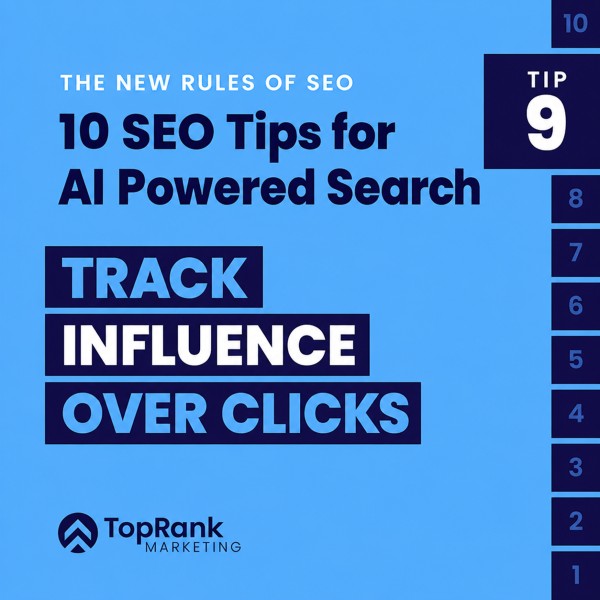
The proliferation of zero-click search results and LLM citations that often omit source links necessitates a re-evaluation of how success is measured. In 2026, defining a "win" must extend beyond traditional click-based metrics, forcing marketers to de-emphasize vanity metrics that have questionable impact on actual business outcomes. While search engines and AI tools may provide citations, the true measure of success lies in content’s ability to inform, influence, and ultimately, alter what buyers know, trust, and do next. This broader perspective offers a more holistic and impactful understanding of marketing effectiveness.
Unearthing the "Why": The Criticality of Search Intent
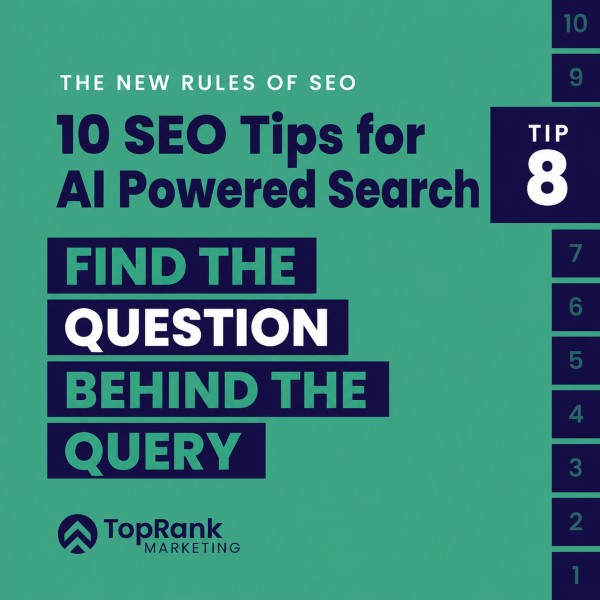
The long-standing emphasis on search intent as a cornerstone of SEO strategy remains more vital than ever, extending its influence beyond traditional search engines. Buyers are now articulating their needs through complex, conversational queries posed to AI tools, moving beyond simple keyword strings. Consequently, content strategies must adapt to this more sophisticated form of inquiry.
To become the definitive answer for buyers, it is imperative to understand the precise questions they are asking. Mapping content to these underlying questions is fundamental for achieving relevant visibility where audiences are actively seeking information. This requires looking beyond keyword data to engage directly with sales and customer support teams, mine CRM data, conduct customer interviews, and perform targeted audience research. The most enduring visibility, whether in search engines, LLMs, or earned media, stems from content that genuinely addresses buyer questions, rather than content optimized around assumptions about what questions buyers should be asking. As Lee Odden, CEO at TopRank Marketing, emphasizes, "To deliver best answer content, you have to understand the questions being asked. This means drilling down into the specific needs of each stakeholder on the committee from technical evaluators to financial decision-makers and end-users."
The Power of Refresh: Elevating Existing Content Assets
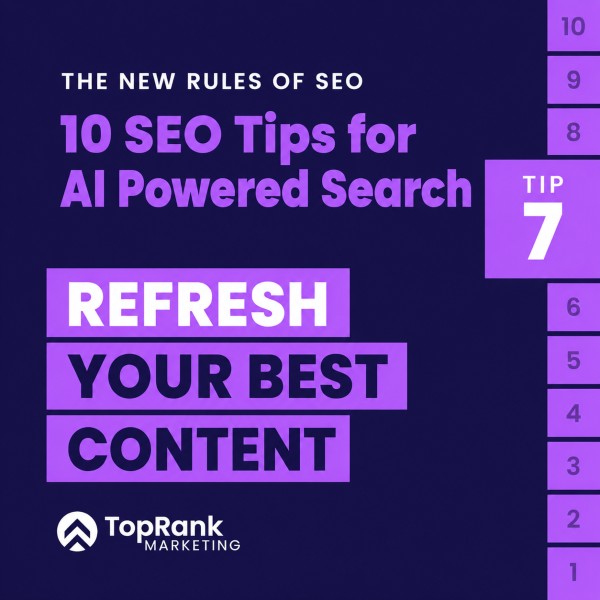
Stale content can become a significant liability in an AI-driven environment that prioritizes freshness, authority, and depth. Implementing a systematic process for auditing high-visibility pages and refreshing them when appropriate is crucial. This involves updating statistics, incorporating expert quotes, sharpening brand perspectives, and adding unique insights that differentiate content. For organizations with extensive content libraries, prioritizing refresh efforts based on potential impact, initiated by a thorough audit, can optimize resource allocation and accelerate tangible results. Published content with established equity often represents the most resource-efficient pathway to significant performance gains. Jane Bartel, Director of Search & Content Marketing at TopRank Marketing, notes, "Many businesses are sitting on a goldmine of published content. With a smart approach to refreshes and repurposing, the value of that content can be actualized with more visibility and better conversions from search."
Optimizing for the AI Engine: A New Paradigm
B2B buyers are increasingly turning to AI platforms like ChatGPT, Perplexity, and Gemini for their research needs. These tools, in turn, rely on the same fundamental signals that have always underpinned traditional SEO: authoritative sources, well-structured content, credible citations, and robust brand signals across multiple channels. Achieving visibility within these AI-powered search engines requires a strategic approach.
Practical steps for enhancing Answer Engine visibility in 2026 include:
- Prioritizing Comprehensiveness and Depth: AI systems favor content that offers thorough and in-depth coverage of a topic.
- Ensuring Clarity and Readability: Well-structured content with clear headings, concise paragraphs, and logical flow is essential for AI parsing.
- Leveraging Structured Data: Schema markup helps AI understand the context and relationships within your content.
- Building Strong Brand Signals: Consistent branding, positive mentions, and expert authorship across channels contribute to perceived authority.
- Focusing on User Experience (UX): A positive user experience, including fast loading times and mobile-friendliness, indirectly signals quality to AI.
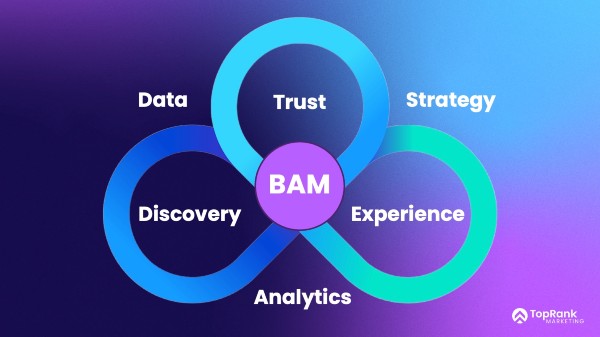
The "Best Answer Framework," a system designed to help B2B brands become the most credible, specific, and useful answer to buyer queries, serves as the unifying principle connecting traditional SEO, AI search visibility, and content strategy.
Earning Belief: Content that Builds Trust
In an era where AI tools can generate content at scale, the true differentiator lies in credibility, which is built through content that is uniquely produced by a brand and validated by industry consensus across various media and conversations. Original research, firsthand expert perspectives, customer testimonials, earned media coverage, and co-created content with respected industry voices are all elements that AI-generated sameness cannot replicate. This type of content garners citations from LLMs, builds trust with buyers, and secures coverage from industry publications. As Ryan Leighty, Associate Director of Search, states, "AI can generate content that ranks. It cannot create content that only your brand could have written. That gap is where trust gets built." The goal extends beyond merely answering questions to fostering consensus, providing LLMs with the evidence needed to select your content as the definitive answer, and empowering buyers with the confidence to make decisions.
The Unwavering Importance of Technical SEO
The advent of AI search has not diminished the critical importance of technical SEO fundamentals. A well-structured, fast, crawlable, and mobile-optimized website remains the bedrock upon which all other optimization efforts are built. AI systems are incapable of surfacing content they cannot reliably access and parse. Regular audits of page speed, crawlability, schema markup, and mobile performance are essential. Utilizing specialized SEO tools to assess contextual relevance at the page level is also vital. Technical SEO functions as the essential infrastructure; while it may not win the game on its own, a flawed foundation will inevitably lead to failure.
Prioritizing E-E-A-T: A Universal Signal of Quality
Google’s E-E-A-T (Experience, Expertise, Authoritativeness, Trustworthiness) framework, designed to identify high-quality content, aligns remarkably well with the signals that LLMs utilize when determining authoritative sources. E-E-A-T audits can illuminate key opportunities, such as highlighting human authorship and internal expertise, citing original data, and making credentials readily visible. Genuine expertise is consistently cited when buyers actively seek answers.
Adapting to the Evolving SERP Landscape
Google’s significant overhaul of its search interface, featuring Generative UI, AI Mode, and information agents, is actively reshaping user search behavior. Brands cannot afford to delay their adaptation. This necessitates a renewed focus on bottom-of-funnel content that addresses high purchase intent, investment in signals that identify brands as trusted sources for AI systems, and the separate tracking of AI search traffic due to increasingly fragmented attribution.
Compounding Authority Through Integrated Strategies
While being cited by credible sources remains fundamental, its effectiveness in 2026 is amplified when integrated into a broader authority strategy. For LLM visibility, the value of inbound links from other websites is surpassed by credible citations from authoritative sources, though links still play a role in driving direct traffic. Third-party citations, internal linking, and earned media coverage collectively signal credibility to both search engines and AI systems.
The creation of unique content that warrants citation (and linking) remains a powerful strategy, particularly content that AI systems or competitors cannot easily replicate. A particularly effective approach involves integrating topic-themed original research with thought leadership. This entails publishing research, collaborating with authoritative industry influencers for context and validation, securing media placements in trusted industry publications, and driving social conversations around the themed topics through influencer, social, and content marketing, all while maintaining a consistent internal linking structure. Authority compounds; investing in differentiated authority now provides a significant advantage over competitors relying on generalized AI-driven advice.
The Foundation of Success: Enduring SEO Principles
Despite the significant transformation in how information is accessed online, the fundamental logic of SEO – being findable, credible, and useful – remains unchanged. The brands that will thrive in the evolving digital landscape are those that treat search visibility, AI search presence, and content credibility as a unified strategy rather than disparate workstreams. By adopting a data-informed, integrated approach focused on creating multi-channel content experiences that build trust, encourage citation, and foster decision confidence, organizations can navigate the complexities of AI search with genuine impact, distinguishing themselves as "Best Answer Brands." The journey of adapting to these changes is ongoing, but the core principles of delivering value and building trust will continue to be the most reliable compass.