In an era defined by economic prudence and escalating performance expectations, demand generation teams are navigating a landscape where every marketing expenditure must demonstrably contribute to tangible business outcomes. This reality, underscored by recent discussions at industry events such as Hero Conf in April, highlights a critical shift away from vanity metrics towards a data-driven approach focused on quantifiable ROI and sophisticated attribution. The imperative is clear: in-house marketers must prove their value by ensuring that each allocated pound generates maximum impact, or risk losing ground to competitors.
The foundational principle for success in this environment is an unwavering reliance on data. As the adage suggests, "Data is everything." Without continuous analysis of campaign performance, identifying what resonates and what falters, organizations risk ceding valuable market share to rivals. Data serves as an indispensable compass, guiding strategic decisions in the often-turbulent waters of demand generation. Tools like Tableau, which offer comprehensive dashboards for tracking campaign Return on Investment (ROI) and attribution models, are instrumental in this process. Whether employing a last-touch or multi-touch attribution framework, a multifaceted view of campaign effectiveness is crucial for ongoing optimization.
The Evolving Metrics of Demand Generation: Beyond MQLs
Traditionally, Marketing Qualified Leads (MQLs) have been a cornerstone metric for demand generation teams, particularly those focused on the top of the funnel. These MQLs serve as a key indicator of marketing’s contribution to the sales pipeline and are closely monitored by both marketing departments and broader business leadership. However, the effectiveness of MQLs as a standalone metric is increasingly being challenged in complex B2B sales cycles.
In many B2B sectors, the decision-making process is not the purview of a single individual. Instead, it typically involves a Buying Committee, a group comprising nine to twelve stakeholders, each with their own priorities and perspectives. This collective decision-making unit necessitates a more nuanced approach to demand generation, moving beyond the singular focus on generating individual leads.
"Selling to one buyer is outdated," a sentiment echoed by many practitioners. The emphasis is shifting from the volume of clicks on advertisements to the impact on account progression and pipeline development. The penetration of a buying group, rather than the conversion of an individual, is becoming the paramount objective. This understanding is fundamentally reshaping how demand generation strategies are conceived and executed.
The Criticality of the Ideal Customer Profile (ICP)
To effectively target and engage these complex buying groups, a well-defined Ideal Customer Profile (ICP) is non-negotiable. For organizations lacking a clear ICP, the immediate priority must be its development from the ground up. This profile should not only outline the characteristics of an ideal client company but also encompass the various roles and influences within their decision-making units.
With the understanding that buying groups can comprise 15-20 stakeholders, demand generation strategies must transcend the simple generation of leads. Instead, the focus needs to shift towards:

- Account-Based Marketing (ABM) Integration: Aligning marketing and sales efforts to target specific high-value accounts with personalized campaigns.
- Persona-Centric Content Development: Creating content that addresses the unique pain points, interests, and responsibilities of each persona within the buying committee.
- Multi-Channel Engagement: Utilizing a diverse mix of channels to reach and influence all relevant stakeholders at different stages of their buyer journey.
- Signal-Driven Outreach: Leveraging intent data and behavioral signals to identify accounts and individuals showing a propensity to engage or purchase, and tailoring outreach accordingly.
Attribution: The Universal Language of Business Leadership
In an environment where budgets are scrutinized and ROI is paramount, attribution modeling has emerged as the "language of leadership." The ability to demonstrably link marketing activities to pipeline generation and revenue is no longer a desirable feature but a fundamental requirement for budget defense. If marketing efforts cannot be quantified in terms of their contribution to the sales pipeline, then the justification for marketing spend becomes increasingly tenuous.
This necessitates a willingness to pivot and reallocate resources. Underperforming campaigns or channels should be identified and their budgets reassigned to those demonstrating superior results. This proactive optimization not only maximizes the efficiency of marketing investments but also builds credibility and confidence among leadership.
From Single Persona Focus to Buying Group Impact: A Case Study
A practical illustration of this strategic shift can be observed in the evolution of demand generation efforts at various organizations. Initially, many teams might have concentrated on a single, often technical, persona at the top of the funnel. This approach could yield strong content engagement, impressive click-through rates (CTRs), and a decent flow of MQLs.
However, a deeper analysis of pipeline progression often reveals a different story. Deals may stall, not due to a lack of interest, but due to an absence of consensus within the buying committee. The crucial stakeholders – the budget owners, the key influencers, and the ultimate decision-makers – may not have been adequately engaged or educated.
To overcome this, a multi-faceted strategy is required. This often begins with content syndication efforts designed to capture the attention of a broader range of personas within the decision-making unit. These personas might include IT Leaders, Customer Experience (CX) Leaders, Digital Transformation Leaders, Chief Information Security Officers (CISOs) or Chief Information Officers (CIOs), and Fraud Prevention Leaders, among others.
Once early interest signals are detected, a more sophisticated, account-level nurture program can be activated. This might involve:
- Display Advertising: Strategically deployed not merely for branding, but as a targeted tool to reinforce key messages and maintain engagement with specific accounts.
- Social Media Campaigns: Focused LinkedIn campaigns can amplify themes introduced in content syndication and engage relevant professional groups.
- Search Engine Marketing (SEM): Google Ads can be aligned to support the research phase of the buyer journey, ensuring visibility when prospects are actively seeking solutions.
- AI-Powered Personalization: Leveraging AI for personalized email communications at scale allows for tailored messaging that reinforces value propositions, case studies, and use cases relevant to each individual persona within the buying group.
The outcome of this integrated approach is not the generation of isolated MQLs, but the creation of "buying committee momentum." When sales teams engage, the accounts are no longer cold. Instead, they are educated, aligned, and primed for productive solution-focused conversations and demonstrations. This represents a company-wide motion, emphasizing coordinated, persona-led, and signal-driven account progression all the way to pipeline realization.

The "Secret Sauce": Discipline, Adaptability, and Sales Alignment
The notion of a singular "secret sauce" for demand generation success is a misnomer. Rather, the consistent theme emerging from industry leaders is the imperative of a disciplined approach to data analysis and a commitment to continuous adaptation.
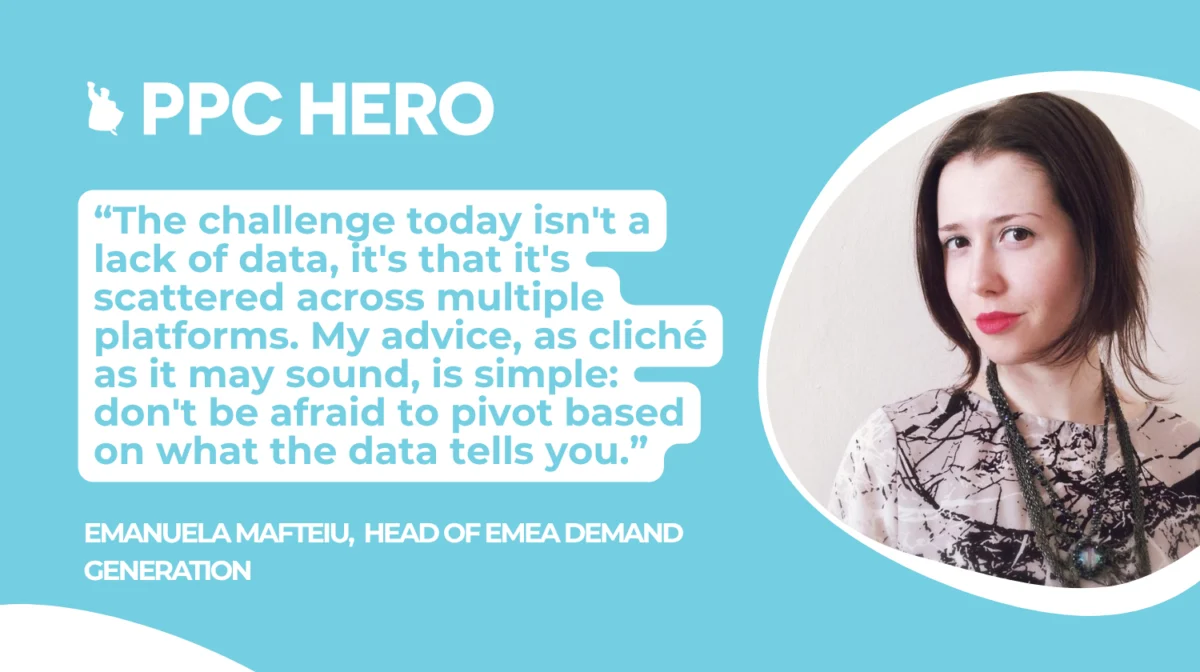
The contemporary challenge is not a scarcity of data, but its fragmentation across numerous platforms. The key, as straightforward as it may sound, is to embrace the insights derived from this data and to be unafraid to pivot strategies accordingly. This is not indicative of chaos, but rather of controlled adaptability – a crucial trait in today’s dynamic market.
Maximizing impact while minimizing wasted expenditure is paramount, especially when considering that not every campaign will achieve its desired outcome, not every advertisement will connect with the intended audience at the opportune moment, and the conversion cycle for an account can extend up to a year. Dynamic budgeting, which allows for the reallocation of spend based on real-time campaign performance, is therefore essential.
Underperforming initiatives should be systematically phased out, while successful strategies should be continuously refined through A/B testing. With a significant portion of the market – often around 95% – not actively in a buying cycle at any given time, there exists ample opportunity for experimentation. Bold creative, authentic messaging, and a deep understanding of the customer’s language are fundamental to achieving stronger results.
Finally, maintaining a close and collaborative relationship with the sales team is indispensable. Sales professionals often possess invaluable on-the-ground insights that can provide the missing pieces of the puzzle, enabling marketing campaigns to become even more effective and aligned with revenue-generating objectives. This symbiotic relationship ensures that marketing efforts are not only generating interest but are directly contributing to the bottom line.
The strategic imperative for demand generation teams in the current economic climate is clear: embrace data, understand the complexities of B2B buying committees, prioritize account-level engagement, and foster a culture of adaptability and collaboration. By doing so, organizations can ensure that every pound invested in demand generation works harder, drives sustainable growth, and delivers measurable business value.