A comprehensive sales strategy is the bedrock upon which sustainable business growth is built. It encompasses every facet of the sales cycle, from meticulously defining target audiences and the most effective methods to reach them, to the essential tools and streamlined processes that empower a sales team. Far from being static documents, modern sales strategies are dynamic entities, continuously refined and updated with real-time market intelligence and team performance data to maximize future efficacy. This iterative approach ensures that sales efforts remain aligned with evolving business objectives and market conditions.
The intrinsic value of a well-articulated sales strategy lies in its ability to optimize resource allocation and amplify market penetration. By providing a clear roadmap, it enables sales representatives to dedicate their time and energy to high-impact activities, thereby boosting productivity. Simultaneously, it equips the marketing department with the insights needed to position the company and its offerings with unparalleled precision and effectiveness. The ramifications of a deliberate and strategic approach to sales extend across the organization, fostering a more cohesive and results-driven operational framework.
The Tangible Benefits of a Strategic Sales Framework
The implementation of a robust sales strategy yields a multitude of advantages, directly contributing to enhanced operational efficiency and accelerated revenue growth. At its core, a strategy guides efforts toward the most productive avenues, ensuring that every action taken serves a clear purpose.
Maximizing Productivity Through High-Impact Activities
Many small and growing businesses grapple with the challenge of consistently generating qualified leads and identifying sustainable acquisition channels. This often leads to a diffusion of effort across various initiatives with unpredictable returns. A well-defined sales strategy, however, pivots on a deep understanding of the ideal buyer persona. Once this profile is established, the strategy can dictate precise methods for targeting these individuals and articulate the compelling value propositions that resonate most strongly with their needs and pain points. By focusing on these clearly defined parameters, sales teams can transcend the guesswork and concentrate their efforts on activities that demonstrably move the sales needle, leading to more efficient lead conversion and a more predictable revenue stream.

Driving Revenue Growth and Pipeline Expansion
The expansion of revenue and the strengthening of the sales pipeline can be achieved through a variety of strategic levers. These may include optimizing pricing structures or, more commonly, focusing on acquisition channels that exhibit higher conversion rates. Empirical evidence underscores the profound impact of aligning sales and marketing efforts. Research indicates that when these two departments collaborate strategically, companies experience a significant uplift in sales win rates, with some studies reporting an increase of up to 38%. This synergy ensures that marketing generates leads that are not only numerous but also highly qualified, and that sales is equipped with the context and messaging to effectively engage them.
Cultivating Repeatable and Scalable Systems
A foundational element of a successful sales strategy is its capacity to systematize processes, thereby fostering more predictable and scalable growth. Instead of relying on ad-hoc approaches for each lead, a strategy enables the consistent application of proven sales tactics. This ensures that every prospect receives a tailored yet standardized experience based on what has historically yielded the best results. For instance, if data reveals that leads who engage in a demo call exhibit a 50% higher conversion rate than those who do not, this becomes a clear, repeatable action to be integrated into all sales interactions. Such systematic implementation minimizes variability and maximizes the probability of success across the entire sales funnel.
Navigating the Landscape: Inbound, Outbound, and Account-Based Marketing
While various sales methodologies exist, the optimal approach often involves a strategic blend, tailored to the specific business model and customer base. Inbound sales, outbound sales, and account-based marketing (ABM) represent distinct yet often complementary strategies.
Inbound Sales: Attracting Through Value
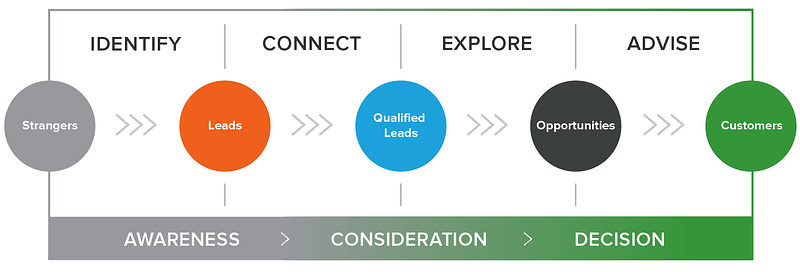
Inbound sales strategies are predicated on attracting leads by providing valuable content that addresses their challenges and interests. This methodology inherently integrates sales and marketing functions more closely than traditional outbound approaches. A prime example of inbound sales in action involves the marketing team distributing valuable content, such as whitepapers or insightful blog posts, to a targeted audience. When this content captures a lead’s attention and sparks their interest, sales representatives can then follow up to schedule product demonstrations or delve deeper into the lead’s specific pain points and requirements.
The inbound sales process positions sales representatives as trusted advisors, engaging with leads to ensure that the product or service offered is a genuine and effective solution to their problems. This consultative approach builds rapport and credibility, fostering a more organic and trust-based sales relationship. The visual representation of this methodology typically outlines a series of steps, beginning with attraction, moving through engagement, and culminating in delighting the customer.
Outbound Sales: Proactive Lead Generation
In contrast, outbound sales strategies involve the proactive sourcing and contacting of potential leads, rather than waiting for them to initiate contact. Many highly successful businesses have been built upon the foundations of cold email campaigns and direct outreach. For an outbound strategy to be effective, it necessitates a highly compelling offer and a seamless, efficient sales process. Crucially, businesses employing outbound tactics must adhere strictly to data privacy regulations, such as GDPR, ensuring that lead sourcing is compliant and ethical. DemandScience, for instance, offers solutions designed to assist companies in navigating these complexities and building compliant lead lists.
Account-Based Marketing (ABM): Precision Targeting
Account-Based Marketing (ABM) represents a highly targeted approach that focuses on identifying and engaging with specific accounts that exhibit a strong propensity to purchase. This strategy involves creating unique, highly personalized content and campaigns designed to nurture these high-value leads and facilitate easier closure. ABM campaigns typically involve engaging multiple decision-makers within a target company, aiming to provide comprehensive and relevant information that builds buy-in across all key stakeholders.
The success of ABM hinges on close collaboration between sales and marketing teams. A practical application of ABM might involve running targeted paid advertisements on platforms like LinkedIn, directed at key accounts, concurrently with personalized cold email outreach from the sales team. This approach inverts the traditional sales and marketing funnel by commencing with the precise definition of target accounts and subsequently building campaigns around their specific conversion journey. For organizations with the requisite resources, investing in an ABM strategy is often a highly recommended path to deep market penetration within specific sectors.
The Blueprint for a Winning Sales Strategy
Constructing an effective sales strategy requires a systematic and data-driven approach. The following steps provide a framework for developing a plan that is both robust and adaptable.
Step 1: Define Your Ecosystem: Industry, Product/Service, and Buyer Persona
The foundational step in crafting any sales strategy is a profound understanding of the target market and how the business is uniquely positioned to serve it. This involves a deep dive into the industry landscape, the specific product or service being offered, and, most critically, the ideal buyer persona. This persona should encompass demographic information, psychographic profiles, pain points, motivations, and purchasing behaviors. Furthermore, the Average Contract Value (ACV) of your offerings significantly influences tactical decisions. A business with a low ACV might employ different strategies than one with a high ACV, and the nuances of industry-specific sales cycles, whether they rely on trade shows, online networking, or a combination thereof, must be considered.

Step 2: Setting Strategic Sales Goals
Sales goals should be inextricably linked to broader company objectives. This alignment ensures that sales efforts contribute directly to the overarching vision of the organization. Once overarching sales objectives are established, they should be meticulously broken down into Key Performance Indicators (KPIs) and individual goals for sales representatives. For example, a goal might be to send 100 cold emails to qualified leads per week. The critical principle here is that sales goals must accurately reflect the expected activities of the team and the desired outcomes.
Step 3: Identifying Key Acquisition Channels
The selection of effective acquisition channels is intrinsically tied to the defined buyer personas. Understanding who your ideal customer is and the most effective ways to reach them is paramount. Depending on the target audience, a diverse range of demand generation strategies can be employed. These might include content marketing, social media engagement, search engine optimization (SEO), paid advertising, email marketing, strategic partnerships, and direct outreach. The cost-effectiveness of each channel must be weighed against the ACV. For low-cost, high-volume products, time-intensive channels like cold calling may be less viable than broader digital outreach. Conversely, for high-value, infrequently purchased items, cold emails can serve as an effective initial touchpoint to educate prospects before engaging in more direct, high-touch interactions.
Step 4: Measuring and Analyzing Sales Performance
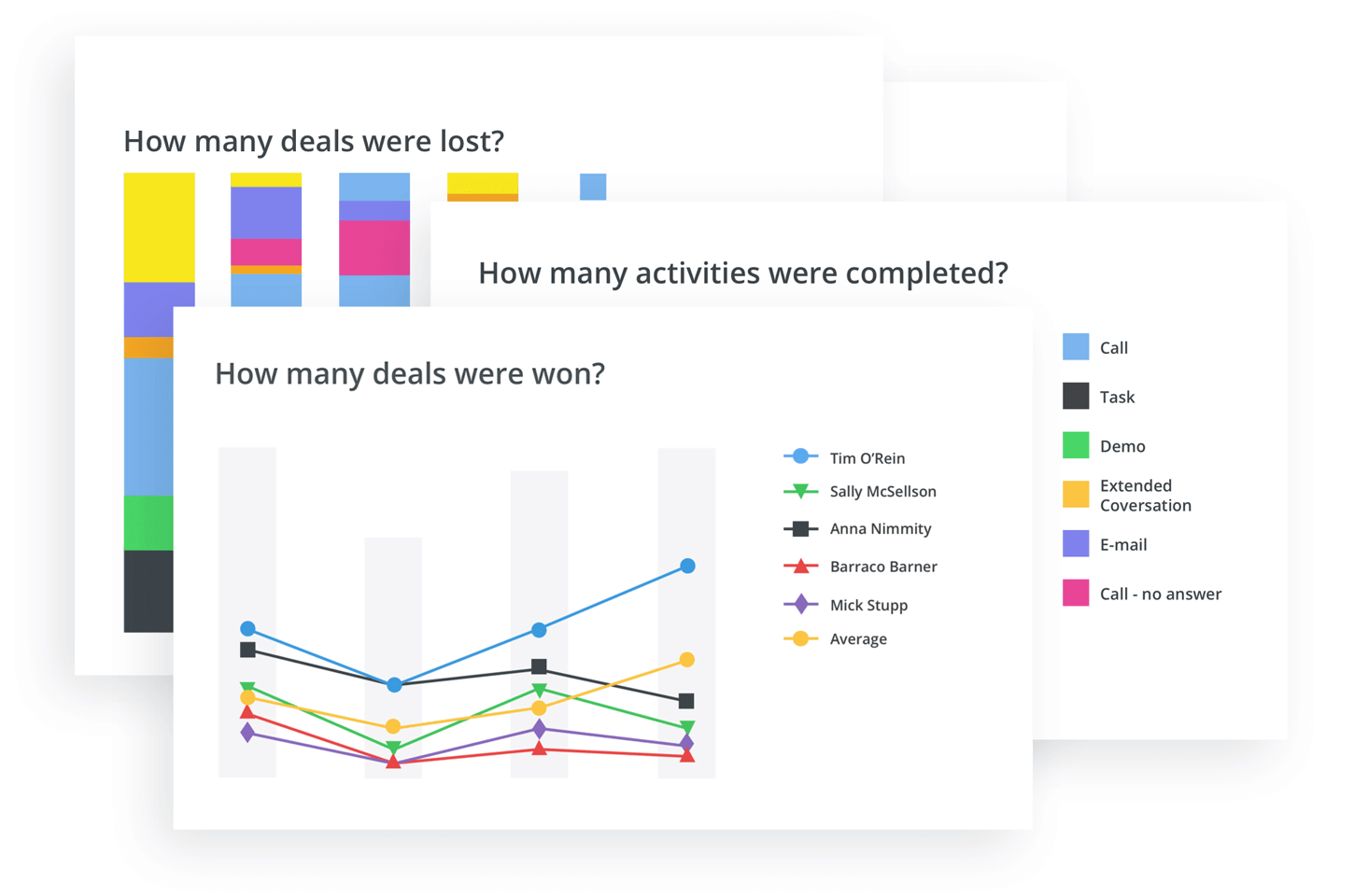
Continuous measurement and analysis are indispensable for validating the effectiveness of a sales strategy. Without rigorous tracking of key metrics, it is impossible to ascertain what is working and where resources are being misallocated. A variety of tools can facilitate this crucial aspect of sales management. While spreadsheets like Microsoft Excel or Google Sheets can be adapted for goal tracking, dedicated Customer Relationship Management (CRM) systems offer more sophisticated capabilities. CRMs such as Pipedrive provide built-in analytics that deliver detailed reports on metrics like cold email performance, open rates, response rates, and revenue forecasts. Over half of sales teams report significant improvements in productivity when utilizing a CRM, underscoring its value in tracking work, managing pipelines, and forecasting sales. A well-defined goal-tracking system ensures sales teams are utilizing their time efficiently and that the chosen strategies are yielding the desired results.
Step 5: Automating Processes for Scalability
Once a sales strategy demonstrates efficacy, automating repetitive processes becomes a critical step toward scalability and efficiency. As successful sales efforts gain momentum, the administrative burden can quickly escalate. Automating tasks such as lead list generation, initial outreach, and lead scoring frees up sales representatives to focus on engaging with qualified prospects. Tools like DemandScience can assist in creating highly specific lead lists based on detailed buyer persona criteria, while platforms like Lead Forensics can identify website visitors, enabling proactive engagement. Lead scoring, a process that assigns a numerical value to leads based on their interactions with a brand, can also be automated. CRMs such as HubSpot, Salesforce, and Agile CRM often include lead scoring functionalities, allowing sales teams to prioritize their efforts and engage with leads at the optimal moment.
Continuous Optimization and the Value of Existing Customers
The dynamic nature of the market necessitates ongoing optimization of the sales strategy. Regularly reviewing campaign performance to identify underperforming areas is essential. For example, if cold email open rates are consistently low, the strategy should pivot to investigate potential causes, such as the quality of the prospect list or the effectiveness of the subject line and email content. Adjusting one variable at a time and meticulously monitoring the impact allows for data-driven refinements.
Furthermore, it is imperative not to overlook the immense value of existing customers. Statistics indicate that businesses are significantly more likely to sell to existing customers than to acquire new ones, with some estimates suggesting a 60-70% higher probability. Maintaining high levels of customer satisfaction is therefore crucial. The cost of customer churn is substantial, with companies in the United States reportedly losing billions of dollars annually due to avoidable customer switching. Nurturing existing relationships through exceptional service and ongoing engagement can foster loyalty, generate repeat business, and create valuable brand advocates, forming a vital component of a holistic and sustainable sales strategy.