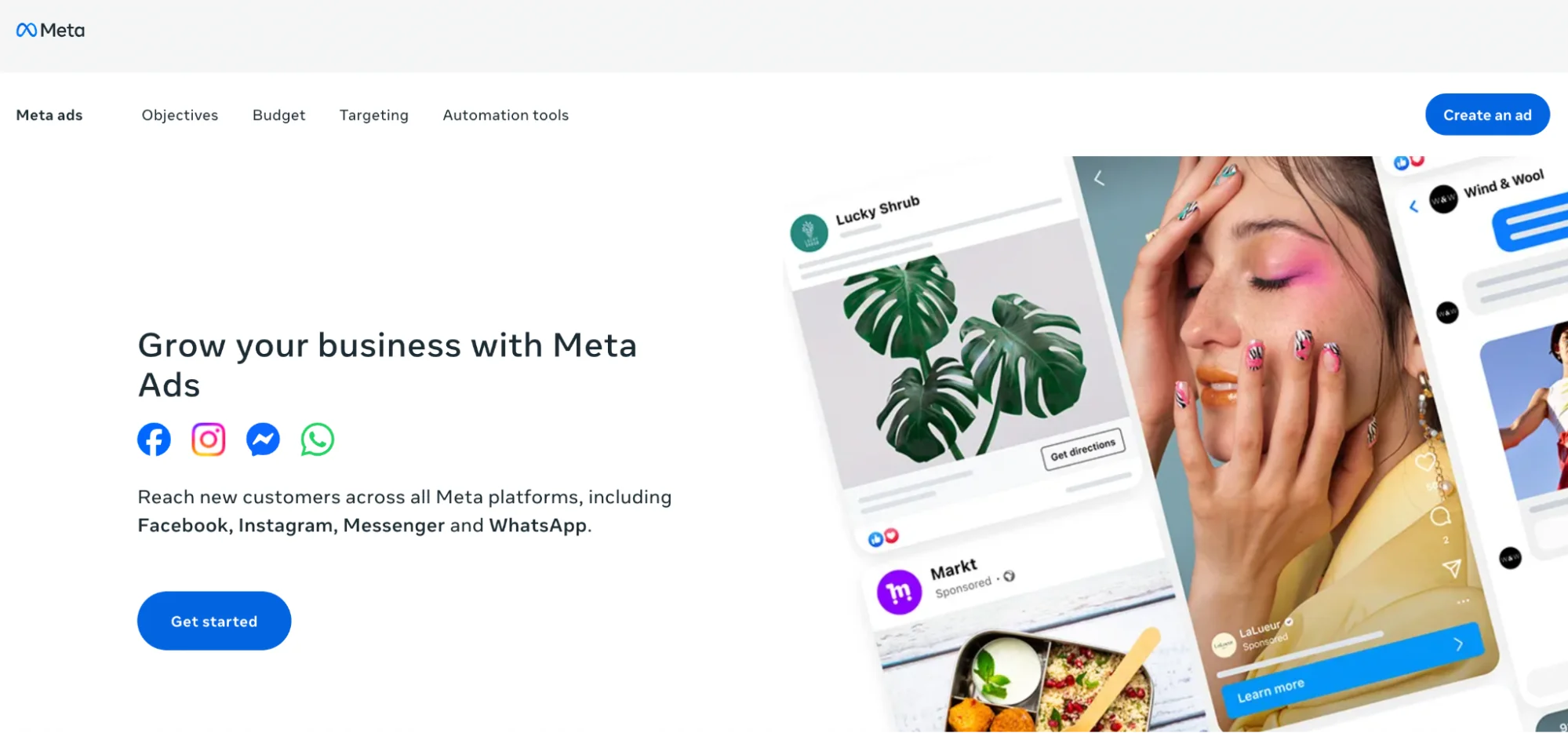
The digital advertising landscape of 2026 is defined by a widening chasm between platform popularity and actual profitability, a phenomenon driven by rising acquisition costs and a critical neglect of the post-click user experience. While the vast majority of marketing organizations continue to funnel budgets into established giants like Google and Meta, a recent Instapage survey of 1,440 marketers reveals a startling disconnect: although 87% of respondents utilize these platforms, fewer than half report Google as their top-performing channel, and only 25% cite Facebook as their primary driver of return on investment (ROI). This discrepancy suggests that the challenge for modern brands is no longer simply reaching an audience, but rather converting that audience once the initial engagement has occurred.

As the industry moves deeper into 2026, the cost of entry continues to climb. Industry benchmarks indicate that the average cost per lead (CPL) has transitioned from $66.69 in 2024 to an estimated $70.11 in 2025, with further upward pressure expected. This 5% year-over-year increase means that every "bounce"—a visitor who leaves a site immediately after clicking an ad—is more expensive than ever before. Technical inefficiencies exacerbate this financial drain; research consistently shows that a one-second delay in mobile page load times can reduce conversion rates by up to 20%. For a brand paying premium rates for high-intent traffic, a four-second load time represents a significant destruction of capital.
The Dual Hegemony: Google and Meta Ads in a Mature Market
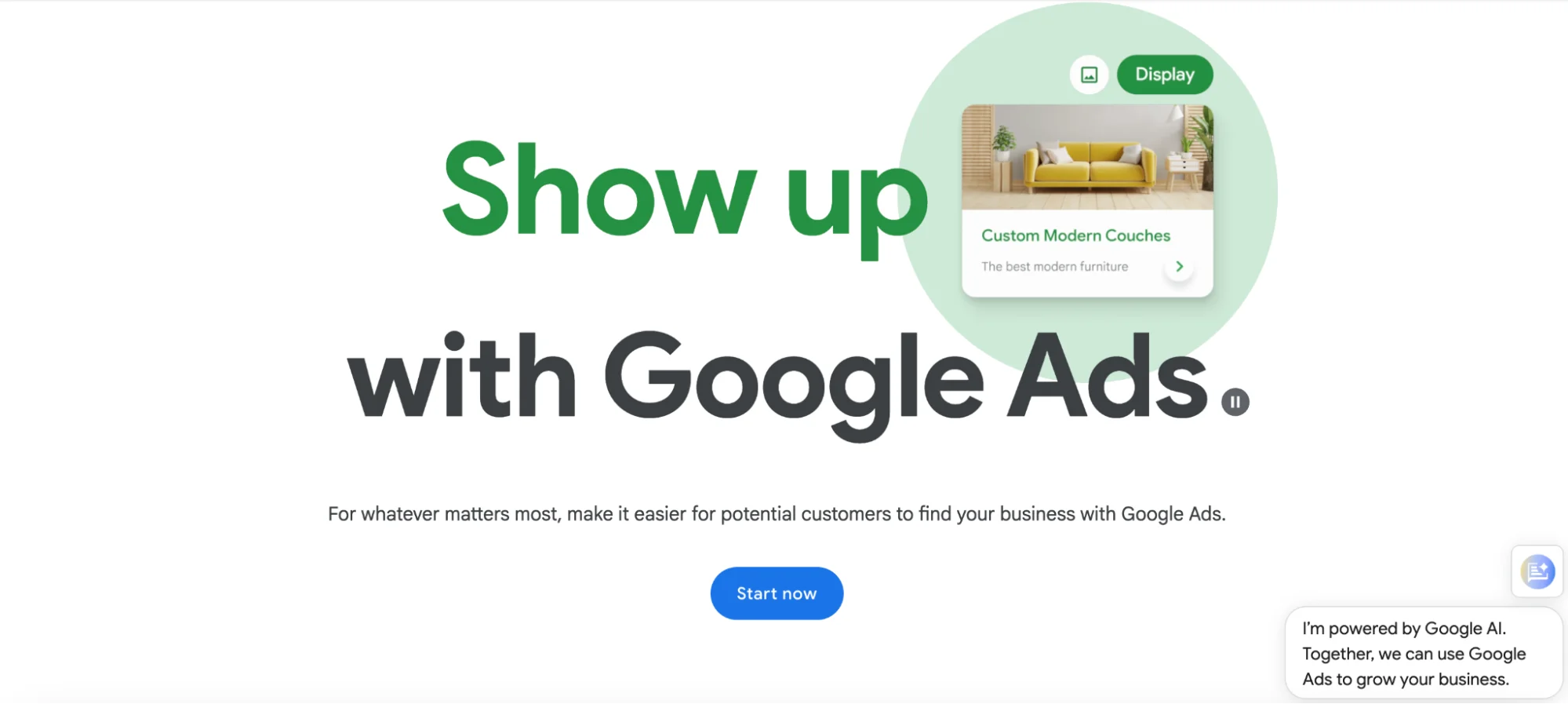
Google Ads remains the cornerstone of digital marketing due to its unparalleled ability to capture high-intent users at the exact moment of search. With access to over 90% of global search traffic, the platform has evolved to offer a sophisticated suite of tools, including Search, Display, Shopping, and YouTube Ads. However, the maturation of the platform has led to increased competition and higher cost-per-click (CPC) rates. Marketing analysts note that Google’s "Quality Score" algorithm has become the ultimate arbiter of ad spend efficiency. By rewarding relevance between the ad copy and the landing page, Google effectively penalizes advertisers who fail to provide a seamless post-click experience.
Meta Ads, encompassing Facebook and Instagram, continues to dominate the social advertising sphere. Its strength lies in granular audience targeting based on demographics, interests, and behavioral patterns. Despite its reach, the platform has faced significant headwinds following iOS privacy changes that limited pixel tracking capabilities. In response, Meta has leaned heavily into "Advantage+" automation and broader targeting models. The Instapage survey highlighted a curious trend: while 80% of marketers use Instagram, only 9% identify it as their top-performing platform. This suggests that while Instagram is essential for brand visibility and "top-of-funnel" awareness, it often struggles to close the loop on direct conversions without highly optimized, mobile-first landing pages.
The Rapid Ascent of TikTok and Emerging Alternatives
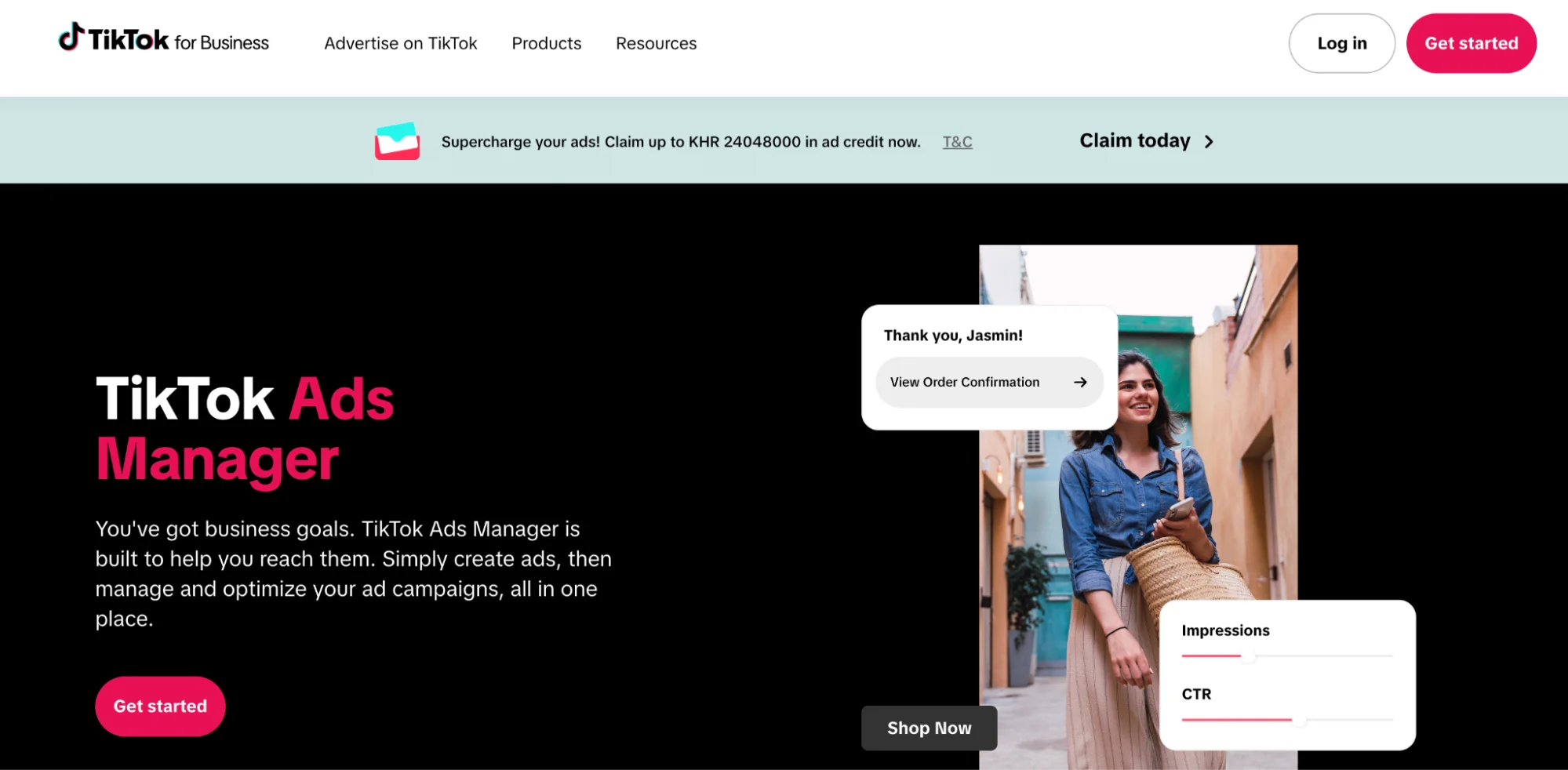
TikTok has transitioned from an experimental channel to a core pillar of the modern advertising mix. Data indicates that 25% of marketers plan to adopt TikTok Ads in the immediate future, driven by the platform’s unique algorithm which prioritizes engagement over follower counts. Unlike the polished, high-production value ads seen on traditional television or even Instagram, TikTok rewards native-looking, "lo-fi" content. Brands that attempt to repurpose traditional commercials for TikTok often see a significant drop in ROAS (Return on Ad Spend). The platform’s growth represents a shift toward "entertainment-led commerce," where the line between content and advertisement is increasingly blurred.
Beyond the "Big Three," several other platforms offer strategic advantages:
- Microsoft Advertising (Bing): Often overlooked, Microsoft Advertising reaches a demographic that typically has higher disposable income and uses desktop interfaces for professional tasks. With CPCs often 30% to 50% lower than Google Ads, it serves as a high-efficiency alternative for B2B and finance sectors.
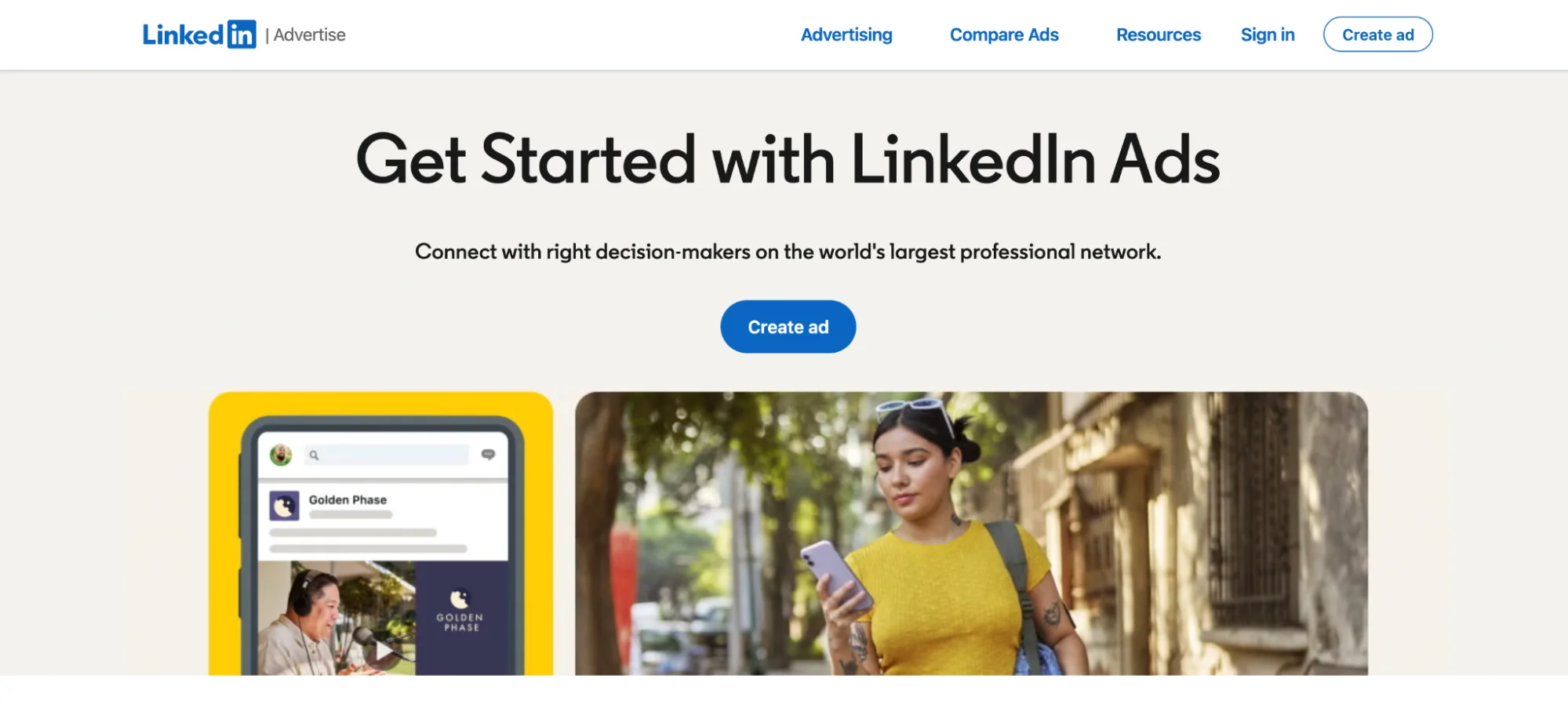
- LinkedIn Ads: For B2B organizations, LinkedIn remains the gold standard. Its ability to target by job title, company size, and industry seniority allows for account-based marketing (ABM) strategies that other platforms cannot replicate. While the CPC is notably higher, the lead quality often justifies the investment.
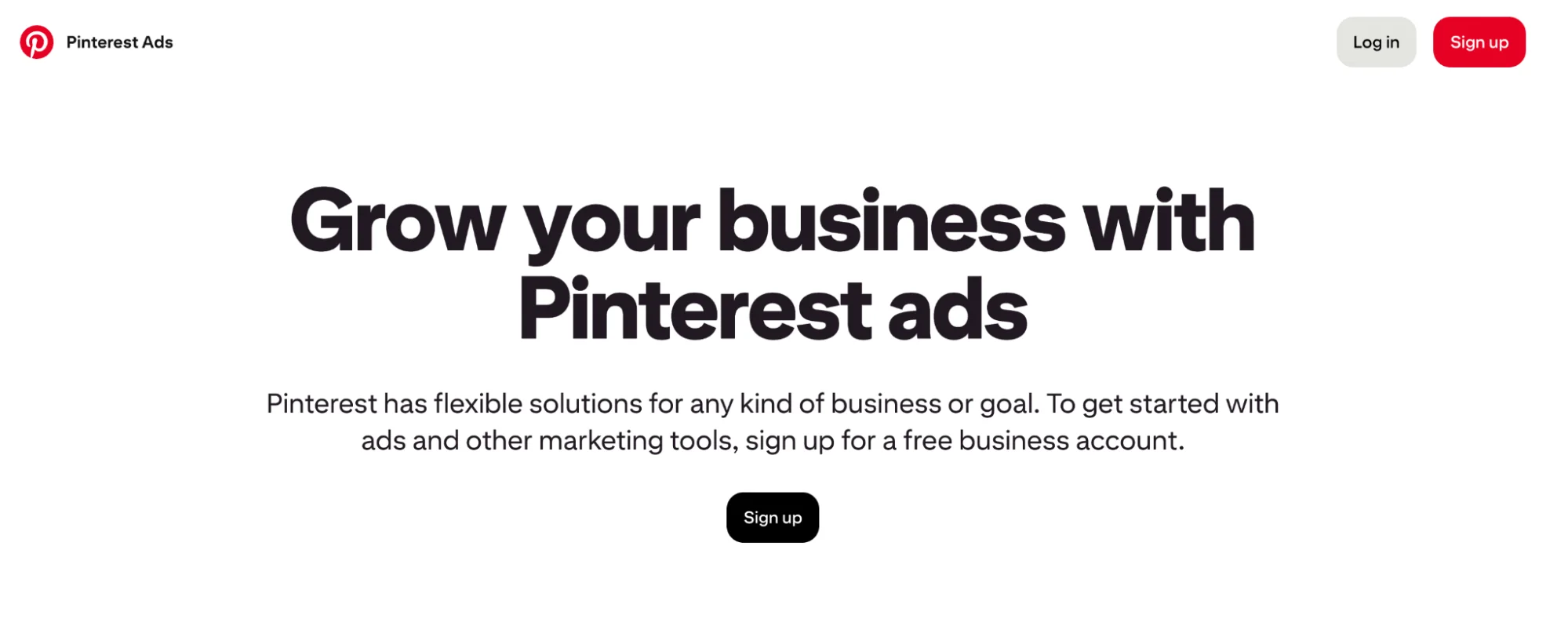
- Pinterest Ads: Functioning more as a visual search engine than a social network, Pinterest captures users in the "planning phase." This makes it exceptionally potent for home decor, fashion, and travel brands, where the consumer’s intent is to discover and save ideas for future purchases.
The Great Privacy Shift and the First-Party Data Mandate
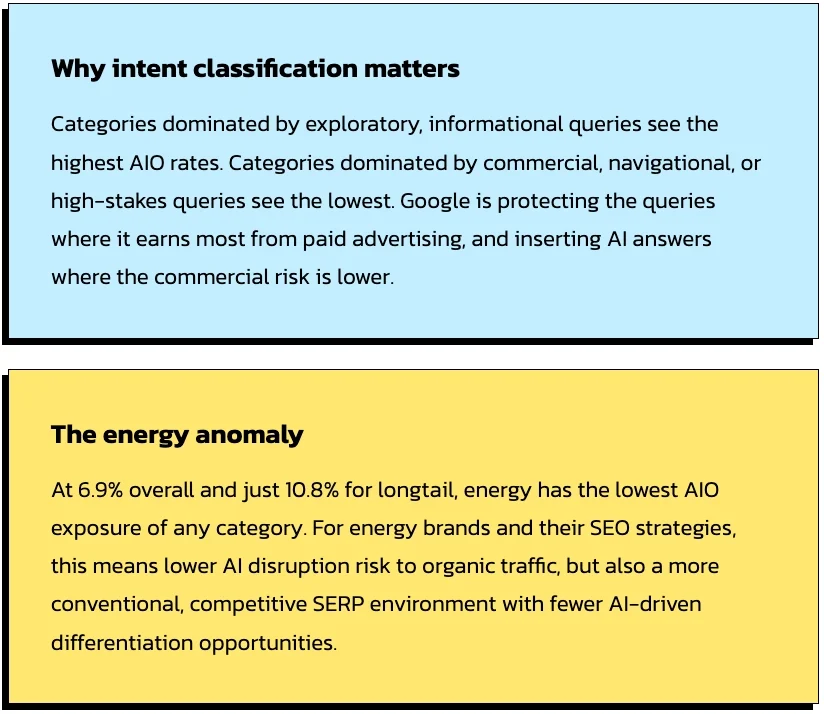
The advertising environment of 2026 is operating in a post-third-party-cookie world. With Google Chrome finally phasing out legacy tracking and global regulations like GDPR (Europe), CCPA (California), PIPEDA (Canada), and LGPD (Brazil) reaching full enforcement, the methodology of tracking has fundamentally changed.
Compliance is no longer optional. Marketing teams are now required to implement robust Consent Management Platforms (CMPs) to document user choices for audit purposes. Failure to do so risks not only heavy regulatory penalties but also the loss of data integrity. To counter the loss of third-party signals, successful advertisers are shifting toward first-party data strategies. This involves building direct relationships with consumers through newsletters, gated content, and loyalty programs. By utilizing Server-Side Tracking and Conversion APIs (CAPIs), brands can maintain accurate measurement even in a privacy-first browser environment.
The Post-Click ROAS Gap: Why Clicks Fail to Convert
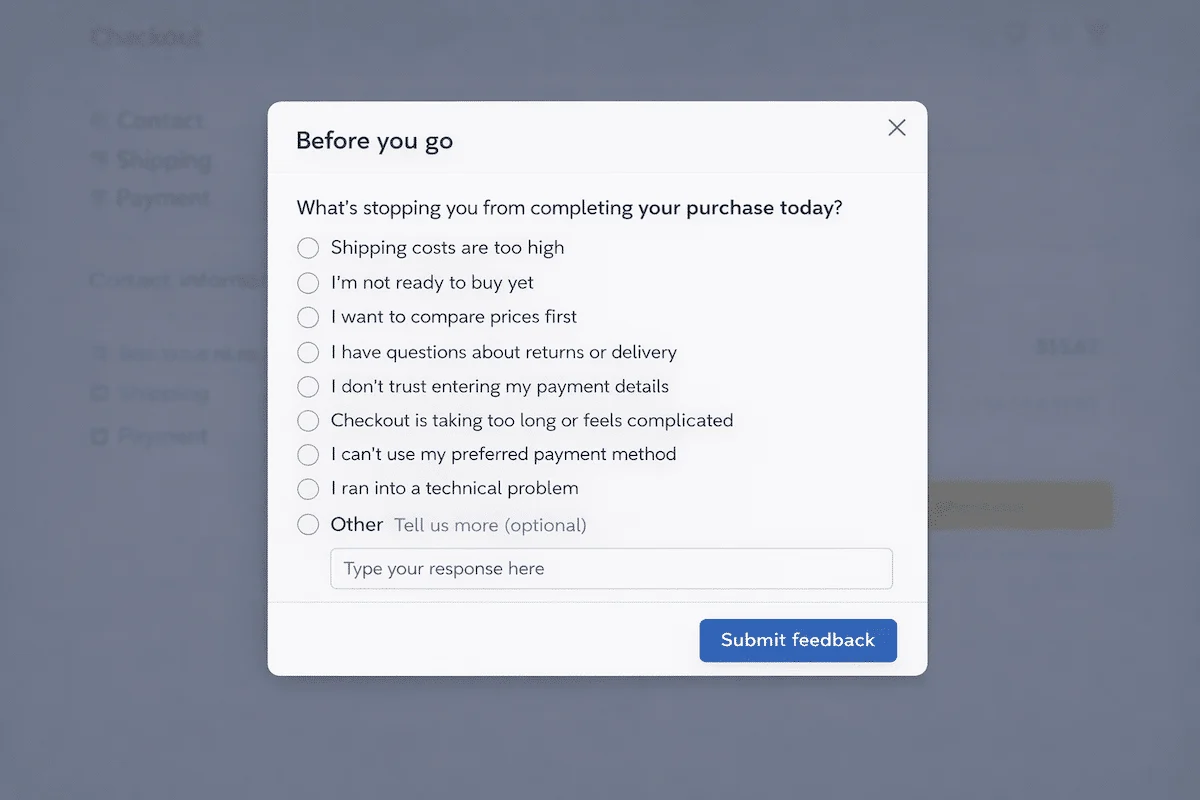
The most significant leak in modern advertising budgets occurs in the "post-click" phase. A click represents interest, but a landing page represents the fulfillment of a promise. There are three primary reasons why high-performing ads fail at the finish line:
- Message Mismatch: This occurs when the creative hook of an ad does not align with the headline of the landing page. If a user clicks an ad for a "50% Discount on Running Shoes" but lands on a homepage featuring "General Summer Apparel," the resulting cognitive dissonance leads to an immediate exit.
- The "Homepage" Trap: Many advertisers still direct paid traffic to their corporate homepage. Homepages are designed for exploration, featuring navigation menus, "About Us" sections, and multiple competing calls-to-action (CTAs). For a paid visitor with a specific intent, a homepage provides too many opportunities to get lost.
- Latency and Technical Debt: In an era of instant gratification, page speed is a conversion factor. Every additional second of load time increases the probability of a bounce. Advertisers are essentially paying for traffic that never actually sees the offer.
To mitigate these issues, industry leaders are adopting "Ad-to-Page Mapping," a process that ensures every unique ad group directs to a dedicated, purpose-built landing page. These pages are stripped of global navigation and focused entirely on a single conversion goal, mirroring the language and imagery used in the ad itself.
A Decision Framework for Platform Selection in 2026
Choosing the right advertising mix requires a rigorous analysis of goals, audience behavior, and resource availability.
- For High-Intent Sales: Google Search and Amazon Ads remain the primary drivers. Amazon, specifically, reports that advertisers see an average of 34% sales growth within a month of launching sponsored product campaigns, as they reach consumers at the very bottom of the purchase funnel.
- For Brand Discovery: Meta, TikTok, and YouTube provide the scale necessary to build awareness. These platforms are most effective when paired with "retargeting" campaigns that move users from discovery to consideration.
- For Niche B2B Engagement: LinkedIn and specialized native platforms like Taboola or Outbrain allow brands to place "recommended content" on high-authority news sites, building credibility through association with established publishers.
Conclusion: The Path to Sustainable Growth
As we look toward the remainder of 2026, the brands that thrive will be those that view digital advertising as a holistic ecosystem rather than a series of siloed purchases. The "most used" platforms are only as effective as the infrastructure supporting them. By focusing on message match, technical performance, and first-party data collection, marketers can bridge the gap between a simple click and a loyal customer.
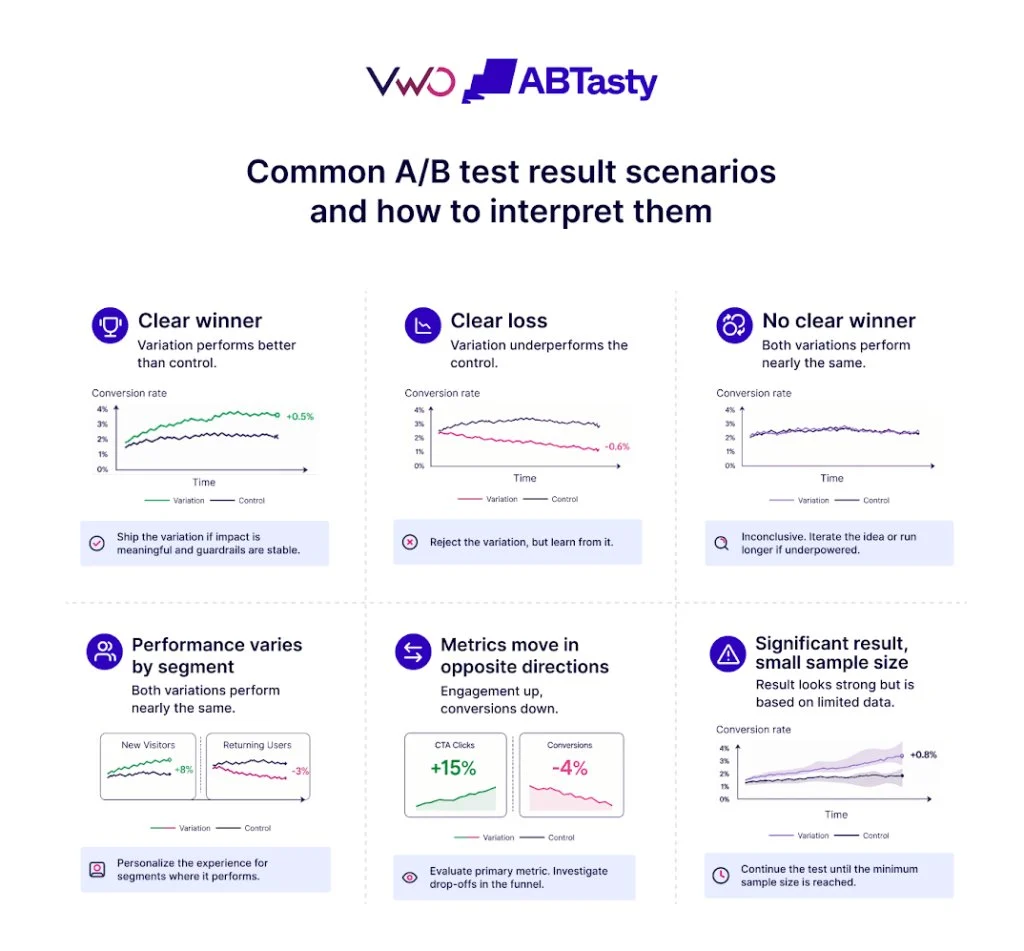
The data is clear: optimization does not end when the ad is published. It begins the moment the user interacts. Organizations that invest in dedicated landing pages and continuous A/B testing—measuring headlines, CTAs, and layouts against live traffic—report average conversion rates significantly higher than the industry standard of 2-4%. In a market where lead costs are rising, the only way to maintain a competitive ROAS is to ensure that every click has the highest possible probability of conversion. Focus, rather than fragmentation, will be the defining strategy for the next era of online advertising.