After an exhaustive evaluation spanning over 80 hours and encompassing 15 distinct print-on-demand (POD) providers, a definitive ranking of the top nine platforms has emerged. This comprehensive analysis focused on identifying providers that truly deliver the heavyweight blanks, sophisticated branding capabilities, and operational reliability essential for the discerning needs of streetwear brands. The findings reveal that the most successful streetwear POD providers consistently offer tees with a minimum weight of 240 GSM and hoodies at 380 GSM. Crucially, they also provide a robust "branding stack," which includes elements like woven labels, embroidered patches, and custom packaging, all contributing to a tangible premium feel that resonates with buyers upon initial interaction with the garment.
The Zenith of Streetwear Print-on-Demand: Fourthwall Takes the Crown
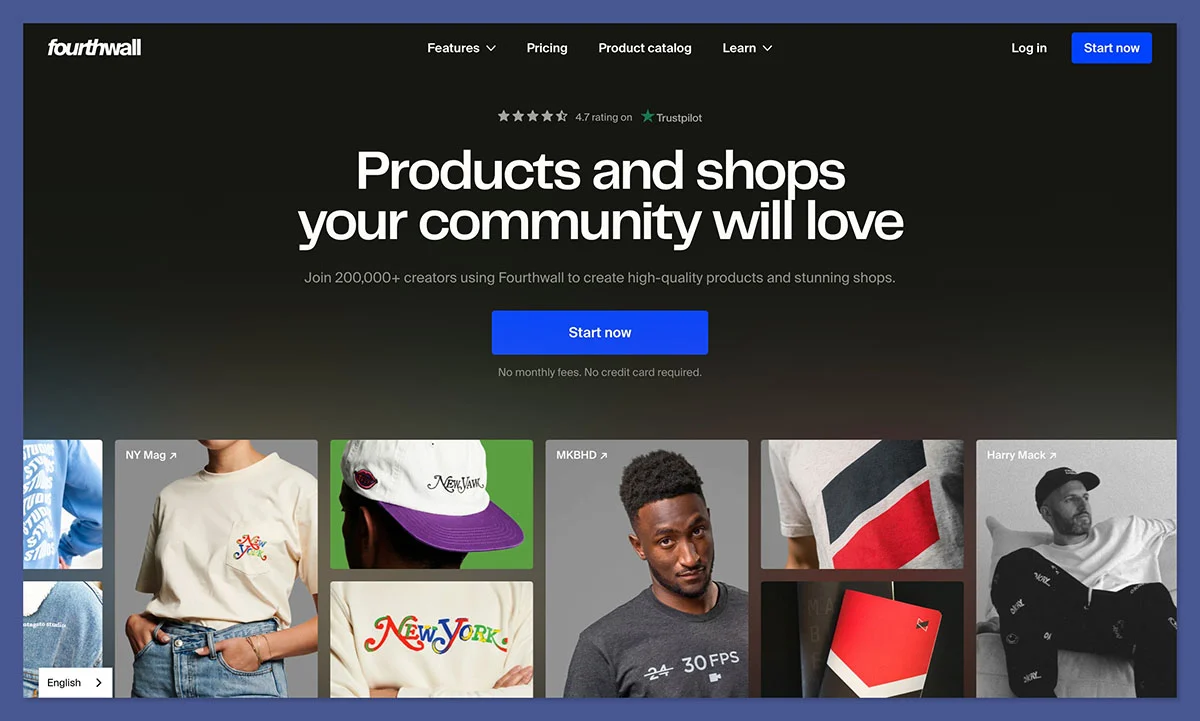
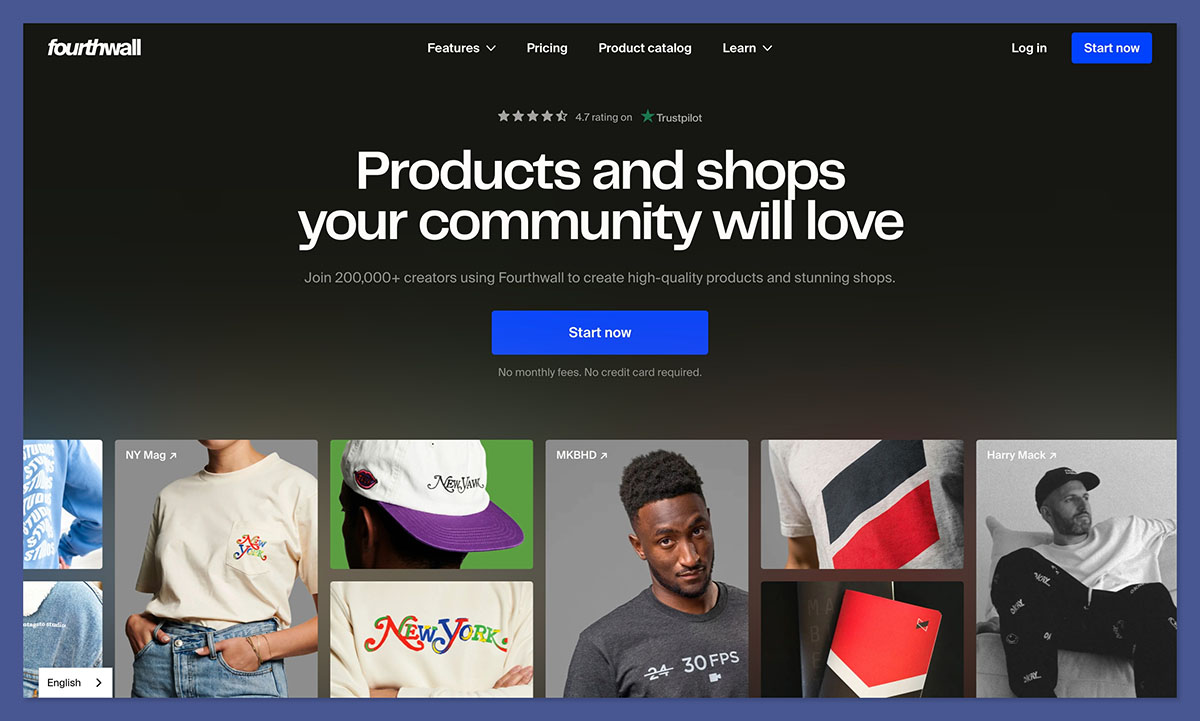
Emerging as the top pick, Fourthwall stands out as the strongest all-around solution for streetwear founders dedicated to building an authentic brand. It is the only platform in this evaluation that assumes the role of Merchant of Record for global tax handling, manages customer support on behalf of the brand, and offers native integrations with key platforms such as TikTok Shop, YouTube Merch Shelf, Twitch, Discord, and Shopify. The platform defaults to premium blank apparel from reputable suppliers like AS Colour, Stanley/Stella, and Cotton Heritage, supports all four major print methods, and crucially, features no monthly fees on its free plan. This allows founders to concentrate on brand development rather than getting bogged down in the intricacies of running a business operation.
A Deep Dive into Streetwear’s Fulfillment Landscape
This guide provides an in-depth review of nine print-on-demand platforms, meticulously ranked by their suitability for streetwear brands. Each platform’s evaluation includes a detailed breakdown of its advantages and disadvantages, pricing structures, GSM specifications for apparel, and the ideal founder profile it best serves. A quick verdict table is provided to help users swiftly identify the platform that aligns with their specific needs, or they can delve into the full analysis for a comprehensive understanding.
Quick Verdict: Top Print-on-Demand Companies for Streetwear at a Glance
| Rank | Platform | Best For | Starting Tee Price |
|---|---|---|---|
| 1 | Fourthwall | Creator-led brands launching premium merch with full operations handled | $13.25 |
| 2 | Apliiq | Woven labels and true private-label streetwear | $9.84 |
| 3 | Tapstitch | Heavyweight 250 GSM blanks and oversized silhouettes | $10.95 |
| 4 | Printful | Multi-channel sellers needing 22+ marketplace integrations | $12.75 |
| 5 | Printify | Cheapest base pricing across an 80+ supplier network | $6.31 |
| 6 | NovaTomato | Premium all-over-print streetwear on polyester | $26.50 |
| 7 | Contrado | Ultra-premium UK streetwear with woven satin labels | $38 |
| 8 | Gelato | International brands needing local fulfillment routing | Varies |
| 9 | Shirtee | EU brands needing a full label suite and returns workflow | $8 |
Key Takeaways for Streetwear Founders
The landscape of streetwear commerce has evolved significantly. Brands are no longer solely reliant on traditional e-commerce storefronts; they are increasingly launching and building communities on social media platforms. This shift necessitates POD solutions that integrate seamlessly with these digital spaces while offering the premium product quality and branding that streetwear consumers expect. The providers highlighted in this analysis have demonstrated their capacity to meet these evolving demands.
Fourthwall: The Premier Choice for Content Creator Streetwear Brands
In today’s digital-first environment, streetwear brands are finding their genesis on platforms like TikTok and YouTube, with the storefront serving as a secondary touchpoint. Fourthwall is uniquely positioned as the only platform built natively with this creator-centric approach in mind. It adeptly manages the operational complexities, including taxes and customer support, liberating creators to focus on their brand’s artistic vision rather than the minutiae of business management.
The platform’s integration capabilities are a significant differentiator, boasting native connections with TikTok Shop, YouTube Merch Shelf, Twitch Product Gifting, and Discord member roles, alongside essential platforms like Streamlabs, Instagram, Facebook Shops, and Shopify. This comprehensive ecosystem ensures that creators can effectively monetize their content across their primary audience touchpoints.
Beyond integrations, Fourthwall prioritizes the quality of its blank apparel. Its catalog features premium brands such as AS Colour, Stanley/Stella, Cotton Heritage, Bella+Canvas, Lane Seven, Gildan, and Comfort Colors. Notably, Stanley/Stella STTU169 organic cotton tees are available starting at $13.25. The platform supports a wide array of print methods, including Direct-to-Garment (DTG), embroidery, sublimation, and screen printing, offering versatility for diverse design needs. Fourthwall’s Signature collection further elevates the offering with bespoke goods produced using MAX ink settings, ensuring prints withstand the rigors of retail presentation and consumer use.
Fourthwall’s operational backend is where it truly distinguishes itself. By acting as the Merchant of Record for all transactions, it assumes responsibility for U.S. sales tax compliance, including nexus registration, collection, and remittance across all states. Furthermore, it manages international VAT and GST obligations. Customer support for catalog orders is also handled by Fourthwall’s dedicated team, addressing inquiries related to shipping, returns, address changes, and order status, thereby relieving founders of this significant burden. No other POD service on this list offers this dual capability of comprehensive tax handling and outsourced customer service for catalog orders.
The pricing structure is notably accessible: a free plan with no monthly fees, no upfront costs, and no contracts. For enhanced features, the Fourthwall Pro plan is available at $19 per month (or $180 annually), offering benefits such as 0% fees on digital products, priority support, monthly sample credits, and a complimentary .store domain. Fourthwall’s internal communications acknowledge the integration gap faced by competitors, noting that platforms like Tapstitch, while offering robust features, are limited to Shopify, Etsy, WooCommerce, and Wix, which can impede creators reliant on multi-channel engagement.
However, there are specific limitations to consider. Fourthwall does not offer woven sewn-in labels; it provides printed neck labels only, though custom labels and pack-ins are supported. The platform is primarily designed for creators rather than pure e-commerce operators seeking absolute control over SKU-level sourcing. For brands whose audiences are predominantly on YouTube, TikTok, or Twitch, and who desire a premium brand experience without the overhead of managing a logistics operation, Fourthwall presents the most streamlined path to market.
Fourthwall at a Glance:
- Pricing: Free plan (no monthly fee), Pro at $19/month or $180/year.
- Tee Starting Price: $13.25 (Stanley/Stella STTU169 organic cotton).
- Print Methods: DTG, embroidery, sublimation, screen printing.
- Key Blanks: AS Colour, Stanley/Stella, Cotton Heritage, Bella+Canvas, Lane Seven, Gildan, Comfort Colors.
- Premium Tier: Signature collection with MAX ink settings for bespoke goods.
- Tax Handling: Merchant of Record (U.S. sales tax, international VAT/GST).
- Customer Support: Handled by Fourthwall for catalog orders.
- Integrations: TikTok Shop, YouTube Merch Shelf, Twitch Gifting, Discord, Streamlabs, Instagram, Facebook Shops, Shopify.
- Minimum Orders: None.
Fourthwall Pros:
- Comprehensive operational backend (tax and customer support as Merchant of Record).
- Native integrations with creator-centric platforms (TikTok Shop, YouTube Merch Shelf, Twitch, Discord).
- No monthly fees on the free plan.
- High-quality premium blank options.
- Supports all major print methods.
Fourthwall Cons:
- No woven sewn-in labels (printed neck labels only).
- Platform is creator-focused, not for those seeking deep SKU-level sourcing control.
Best for: YouTube, TikTok, and Twitch creators monetizing an existing audience with premium merch and zero operational burden.
Skip if: You specifically need woven sewn-in labels at the neck. Consider Apliiq instead.
Apliiq: The Standard for Woven Labels and True Private-Label Streetwear
Apliiq distinguishes itself as the sole print-on-demand platform capable of integrating actual woven labels into garments. These labels, mirroring those found in authentic retail brands, feature one background color and up to four thread colors, with costs ranging from $1.50 to $3 per label. While there is a 100-unit minimum order for woven labels, the option for printed private labels drops to a single unit, automatically generating essential information like care instructions, country of origin, and material content.
The platform offers the most extensive branding customization options within the POD space. This includes embroidered patches (with a 50-patch minimum), 3D puff embroidery, faux chenille for a classic letterman jacket aesthetic, chain stitching, and custom packaging for brands reaching 250 monthly orders. Apliiq’s blank apparel selection features some of the heaviest weights available, ensuring a premium feel that aligns with streetwear expectations.
Production facilities are located in Los Angeles and Philadelphia, ensuring rapid U.S. shipping within 3 to 5 days post-fulfillment, with free shipping available on orders exceeding $100. Pricing is competitive for the quality offered: tees start at $9.84, hoodies at $20.74, and sweatpants at $22.49. Embroidery services are an additional $6 to $10 per placement. A typical hoodie order, including the base cost ($20.74), a screen print ($6), a custom neck tag ($2.50), and shipping ($5.49), totals approximately $34.73. Retailing this at $75 yields a substantial profit of around $40, representing a healthy 53.7% margin. Bootstrapping Ecommerce accurately frames this by stating, "Are you launching a POD business, or are you building a brand? If it’s the former, Printful wins. If it’s the latter, Apliiq is the better long-term bet."
However, founders should be aware of certain operational considerations. Branding orders can extend production times to 7 to 10+ business days, a noticeable increase compared to the 2 to 5 days for plain DTG prints. Integrations are currently limited to Shopify, WooCommerce, and Etsy, excluding major marketplaces like Amazon, Walmart, and TikTok Shop.
Apliiq at a Glance:
- Tee Starting Price: $9.84
- Hoodie Starting Price: $20.74
- Sweatpants: From $22.49
- Embroidery: $6 to $10 per placement
- Woven Labels: $1.50 to $3 each, 100-unit minimum
- Production Time: 2 to 5 days for plain DTG, 7 to 10+ days with branding.
- U.S. Shipping: 3 to 5 days post-fulfillment, free over $100.
- Integrations: Shopify, WooCommerce, Etsy.
Apliiq Pros:
- Unmatched branding options, including true woven labels and detailed embroidery.
- Extensive selection of heavyweight blank apparel.
- High profit margins achievable.
- U.S.-based production for faster domestic shipping.
Apliiq Cons:
- Longer production times for branded items.
- Limited marketplace integrations.
- Higher per-unit cost compared to some competitors.
Best for: Founders building a real brand identity, willing to invest in premium blanks and wait for custom branding elements like woven labels and patches.
Skip if: You require TikTok Shop integration or are operating on a strict $0 budget for testing designs.
Tapstitch: The Go-To for Heavyweight Blanks and Oversized Streetwear Silhouettes
Tapstitch is filling a significant gap in the market, offering a catalog meticulously curated for the modern streetwear aesthetic. Its strength lies in providing heavyweight blanks that exude a premium feel, including 250 GSM snow-washed cotton tees, 350 GSM hoodies, 380 GSM sweatshirts, and 400 GSM French Terry options. This focus on substantial fabric weights is crucial for achieving the desired "boxy" or oversized silhouettes that define contemporary streetwear. As one YouTube reviewer aptly put it, "These are heavyweight, fashion-grade blanks that feel substantial and look retail-ready."
Despite being a relatively new company, founded in 2024 by Yale graduate Joe Zhou, Tapstitch has demonstrated significant traction, securing $24.8 million in Series A funding, attracting over 300,000 creators, and shipping more than 1 million garments. The platform supports a diverse range of print methods, including DTG (utilizing Brother and Kornit printers), DTF, puff printing, chenille embroidery-style techniques, and acid washing. Tapstitch also claims the largest print areas among POD platforms, a critical feature for oversized designs on relaxed-fit garments.
The pricing structure is highly competitive, with a blank tee priced at $10.95. Including a one-side print ($5), a custom neck label ($1.50), and U.S. shipping ($5.50), the total cost per unit comes to $22.95. A retail price of $40 allows for a profit margin of approximately 42%, with no subscription fees. Production times are efficient, ranging from 2 to 4 business days. Integrations are robust, covering Shopify (with a strong rating of 4.6 stars and over 71 reviews), TikTok Shop natively, and other popular platforms like Etsy, WooCommerce, Wix, Squarespace, and BigCommerce. The success of brands like Breezy Excursion, which scaled to over $1 million in annual revenue using Tapstitch, underscores the platform’s effectiveness.
However, Tapstitch has some limitations. Traditional machine embroidery is not offered, which has been a point of feedback from users. While printed neck labels are available, woven sewn-in labels are not. Hangtags are still under development. A significant consideration for international sales is the shipping duration from Guangzhou, which can be lengthy for destinations in the UK/Europe (10 to 21 days) and Australia (12 to 25 days). The platform’s catalog is currently limited to apparel.
Compared to Printful’s standard offerings, which often include lighter GSM tees like the 180 GSM Bella+Canvas, Tapstitch provides a noticeably more premium feel with its 250 GSM snow-washed cotton tees, instantly elevating the perception of quality for a streetwear drop. The trade-off for this superior blank quality is longer international shipping times and the absence of traditional embroidery.
Tapstitch at a Glance:
- Tee Starting Price: $10.95 (250 GSM snow-washed cotton)
- Custom Neck Label: $1.50 (printed only)
- Production Time: 2 to 4 business days
- Print Methods: DTG (Brother/Kornit), DTF, puff printing, chenille-style, acid washing
- Key Blanks: 250 GSM tees, 350 GSM hoodies, 380 GSM sweatshirts, 400 GSM French Terry
- Integrations: Shopify, TikTok Shop, Etsy, WooCommerce, Wix, Squarespace, BigCommerce
- International Shipping: UK/EU 10 to 21 days, Australia 12 to 25 days
Tapstitch Pros:
- Exceptional heavyweight blanks with premium textures and silhouettes.
- Competitive pricing for the quality offered.
- Native TikTok Shop integration.
- Efficient production times.
- Large print areas.
Tapstitch Cons:
- No traditional embroidery.
- Printed neck labels only, no woven sewn-in options.
- Slow international shipping from Guangzhou.
- Apparel-only catalog.
Printful: The All-Rounder for Extensive Marketplace Integrations
Printful’s core strength lies in its operational reliability, boasting a 99.5% order accuracy rate and a mere 0.24% reshipment rate. With fulfillment centers strategically located in seven countries—including the U.S. (California, North Carolina), Mexico, Latvia, Spain, Canada, and Japan—Printful ensures efficient and consistent global delivery. While this operational efficiency might seem understated, it is the bedrock upon which scalable businesses are built.
For streetwear, Printful’s default blank options, such as the Bella+Canvas 3001 and Gildan 5000, can fall into the common POD trap of feeling generic. To achieve a premium streetwear positioning, it is imperative to intentionally select higher-quality blanks. Recommended upgrades include the Bella+Canvas 3001 UGD (a heavier, more premium version), AS Colour Staple Tee, Stanley/Stella Creator Tee, or Cotton Heritage models. It is advisable to bypass the Gildan 5000 ($7.50) and the basic Bella+Canvas 3001 ($11.69) if fabric feel is a critical brand differentiator.
Printful supports a comprehensive suite of print methods, including DTG, DTFlex, screen printing, all-over sublimation, and, importantly, embroidery—a capability missing from Tapstitch. While inside neck label printing is available for a fee, it is printed only, lacking woven options. Tees start at $12.75, hoodies at $24.25, and joggers at $22.95, with shipping costs ranging from $3.99 to $11.99. The platform excels in its integration capabilities, offering connections to over 22 platforms, including Shopify, Etsy, Amazon, TikTok Shop, eBay, Wish, Squarespace, BigCommerce, Wix, and WooCommerce.
For businesses requiring seamless integration across multiple marketplaces like Amazon, TikTok Shop, and Shopify simultaneously, and who are committed to using premium blanks like Cotton Heritage or Comfort Colors, Printful represents a secure and dependable choice. However, for those prioritizing default streetwear-grade blanks without the need for extensive SKU selection, platforms like Tapstitch or Apliiq might offer a more direct path.
Printful at a Glance:
- Tee Starting Price: $12.75
- Hoodie Starting Price: $24.25
- Joggers: From $22.95
- Shipping: $3.99 to $11.99
- Order Accuracy: 99.5%
- Reshipment Rate: 0.24%
- Fulfillment Locations: California, North Carolina, Mexico, Latvia, Spain, Canada, Japan
- Integrations: 22+ platforms (Shopify, Etsy, Amazon, TikTok Shop, eBay, Wish, Squarespace, BigCommerce, Wix, WooCommerce, more)
Printful Pros:
- High operational reliability and low error rates.
- Extensive global fulfillment network.
- Wide range of marketplace integrations.
- Supports traditional embroidery.
Printful Cons:
- Default blank options may not meet premium streetwear standards.
- No woven label options.
- Higher base costs compared to some competitors.
Printify: The Champion of Competitive Pricing and Scalability Across Suppliers
Printify operates as a vast network of over 80 print providers spread across 140 locations, allowing users to select the specific printer for each product. This decentralized model results in the lowest base pricing on the market, with tees starting at $6.31 to $7.30 and hoodies from $18.88 to $19.76. The Premium plan, at $29 per month or $299 annually, offers an additional 20% discount on all products, while the free plan supports up to five stores.
Printify integrates with major platforms including Shopify, Etsy, Amazon, TikTok Shop, WooCommerce, Wix, and Squarespace. Crucially, 240 GSM streetwear blanks are available, but their availability is contingent on specific providers within the network. This necessitates careful selection and thorough sampling before scaling production. Printify’s own resources confirm that 240 GSM blanks are essential for achieving the "boxy or oversized streetwear aesthetic" and unlocking a $10 to $20 per-item price premium.
The inherent risk of a marketplace model, however, warrants caution. As noted in forum discussions, issues like crooked prints, poor underbasing, and cured prints sticking together are potential outcomes when relying on an unvetted provider within the network. The quality of the final product is directly tied to the specific printer assigned to an order, meaning there is no universal quality standard across the entire network.
In comparison to Printful, which functions as a single, highly standardized operation, Printify’s strength lies in its extensive network and cost efficiency. While Printify can offer 30% to 40% savings on the same SKU compared to Printful, this is only realized after meticulous sample testing and locking in a reliable provider.
Printify at a Glance:
- Tee Starting Price: $6.31 to $7.30
- Hoodie Starting Price: $18.88 to $19.76
- Premium Plan: $29/month or $299/year (20% off everything)
- Free Plan: Up to 5 stores
- Provider Network: 80+ providers across 140 locations
- Catalog Size: 1,300+ products
- Integrations: Shopify, Etsy, Amazon, TikTok Shop, WooCommerce, Wix, Squarespace
Printify Pros:
- Lowest base pricing in the market.
- Extensive catalog of over 1,300 products.
- Vast network of global print providers.
- Significant cost savings with the Premium plan.
Printify Cons:
- Variable quality control depending on the chosen provider.
- Requires diligent sample testing to ensure quality.
- No inherent premium branding stack by default.
NovaTomato: Premium All-Over-Print Streetwear on Polyester Blanks
NovaTomato specializes in all-over-print (AOP) designs, covering the entire surface of the garment edge-to-edge. This technique is particularly effective on streetwear-shaped apparel, including oversized tees, polos, and relaxed-fit sweatshirts. Backed by Cimpress, the parent company of Vistaprint, NovaTomato emphasizes sustainable practices in its production.
The pricing reflects its premium AOP positioning: tees start at $26.50, hoodies at $38.90, and joggers at $36.90. Shipping is a flat $5.50 to $6.50, with production taking 5 to 7 business days. Branding options include custom wash labels and hang tags. Integrations are currently limited to Shopify, Wix, and WooCommerce, with no support for Amazon or TikTok Shop.
A critical technical consideration for AOP via sublimation is its reliance on polyester-based blanks (95%+ polyester). This means AOP cannot be applied to dark fabrics or 100% cotton. Founders must align their design pipeline with this constraint, as mockups created for cotton blanks cannot be realized with this method. For graphic tees on heavyweight cotton, platforms like Tapstitch or Apliiq are more suitable.
The profit margin calculation for NovaTomato requires a higher retail price point. With a base tee cost of $26.50, a retail price of $55 or more is necessary to achieve a healthy margin. For hoodies at $38.90, retail prices upwards of $80 are needed. While viable for established AOP-focused brands, this can be challenging for initial product launches.
NovaTomato at a Glance:
- Tee Starting Price: $26.50
- Hoodie Starting Price: $38.90
- Joggers: From $36.90
- Shipping: $5.50 to $6.50
- Production Time: 5 to 7 business days
- Branding: Custom wash labels and hang tags
- Integrations: Shopify, Wix, WooCommerce
NovaTomato Pros:
- High-quality all-over-print capabilities.
- Streetwear-oriented apparel shapes.
- Backed by a large corporate entity.
- Focus on sustainable practices.
NovaTomato Cons:
- Requires polyester blanks for AOP, limiting fabric choices.
- Higher base costs necessitate higher retail prices.
- Limited integrations.
Best for: AOP-driven streetwear brands targeting $55+ tee retail and $80+ hoodie retail.
Skip if: You want graphic tees on heavyweight cotton (use Tapstitch) or require woven labels (use Apliiq).
Contrado: Ultra-Premium UK Streetwear with Woven Satin Labels
Contrado operates at the apex of the premium market, with a hoodie base cost of $110. This price point is justified by exceptional service attributes: a rapid 1-to-3-day production turnaround (the fastest in the category), woven satin clothing labels with custom designs, printed tags, and a white-label workflow unmatched by other POD providers. Tees start at $38, joggers at $130, with shipping between $7 and $9.95. Wholesale discounts range from 20% to 40%.
The catalog leans towards high-fashion, featuring items like turtleneck shirts, softshell jersey sweatshirts, hoodie dresses, and urban pants. This is less about streetwear basics and more akin to luxury designer apparel. The white-label solutions are tailored for this high-end market. All-over-print on premium fabrics is a core competency. Integration is limited exclusively to Shopify.
The pricing structure is the defining factor. A $110 hoodie cost, plus shipping, necessitates a retail price of $200 to $240 to achieve a 50% profit margin. This positions Contrado squarely in the luxury streetwear segment, appealing to brands with a Rick Owens-esque aesthetic rather than a Supreme-like market. For brands not operating at this price ceiling, the base costs would be prohibitive.
In essence, Contrado is the only POD provider capable of fulfilling $200+ retail streetwear with the branding and rapid turnaround expected at that price point. If a brand’s market is at this luxury tier, Contrado is unparalleled. Otherwise, its base costs render it impractical for most emerging streetwear ventures.
Contrado at a Glance:
- Tee Starting Price: $38
- Hoodie Base Cost: $110
- Joggers: From $130
- Shipping: $7 to $9.95
- Production Time: 1 to 3 days (fastest in category)
- Wholesale Discounts: 20% to 40%
- Branding: Woven satin labels with custom designs, printed tags
- Integrations: Shopify only
Contrado Pros:
- Exceptional turnaround time.
- High-end branding options, including woven satin labels.
- Suitable for luxury streetwear price points.
- Robust white-label service.
Contrado Cons:
- Extremely high base costs.
- Limited integrations (Shopify only).
- Not suitable for mass-market or budget-conscious brands.
Gelato: Global Fulfillment for International Streetwear Brands
Gelato’s operational model centers on distributing orders to the nearest printer within its extensive network of over 140 partners across more than 30 countries. This auto-routing system is particularly advantageous for brands with significant international sales, potentially reducing shipping times for international orders by 5 to 12 days. To date, Gelato has successfully fulfilled over 10 million orders.
Pricing tiers include a Free plan ($0), Gelato+ ($25/month or $249/year), Gold ($129/month or $1,285/year), and Platinum (custom pricing). Volume discounts range from 5% to 16% across these tiers. The product catalog comprises approximately 250 items, a more curated selection compared to Printify’s extensive offering. Streetwear-relevant blanks include options from Stanley/Stella, Cotton Heritage, and Gildan, with Stanley/Stella organic cotton being the preferred choice for premium branding. Production typically takes 2 to 5 days at the local printer, which is the core benefit of the routing system.
However, Gelato’s weaknesses lie in its branding capabilities. It offers minimal streetwear-specific branding and lacks woven labels or a comprehensive premium branding stack. Its primary focus is on fulfillment infrastructure rather than brand enhancement. The localized printing model does contribute to a reduced carbon footprint, a significant selling point for sustainability-focused brands targeting European consumers.
For brands experiencing substantial international order volume, Gelato can alleviate operational complexities typically managed by third-party logistics (3PL) providers. However, for U.S.-only operations or brands prioritizing blank specificity and branding over shipping speed, platforms like Apliiq or Tapstitch may be more appropriate.
Gelato at a Glance:
- Free Plan: $0
- Gelato+: $25/month or $249/year
- Gold: $129/month or $1,285/year
- Platinum: Custom
- Volume Discounts: 5% to 16% across tiers
- Production Time: 2 to 5 days at local printer
- Network: 140+ partners across 30+ countries
- Catalog Size: ~250 products
- Key Blanks: Stanley/Stella, Cotton Heritage, Gildan
Gelato Pros:
- Efficient international order routing.
- Reduced shipping times for global customers.
- Lower carbon footprint due to localized fulfillment.
- Volume discounts available.
Gelato Cons:
- Limited branding options for streetwear.
- No woven labels.
- Smaller product catalog compared to some competitors.
Shirtee: EU Streetwear Brands with a Comprehensive Label Suite
Shirtee addresses the need for a robust platform catering to the European market. This German company operates a 2,500 sqm production facility, processing over 5,000 items daily, and has invested more than €5 million in printing infrastructure. Pricing starts at $8 for tees and $18.84 for hoodies. A significant operational advantage is its integrated returns management workflow, which handles returns within the platform, a feature lacking in most other POD providers.
Shirtee’s branding suite is exceptionally comprehensive, rivaling Apliiq in its depth. It includes custom hangtags, inside and outside neck labels, edge labels, sleeve labels, stickers, and flyers. Shirtee is also among the few platforms, alongside Apliiq and KinCustom, offering true sew-in labels, not merely printed ones. Its integration list encompasses 10 platforms, including Shopify, Wix, WooCommerce, PrestaShop, ShopWare, Squarespace, Magento, Amazon, eBay, and Etsy, further complemented by warehousing services.
The primary drawback is its European focus, which can lead to extended U.S. delivery times. Shipping costs to non-EU markets range from $4.50 to $30. While offering a wide range of branding options, the selection of streetwear-specific blanks is less extensive than that of Apliiq or Tapstitch, with no published heavyweight GSM data readily available. This means founders cannot select blanks based on GSM specifications as they can with dedicated streetwear specialists.
Shirtee at a Glance:
- Tee Starting Price: $8
- Hoodie Starting Price: $18.84
- Production Capacity: 5,000+ items daily across 2,500 sqm
- Infrastructure Investment: €5M+
- Non-EU Shipping: $4.50 to $30
- Branding Suite: Hangtags, inside/outside labels, edge labels, neck labels, sleeve labels, stickers, flyers
- Integrations: 10 platforms (Shopify, Wix, WooCommerce, PrestaShop, ShopWare, Squarespace, Magento, Amazon, eBay, Etsy)
Shirtee Pros:
- Comprehensive branding options, including sew-in labels.
- Integrated returns management workflow.
- Strong presence and infrastructure in the EU.
- Supports Amazon and eBay integrations.
Shirtee Cons:
- U.S. delivery times can be extended.
- Limited selection of heavyweight, streetwear-specific blanks.
- Not ideal for U.S.-only focused brands prioritizing specific GSM specs.
Best for: EU streetwear brands seeking extensive label customization, integrated returns infrastructure, and Amazon/eBay coverage within a single platform.
Skip if: You are U.S.-based or specifically require published 240+ GSM blank specifications. Consider Apliiq or Tapstitch.
The Bottom Line: Choosing the Right Platform for Your Streetwear Brand
Navigating the nine options presented requires a clear understanding of individual brand needs. The following recommendations distill the analysis into actionable choices based on specific use cases:
- Fourthwall: The unparalleled choice for creator-led brands prioritizing operational ease and seamless integration with social media platforms.
- Apliiq: The definitive provider for brands aiming for true private-label status with exceptional branding options, particularly woven labels.
- Tapstitch: The leading platform for brands focused on heavyweight blanks and authentic oversized streetwear silhouettes.
- Printful: The most reliable option for multi-channel sellers needing extensive marketplace integrations and consistent operational performance.
- NovaTomato: The specialist for brands focused on premium all-over-print designs on polyester fabrics.
- Contrado: The exclusive provider for ultra-premium luxury streetwear with exceptionally fast turnaround times and high-end branding.
- Gelato: The strategic choice for international brands aiming to optimize shipping times through localized fulfillment.
- Shirtee: The go-to platform for EU-based brands seeking comprehensive labeling and returns management.
Founders should exercise caution with Printify, opting for it only after rigorous sample testing of specific providers within its network. Contrado is best avoided unless targeting a luxury price point exceeding $200 per item. NovaTomato is suitable only for AOP designs, while Shirtee offers a compelling solution for EU brands needing Amazon and extensive label customization.
Frequently Asked Questions About Streetwear Print-on-Demand
What GSM is considered heavyweight for a streetwear tee?
For a heavyweight streetwear tee, a GSM (grams per square meter) of 220 to 300 GSM is ideal. The 240 GSM benchmark is widely recognized in the premium streetwear market, contributing to the desired boxy, oversized aesthetic and enabling a price premium of $10 to $20 per item. Tapstitch’s 250 GSM snow-washed cotton tee exemplifies this standard. Fabrics below 200 GSM fall into the mid-weight category and will not convey the premium streetwear feel at unboxing.
What GSM should be used for a heavyweight streetwear hoodie?
The threshold for heavyweight streetwear hoodies is 380 to 420+ GSM. Brands like Apliiq offer options such as the Independent Trading Co IND420XD at 420 GSM and AS Colour Made Hood at approximately 490 GSM (14.7 oz). Tapstitch’s 350 GSM fleece hoodie and 380 GSM sweatshirt represent the entry point for heavyweight options, while the Original Favorites Heavyweight Organic Hood reaches 400 GSM. Hoodies below 350 GSM are generally considered midweight.
What is the minimum order for woven labels through Apliiq?
Apliiq requires a minimum order of 100 units for woven labels. These labels cost between $1.50 and $3 each and can feature one background color with up to four thread colors. For printed private labels, the minimum drops to a single unit, with automated generation of care instructions, country of origin, and material content. Both options support dropshipping. Production for branded items typically takes 7 to 10+ business days.
Does Tapstitch offer embroidery?
No, Tapstitch does not offer traditional machine embroidery. While it supports puff printing, chenille embroidery-style techniques, DTG, DTF, and acid washing, traditional embroidery is notably absent. This is a recurring point of feedback from users. If embroidery is a critical branding element, consider using Apliiq, Printful, Fourthwall, or Gelato.
Can all-over-print be applied to heavyweight cotton blanks?
No, all-over-print (AOP) using sublimation requires polyester-based blanks (95%+ poly) and cannot be applied to dark fabrics or 100% cotton. For AOP on polyester, NovaTomato, Contrado, or AOP+ are suitable options. For graphic prints on heavyweight cotton blanks, which is standard for streetwear, DTG or screen printing via platforms like Apliiq,