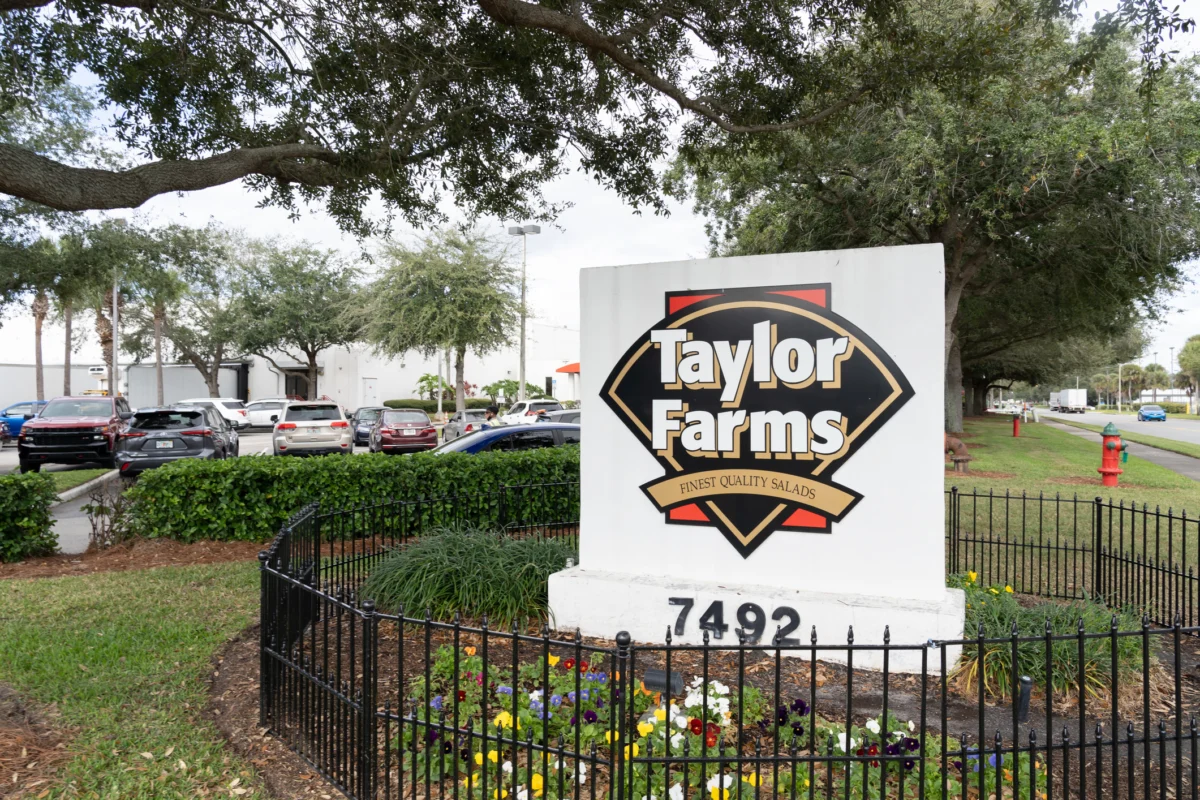
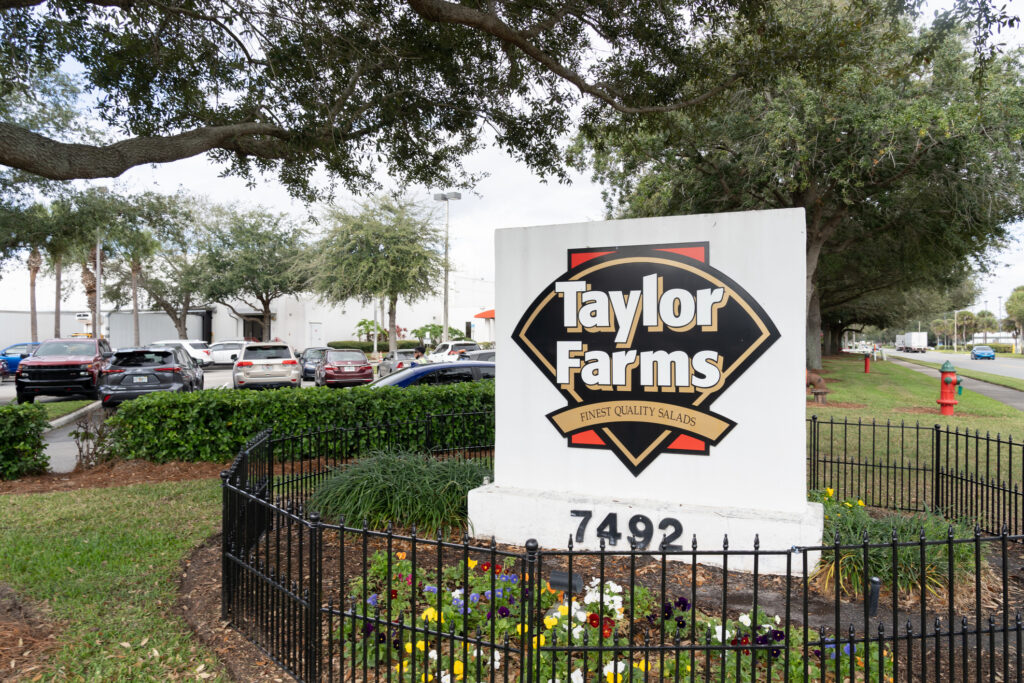
The Food and Drug Administration has issued a rare formal apology to Taylor Farms after a laboratory error led to a false positive result, incorrectly linking the company’s iceberg lettuce to a multi-state outbreak of Cyclospora. The incident, which highlights the precarious nature of food safety and corporate reputation, sent shockwaves through the agricultural and fast-food industries before the federal agency retracted its findings. While Taylor Farms has moved quickly to restore its standing, the situation underscores the lasting impact of public health alerts, even when they are later proven to be erroneous.
The Taylor Farms Incident: A Chronology of a Public Health Crisis
The crisis began in early July 2026, when the FDA and the Centers for Disease Control and Prevention (CDC) initiated an investigation into a five-state outbreak of Cyclospora cayetanensis, a microscopic parasite that causes severe gastrointestinal distress, including prolonged bouts of diarrhea, fatigue, and nausea. Initial laboratory testing conducted by the FDA suggested a definitive link between the parasite and iceberg lettuce sourced from Taylor Farms, a major supplier of fresh produce to retail and food service sectors across the United States.
Following the preliminary report, Taylor Farms immediately initiated a voluntary recall of the suspected products, prioritizing consumer safety despite the lack of internal confirmation of the contamination. The ripple effect was felt instantly across the supply chain. Taco Bell, a major client of Taylor Farms, took the drastic step of removing all iceberg lettuce from its nationwide menu to mitigate risk. This move, while cautious, further cemented the association between the brand and the outbreak in the public consciousness.
However, subsequent confirmatory testing by the FDA revealed that the initial result was a false positive. On Monday, the agency updated its investigation status, acknowledging that the cause of the outbreak remains unknown and that Taylor Farms’ lettuce was not the source. According to a statement released by Taylor Farms, the FDA provided a formal apology for the error.
The High Cost of False Positives in Food Safety
While the FDA’s retraction clears Taylor Farms of wrongdoing, the reputational damage caused by such an incident can be difficult to reverse. In the era of rapid digital information, the initial headline—linking a company to a parasite—often travels further and faster than the subsequent correction.
Taylor Farms has adopted a strategy of total transparency to combat the fallout. The company’s homepage currently features a chronological timeline of the event, ensuring that the news of the false positive and the FDA’s apology is the first thing visitors see. By maintaining a record of their voluntary recall, the company aims to demonstrate a "safety-first" culture that persists even when the threat is misidentified.
In contrast, the response from partner organizations has been slower. Taco Bell, which faced significant operational disruption due to the FDA’s initial report, had not updated its public-facing health statements as of early Monday morning. This delay highlights a common challenge in crisis communication: the "vacuum of information" that occurs when a secondary party is caught in a regulatory error.
Industry analysts suggest that the Taylor Farms case will serve as a landmark example of the fallibility of rapid-testing protocols. While the Food Safety Modernization Act (FSMA) has enhanced the FDA’s ability to track and trace outbreaks, the pressure to act quickly can sometimes lead to premature conclusions. For Taylor Farms, the focus now shifts from containment to rebuilding trust with consumers who may still harbor concerns about the safety of their leafy greens.
Christopher Nolan’s The Odyssey Defies Cultural Backlash
In the entertainment sector, director Christopher Nolan has once again demonstrated his box-office dominance. His latest project, a three-hour, R-rated adaptation of Homer’s "The Odyssey," earned a staggering $124 million in its domestic opening weekend. The film’s success comes despite a concentrated campaign of criticism from right-wing commentators and social media figures, including Elon Musk, who targeted the production for its diverse casting and alleged historical inaccuracies.
The controversy centered on Nolan’s decision to cast a Black woman in a prominent role and a transgender man as a key figure in the epic. Critics also pointed to technical details in the armor and weaponry as being inconsistent with the Mycenaean period. However, these criticisms appeared to have little impact on the general public’s appetite for the film.
Nolan, known for his preference for analog technology and his lack of a smartphone, remained largely insulated from the online discourse. In an interview with The Telegraph, he emphasized his commitment to the "sincerity" of the adaptation, noting that the nature of art is to reinterpret classical texts for modern audiences.
The film’s performance—the third-highest opening of the year—suggests a disconnect between "online noise" and "consumer signal." Market data indicates that Nolan’s brand as a filmmaker often transcends political polarization, attracting a broad demographic of moviegoers who prioritize cinematic spectacle and narrative complexity over cultural debates. By refusing to engage in a defensive PR campaign, Nolan and the film’s distributors allowed the work to stand on its own merits, a move that PR experts are citing as a masterclass in "strategic silence."
Major League Soccer Looks to Harness World Cup Momentum
As the dust settles on the first World Cup hosted in North America since 1994, Major League Soccer (MLS) is preparing for an aggressive expansion phase. The tournament, which saw record-breaking attendance and television viewership in the U.S., has created a unique window of opportunity for the domestic league to convert casual fans into lifelong supporters.
MLS Commissioner Don Garber revealed that the league has been executing an eight-year strategic plan designed to culminate in the post-World Cup era. This plan included the construction of soccer-specific stadiums, the introduction of expansion franchises in key markets, and a massive investment in youth academies.
"The message is that we appreciate the passion shown during the World Cup, and now we are ready to welcome those fans to MLS," Garber stated.
The challenge for MLS lies in maintaining this momentum as the American sports calendar shifts toward the NFL and NBA seasons. To compete, the league is expected to announce new marketing partnerships and potentially adjust its roster rules to allow for more high-profile international signings, following the success of the Lionel Messi era in Miami. The goal is to move MLS from a "developmental" or "retirement" league to one of the top five domestic leagues in the world by the end of the decade.
Boeing’s Strategic Patience Under New Leadership
In the aerospace sector, Boeing is navigating a period of cautious stabilization. Following years of manufacturing defects, safety concerns, and leadership turnover, new CEO Kelly Ortberg is signaling a shift away from the "rush-to-market" mentality that characterized the company’s previous decade.
During a recent interview with CNBC, Ortberg addressed the timeline for the development of a new commercial jet, a project that investors have been eagerly anticipating. Ortberg was blunt in his assessment, stating that the company would not be ready to launch a new aircraft program until at least 2030.
"First of all, we have to be ready, and part of that is getting our financial house in order," Ortberg said. "We are working on that, but it’s going to take a couple more years to get where we want to be."
The announcement led to a 1.8% decline in Boeing’s stock price, as some investors had hoped for a more aggressive product roadmap to compete with Airbus. However, industry analysts view Ortberg’s approach as a necessary corrective. By prioritizing financial stability and engineering rigor over short-term stock performance, Boeing is attempting to rebuild its reputation with regulators and airlines alike.
The 2030 timeline reflects the reality of modern aerospace engineering, where the development of a "clean-sheet" aircraft requires billions in capital and years of testing. For Boeing, the immediate focus remains on clearing the backlog of 737 MAX and 777X orders while ensuring that every aircraft leaving the factory meets the highest safety standards.
Analysis: The Intersection of Trust and Timing
The events involving Taylor Farms, Christopher Nolan, MLS, and Boeing all point to a singular theme in the current corporate landscape: the critical importance of trust.
For Taylor Farms, trust was momentarily broken by a government error, requiring a rapid and transparent response to mend it. For Christopher Nolan, trust in his creative vision allowed him to bypass a cultural firestorm. For MLS, the league is attempting to earn the trust of a new generation of soccer fans. And for Boeing, the journey is about reclaiming a legacy of trust that was lost through years of mismanagement.
In each case, the ability of leadership to remain focused on long-term objectives—rather than reacting impulsively to short-term pressures—will determine their ultimate success. Whether it is a federal agency’s apology or a record-breaking box office haul, the news of the week serves as a reminder that in the modern economy, reputation is the most valuable, and often the most fragile, asset a brand can possess.