As the digital landscape undergoes its most profound transformation in decades, marketers and SEO professionals are grappling with a fundamental shift in how information is discovered and consumed. The long-cherished satisfaction of securing a top spot on traditional Search Engine Results Pages (SERPs) is no longer the sole arbiter of digital success. With the rapid ascent of generative Artificial Intelligence (AI) and its integration into search interfaces, a new paradigm — Answer Engine Optimization (AEO) — has emerged, compelling brands to redefine their visibility strategies. This evolution demands a fresh set of metrics, moving beyond mere rankings to encompass mentions, citations, and a comprehensive share of voice within AI-generated answers.
The Genesis of AI Search: A Paradigm Shift in Information Retrieval
The advent of large language models (LLMs) like OpenAI’s ChatGPT, Google’s Gemini, and Perplexity AI has fundamentally altered user expectations for information retrieval. Where users once navigated a ranked list of "blue links," they now increasingly seek direct, synthesized answers to their queries. This shift represents a significant chronological marker in the history of search. For years, traditional search engines had been gradually moving towards direct answers through features like knowledge panels, featured snippets, and "people also ask" sections. These served as precursors, hinting at a future where AI would take center stage in delivering immediate, curated information.
The formal integration of generative AI into mainstream search, exemplified by Google’s AI Overviews, solidified this transition. Users can now pose complex questions and receive coherent, concise summaries, often with embedded citations to source material. This dramatically changes the "unit of measurement" for digital success. While traditional SEO focused on the page’s position within a list, AI search elevates the singular, synthesized answer. A brand either makes it into that answer, or it remains largely invisible within this new interaction model. Industry analysts widely suggest that this paradigm shift will only accelerate, with a growing percentage of search queries being influenced or directly answered by AI. Marketing experts emphasize that understanding this evolution is not merely an advantage but a necessity for sustained digital relevance.
Deconstructing AI Search Visibility: What Marketers Must Track
AI search visibility measures a brand’s presence within these AI-generated responses, assessing how frequently answer engines mention or cite a brand in their output. This differs significantly from conventional SEO, where a number-one ranking was the ultimate goal. In the AI era, ranking first no longer guarantees inclusion. A compelling Semrush analysis of 200,000 Google AI Overviews revealed that the top organic result was cited only 34% of the time on mobile devices and 46% on desktop. This stark data underscores the imperative for new metrics.
The key performance indicators (KPIs) for AEO are multifaceted:
- Mentions and Citations: A "mention" refers to a brand being named in an AI answer without an accompanying link. A "citation," conversely, is when the AI references a specific source. An "owned citation" occurs when that source is one of the brand’s own pages, while a brand can also be cited through third-party pages. Maximizing owned citations is a primary objective.
- AI-Referred Traffic: This metric tracks visits originating from clicks on cited links within AI answers. The challenge lies in referrer data, as many AI engines do not consistently pass this information, often causing AI-driven traffic to be miscategorized as "direct." Dedicated analytics tools are increasingly tagging clicks from platforms like ChatGPT, Claude, Perplexity, and Gemini as distinct "AI Referrals" to overcome this.
- Conversions and Pipeline Attribution: Beyond traffic, the ultimate measure of success is the generation of leads, opportunities, and revenue directly attributable to AI discovery. Integrating "how did you hear about us?" fields on forms with specific AI options, coupled with robust CRM systems that record first-touch sources, is crucial for connecting AI visibility to tangible business outcomes.
- Consistency Over Time: Given the dynamic nature of AI models, answers can vary by platform, prompt, timing, and even user session. A single check provides only a snapshot. Consistent monitoring over time is essential to identify trends and assess the stability of a brand’s presence.
- Accuracy and Hallucination Detection: A critical and unique metric for AEO is the assessment of accuracy. Marketers must track how often AI answers misrepresent their brand, providing incorrect pricing, features, or claims. Detecting these "hallucinations" is vital for brand reputation management.
- Sentiment and Tone Analysis: Beyond mere presence, how favorably an AI describes a brand matters. Tools capable of scoring sentiment (e.g., from -100% to +100%) can differentiate between a visibility problem and a perception issue, providing actionable insights for content refinement.
- Retrieved and Cited Pages: Identifying which specific URLs from a brand’s website are being pulled and cited by AI engines is crucial. This insight reveals which content resonates most effectively with LLMs, guiding future content creation efforts to replicate success.
Crafting an AEO Strategy: A Step-by-Step Approach
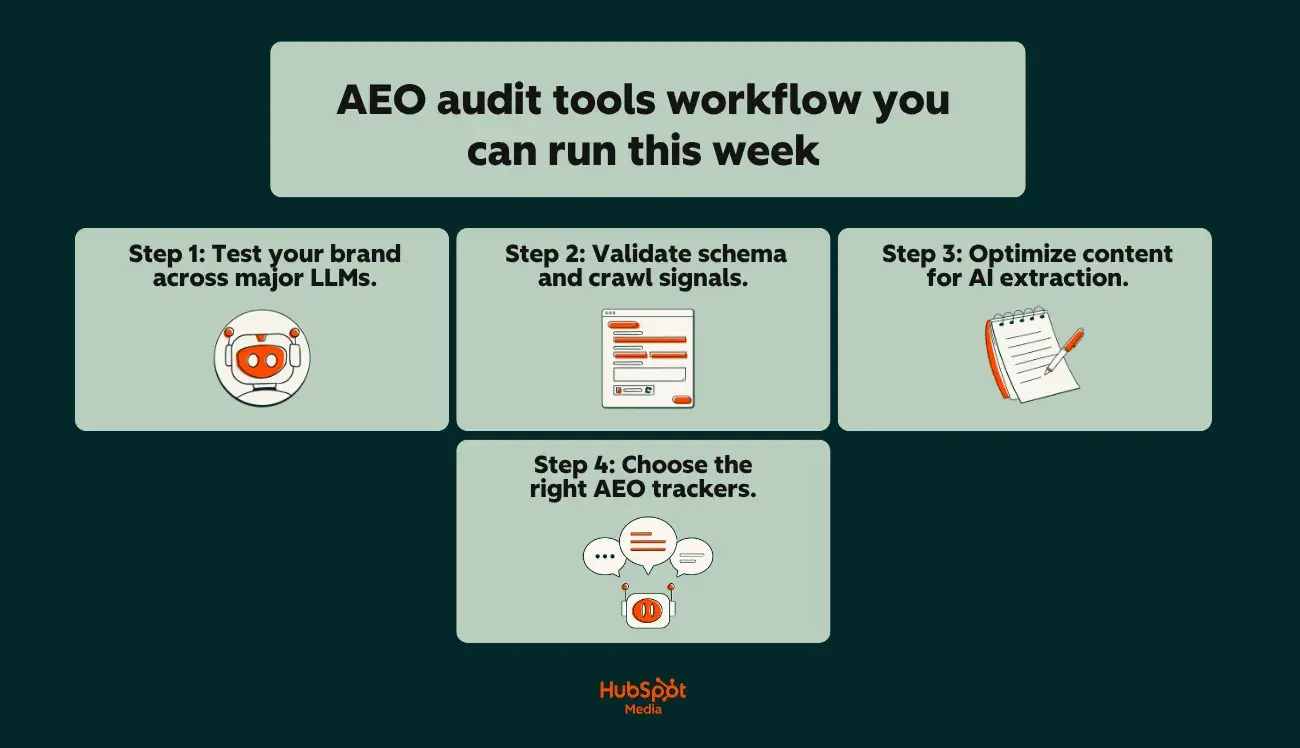
Implementing an effective AEO strategy requires a systematic approach, whether executed manually or through automated tools.
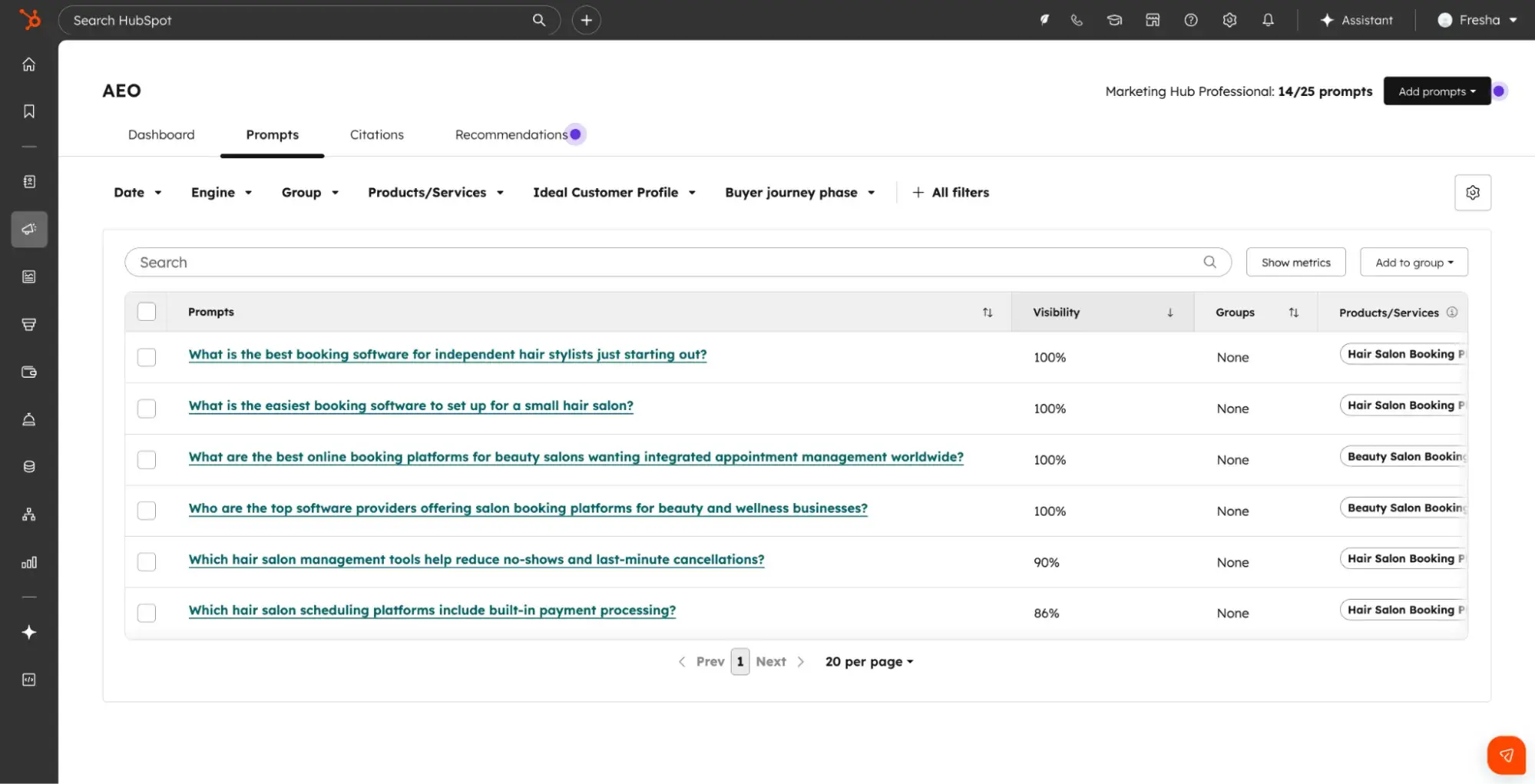
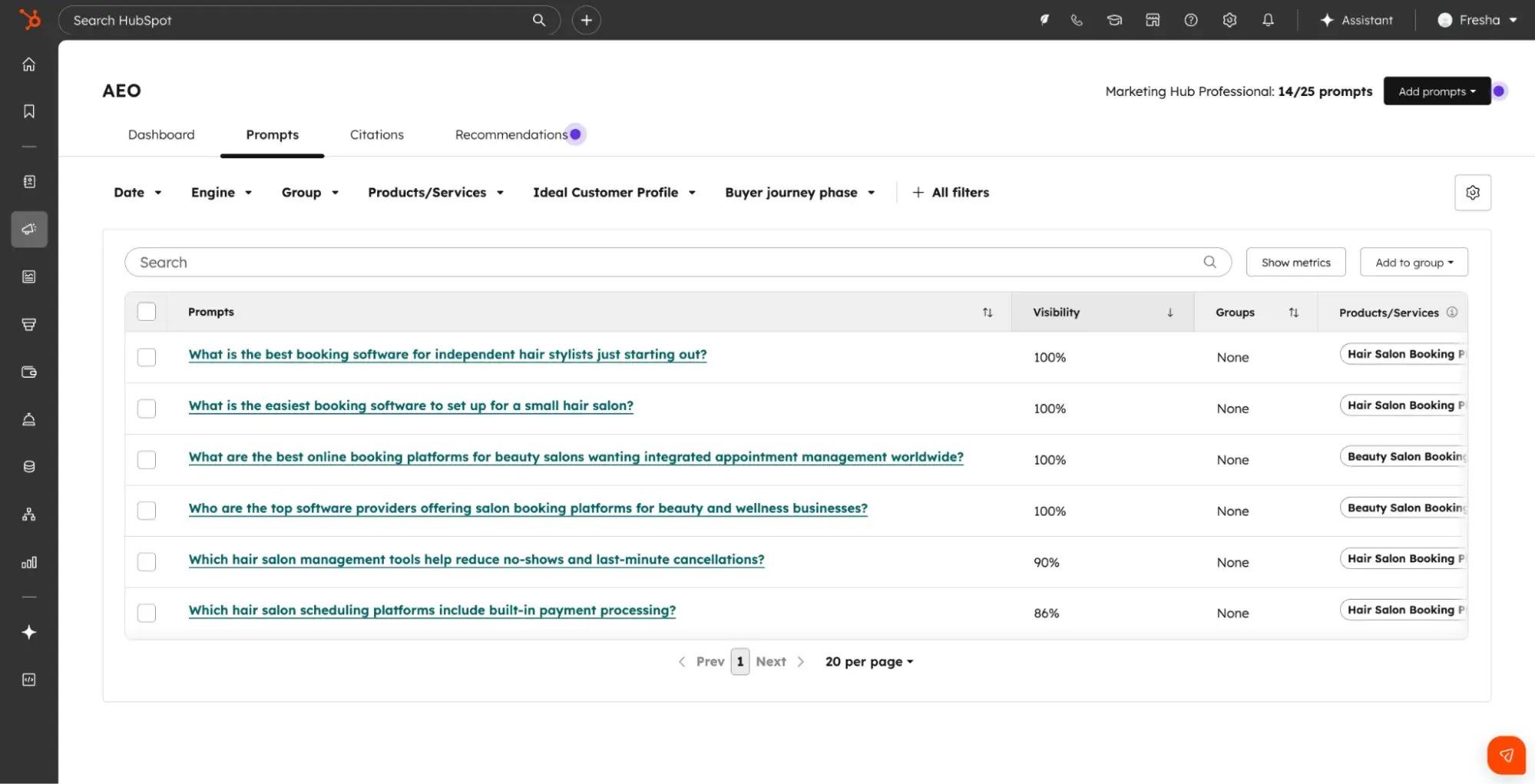
- Domain and Prompt Definition: The initial step involves registering primary domains and subdomains. Critically, the focus shifts from keywords to "prompts." While branded prompts are useful for competitive analysis, the bulk of the effort should concentrate on unbranded, solution-seeking prompts that drive significant visibility. Some advanced AEO platforms leverage CRM data to suggest relevant prompts, aligning visibility efforts directly with business context.
- Engine-Specific Tracking Configuration: AI answers are not monolithic; they vary significantly across platforms like ChatGPT, Gemini, and Perplexity. Therefore, each prompt must be run individually across each engine. To prevent personalization biases, logged-out or temporary sessions are recommended. For every response, marketers must meticulously record brand mentions, cited pages, and competitor appearances. The manual effort here can be substantial, underscoring the value of automated solutions that can consistently rerun prompts and log data across multiple engines.
- KPI Mapping and Dashboard Construction: Once tracking is live, selecting a concise list of KPIs for ongoing monitoring is paramount. While spreadsheets can suffice for small-scale audits, the dynamic and varied nature of AI answers—influenced by model updates and retrieval sources—makes manual tracking quickly untenable for continuous monitoring. Dedicated AEO tools are designed to automate prompt execution, track citations, benchmark competitors, and visualize visibility trends over time, providing a scalable solution.
- Competitor Share of AI Voice Analysis: For each tracked prompt, noting every competitor mentioned by the AI engine allows for the calculation of a brand’s "share of voice." Repeating this analysis monthly reveals which competitors dominate specific question clusters, guiding content strategy and identifying opportunities for targeted content creation. Automated tools can significantly streamline this competitive intelligence gathering, highlighting market gaps without laborious manual tabulation.
Optimizing for the Answer Engine: Tactical Imperatives
Improving AI search visibility hinges on a combination of foundational SEO practices and new, AI-specific content strategies.
- Strengthen External Brand Signals: What third-party sites say about a brand significantly influences how answer engines perceive and represent it. A study by SE Ranking involving 129,000 domains found that the number of referring domains was the strongest predictor of ChatGPT citations among 20 measured signals. The same study linked mentions on platforms like Reddit and Quora to higher citation rates. Building robust external signals through digital PR, expert commentary, active participation in relevant online communities, and optimizing presence on review platforms like G2 is crucial. These signals provide authoritative context that LLMs often draw upon.
- Rank in Traditional Search to Feed LLMs: Despite the shift, strong organic rankings remain a foundational prerequisite. Answer engines construct their responses by drawing upon traditional search indexes. ChatGPT, in certain contexts, can access Bing results, while Google’s AI Overviews heavily leverage pages that already rank. While a top organic ranking no longer guarantees an AI citation, pages that rank poorly are rarely surfaced. Therefore, maintaining excellent crawlability, developing deep topical authority, and implementing effective internal linking strategies remain vital. Furthermore, leveraging AI tools within SEO workflows can enhance content creation and optimization, creating a symbiotic relationship between traditional and AI-driven search.
- Add Structured Data and Schema: Schema markup helps search engines and LLMs understand the entities on a page and their relationships in a machine-readable format. While the direct impact of schema on AI citations is debated, HubSpot’s "State of AEO 2026" report found that pages combining Q&A sections with FAQ schema markup achieved higher citation rates on Gemini, Google AI Mode, and Perplexity. This suggests that structured data aids AI in extracting and synthesizing information more effectively.
- Write with Semantic Clarity: Answer engines prioritize declarative, self-contained claims. Content should be crafted to be unambiguous and direct. This means stating facts as clear subject-verb-object relationships, using explicit entity names instead of pronouns like "it" or "this," and resolving questions concisely before adding supporting context. Consistency in brand name, category, and key facts across a website, social media profiles (like LinkedIn), and review sites is also critical for AI engines to accurately recognize and describe the brand.
- Create Compact, Prompt-Shaped Content Units: AI engines often retrieve specific passages rather than entire web pages. Therefore, each section of content must be able to stand on its own. Leading every section with a direct answer, followed by supporting details, is an effective strategy. Presenting comparable facts in tables or bulleted lists, rather than burying them in dense prose, enhances scannability and extractability for AI. Specialized AEO tools can often identify these content gaps and provide prioritized recommendations for optimization.
The Tooling Landscape: Empowering AEO Efforts
The choice of AI visibility tools depends heavily on a team’s specific objectives. For an initial "pulse check," a free grader can provide a baseline assessment of a brand’s representation across key AI engines, including a preliminary share-of-voice analysis against competitors. This can help answer the fundamental question: "Are answer engines representing our brand at all?"

However, for continuous, in-depth monitoring, prompt-level competitor analysis, or the crucial attribution of AI visibility to the sales pipeline, a dedicated AEO tool becomes indispensable. These platforms automate the repetitive tasks of running prompts, tracking citations, and monitoring competitor activity, providing consistent data and actionable insights. Some advanced solutions, like HubSpot AEO, integrate tracking capabilities with prioritized content recommendations and, when combined with a CRM, can directly link visibility metrics to customer records. This integration is vital for moving beyond mere impression counts to understanding the true business impact of AEO efforts.
From Visibility to Revenue: Quantifying AEO’s Business Impact
For executives, the ultimate question surrounding AI visibility is its impact on the bottom line. Connecting AI search tracking to leads and revenue requires a clear path from an AI-referred visit to a closed deal. The primary challenge lies in the inconsistent passing of referrer data by many AI platforms, which can lead to AI-driven traffic being misattributed to "direct" sources.
To address this, two key strategies are employed:
- Automated Referrer Tagging: Platforms like HubSpot have implemented automated tagging for visits originating from ChatGPT, Claude, Perplexity, and Gemini, categorizing them under a distinct "AI Referrals" source. This ensures that contacts generated from these sessions inherit the correct attribution, allowing for accurate reporting on leads, deals, and revenue segmented by AI source.
- Self-Reported Attribution: To capture AI-driven visits missed by referrer data, implementing a "How did you hear about us?" field on forms is crucial. By providing explicit options such as "ChatGPT," "Gemini," or "Perplexity," buyers can directly indicate the source that technical headers may have dropped. These responses are then written to the contact record, enriching attribution data.
By combining these methods, a comprehensive CRM dashboard can be built to connect AI visibility metrics to business outcomes. This dashboard should display mentions and citations on one side, and pipeline by source on the other. This integrated view allows businesses to track contacts from their initial AI touchpoint through to a closed deal, answering whether rising visibility translates into tangible revenue. Regular monthly reviews of this data are essential for proving the return on investment of AEO initiatives.
Maintaining Brand Integrity in the AI Age: Reporting and Governance
Transforming scattered tracking data into a coherent narrative for leadership is crucial. A monthly report should consolidate key metrics: mentions and citations to demonstrate reach, sentiment analysis to gauge brand perception, accuracy scores to highlight potential hallucinations, retrieved pages to identify effective content, and crucially, pipeline impact to validate business value.
Beyond reporting what has changed, effective governance dictates the response when an AI engine misrepresents a brand. A concise governance checklist should guide the team’s actions:
- Identify the Source: Determine which specific content pieces the AI likely drew from to generate the inaccurate answer.
- Correct Owned Content: Update the brand’s own website pages with precise pricing, features, and claims.
- Strengthen External Signals: Reinforce accurate information through authoritative third-party channels and digital PR efforts.
- Monitor and Confirm: Log each identified error by engine and prompt, then rigorously monitor subsequent AI responses to confirm that corrective actions have been effective.
This reporting and governance loop ensures that problems are identified, addressed, and verified, maintaining brand accuracy and integrity in the dynamic AI search environment.
The Future of Digital Marketing: A Continuous Evolution
The emergence of AI search and AEO is not a replacement for traditional SEO but rather an additive, sophisticated layer built upon existing foundations. Strong organic rankings, technical SEO, and compelling content remain fundamental. However, the ability to optimize for direct answers, manage brand representation within generative AI, and attribute its impact to business results represents a critical new skillset for marketers.
The landscape of AI search is continuously evolving, with tech giants consistently refining their models and introducing new features. This necessitates ongoing adaptation, experimentation, and a commitment to understanding user behavior in an AI-first world. The future of digital marketing will increasingly hinge on a brand’s ability to not only be found but to be accurately and favorably represented in the intelligent, synthesized answers that define the next generation of information discovery.