Higher education institutions are navigating an increasingly digital landscape, where social media has become an indispensable tool for achieving core strategic objectives. Far beyond simple promotional channels, platforms like Instagram, TikTok, LinkedIn, and Facebook are now pivotal for increasing enrollment, fostering vibrant community connections, ensuring clear and immediate communication, and deepening engagement with prospective students, current learners, faculty, staff, and alumni. This strategic embrace of social media signifies a profound shift in how universities and colleges operate, communicate, and build their brand in the 21st century.

The Evolving Digital Footprint of Academia
The journey of higher education’s engagement with social media has been evolutionary. Initially, institutions tentatively explored platforms as extensions of their public relations departments, primarily for broadcasting news and events. However, with the rapid ascent of digital natives into the prospective student demographic, coupled with the ubiquity of smartphones and the diversification of social platforms, the role of social media has expanded dramatically. What began as an optional communication channel has matured into a cornerstone of institutional strategy, impacting everything from admissions to alumni relations and even pedagogical approaches. The year 2026 marks a period where student digital expectations are not just high but intrinsically linked to their decision-making processes and their overall university experience.

Strategic Imperatives: Driving Enrollment in a Competitive Landscape
One of the most compelling advantages of a robust social media presence is its direct impact on enrollment figures. A recent RNL report highlighted that a significant 56% of students consider social media as a primary influence when they first begin exploring colleges, often before traditional avenues like campus tours or application processes are initiated. This early engagement point underscores social media’s power as a recruitment tool, capturing student interest when curiosity is at its peak. Institutions that cultivate an authentic and engaging online presence signal a vibrant campus culture, providing tangible proof of the student experience.
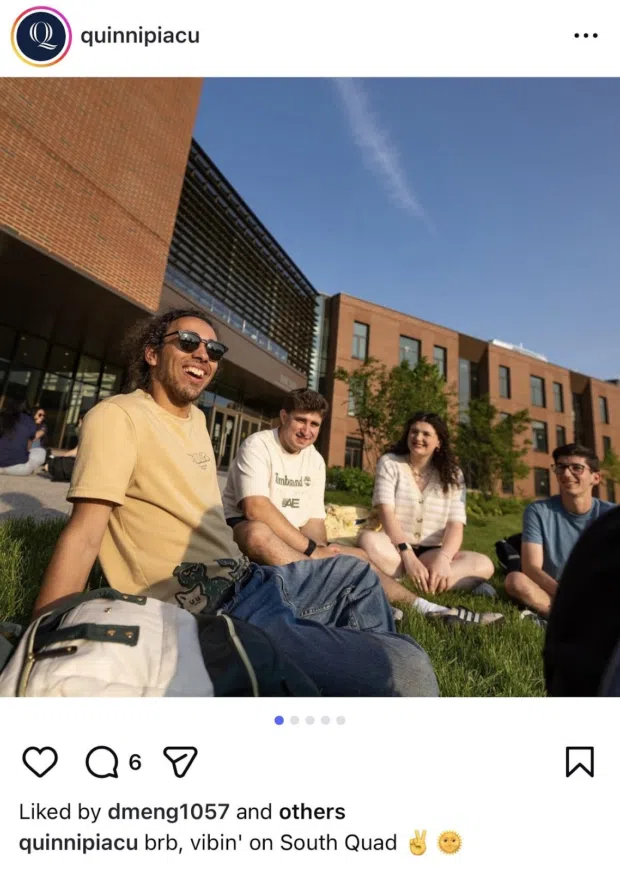
For instance, sharing student-led content—such as a candid post from Quinnipiac University depicting students enjoying a sunny campus day—offers prospective applicants a genuine glimpse into daily life. This type of user-generated or student-curated content is invaluable for recruitment, allowing future students to envision themselves as part of the community and making the institution feel familiar long before their first physical visit. Universities leveraging these insights report a measurable increase in engagement metrics that correlate with application submissions and eventual matriculation, with some institutions observing a 10-15% uplift in initial inquiries directly attributable to targeted social media campaigns.
Showcasing Institutional Values and Achievements
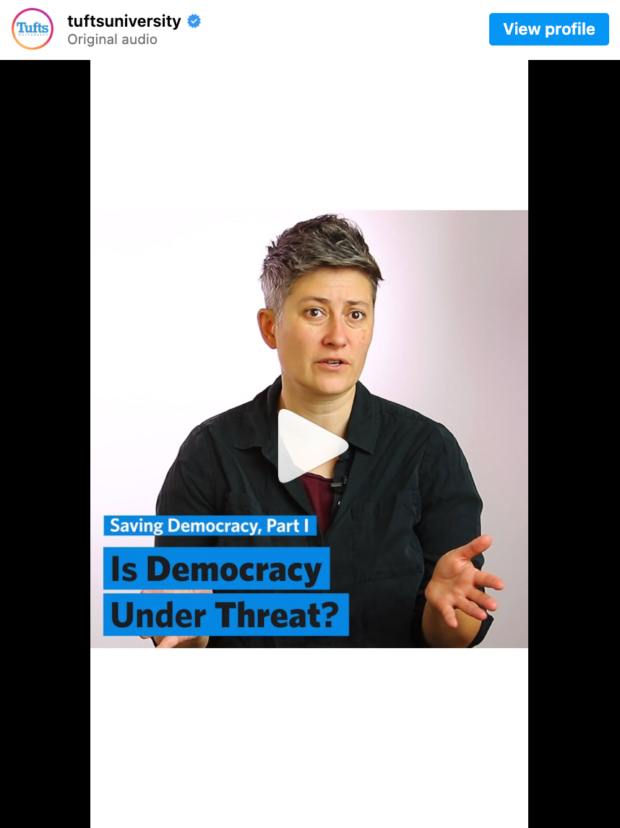
Beyond recruitment, social media serves as a powerful conduit for communicating an institution’s mission, core values, and the culture it actively fosters. In an era where students increasingly evaluate institutions based on alignment with their personal values, a transparent and consistent online narrative is crucial. This can be as straightforward as highlighting the individuals and initiatives that embody these values. Tufts University, for example, demonstrated its commitment to democratic principles through a video series featuring faculty voices, showcasing intellectual engagement and thought leadership. Such initiatives resonate deeply, reinforcing the institution’s identity and attracting like-minded individuals.
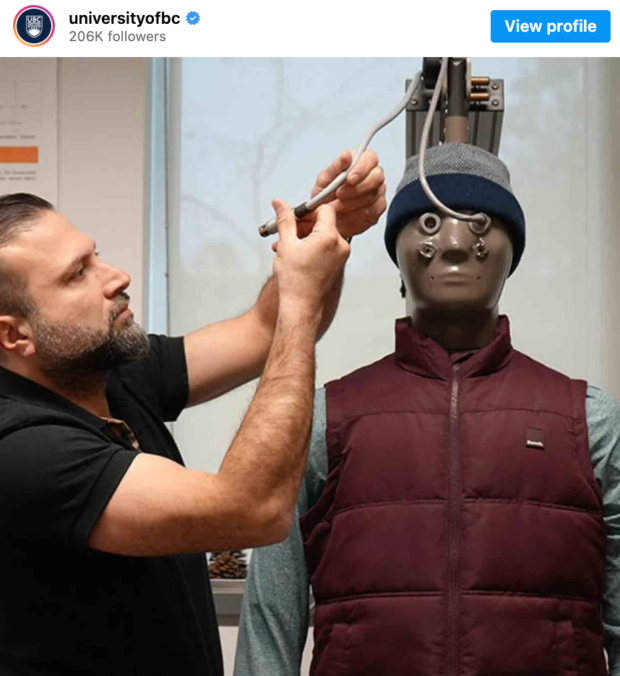
Furthermore, social platforms provide an unparalleled opportunity to promote academic, athletic, and community achievements. This is not merely about self-promotion but about building and reinforcing brand reputation, inspiring pride among current students and alumni, and attracting external support. Sharing breakthroughs in sustainability efforts, community outreach projects, or groundbreaking research, such as the University of British Columbia’s partnership with Lululemon to showcase innovative fabric research, elevates the institution’s profile. These narratives provide stakeholders with reasons to support and celebrate the university, simultaneously boosting online engagement and fostering a sense of collective accomplishment.
Cultivating Alumni Networks and Boosting Fundraising Efforts
Alumni represent a vital resource for higher education institutions, serving as mentors, advocates, and a significant source of fundraising. Social media has revolutionized alumni engagement, making it easier than ever to maintain connections long after graduation. Many universities establish dedicated alumni groups on platforms like Facebook or LinkedIn, facilitating networking and fostering a continued sense of belonging.
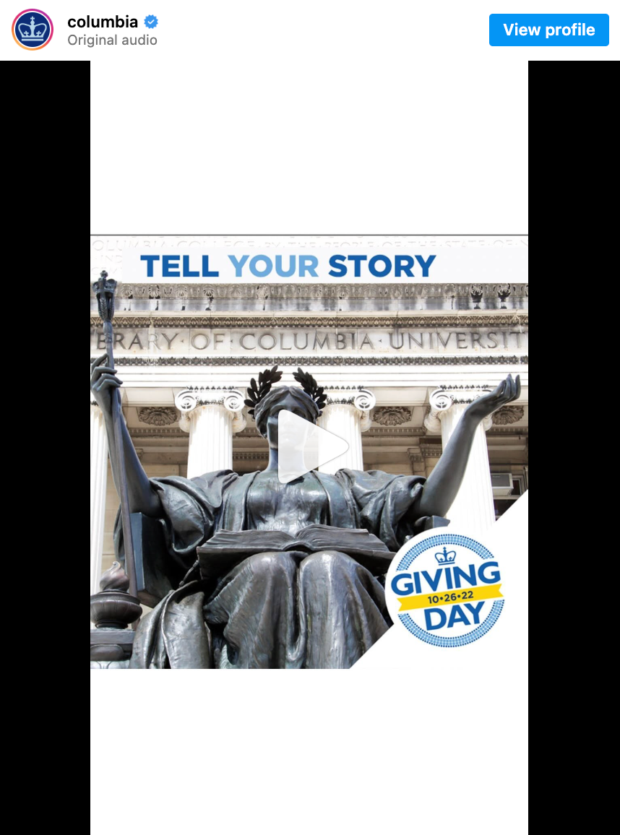
These platforms are also highly effective for fundraising campaigns. Columbia University’s annual Giving Day campaign, for example, leverages social media to solicit donations and publicize events, transforming alumni, students, staff, and faculty into active advocates. Integrating social fundraising campaigns with CRM systems allows institutions to track donations, measure ROI, and optimize future outreach, with studies indicating that social media can contribute to a 20-30% increase in participation rates for annual giving campaigns when effectively managed. Advocacy tools further amplify these efforts, ensuring that fundraising messages reach a broader audience through trusted personal networks.
Harnessing User-Generated Content and Enabling New Learning Paradigms
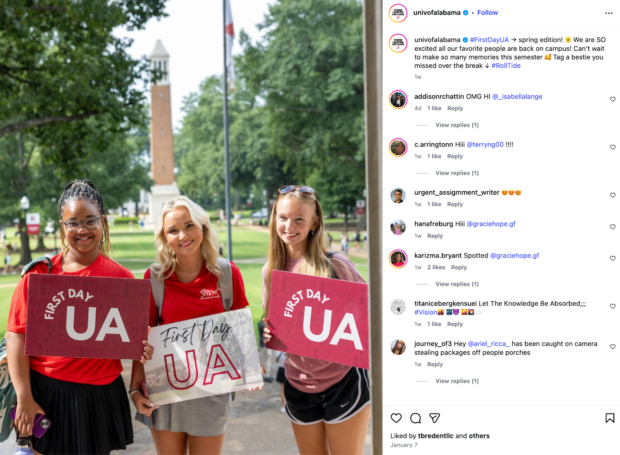
Today’s campuses are teeming with “digital natives” who are constantly creating content across various platforms. This rich ecosystem of user-generated content (UGC) presents an invaluable resource for institutions. By encouraging students to share their experiences through dedicated hashtags, such as the University of Alabama’s #FirstDayUA, universities can tap into authentic narratives that resonate far more powerfully than curated institutional posts. Reposting the best of this content, with proper attribution, not only enriches official channels but also fosters a sense of community and validation among students. Social media contests offering university-branded merchandise further incentivize sharing, creating a virtuous cycle of organic promotion.
Beyond marketing and community building, social media offers novel learning opportunities. While a secondary benefit, its potential to enhance critical thinking, media literacy, and digital communication skills is significant. Instructors can integrate platforms into assignments, using shared hashtags for topic discussions or private groups for collaborative projects. Libraries, like the A. Holly Patterson Library at Nassau Community College, offer resources to help faculty incorporate social media into their curricula, emphasizing information literacy and the discernment of credible sources. By thoughtfully integrating social media, institutions can equip students with essential real-world skills, transforming digital spaces into dynamic extensions of the classroom.
Responding to Changing Student Digital Expectations in 2026
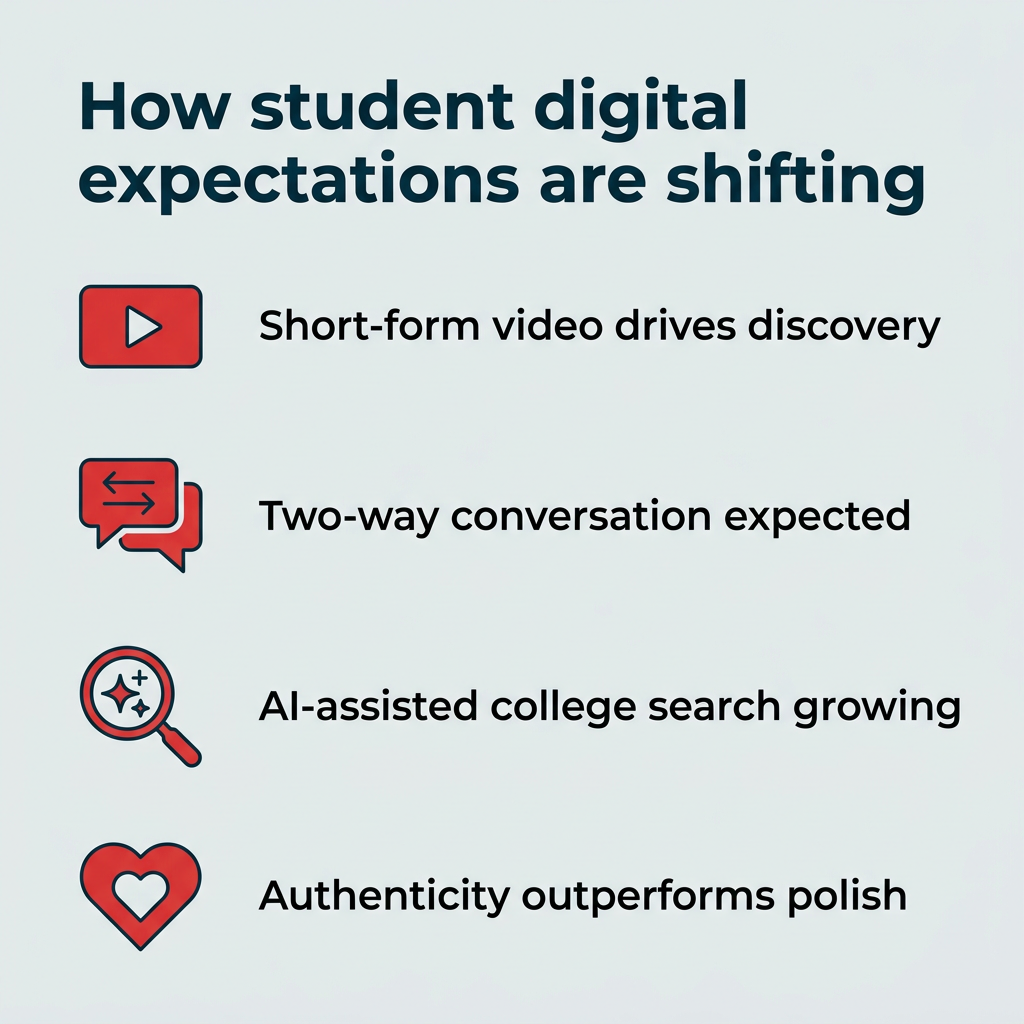
Student digital expectations continue to evolve rapidly, primarily driven by the preferences of Gen Z and Gen Alpha. Short-form video has emerged as the dominant format for content discovery, and these generations expect two-way conversations rather than one-sided broadcasting. Prospective students now frequently turn to social platforms and increasingly AI-powered search engines before visiting official university websites. Polished, top-down institutional content often falls flat, while authentic, student-led storytelling garners attention and builds trust. The key shifts include a demand for immediacy, transparency, and interactive experiences. Understanding these evolving expectations is paramount for institutions to effectively allocate their digital resources and tailor their content strategies.
Strategic Platform Selection: Matching Message to Medium
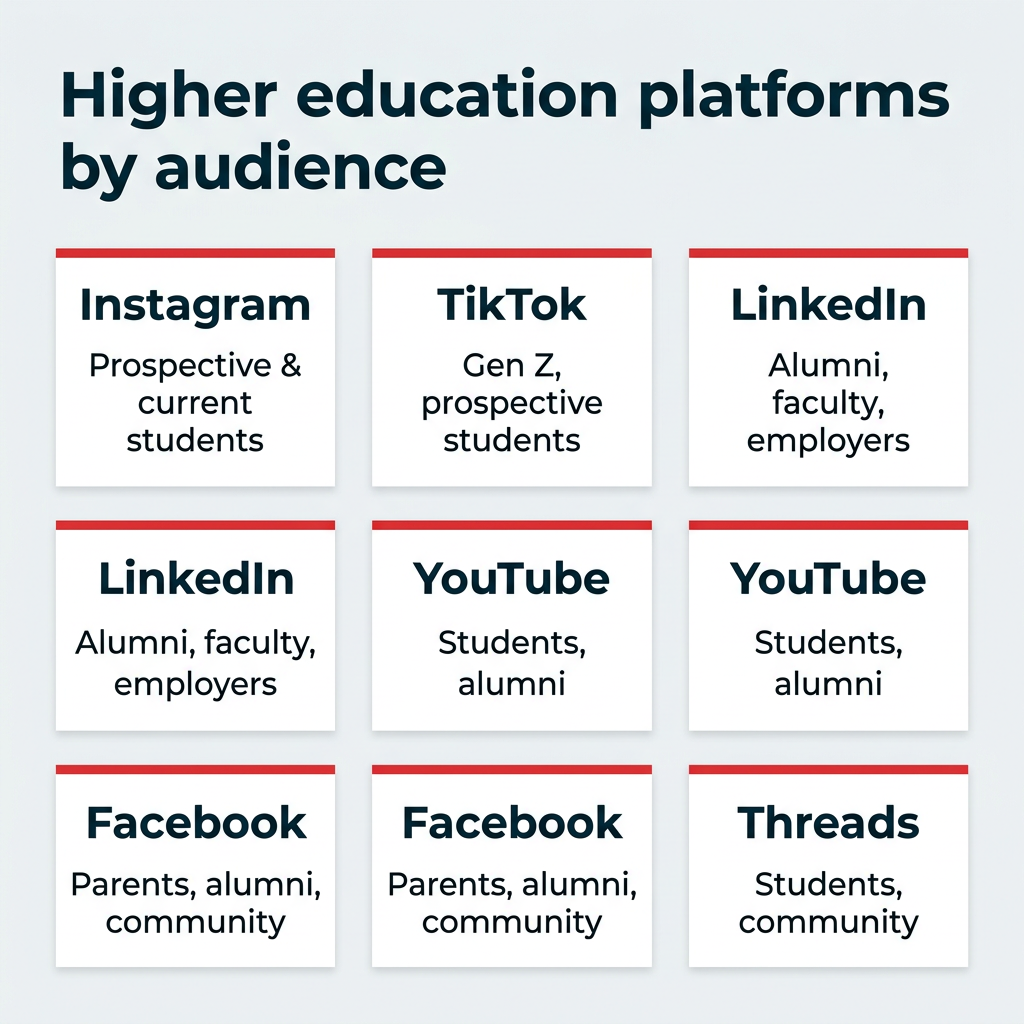
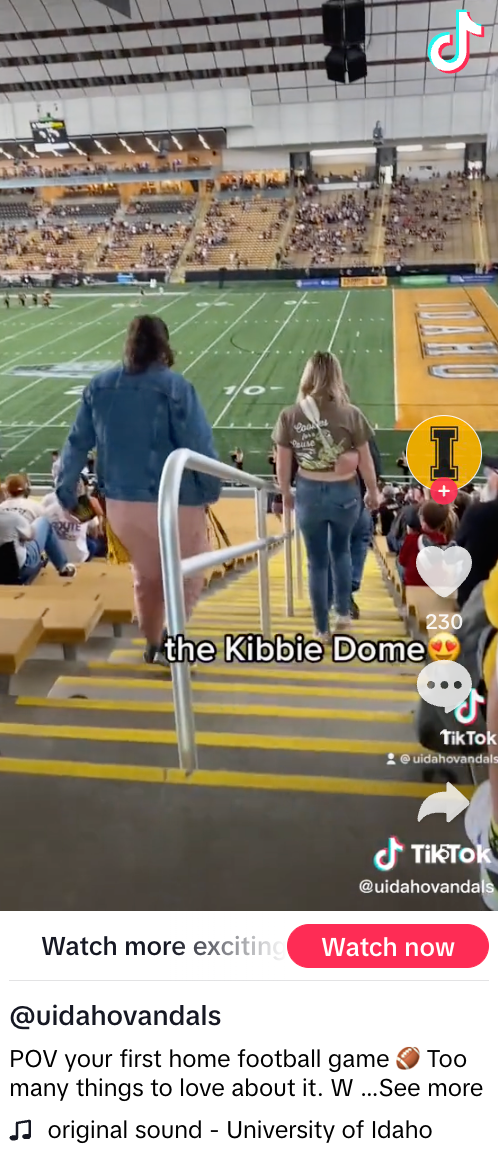
Effective social media engagement in higher education necessitates a nuanced understanding of platform demographics and use cases. There is no universal “best” platform; instead, strategies must be tailored to specific audiences and objectives. For instance, TikTok, with its short-form video and algorithmic discovery, is highly effective for engaging Gen Z prospective students and showcasing dynamic campus life, as exemplified by the University of Miami’s vibrant TikTok presence. Conversely, Facebook remains crucial for reaching parents and alumni, with 88-89% of Gen X and Boomers actively using the platform, making it ideal for community groups and event updates.
LinkedIn is invaluable for connecting with alumni, faculty, employers, and adult learners, promoting employer branding, research, and professional programs. YouTube serves as an excellent repository for virtual tours, lectures, and commencement ceremonies, appealing to prospective students, parents, and alumni alike. Instagram excels with Reels, Stories, and carousels for showcasing campus life and events to current and prospective students. Newer platforms like Threads are emerging as spaces for real-time conversation and community updates, particularly among student populations. Regularly monitoring platform and demographic trends is critical to ensure resources are focused on channels that yield the most impactful results.
Best Practices for Maximizing Social Media Impact
To truly leverage social media, higher education institutions must adopt a comprehensive and integrated strategy:
-
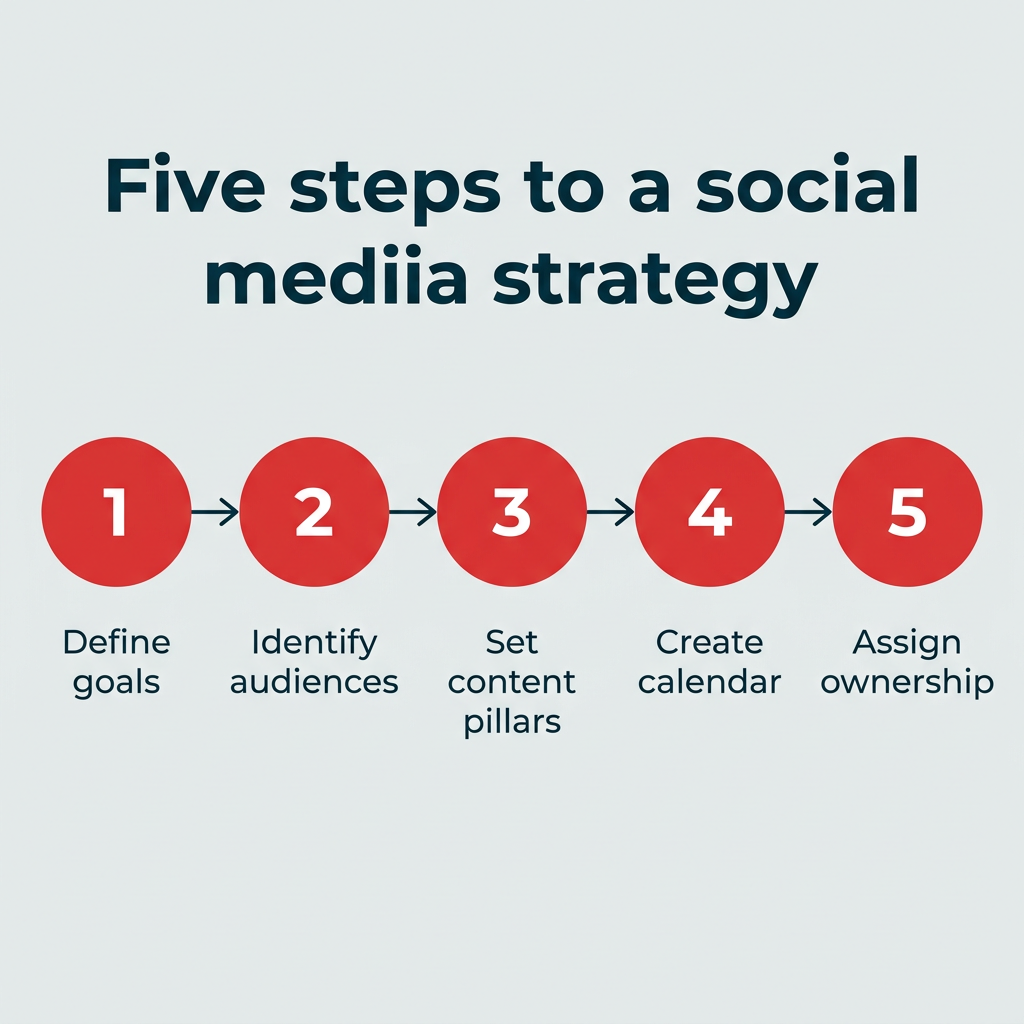
Develop a Robust Social Media Strategy: A successful strategy begins with clearly defined goals, audience identification, content pillars, and resource allocation. Each department’s social media efforts should align with the overarching institutional objectives, creating a unified approach that demonstrates clear business value and optimizes resource deployment.
-
Establish Clear Guidelines and Policies: With multiple stakeholders managing various accounts, comprehensive social media guidelines are essential. These policies should cover brand voice, crisis communication protocols, legal and compliance requirements, content approval workflows, and distinctions between personal and institutional accounts. Such structure empowers teams while ensuring brand consistency and mitigating risks.
-
Prioritize Direct Engagement with Prospective Students: Content should be designed to help prospective students envision their future on campus. This includes “day-in-the-life” Reels, interactive virtual tours, live Q&A sessions with student ambassadors, and content timed to key admissions milestones. Authenticity consistently outperforms overly polished marketing materials.

-
Implement Social Listening: Beyond broadcasting, social media is a powerful listening tool. Monitoring key accounts, hashtags, and keywords allows institutions to gauge campus sentiment, identify emerging issues (from cafeteria complaints to significant student concerns), and optimize content strategies. Tools like Hootsuite Lumen can provide crucial insights into trends and sentiment.
-
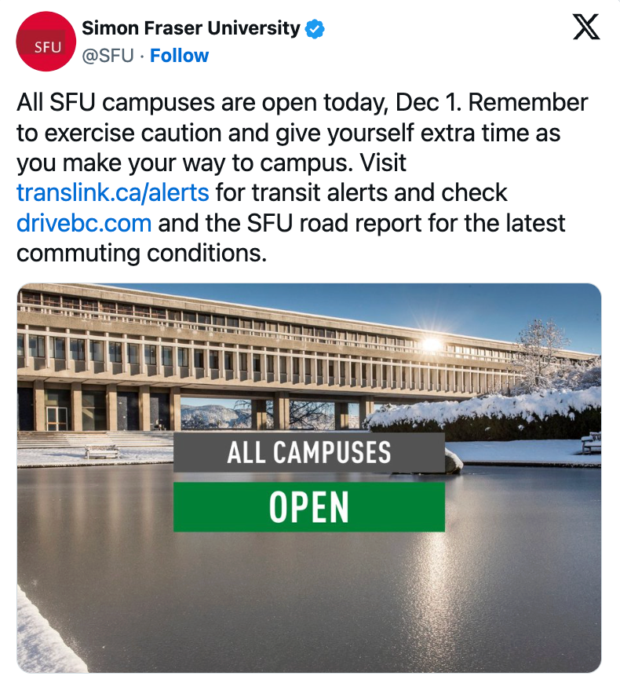
Provide Real-Time Updates and Crisis Communication: Social media is a primary source for immediate information. Institutions must integrate social platforms into their crisis communication plans, preparing for scenarios ranging from campus safety alerts to severe weather events, as demonstrated by Simon Fraser University’s timely snow day updates. A unified publishing tool ensures consistent messaging across all channels during critical moments.
-
Streamline Social Media Operations: Managing numerous departmental and specialized accounts across a university can be complex. A centralized social media management platform, such as Hootsuite Social OS, allows a core team to oversee all channels, manage publishing schedules, coordinate content, and enforce governance and approval workflows, ensuring brand consistency and operational efficiency.
-
Cultivate Responsive Engagement: Responding promptly and thoughtfully to messages from prospective students, current students, and alumni is vital for building trust and enhancing the overall student experience. A unified inbox, supported by customer care applications like Hootsuite’s Nest, ensures no message goes unanswered, enabling faster and more confident responses, aided by automations and AI-assisted features.

-
Engage Students On and Off Campus: Social media groups can create inclusive communities for students, regardless of their physical location. Institutions like the University of Chicago use platforms to connect students with civic engagement and activism opportunities, fostering a sense of belonging and participation for diverse student populations.
-
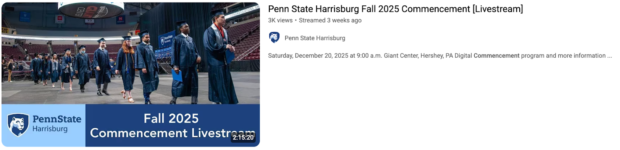
Leverage Livestreaming for Campus Events: Livestreaming offers an authentic and engaging way to share campus events with a wider audience, from commencement ceremonies (like Penn State’s YouTube livestreams) to athletic competitions and academic lectures. It’s a simple yet powerful method to extend the reach of campus life.
-
Utilize Social Media as a Community Hub: Instead of costly custom portals, institutions can leverage existing social platforms as digital gathering spaces for feedback, discussions, and event promotion. This includes dedicated groups for student organizations, academic departments, and alumni networks, fostering a dynamic and accessible community environment.
-
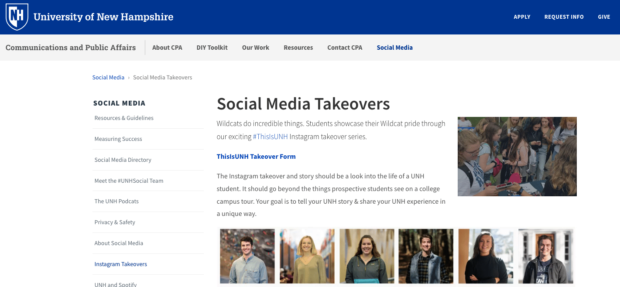
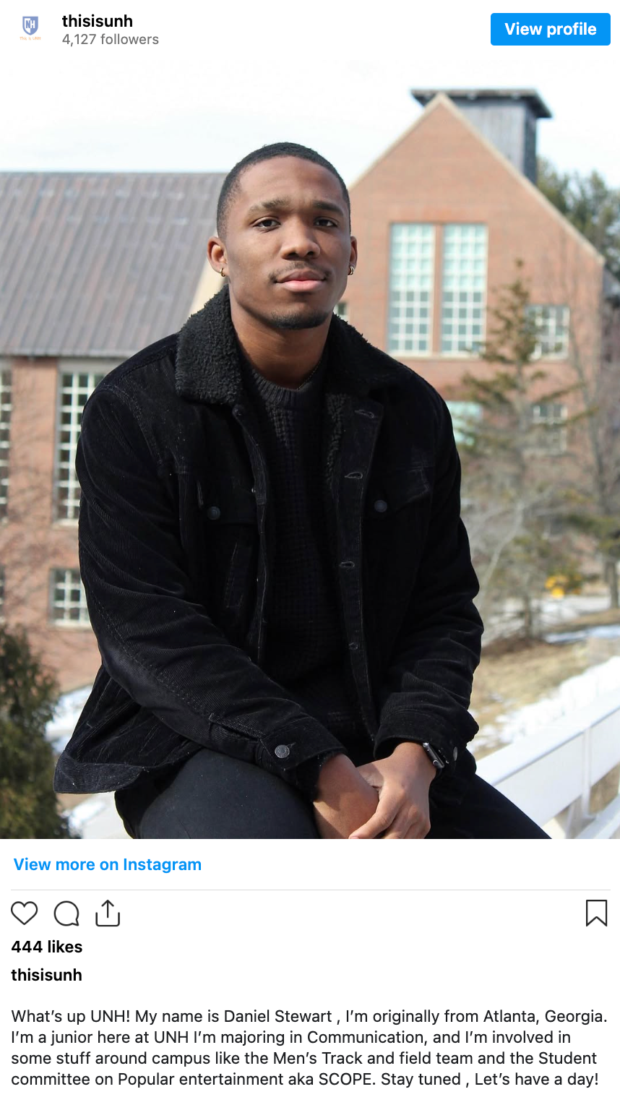
Empower Students and Staff to Create Content: Fostering a culture of co-creation, where students and faculty are invited to contribute content, significantly amplifies an institution’s reach and authenticity. Programs like the University of New Hampshire’s student takeover initiative offer genuine, behind-the-scenes glimpses of campus life that resonate strongly with target audiences. Tools like Hootsuite Parliament facilitate scalable ambassador programs, ensuring brand consistency while allowing individual voices to shine.
-
Forge Cross-Departmental Partnerships: Social media management in higher education is a collaborative effort. Strategic alliances with various departments—admissions, athletics, student life, academic faculties—provide access to diverse information and resources, enabling a holistic and consistent institutional narrative. Centralized management platforms streamline this collaboration, preventing siloed efforts.
-
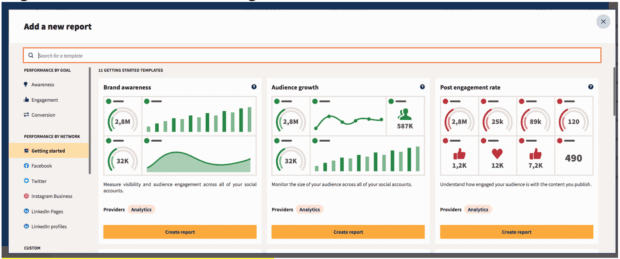
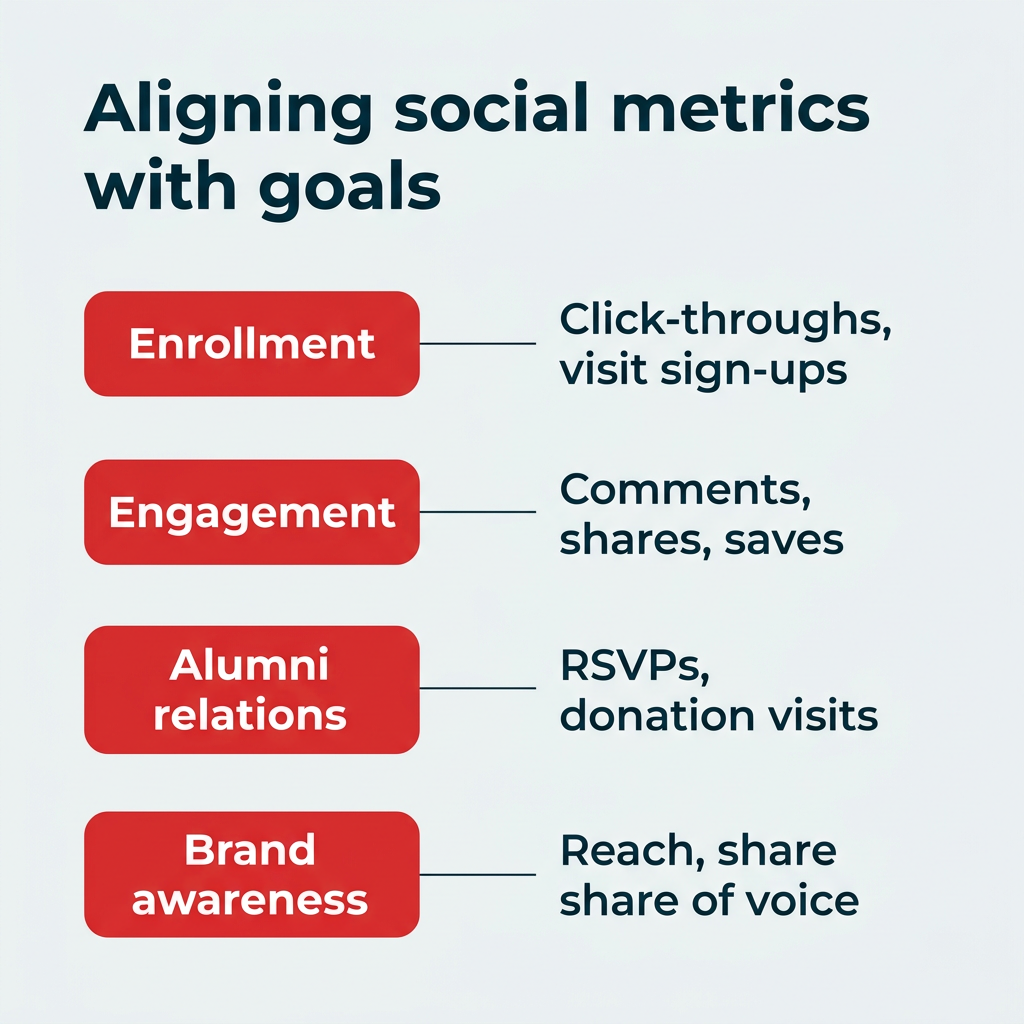
Review Analytics and Demonstrate ROI: Measuring social media success requires tracking metrics directly tied to institutional goals. For enrollment, this means application click-throughs and campus visit sign-ups. For engagement, it includes comments, shares, and saves. For alumni relations, event RSVPs and donation page visits are key. Analyzing reach, share of voice, and sentiment against education sector benchmarks provides data-driven insights, allowing institutions to prove the tangible ROI of their social media investments to leadership through platforms like Hootsuite Analytics.
-
Build Employee and Student Advocacy Programs: Transforming the campus community into brand ambassadors is a potent strategy. Employee and student advocacy programs empower trusted voices to share approved, on-brand content, consistently outperforming institutional accounts in reach and engagement. Platforms designed for advocacy, such as Hootsuite Parliament, simplify content distribution and track the impact of these amplified messages, ensuring authentic voices extend the institution’s influence.
Conclusion: The Future of Higher Education is Social
In 2026, the strategic use of social media is not merely an optional add-on for higher education institutions; it is a fundamental pillar of their operational and engagement strategies. The best practices emphasize authenticity, robust governance, and measurable outcomes, ensuring that every digital interaction contributes to institutional goals. From increasing enrollment and fostering vibrant communities to enabling dynamic learning and securing crucial fundraising, social media has irrevocably reshaped the academic landscape. Institutions that thoughtfully integrate these platforms into their core strategies will not only attract the next generation of learners but also build enduring connections with their entire ecosystem, solidifying their relevance and impact in an ever-evolving digital world.