The landscape of search engine optimization (SEO) has undergone a profound transformation, moving far beyond the rudimentary keyword matching that characterized Google’s early days. What began as a simple algorithm designed to index web pages and return results based on the literal presence of search terms has evolved into a sophisticated, AI-driven system that prioritizes user intent, contextual understanding, and, critically, content quality. This paradigm shift necessitates a re-evaluation of traditional content strategies, urging publishers to align their efforts with Google’s increasingly human-like discernment, encapsulated in the E-E-A-T framework.
From Keywords to Semantic Understanding: A Brief History of Google’s Evolution
In its nascent stages, Google’s search engine operated on a relatively straightforward premise: identify keywords in a user’s query and match them against keywords found within web documents. This foundational approach gave birth to the practice of “keyword research and optimization,” a methodology that, surprisingly, remains a primary focus for many content creators even today. However, this method is largely antiquated in the face of Google’s advancements.
The journey away from simple keyword matching began in earnest with significant algorithm updates. Google’s Hummingbird update in 2013 marked a pivotal moment, introducing semantic search capabilities that allowed the engine to understand the meaning behind queries rather than just the individual words. This was further bolstered by RankBrain in 2015, an AI system that helped Google interpret ambiguous queries and improve the relevance of search results. Subsequent advancements, such as the BERT update in 2019 and the Multitask Unified Model (MUM) introduced in 2021, have further refined Google’s ability to comprehend complex language, cross-reference information, and provide more comprehensive and nuanced answers to user queries, even those expressed in natural language. These developments highlight a clear trajectory: Google is striving to understand content much like a human would, prioritizing context, intent, and ultimately, quality.
The Genesis and Definition of E-E-A-T
The challenge for Google has always been to program machines to recognize “high-quality” content, a concept inherently subjective and variable depending on the searcher’s needs. To address this, Google developed the E-E-A-T framework, a set of guidelines used by human quality raters to assess the value and reliability of web pages. These raters, a global team exceeding 10,000 individuals, manually evaluate search results and provide feedback that helps train Google’s algorithms.
E-E-A-T stands for Experience, Expertise, Authoritativeness, and Trustworthiness. This acronym, prominently featured in Google’s extensive “Search Quality Raters’ Guidelines,” emphasizes the importance of both the website and the content creator. The concept of E-A-T (Expertise, Authoritativeness, Trustworthiness) has existed for many years, with the “Experience” component added later to underscore the value of first-hand knowledge and practical application.
- Experience: Does the content creator have direct, first-hand experience with the topic? This is particularly vital for product reviews, travel guides, or personal testimonials.
- Expertise: Does the content creator possess the necessary knowledge and skills in the subject matter? This could be formal qualifications (e.g., a doctor for medical advice) or demonstrated proficiency over time.
- Authoritativeness: Is the content creator or website recognized as a go-to source or respected voice within their industry or niche? This relates to reputation and how others perceive the entity.
- Trustworthiness: Is the content accurate, honest, safe, and reliable? This is arguably the most crucial component, encompassing factual correctness, transparency, and a lack of misleading information.
It is crucial to note that E-E-A-T signals are not uniformly applied across all content types. Their importance is significantly amplified for “Your Money or Your Life” (YMYL) topics – subjects where inaccurate or misleading information could directly impact a user’s health, financial stability, or safety. These include, but are not limited to:
- Medical, Health, and Science-Related Topics: Content must demonstrate expertise from qualified professionals (doctors, scientists) and be supported by scientific publications or official health organizations.
- Financial and Legal Advice: Requires professional sources such as certified accountants, lawyers, or official regulatory bodies.
- News Reporting: Demands accurate factual reporting and expertise from experienced, reputable journalists.
- Civic Information (Voting, Legislation, Public Policy): Should primarily cite official government sources.
- Topics Related to Children: Content, especially advice, must originate from highly reliable and trustworthy sources.
- Product Reviews: Benefits immensely from the reviewer’s first-hand experience with the product, coupled with transparent methodology for evaluating third-party reviews.
Conversely, a website might exhibit high E-E-A-T for one topic but not another. For instance, a renowned chef’s blog would possess high E-E-A-T for culinary content but low E-E-A-T for, say, quantum physics. Furthermore, a lack of widespread reputation does not automatically equate to low E-E-A-T; many smaller websites or individual creators can produce high-quality, experienced-based content that is highly valuable, particularly when first-hand experience is paramount.
Strategies for Elevating Content E-E-A-T in the Modern Era
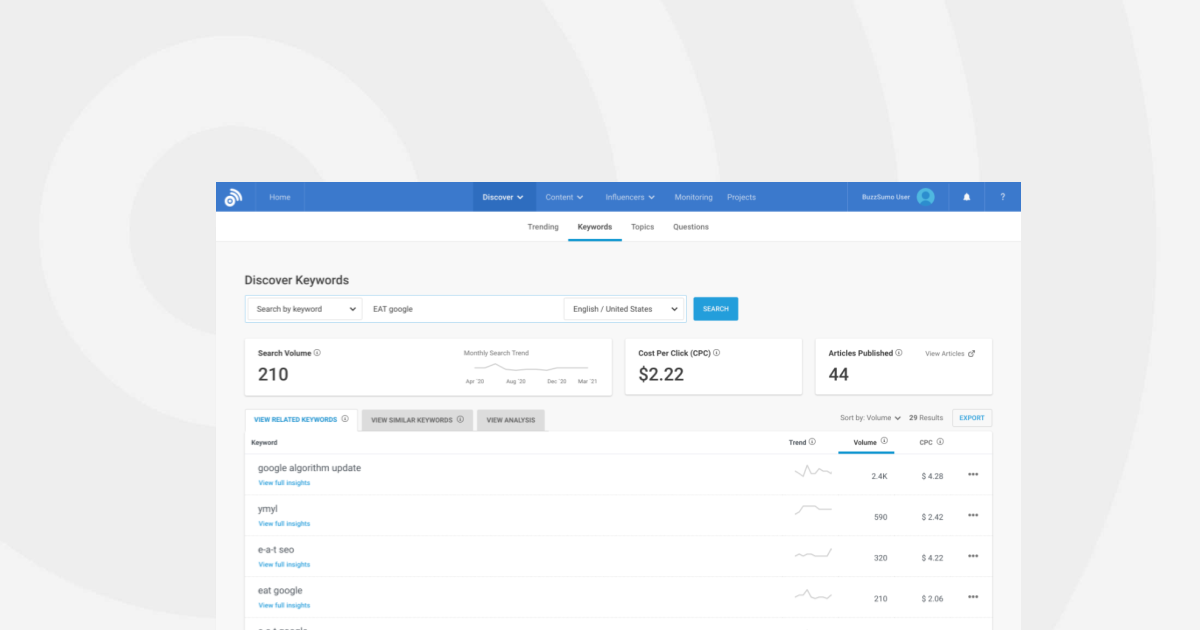
The era of “gaming” search engines through manipulative tactics like keyword stuffing is unequivocally over. To achieve meaningful visibility and ranking on Google, content creators must adopt a customer-centric approach, meticulously crafting content that satisfies user intent and demonstrates genuine E-E-A-T. This involves a strategic shift from merely optimizing for algorithms to creating truly valuable resources for human audiences.
1. Learning from Exemplary Content
Understanding what constitutes “quality” in your niche is the first step. This involves analyzing content that consistently performs well in terms of engagement, backlinks, and sustained visibility.
- Engagement Metrics: Examine content that garners significant social shares, comments, and other forms of user interaction. This indicates resonance with the target audience. Tools exist that can analyze content performance across various social platforms, identifying topics and headlines that drive maximum engagement.
- Backlink Profiles: Investigate articles that attract numerous high-quality backlinks from reputable sources. Backlinks are a strong signal of authoritativeness and trust, as they represent endorsements from other websites.
- Evergreen Visibility: Prioritize content that maintains high levels of engagement and search visibility over extended periods after publication. This suggests that the content addresses enduring user needs and remains relevant.
- Search Engine Results Page (SERP) Analysis: Directly analyze the top-ranking content for your target keywords and topics. Observe their structure, depth, sources, and overall presentation to identify common characteristics of successful content. By extracting learnings from these high-performing pieces, content creators can refine their own strategies.
2. Cultivating Authority and Credibility
Google actively encourages its quality raters to investigate the background of content authors and websites to ascertain their topical authority. While not always a strict prerequisite for good ratings, demonstrated expertise and authoritativeness are significant advantages. Building a niche authority is a long-term endeavor but yields substantial benefits, including improved rankings for associated content.
- Demonstrate Expertise: Clearly present author credentials, professional experience, and relevant qualifications. This could involve an “About the Author” section, linking to professional profiles (e.g., LinkedIn), or showcasing certifications.
- Secure External Validation: Actively seek opportunities for interviews, podcasts, guest posts, and mentions in reputable industry publications. Being featured alongside other established authorities reinforces your credibility.
- Structured Data (Schema Markup): Implement Organization and Author schema markup on your website. This structured data provides Google with explicit information about your brand and the individuals behind your content, making it easier for search engines to connect your identity and expertise across the web. Resources like schema generators and guides for adding author information to content management systems are invaluable.
- Consolidate Online Presence: Utilize platforms that allow you to create a unified branded page listing all your online channels and contributions. This helps Google connect disparate pieces of your online identity.
- Consistent Bylines and Bios: Ensure that all your content bylines and social media bios clearly state your expertise, role, and any relevant achievements.
3. Embracing a Topic-Centric Content Strategy
Given Google’s emphasis on understanding topics and entities over isolated keywords, a topic-centric approach to content planning is paramount. This involves moving beyond individual keyword optimization to creating comprehensive “topic clusters.”
- Pillar Content: Identify broad, overarching topics relevant to your audience. These become your “pillar content” – comprehensive guides or resources that cover a subject extensively.
- Cluster Content: Develop numerous supporting articles (“cluster content”) that delve into specific sub-topics related to your pillar content. These cluster articles should link back to the main pillar page and to each other, creating a robust internal linking structure that demonstrates topical depth and interconnectedness.
- Topic Research Tools: Utilize topic explorer tools to uncover thousands of popular associated topics around a core keyword. This provides insights into what customers truly want to read and helps prioritize content creation efforts. For example, a “Content Marketing” pillar might be supported by cluster articles on “Blogging,” “SEO Copywriting,” and “Email Marketing Strategy.” This structured approach not only satisfies user intent but also signals to Google that your site is a comprehensive authority on the broader subject. Case studies, such as SEO experts boosting traffic by 1,000% using this model, underscore its effectiveness.
4. Crafting a “Satisfying” Amount of Content
Google explicitly states that it seeks a “satisfying amount” of content, but this quantity is entirely dependent on the search intent, topic, and purpose of the page. There is no one-size-fits-all word count.
- Intent-Based Length: For simple, transactional queries, a concise answer might be sufficient. For complex topics requiring in-depth explanation or comprehensive guides, longer content is expected.
- Competitive Analysis: Analyze the content length of top-ranking pages for your target topics. Many content analysis tools provide data on average engagement broken down by content length, helping identify the optimal word count range for specific subjects. For instance, an analysis of “Social Media Marketing” articles might reveal that content between 3,000-10,000 words achieves the highest engagement, indicating a need for thorough, extensive guides in that niche. The goal is to provide enough information to fully address the user’s query without unnecessary fluff.
5. Building Strategic Relationships and Networks
The influence of E-E-A-T on rankings means that Google is increasingly attuned to the reputation and connections of your brand and content. Beyond simple backlinks, cultivating genuine relationships is critical.
- Identify Influential Voices: Actively seek out credible authors, journalists, and publications that cover your niche. Media databases and research tools can help identify these authoritative voices and their areas of interest.
- Strategic Outreach: Engage with these influential individuals by understanding their work, offering exclusive insights, or proposing relevant collaborations. The aim is to build rapport and trust, fostering relationships that can lead to organic mentions, shares, and partnerships. This “Mates First, Links Later” philosophy emphasizes genuine connection over transactional link-building.
- Entity Association: Even without direct links, Google’s advanced semantic understanding can recognize if your brand or content is regularly referenced alongside other influential “entities” (brands, people, organizations). This network of associations signals your own authority within the ecosystem.
6. Prioritizing Trusted Sources and Citations
Citing reputable sources is fundamental to demonstrating trustworthiness and expertise. It signals to Google that your content is well-researched, factual, and unbiased.
- Diverse and Official Sources: Make it a consistent practice to include a variety of sources. Prioritize official and primary sources for any data, statistics, or recommendations provided. For YMYL topics, this is non-negotiable.
- Strategic Linking: While linking out may direct users away from your site, it enhances credibility by offering readers diverse and verified information for further research.
- Advanced Search Techniques: When researching, utilize advanced search operators (e.g.,
site:.govorsite:.edu) to specifically find official government or academic sources, especially for sensitive topics like health or public policy. This practice not only strengthens your content but also sends a clear signal to Google about your commitment to accuracy and authoritative referencing.
The Future of Content Creation in an AI-Driven World
Google’s intelligence, powered by continuous advancements in AI and machine learning, is steadily approaching a human-like understanding of content quality and user intent. This ongoing evolution demands that SEOs and content marketers fundamentally shift their mindset: from optimizing for outdated algorithms to creating genuinely valuable, user-centric content. The emphasis is no longer on superficial keyword density or technical loopholes, but on demonstrating real-world experience, undeniable expertise, established authoritativeness, and unwavering trustworthiness.
The initial step for any organization is a comprehensive audit of its existing content strategy, asking critical questions about where E-E-A-T can be enhanced. Investing in tools that provide deep insights into content performance, audience engagement, and competitive landscapes can significantly aid this process, allowing creators to identify opportunities and refine their approach. As search engines become increasingly sophisticated, the most successful content strategies will be those that prioritize authenticity, value, and a profound understanding of the human behind the search query.