The landscape of consumer interaction has fundamentally shifted, rendering omnichannel marketing not merely an advantage but an essential strategy for businesses aiming to thrive in an increasingly connected world. By 2025, a striking 76% of average consumers owned four or more connected devices, a figure that underscores the pervasive digital presence in daily life. This proliferation of devices means customers fluidly transition between smartphones, tablets, desktops, and even smart home devices as they browse, research, and make purchases. Omnichannel marketing, at its core, is the strategic imperative to communicate with these customers across every available channel and device, ensuring a unified, consistent, and cohesive brand message.
Following the initial insights gleaned from the 2021 omnichannel e-commerce statistics report, 2026 trends unequivocally reinforce these findings, demonstrating that providing a consistent channel experience is no longer optional. Over 71% of consumers now explicitly expect this level of seamless interaction. These channels typically span digital touchpoints such as email (accessed via desktop and mobile), push notifications (delivered to both desktop and mobile devices), and SMS (primarily mobile). Beyond these core elements, an omnichannel strategy can extend to encompass social media platforms like Facebook and Google with retargeting ads, as well as live chat functionalities, all integrated across various devices. The overarching goal is to eliminate friction points and create a singular, integrated customer journey that reflects the brand’s identity and value proposition regardless of the interaction point.
Defining the Seamless Experience: Omnichannel vs. Multichannel
To fully appreciate the strategic significance of omnichannel marketing, it is crucial to distinguish it from its predecessor, multichannel marketing. While both approaches involve engaging customers across multiple platforms, their fundamental philosophies differ. Multichannel marketing simply offers various channels for customer interaction – a brand might have an email list, a social media presence, and a physical store. However, these channels often operate in silos, with little to no communication or data sharing between them. A customer’s interaction on social media might not inform their experience with email marketing, leading to disjointed messaging or repetitive requests for information.
Omnichannel marketing, conversely, is built on the principle of unification and integration. It meticulously connects key channels, including email, SMS campaigns, push notifications, social media, paid advertisements, and even physical retail stores. The paramount objective is to ensure that all communications across these diverse channels are fully aligned, providing a cohesive and continuous customer experience. This means that a customer’s journey, whether they discover a product on Instagram, research it via email, add it to a cart on a desktop, and complete the purchase on their mobile phone, feels like a single, uninterrupted conversation with the brand. The brand’s messaging, promotions, and customer service context are consistent, adapting to the customer’s chosen channel and previous interactions, thereby delivering the same information and brand promise irrespective of the platform.
The Evolution of Consumer Expectations: A Historical Context
The demand for omnichannel experiences is not a sudden phenomenon but the culmination of several evolutionary shifts in consumer behavior and technological advancement. In the early days of e-commerce, a website was often the sole digital touchpoint. As internet access became more widespread and mobile technology advanced, consumers gained access to information and shopping opportunities anytime, anywhere. Social media platforms transformed into discovery engines, review sites became crucial research tools, and mobile apps offered convenience on the go.
This proliferation of digital touchpoints meant that consumers no longer followed a linear path to purchase. Their journeys became fragmented, with interactions spanning multiple devices and platforms before a conversion. Early attempts by businesses to keep pace often resulted in a multichannel approach, where brands simply added new channels without integrating them. However, consumers, armed with more information and higher expectations, quickly became frustrated by inconsistent pricing, redundant promotions, or having to re-explain issues to different customer service representatives across channels. The rise of data analytics and increasingly sophisticated CRM systems then enabled brands to stitch these fragmented interactions together, paving the way for true omnichannel capabilities. This historical trajectory underscores the necessity of a unified strategy, as customer patience for disjointed experiences has dwindled significantly.
Unpacking Performance: Insights from Omnisend’s 2026 Report
The efficacy of omnichannel strategies is not merely anecdotal; it is powerfully substantiated by robust data. Omnisend’s comprehensive 2026 e-commerce marketing report, an in-depth analysis of over 150,000 brands, 27 billion emails, 321 million SMS messages, and 458 million push notifications conducted in 2025, provides compelling evidence of this shift. The findings highlight several key performance indicators demonstrating the superior results achieved through integrated approaches.
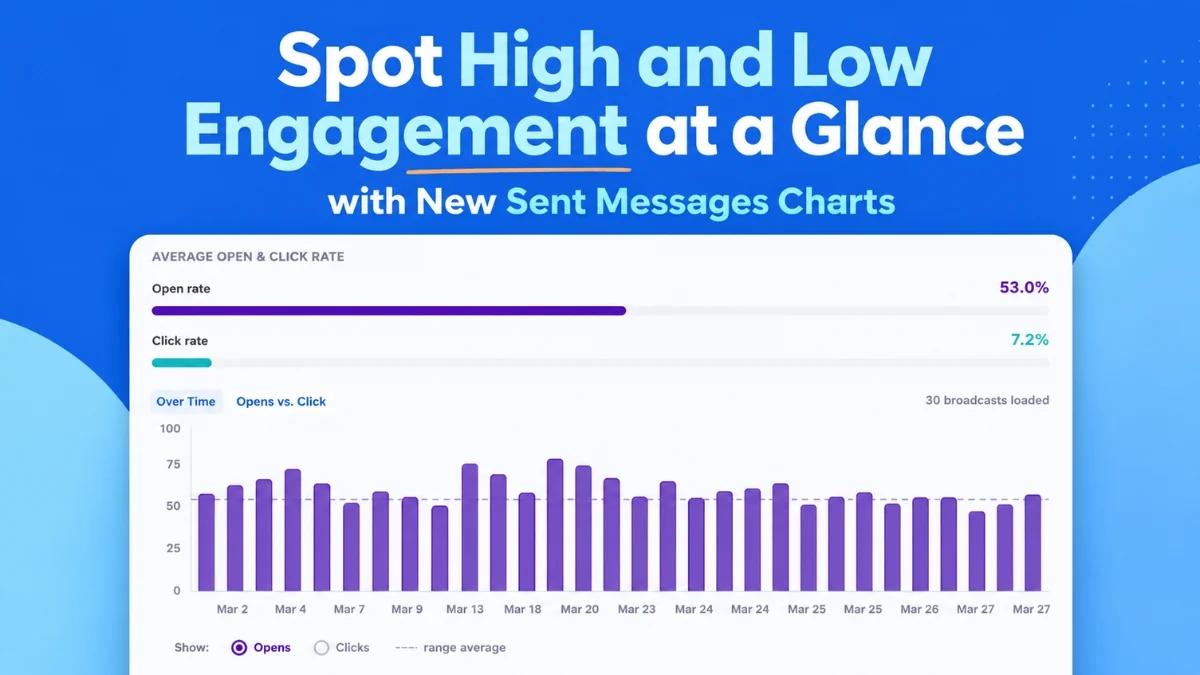
- Email’s Enduring Power: Despite the emergence of newer communication channels, email marketing continues to be a cornerstone of digital engagement. The report indicates a consistent growth in email open rates, climbing from 26.6% in 2024 to an impressive 30.7% in 2025. This five-year upward trend signifies email’s sustained relevance and effectiveness, especially when integrated within a broader omnichannel strategy where it can deliver personalized, detailed communications that complement shorter, more immediate messages on other channels.
- The Efficiency of Automation: Perhaps one of the most striking revelations is the disproportionate impact of automated messages. These messages, which include welcome series, abandoned cart reminders, and post-purchase follow-ups, accounted for a mere 2% of all emails sent but were responsible for generating a staggering 30% of total revenue. This remarkable efficiency means that automated messages earned 16 times more per email sent compared to scheduled promotional campaigns. This underscores the power of timely, relevant, and personalized communications triggered by customer behavior, significantly reducing manual effort while maximizing conversion potential.
- SMS and Push Notifications: Real-time Engagement Drivers: The report also spotlights the burgeoning influence of SMS and push notifications. Click-through rates for SMS messages more than doubled year over year, indicating their potency for urgent announcements, flash sales, or quick updates that demand immediate attention. Simultaneously, push automation conversion rates climbed to 22.9%, demonstrating their effectiveness in re-engaging users directly on their devices with minimal friction. These channels thrive on their immediacy and ability to cut through digital noise, making them invaluable for real-time customer engagement and driving swift actions.
- Quantifying Success: The Impressive ROI: For businesses, the ultimate measure of any marketing strategy is its return on investment (ROI). Omnisend customers experienced an average return of $79 for every dollar spent in 2025 across their combined email, SMS, and push notification efforts. This exceptional ROI not only validates the financial viability of integrated omnichannel marketing but also suggests that by strategically combining these channels, businesses can achieve unparalleled efficiency and profitability in their marketing expenditures. This figure is significantly higher than typical single-channel marketing ROIs, emphasizing the synergy created when channels work in concert.
Driving Sales and Revenue: The Integrated Advantage
The general e-commerce marketing benchmarks, including Omnisend’s research, paint a clear picture: there is an undeniable and accelerating shift from single-channel strategies to comprehensive omnichannel marketing. This transformation is driven by a straightforward fact: integrated customer experiences consistently lead to better conversion rates and significantly higher customer retention. When a customer receives a consistent brand message and a seamless journey across all touchpoints, their trust and confidence in the brand grow. This reduces friction in the buying process, making it easier for them to move from consideration to purchase.
For example, a customer who receives an abandoned cart email with a link to their exact cart, coupled with a gentle SMS reminder and a push notification about a limited-time discount on the item, is far more likely to complete their purchase than one who only receives a single, generic email. This multi-pronged, contextual approach addresses potential barriers to purchase from multiple angles, catering to different preferences for communication and urgency. Research by Accenture has consistently shown that brands providing highly personalized and integrated experiences see conversion rates up to 5 times higher than those that do not. Furthermore, businesses leveraging omnichannel strategies often report higher average order values (AOV), as customers feel more connected to the brand and are more receptive to cross-selling and up-selling opportunities presented contextually across channels.
Understanding the Modern Consumer Journey
Modern seller trends are almost entirely dictated by evolving shopper behavior, particularly with the ubiquitous adoption of online shopping. The purchasing journey for today’s consumer is rarely linear. It’s common for a customer to discover a product through an Instagram ad, then conduct extensive research on it via Google searches and review sites on a desktop, and finally make the purchase using a mobile app during their commute. This complex, multi-touchpoint journey underscores why a single-channel focus is increasingly detrimental to brands.
Today’s customers are more informed and empowered than ever before. They expect brands to recognize them across channels, remembering their preferences, past interactions, and browsing history. A lack of this recognition can lead to frustration and ultimately, a lost sale. For instance, if a customer contacts support via live chat about an issue they previously discussed via email, they expect the live chat agent to have access to that prior conversation. When brands fail to connect these dots, they risk alienating prospective audiences who perceive the brand as disorganized or indifferent to their individual needs. The data suggests that disjointed experiences are a significant driver of customer churn, with many consumers reporting they would switch brands after just one negative experience.
Fortifying Loyalty: Retention and Lifetime Value in the Omnichannel Era
Customer retention stands as one of the most critical metrics for sustainable business growth, and omnichannel marketing proves to be a powerful engine for driving it. When channels are utilized effectively and synergistically, customers are not only more likely to make repeat purchases but also to remain loyal to the brand over extended periods. Recent statistics illuminate this impact: brands employing an omnichannel strategy achieve a remarkable 30% higher lifetime return on investment (ROI) from omnichannel shoppers compared to those who engage through only a single channel. Furthermore, omnichannel marketing is associated with significantly higher customer retention rates, reportedly reaching 89%.
A particularly potent aspect contributing to enhanced customer retention and lifetime value is the strategic implementation of loyalty programs. Brands that design loyalty programs allowing customers to earn and redeem rewards across various channels—be it online, in-app, or in physical stores—witness participation rates that are 2.4 times higher. This flexibility not only makes loyalty programs more appealing but also reinforces the seamless brand experience, making customers feel valued and incentivized to continue their engagement across all touchpoints. Such integrated loyalty schemes build deeper relationships, transforming occasional shoppers into brand advocates who contribute disproportionately to a company’s long-term profitability.
Channel Synergy: A Deeper Look at Email, SMS, and Push
The strategic combination of SMS, push notifications, and email has become a focal point for many brands and service providers seeking to maximize engagement and conversion. This three-pronged communication approach centers on aligning the same core message, albeit adapted in format and urgency, across these distinct channels to create a powerful, reinforcing effect. Beyond Omnisend’s internal research, external data from various sources further supports the efficacy of this synergy.
Email, as highlighted earlier, remains a cornerstone for detailed communication. Industry averages for email open rates typically hover around 20-30%, confirming Omnisend’s findings, while click-through rates often range from 2-5%. Its strength lies in its ability to convey rich content, storytelling, and complex promotions. For instance, an email can introduce a new product line with high-quality images, detailed descriptions, and customer testimonials.
SMS, with its inherent immediacy, boasts significantly higher engagement rates. Industry reports frequently cite SMS open rates upwards of 98% and click-through rates as high as 10-15%. It’s an ideal channel for time-sensitive offers, order confirmations, shipping updates, and quick customer service responses. A flash sale announcement delivered via SMS can prompt immediate action, while an order delivery notification provides crucial, real-time information that enhances customer satisfaction.
Push notifications, though often more fleeting, are excellent for re-engagement and driving app usage or website revisits. Their typical click-through rates can range from 5-15%, depending on personalization and timing. They are particularly effective for abandoned cart reminders, price drop alerts, or updates on items a customer has viewed. When a customer browses a product on a desktop, then receives a push notification on their mobile about a limited stock, it acts as a powerful, personalized nudge.
The real power emerges when these channels are orchestrated. An initial email introducing a new collection can be followed by an SMS reminder about a launch discount, and then a push notification for those who viewed specific items but didn’t purchase. This layered approach ensures the message reaches the customer through their preferred channel at the most opportune moment, enhancing the likelihood of conversion and fostering a sense of continuous, relevant communication.
Demographic Imperatives: Engaging Gen Z and Beyond
While omnichannel retail statistics demonstrate significant benefits across major e-commerce metrics, understanding customer demographics is a crucial factor in strategy formulation. The profound shift towards mobile devices for online shopping, banking, research, and a myriad of daily activities is overwhelmingly driven by the younger generations, particularly Gen Z (born 1997-2012).
For starters, over 91% of Gen Z shoppers utilize mobile phones even when shopping in physical stores, employing them for price comparisons, product reviews, or accessing loyalty program benefits. This mobile-first mindset means that any omnichannel strategy must prioritize a seamless and intuitive mobile experience. Furthermore, Gen Z consumers are highly responsive to time-sensitive offers, with 90% motivated to shop by flash sales. This highlights the importance of immediate, concise messaging via channels like SMS and push notifications to capture their attention and drive quick conversions.
Beyond their digital integration, Gen Z also holds high expectations for reliable information and authentic brand interactions. Omnichannel customer service statistics reveal that a substantial 68% of Gen Z customers will opt not to purchase from brands perceived to have unreliable customer support. This underscores the need for customer service channels to be not only available across multiple platforms but also fully integrated, ensuring continuity of service and rapid, informed responses. Brands must provide consistent, transparent, and responsive support, whether through live chat, social media, or email, to build trust with this digitally native demographic. Similar trends, though perhaps less pronounced, are observed among Millennials, indicating that a mobile-first, personalized, and flexible shopping experience is becoming the baseline expectation across broader consumer segments.
Operationalizing Omnichannel: Challenges and Solutions
Implementing a truly effective omnichannel strategy, while yielding significant rewards, is not without its operational challenges. The primary hurdle often lies in data integration. For an omnichannel experience to be seamless, all customer data – from browsing history and purchase records to customer service interactions and loyalty points – must be consolidated and accessible across every touchpoint. This requires robust customer relationship management (CRM) systems, enterprise resource planning (ERP) platforms, and marketing automation tools that can communicate effectively with each other. Without a unified customer profile, delivering personalized and consistent experiences becomes impossible.
Another significant challenge is overcoming organizational silos. Traditionally, marketing, sales, and customer service departments might operate independently, each focusing on their specific metrics and channels. An omnichannel approach necessitates a paradigm shift, fostering cross-functional collaboration and shared goals. Training staff to understand and operate within an integrated framework is crucial. This includes equipping customer service agents with comprehensive tools to view a customer’s entire interaction history, empowering sales associates with real-time inventory data, and enabling marketing teams to orchestrate campaigns across diverse channels.
Technological complexity also plays a role. Businesses need to invest in a sophisticated tech stack that supports seamless integration, automation, and real-time data flow. This might involve adopting new platforms, developing custom APIs, or leveraging artificial intelligence (AI) for predictive analytics and hyper-personalization. While the initial investment in infrastructure and training can be substantial, the long-term benefits in terms of customer loyalty, retention, and increased revenue typically far outweigh these costs. Solutions often involve adopting modular platforms that can integrate with existing systems, leveraging cloud-based solutions for scalability, and partnering with technology providers specializing in omnichannel enablement.
The Future Landscape: AI, Personalization, and Beyond
The trajectory of omnichannel marketing points towards an even more sophisticated and personalized future, heavily influenced by advancements in artificial intelligence and machine learning. AI is already beginning to revolutionize omnichannel by enabling predictive analytics, allowing brands to anticipate customer needs and behaviors before they occur. This translates into hyper-personalized product recommendations, perfectly timed offers, and proactive customer service interventions across channels.
For example, AI-powered chatbots are becoming increasingly adept at handling routine customer inquiries, freeing up human agents for more complex issues, and providing instant, consistent support 24/7 across chat, social media, and messaging apps. Machine learning algorithms can analyze vast datasets of customer interactions to identify optimal communication channels, preferred content types, and even the best time of day to engage with individual customers, thereby maximizing the impact of every touchpoint.
The future also holds the promise of conversational commerce, where customers can complete entire purchase journeys through voice assistants or messaging apps, blurring the lines between communication and transaction. Augmented reality (AR) and virtual reality (VR) are set to further enhance the immersive shopping experience, allowing customers to try on clothes virtually or visualize furniture in their homes, with these experiences seamlessly integrated into the broader omnichannel journey. As technology continues to evolve, the definition of “channel” will broaden, and the imperative for brands to maintain a unified, intelligent, and adaptive presence across all touchpoints will only intensify.
Conclusion: The Undeniable Path Forward
Omnichannel marketing has unequivocally emerged as the most critical strategy for nearly all e-commerce brands on a global scale. Whether operating a small local boutique or a sprawling international webstore, establishing a robust and successful omnichannel strategy is one of the most reliable pathways to enhancing customer experience and, consequently, optimizing business operations and profitability.
The data consistently reinforces this imperative. A Capital One Shopping report highlights that retailers engaging customers across at least three or more channels witness an astounding 250% increase in consumer engagement compared to those relying on single-channel approaches. This dramatic surge in engagement directly correlates with higher conversion rates and stronger customer loyalty. The logic is compelling: the more avenues customers have to seamlessly reach, interact with, and receive consistent information from a brand, the greater their propensity to make a purchase and return for future transactions. The primary challenge remains in meticulously setting up and continuously refining this complex ecosystem to deliver maximum benefit to the business and its customers. In an era where consumer expectations for seamless, personalized interactions are at an all-time high, adopting a sophisticated omnichannel strategy is no longer a competitive advantage but a fundamental requirement for sustained success.
Frequently Asked Questions
What is omnichannel marketing?
Omnichannel marketing is a comprehensive marketing strategy that unifies and connects various customer touchpoints, including email, SMS, push notifications, social media, online stores, and physical retail locations. Its purpose is to create a fully aligned and seamless customer experience throughout every stage of the shopping journey, ensuring consistent messaging and context across all platforms.
How effective is omnichannel vs. single-channel marketing?
Omnichannel marketing is significantly more effective than single-channel marketing in maximizing audience reach, improving customer experience, and driving business results. While single-channel marketing focuses solely on optimizing a single platform, omnichannel integrates all channels to create a cohesive and continuous customer journey. This integration leads to higher engagement, better conversion rates, stronger customer retention, and a greater lifetime value from customers compared to single-channel approaches.
Do omnichannel customers spend more?
Yes, omnichannel customers consistently demonstrate higher spending patterns. Several customer experience statistics report that omnichannel customers bring more than 30% higher lifetime value compared to single-channel shoppers. This is attributed to the enhanced customer experience, increased loyalty, and more personalized engagement that encourages repeat purchases and higher average order values.
What percentage of shoppers are omnichannel?
While different research papers report varying numbers based on methodologies and definitions, the consensus indicates a significant majority. Generally, between 73% and 91% of shoppers are considered omnichannel. This broad range underscores the major shift in global e-commerce marketing trends and strategies, highlighting the widespread expectation among consumers for integrated and consistent brand interactions across all available channels.