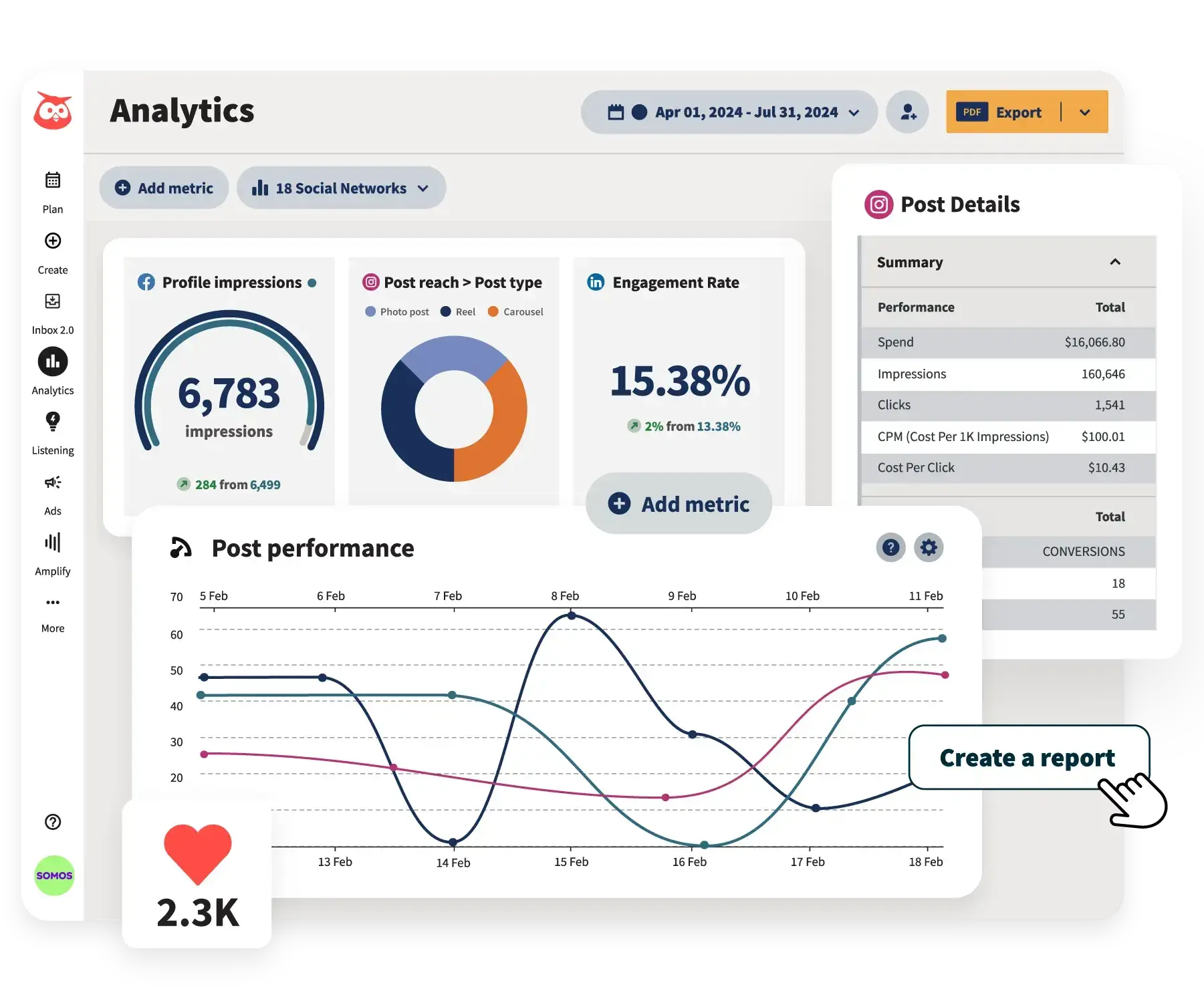
Recent data underscores a significant transformation in the marketing landscape, with an overwhelming 88% of marketers now leveraging artificial intelligence daily to inform their most critical decisions. This widespread adoption is not without cause; marketing automation, a key application of AI, has been empirically shown to generate 80% more leads and drive 77% higher conversion rates. As global ad spend is projected to surpass an astounding $1 trillion for the first time by 2026, the sheer volume of data involved in modern campaigns has rendered manual management impractical, even for the most seasoned marketing teams. The prevailing strategy is a decisive shift away from subjective “guesswork” towards sophisticated, integrated systems that efficiently manage complex tasks, thereby empowering marketers to concentrate on overarching strategy rather than technical minutiae. This article delves into the methodologies and technological solutions, including platforms like HubSpot, Optimizely, and AdStellar AI, that are accelerating campaign optimization through smarter, AI-driven workflows.
The Imperative of Optimization in Modern Marketing
The evolution of marketing from traditional print and broadcast to the dynamic, multi-channel digital ecosystem has made continuous optimization an indispensable practice. In an era characterized by intense competition and rapidly shifting consumer behaviors, a “set it and forget it” approach is a recipe for diminishing returns. Campaign optimization, at its core, is a data-driven, iterative process focused on refining marketing efforts—particularly digital advertisements—to enhance performance and maximize return on investment (ROI). It involves the meticulous monitoring of key performance indicators (KPIs) such as click-through rates (CTR), conversion rates, and cost per acquisition (CPA), ensuring that every marketing dollar is deployed with maximum efficiency and impact. This systematic approach allows businesses to adapt swiftly to market feedback, continuously improve campaign efficacy, and ultimately secure a sustainable competitive advantage.
A New Era of Marketing: The Rise of AI and Automation
The journey to the current state of AI-driven marketing has been incremental, mirroring the broader technological advancements of the past few decades. Initially, marketing relied heavily on demographic targeting and broad messaging. The advent of the internet and digital advertising platforms in the late 1990s and early 2000s ushered in the first wave of data-driven marketing, enabling basic tracking and targeting. The subsequent explosion of big data, social media, and mobile technology provided marketers with unprecedented insights into consumer behavior.
The last decade, however, has witnessed the true “algorithmic era” take hold, driven by significant leaps in machine learning and artificial intelligence. AI’s ability to process vast datasets, identify intricate patterns, and predict future outcomes has revolutionized how campaigns are planned, executed, and optimized. From automating ad placements and bidding strategies to personalizing content at scale and predicting customer churn, AI has become the bedrock of modern marketing efficiency. This shift frees human marketers from the laborious tasks of data analysis and repetitive content generation, allowing them to channel their creativity and strategic thinking into higher-value activities such as brand storytelling, innovative campaign design, and understanding complex market dynamics. The widespread adoption of AI tools is a direct response to the need for speed, precision, and scalability in a hyper-connected, data-rich environment.
Foundational Pillars: The Core Framework for Campaign Success
Effective marketing campaign optimization is built upon a structured, systematic framework that applies across virtually all channels. This framework can be distilled into three foundational pillars, each comprising essential steps for maximizing campaign performance.
Pillar 1: Strategic Blueprint and Data Alignment
The initial phase focuses on establishing a clear strategic direction informed by robust data analysis.
- Step 1: Set Clear Objectives. Defining specific, measurable, achievable, relevant, and time-bound (SMART) goals is paramount. Whether it’s increasing lead volume by 20% or boosting website traffic by 15%, these objectives serve as the campaign’s guiding principles and benchmarks for success.
- Step 2: Analyze Audience Data. A deep understanding of the target audience is crucial. This involves segmenting audiences based on demographics, psychographics, behaviors, and preferences. Advanced analytics can reveal nuanced insights, enabling the creation of highly personalized and relevant messaging that resonates deeply with specific buyer personas.
- Step 3: Review Performance Metrics. Learning from past endeavors is vital. Marketers must rigorously examine key indicators from previous campaigns, such as conversion rates, cost per acquisition, customer lifetime value (CLTV), and overall revenue impact. This historical data provides critical intelligence for informing future strategies and identifying areas for improvement.
Pillar 2: Execution and Experimentation
This pillar emphasizes the practical deployment of resources and the scientific method of testing.

- Step 4: Allocate Resources Wisely. Budget distribution across various channels must be strategic, based on historical performance data and projected returns. Dynamic budget allocation, often powered by AI, ensures that capital is channeled to the most effective touchpoints in real-time, optimizing spend for maximum impact.
- Step 5: Run A/B or Multivariate Tests. Experimentation is the engine of optimization. This involves rigorously testing variations of headlines, visuals, ad copy, calls-to-action (CTAs), and landing page elements to scientifically determine what truly resonates with the target audience and drives desired actions. Statistical significance is key to drawing valid conclusions.
- Step 6: Monitor in Real Time. Continuous vigilance is essential. Utilizing analytics dashboards, marketers can track campaign progress minute-by-minute, detecting anomalies or sudden shifts in performance quickly. This immediate oversight allows for rapid tactical adjustments, preventing wasted spend and capitalizing on emerging opportunities.
Pillar 3: Continuous Refinement and Impact Measurement
The final pillar closes the loop, focusing on agile adaptation and comprehensive evaluation.
- Step 7: Iterate Based on Insights. Campaign optimization is an ongoing journey. Data-driven adjustments to creative assets, targeting parameters, bidding strategies, and timing should be applied throughout the campaign’s lifecycle. This agile approach ensures that the strategy remains dynamic and responsive to evolving market conditions and audience feedback.
- Step 8: Measure Overall Impact. Upon campaign completion, a comprehensive comparison of final results against the initial objectives is critical. This holistic evaluation captures invaluable learnings, informing the strategic direction of all future campaigns and contributing to an accumulating body of institutional knowledge.
Optimizing Across the Customer Journey: Tailored Metrics for Every Stage
Effective marketing optimization demands a nuanced approach to metrics, recognizing that different stages of the customer journey require different evaluative levers. Applying a one-size-fits-all metric strategy leads to inefficiencies and wasted resources. Instead, a precise alignment between channel tactics and customer intent at each funnel stage is mandatory.
1. Awareness Stage (Top of Funnel – TOFU): Building Visibility and Initial Brand Spark
At this initial stage, the primary goal is broad exposure and generating initial interest. Optimization here focuses on maximizing reach and initial resonance.
- Social Media: Prioritizes cost-effective visibility through viral content, short-form videos (Reels, TikToks), and broad targeting.
- Key Metrics: Reach, Impressions, Video Views, Brand Mentions, Share of Voice (SOV), Cost Per Mille (CPM).
- Search (Paid/Organic): Targets intent-light discovery via broad keywords and informational queries.
- Key Metrics: Impressions, Click-Through Rate (CTR) for organic, Cost Per Click (CPC) for paid, Keyword Rankings.
- Email: Utilizes broad blasts or list-building tactics to establish initial brand recognition or re-awareness.
- Key Metrics: Open Rate, List Growth Rate, Bounce Rate (for deliverability).
- Display & Programmatic: Provides mass visual exposure for brand lift and general awareness.
- Key Metrics: Impressions, Viewability Rate, Brand Lift Surveys.
2. Consideration Stage (Middle of Funnel – MOFU): Nurturing Evaluation and Engagement
In the middle of the funnel, the strategy shifts towards fostering interaction, educating the prospect, and building trust.
- Social Media: Moves towards interactive content like stories, polls, educational posts, and community engagement.
- Key Metrics: Engagement Rate (likes, comments, shares), Click-Through Rate (CTR) to content, Lead Form Submissions.
- Search: Targets mid-funnel keywords (e.g., “best [product] reviews,” “[solution] vs. [competitor]”).
- Key Metrics: Click-Through Rate (CTR), Cost Per Lead (CPL), Marketing Qualified Leads (MQLs), Time on Page for content.
- Email: Employs nurture sequences designed to educate leads, offer valuable resources (e.g., whitepapers, webinars), and demonstrate expertise.
- Key Metrics: Click-Through Rate (CTR), Conversion Rate on content downloads, Email Sequence Completion Rate.
3. Conversion Stage (Bottom of Funnel – BOFU): Driving Action and Finalizing Sales
This is where marketing campaign efficiency is most tangible, with a strict focus on closing the deal.
- Social Media: Utilizes shoppable posts, high-urgency calls-to-action (CTAs), and retargeting ads for warm audiences.
- Key Metrics: Conversion Rate, Cost Per Acquisition (CPA), Return on Ad Spend (ROAS), Revenue Generated.
- Search: Captures high-intent searches (e.g., “[product name] buy,” “discount code for [service]”) to finalize the sale.
- Key Metrics: Conversion Rate, CPA, ROAS, Revenue Per Click.
- Email: Deploys promotional offers, cart abandonment flows, and direct sales messaging.
- Key Metrics: Conversion Rate from email, Revenue Per Email Sent, Cart Recovery Rate.
- Display: Executes final retargeting pushes to convert prospects who have shown high intent.
- Key Metrics: Retargeting Conversion Rate, CPA for retargeted segments.
4. Retention & Loyalty: Post-Purchase Growth and Advocacy
Beyond the initial sale, multi-channel efforts focus on fostering repeat purchases, customer loyalty, and advocacy.
- Key Metrics: Customer Lifetime Value (CLTV), Churn Rate, Repeat Purchase Rate, Net Promoter Score (NPS), Customer Satisfaction (CSAT), Upsell/Cross-sell Conversion Rate.
Real-World Impact: Case Studies in Digital Marketing Optimization
The principles of campaign optimization are best illustrated through real-world applications where strategic adjustments yielded significant results. Several marketing leaders have shared insights from their experiences, demonstrating the power of data-driven refinement.
Precision in Messaging: Aligning Ads with Landing Pages
A common challenge in digital advertising is a disconnect between compelling ad creatives and generic landing pages, leading to high click-through rates but stagnant conversion figures. Volodymyr Lebedenko, Head of Marketing at HostZealot, observed this issue within his team’s paid campaigns. “Multiple ads with different value propositions were all sending visitors to the same generic landing page,” Lebedenko explained. This “message mismatch” forced users to search for the specific information that piqued their interest, creating friction that drove potential leads away and resulted in elevated bounce rates and a higher cost per acquisition.
To rectify this, HostZealot restructured their campaigns into distinct intent clusters, ensuring each ad group corresponded to a specific buyer motivation. Crucially, they developed unique landing page variants that directly mirrored the promise made in the ad copy. For instance, an ad highlighting server location benefits would direct users to a page focused solely on latency advantages and regional infrastructure. Lebedenko noted that this “psychological alignment” was a key driver of success, as “visitors immediately saw the same narrative they clicked for.” Within a mere five weeks, this granular approach led to a 31% improvement in conversion rates and an 18% reduction in bounce rates, underscoring the critical importance of a cohesive user journey.
Targeting High-Urgency Moments: The Power of Timely Messaging
Another significant hurdle is capturing traffic too early in the research phase, even with high-intent keywords. Oleksii Sosnovenko, a digital marketing expert at Mobal, identified this when campaigns targeting general terms like “Japan eSIM” or “Japan SIM Card” yielded a modest 2.1% conversion rate. Despite the clear intent behind these searches, the timing was often misaligned with the user’s immediate need for connectivity, as many were planning trips months in advance.
Sosnovenko’s team pivoted their strategy from general product terms to focus on moments of “arrival anxiety”—the immediate need for connectivity upon landing. By targeting localized, high-urgency searches such as “SIM card for Japan on arrival” or “eSIM for Tokyo airport,” they connected with users precisely when their need became acute. This shift dramatically improved marketing campaign efficiency: the conversion rate soared to 11%, lead volume increased by 500%, and the cost per acquisition plummeted by 70%. This case vividly illustrates that narrowing the focus to the exact point where a consumer’s “need” transforms into “urgency” can profoundly impact conversion performance.
Segmenting by Customer Maturity: Tailored Communication for Better Engagement
Casting too wide a net with marketing messages often dilutes their impact. Dirk Alshuth, CMO of emma, a platform simplifying hybrid and multi-cloud environments, encountered this challenge when campaigns attracted significant traffic but generated frustratingly low demo requests. The core issue was a uniform messaging approach that failed to differentiate between cloud beginners and seasoned infrastructure teams.
To address this, emma segmented its campaigns based on customer maturity levels. One set of ads targeted nascent teams, emphasizing simplicity and cost control, while another addressed advanced users with messaging focused on automation and governance. Alshuth observed, “Messaging becomes much more effective when it matches where the customer is in their journey.” This tailored communication strategy led to a substantial increase in demo conversion rates, climbing from 3.5% to over 6% within a month, proving that relevance is a powerful catalyst for engagement.
Reducing Friction: Streamlining the Conversion Path
Friction in the conversion process, often in the form of overly complex forms, can significantly hinder lead generation. Dinu Negoi, CEO and co-founder of Brizy, a website builder, faced a stagnant 9% conversion rate for free-trial signups. The signup form demanded too much commitment too early, asking for extensive data before providing any value.
Brizy’s solution was to drastically simplify the form, stripping it down to bare essentials like email and password, and postponing secondary data collection until after the user had accessed the product. This adjustment recognized the fragility of lead momentum, which can be easily disrupted by unnecessary administrative tasks. Within weeks, the signup conversion rate surged from 9% to 14%, a 55% increase in trial users from the same traffic volume. This outcome powerfully demonstrates that removing obstacles is often more impactful than adding incentives, by making the entry point as effortless as possible.
Value-Focused CTAs: Clarity Drives Conversion
Generic calls-to-action can create a disconnect between user intent and promised outcomes, stalling conversions. Colleen Barry, Head of Marketing at Ketch, observed this with a high-value privacy compliance guide, where a strong organic and paid traffic generated only a 4% landing page conversion rate due to a vague “Download Now” CTA.
Ketch’s refinement strategy replaced the generic command with benefit-driven language. By changing the CTA to “Get the 2024 Privacy Compliance Checklist,” the team provided an immediate mental picture of the utility and specific gain for the user. This clarity was reinforced in both the button text and surrounding copy. Within three weeks, the conversion rate improved from 4% to 7.2%, nearly doubling lead generation without additional traffic spend or website redesign. This success underscores that descriptive, value-focused messaging is crucial for lowering perceived friction and increasing conversion.
The Technological Edge: Tools Empowering Modern Marketers
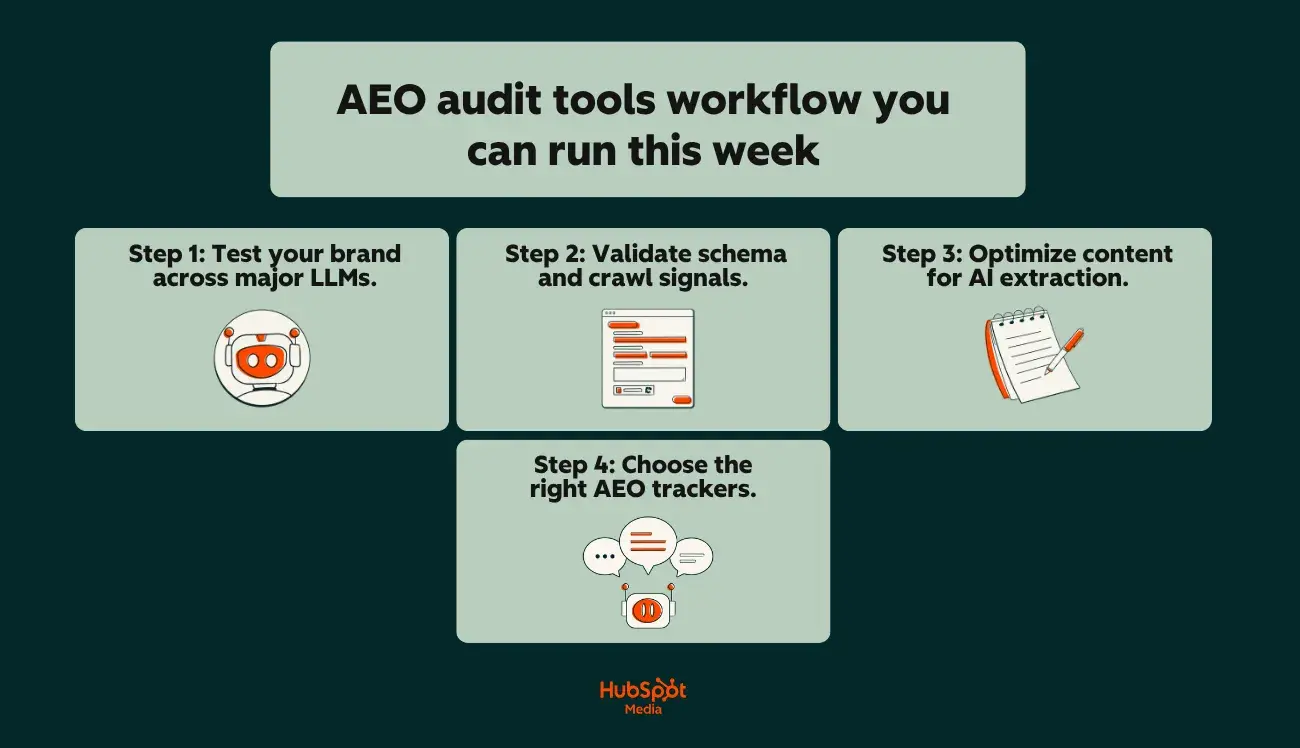
The complexity of modern marketing demands sophisticated tools that can automate, analyze, and optimize campaigns at scale. A new generation of AI-powered platforms and specialized solutions is transforming how marketers operate.
1. HubSpot Marketing Hub: The Integrated Powerhouse
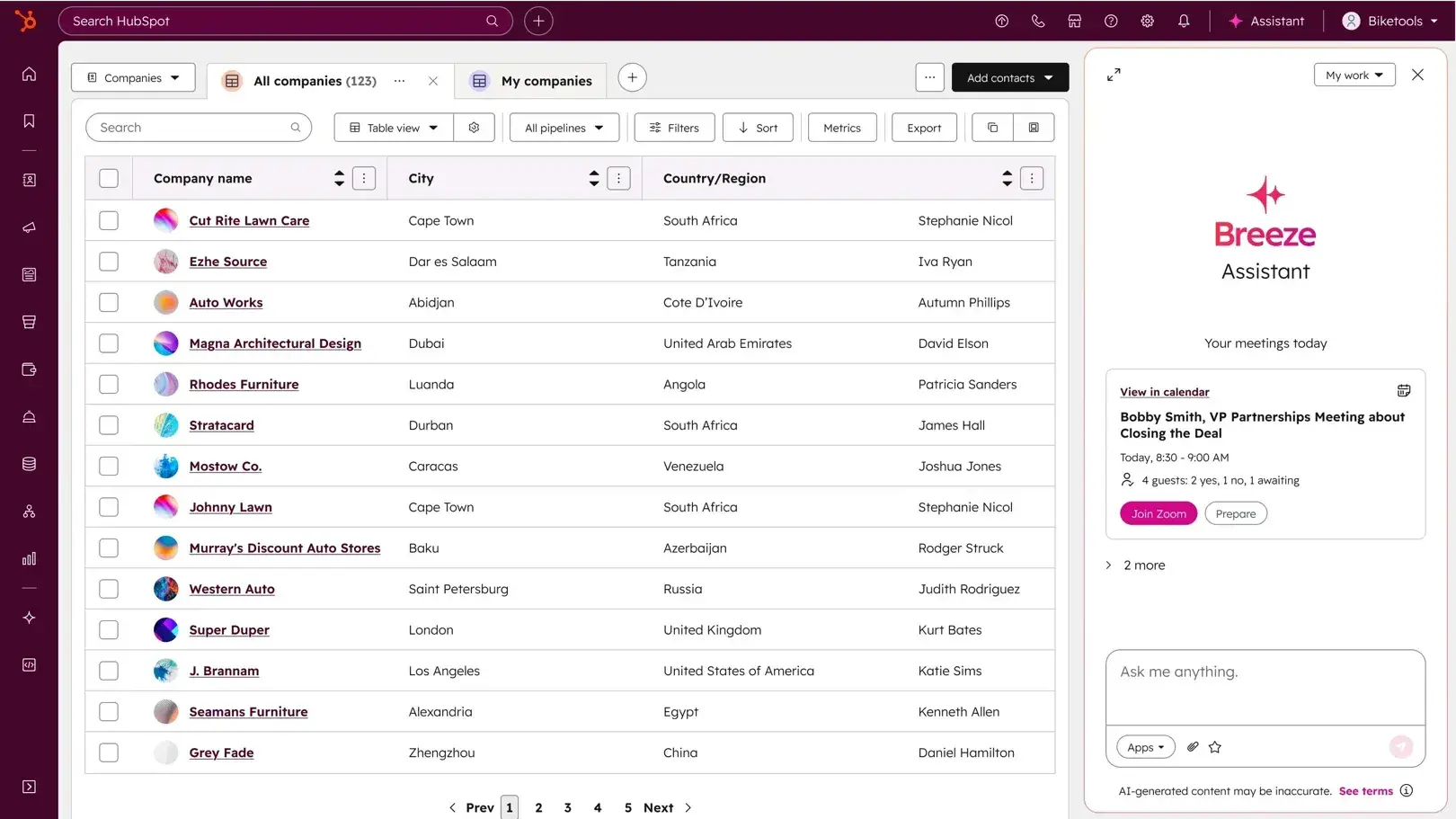
HubSpot Marketing Hub is a comprehensive platform designed to streamline marketing operations, with powerful AI-driven features like Breeze and robust marketing automation tools.
- Breeze: HubSpot’s native AI engine, Breeze, accelerates the content lifecycle by drawing from existing CRM data and brand guidelines. It can draft, rewrite, or expand copy for blogs, emails, social posts, and CTAs, all within the native interface. This eliminates the “blank page” struggle, allowing for rapid generation of messaging variations essential for A/B testing, clearing creative logjams, and enabling faster iteration cycles.
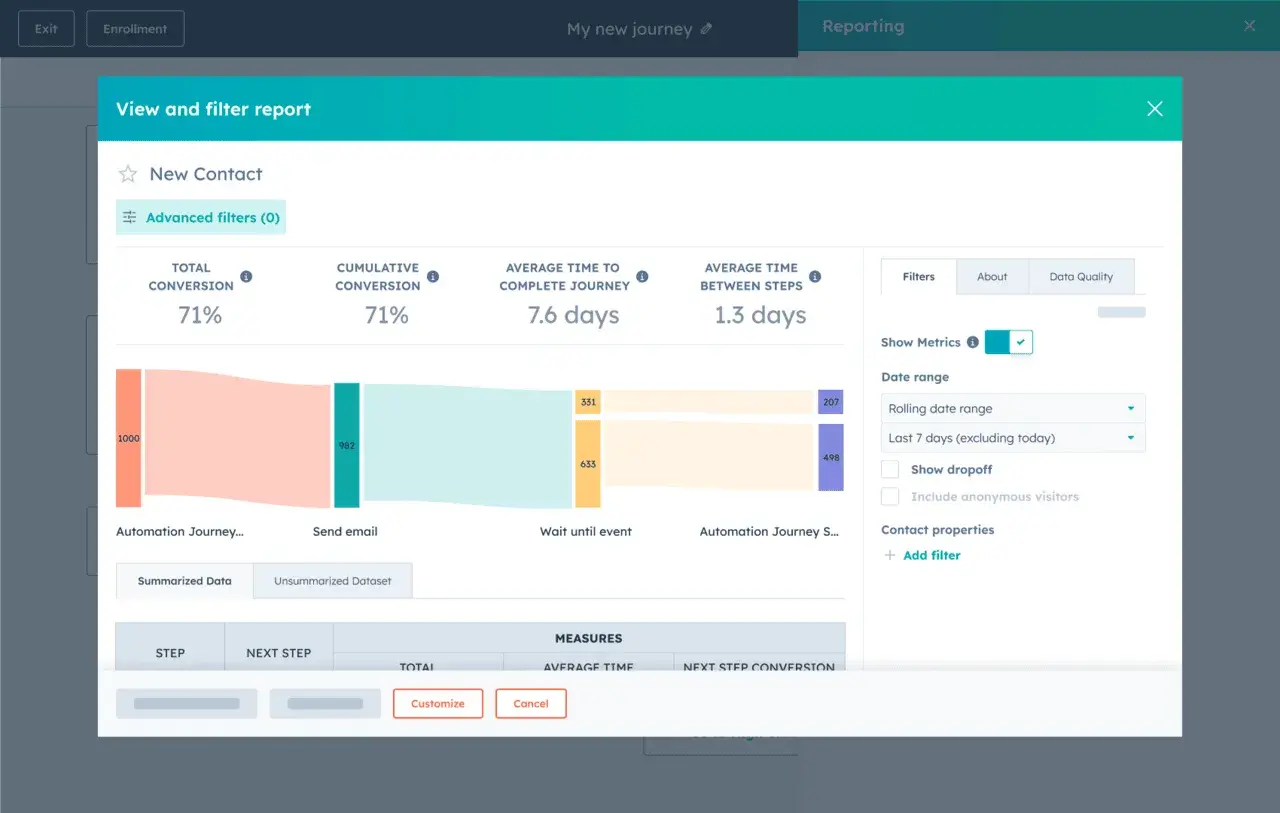
- Marketing Automation: This AI-powered solution automates repetitive tasks and scales personalized efforts. Sitting on a unified CRM, it uses live customer data to trigger specific actions based on real-world behaviors (e.g., form submissions, page visits, email opens). This enables marketers to build sophisticated drip campaigns that nurture leads through educational sequences, significantly boosting qualified leads and shortening sales cycles. Users praise its massive time savings and the ability to unify marketing, CRM, content, and sales tools in a single environment.
2. Optimizely: The Experimentation Engine
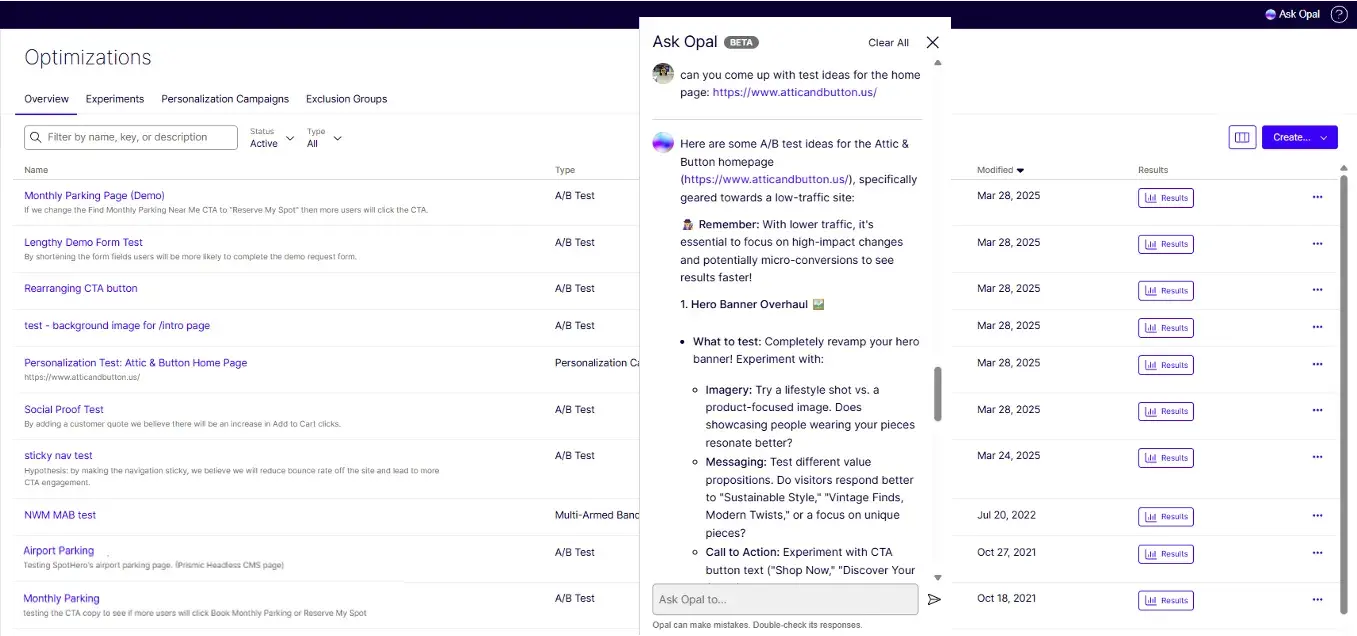
Optimizely is a leading experimentation platform that empowers marketers to maximize campaign performance through rigorous, data-driven testing and personalization. It facilitates A/B and multivariate testing across websites, apps, and digital touchpoints to pinpoint elements that resonate most with audiences.
- Core Features: Visual editor for easy test setup, robust statistical engine for reliable results, advanced audience segmentation, and AI-powered personalization.
- Value Proposition: Makes experimentation accessible to non-technical teams, allowing for quick deployment of tests and deep insights into user behavior. Its focus on statistical significance ensures that optimization decisions are based on reliable data.
3. AdStellar AI: Autonomous Meta Ad Campaign Builder
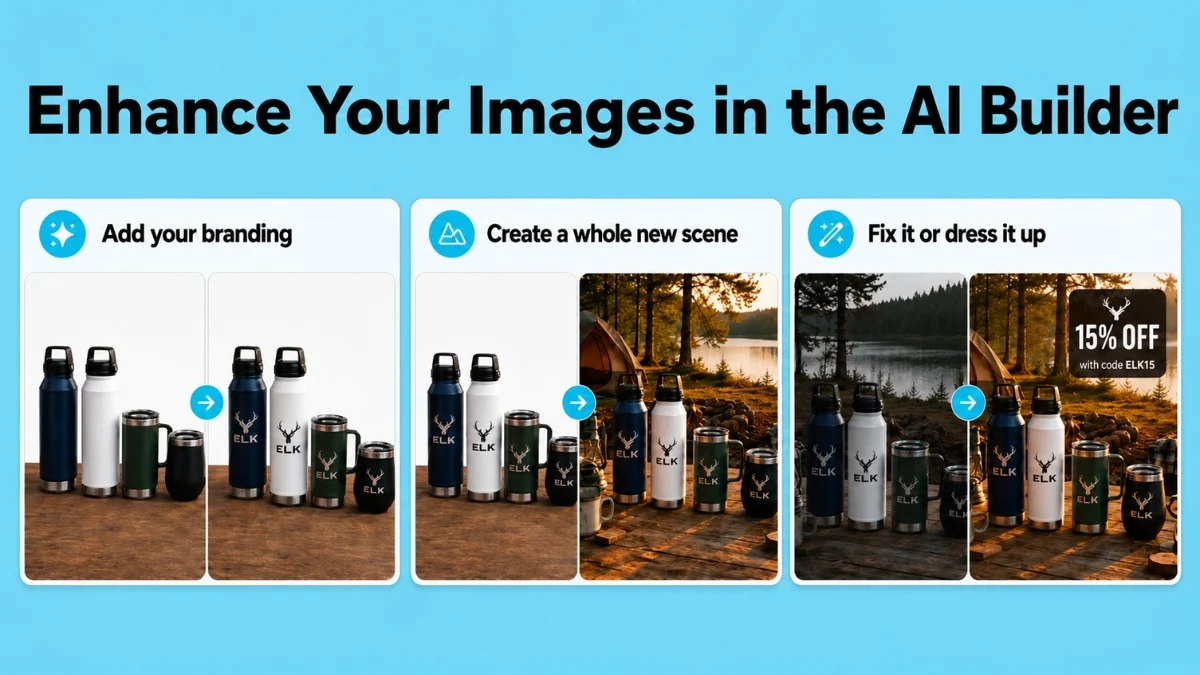
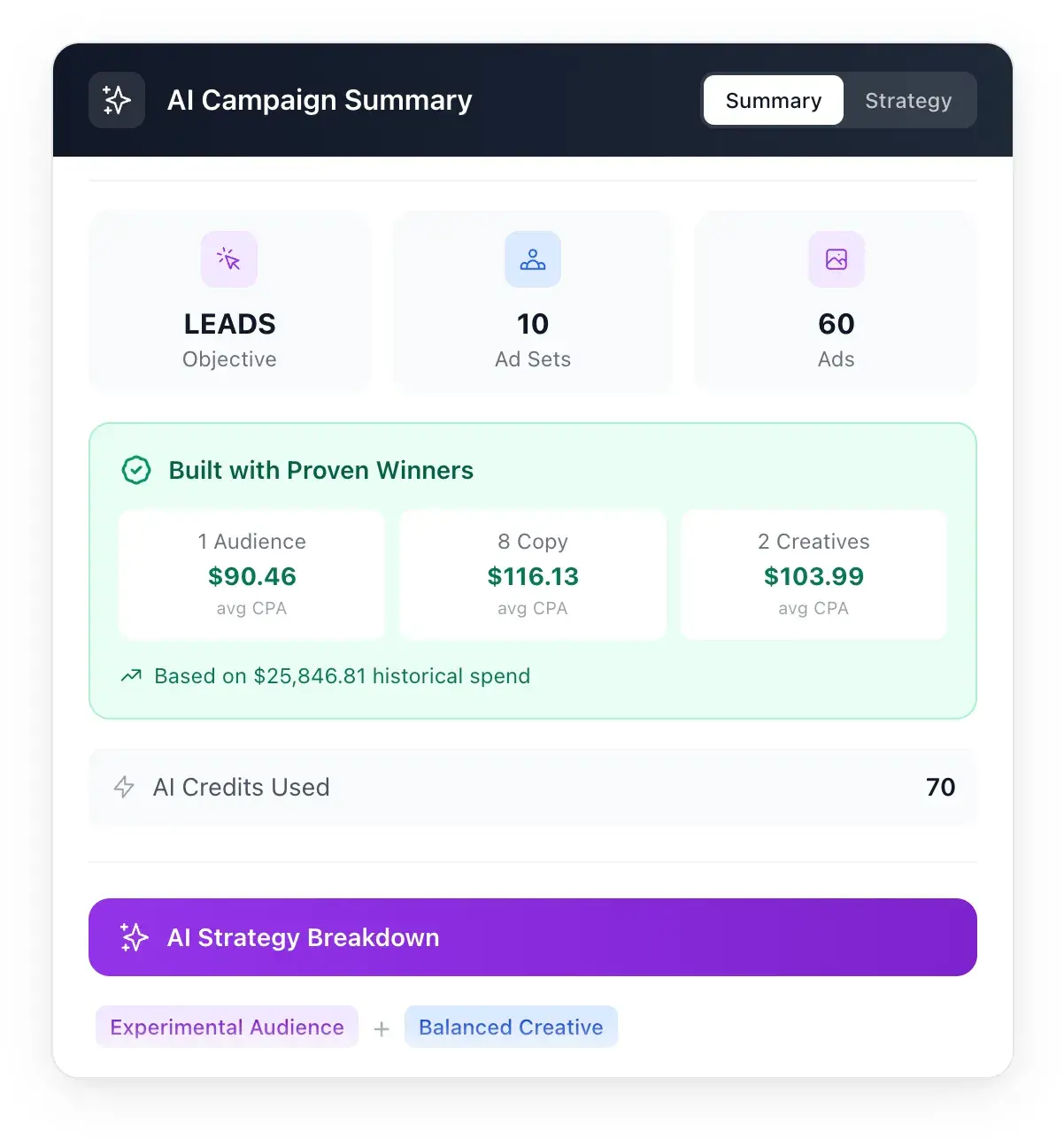
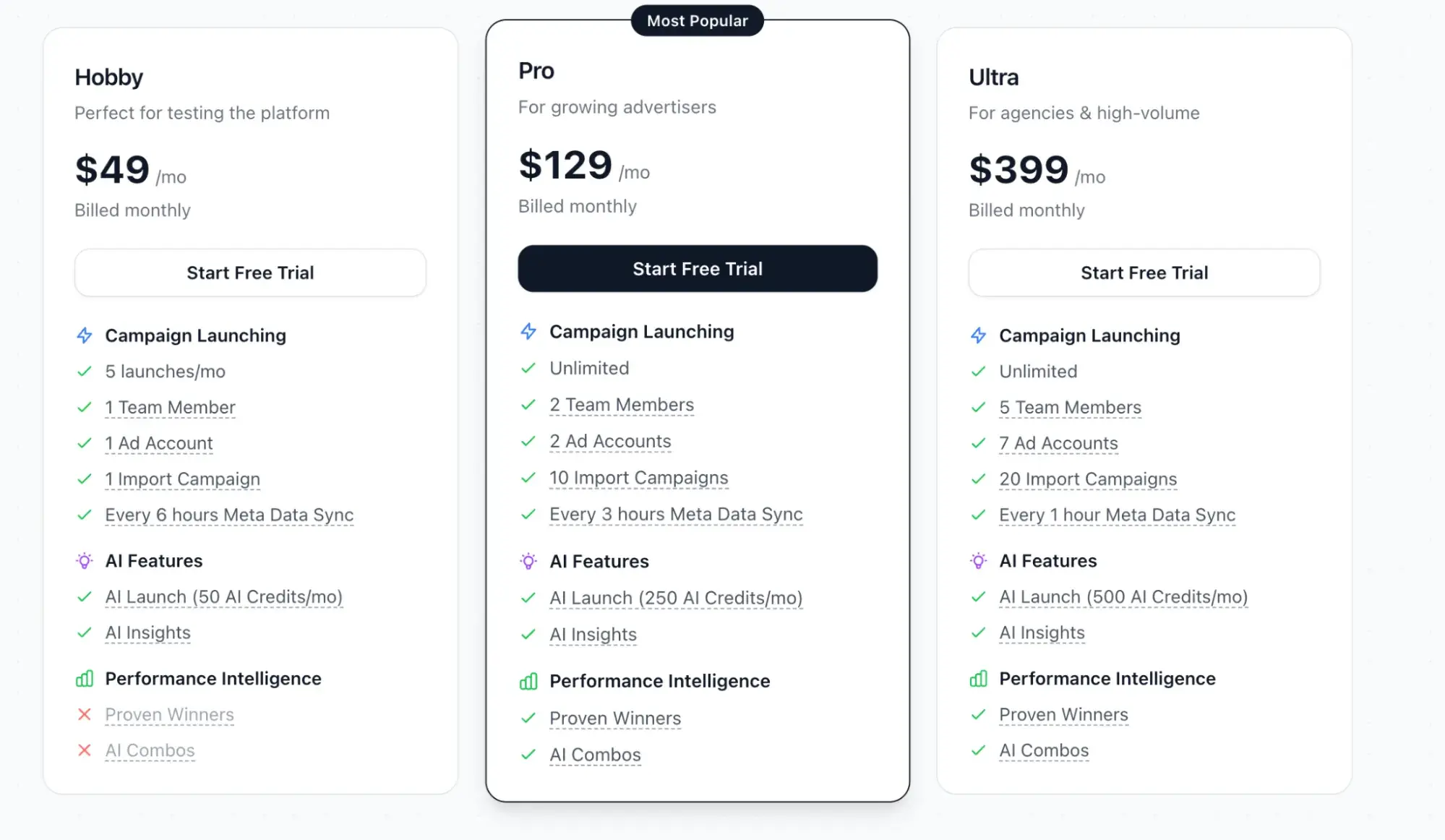
AdStellar AI is an autonomous Meta ad campaign builder designed to plan, structure, and launch optimized campaigns in under 60 seconds. It leverages seven specialized AI agents to automate the manual configuration typically required in Ads Manager.
- Core Features: AI-driven campaign planning, automated ad copy and creative generation, real-time optimization, and a “Winners Hub” that identifies and reuses top-performing creatives and headlines.
- Value Proposition: Drastically reduces the time and effort required to launch high-performing Meta campaigns, allowing marketers to scale successful ads effortlessly by leveraging AI-identified winning elements.
4. Hootsuite Analytics: Unified Social Media Monitoring
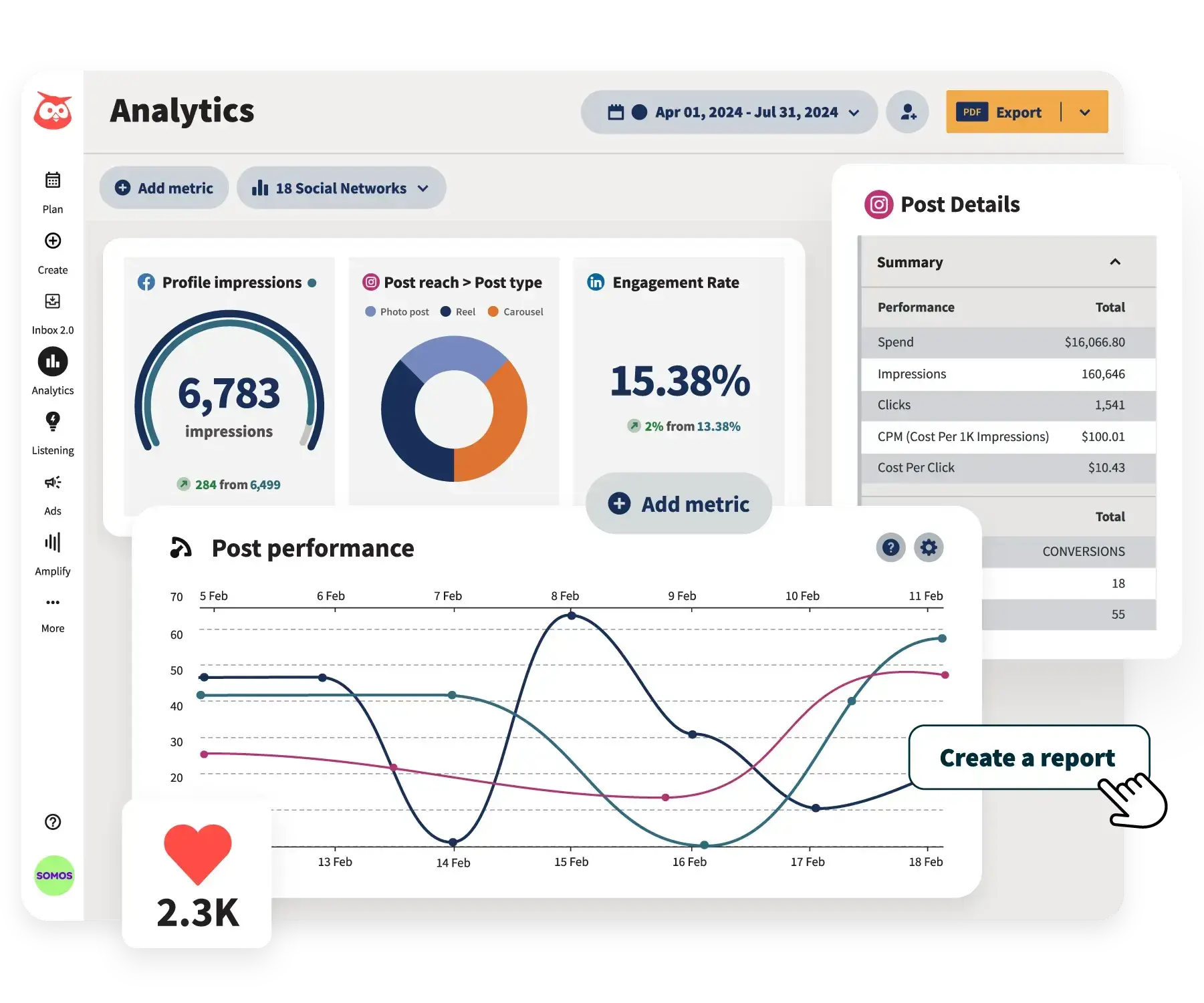
Hootsuite Analytics provides a comprehensive, unified dashboard for tracking performance across all major social networks, including Facebook, Instagram, TikTok, X (Twitter), LinkedIn, Pinterest, YouTube, and Threads.
- Core Features: Covers organic, paid, and earned content with hundreds of distinct metrics, customizable reports, competitor benchmarking, and AI-driven recommendations for optimal posting times and content repurposing.
- Value Proposition: Eliminates the need to jump between disparate native platforms, offering a centralized view of social media impact. Its AI recommendations help improve performance with minimal manual effort, making social media optimization more efficient.
5. MailReach: Email Deliverability Guardian
MailReach is a specialized email deliverability platform focused on ensuring cold emails and marketing campaigns reach the intended inbox. It repairs and protects sender reputation through an automated warm-up process using a network of real, high-reputation accounts.
- Core Features: Automated email warm-up, deliverability monitoring, spam test credits, and blacklisting checks.
- Value Proposition: Directly supports higher reply rates and stronger ROI for email-driven initiatives by helping users avoid spam filters. Its “Autopilot” mode removes the hassle of constant monitoring, ensuring emails land where they should.
Navigating the Optimization Landscape: Key Considerations and Best Practices
As marketing increasingly relies on data and AI, several critical best practices emerge for navigating the optimization landscape effectively.
Continuous Iteration: Campaign iteration cycles should operate continuously. While major strategic reviews might occur monthly, tactical adjustments should be made weekly or bi-weekly, depending on the channel and data volume. Paid ads, for instance, benefit from performance checks every 7 to 14 days to avoid disrupting algorithmic learning phases, whereas email and social media might allow for more frequent tweaks. Optimization is not a finite project but an ongoing loop of testing, measuring, and improving.
The Science of A/B Testing: An A/B test must run until it achieves statistical significance (typically 95%+ confidence) and accumulates sufficient data. For paid ads, this often means one to two weeks to account for day-of-week variations. For email opens/clicks, 24-48 hours might suffice, but revenue-focused tests require longer durations. Premature conclusions based on insufficient data risk unreliable results, while overrunning a test wastes valuable opportunities for implementing a winner. Prioritizing data quality over speed is paramount.
Strategic Pausing vs. Tactical Tweaking: Deciding when to pause a campaign versus optimize it is crucial. A campaign should be paused if it shows no conversions after spending 2-3 times the target CPA, exhibits consistent and unrecoverable declines, or demonstrates fundamental misalignment (e.g., targeting the wrong audience or offering). Conversely, optimization is warranted when early signs of traction emerge (such as engagement or partial conversions), by refining creative elements, targeting parameters, or bidding strategies. Frequent pauses should be avoided, as restarting can reset algorithm learning and hinder long-term performance.
Beyond Last-Click: The Power of Multi-Touch Attribution: While not strictly mandatory, adopting a multi-touch attribution model is strongly recommended for accurate budget reallocation and superior marketing spend optimization. Single-touch models, which often over-credit the last interaction, can be misleading. Multi-touch attribution, by contrast, reveals how various channels interact across the customer journey, enabling smarter shifts toward high-impact touchpoints and providing a more holistic understanding of ROI.
Sustainable Scaling: Scaling marketing efforts without disproportionately spiking costs requires a methodical approach. Budgets should be increased gradually (e.g., 20-30% increments every few days) to allow algorithms to adapt. Horizontal expansion with new audiences and creatives should be balanced with consolidating proven winners. Improving conversion rates through landing page and funnel optimizations is key, and leveraging automation for efficient resource allocation is essential. Marketers should focus on proven performers first and diligently monitor CPA to maintain efficiency. AI tools and marketing automation significantly accelerate these workflows when these steps are followed consistently.
Conclusion: The Future is Optimized and Automated
Optimizing marketing campaigns is no longer merely a best practice; it is a continuous, indispensable process in the algorithmic era. By moving decisively away from a “set it and forget it” mindset, marketers can achieve substantial benefits: reduced customer acquisition costs, shortened sales cycles, and the ability to make faster, more accurate data-driven decisions. This complex process involves establishing clear hypotheses, diligently tracking funnel-stage specific metrics, and utilizing unified attribution models to strategically reallocate budgets to winning tactics. The inherently channel-specific nature of optimization—what works for a paid search ad may not apply to an email sequence—underscores the need for adaptable tactics tailored to each audience environment.
To manage this intricate complexity, the adoption of marketing automation platforms like HubSpot is crucial. These platforms streamline the entire optimization loop, handling the laborious, repetitive tasks without manual intervention. This technological empowerment not only leads to faster and more accurate campaign decisions but also elevates the role of the marketer, allowing them to focus on strategic innovation, creative development, and deep audience understanding—areas where human intuition and expertise remain irreplaceable. The future of marketing is undeniably optimized, automated, and continuously evolving.