The term “target” is undeniably a cornerstone of effective marketing strategy. Identifying and understanding the intended audience is paramount to crafting messages that resonate and campaigns that deliver results. While traditional demographic, psychographic, geographic, and behavioral segmentation provides a foundational understanding, a deeper dive into generational nuances is increasingly critical in today’s complex media environment. This article, the second in a series exploring digital marketing across generations, shifts its focus to Millennials, a demographic that has fundamentally reshaped consumer markets and continues to exert significant influence. Having previously examined Gen Z, we now delve into the characteristics, consumption patterns, and optimal marketing approaches for the generation born between 1980 and 1994.
Millennials, often referred to as “Generation Y,” have consistently been a subject of widespread discussion, largely due to their emergence as the largest generational cohort, surpassing the Baby Boomers in sheer numbers. This demographic shift alone warrants a comprehensive understanding of their unique attributes and behaviors. Beyond their size, Millennials have cultivated a reputation for being digitally adept, health-conscious, and often burdened by significant debt. However, reducing such a vast and diverse group to a few generalized adjectives risks oversimplification and overlooks the multifaceted reality of their experiences and motivations. This article aims to provide a more nuanced exploration of the Millennial mindset, their consumption habits, and effective strategies for marketers seeking to connect with this influential demographic.
The Millennial Mindset: Forged in Digital Transformation and Economic Realities
Millennials stand apart as the generation that matured alongside the advent and widespread adoption of digital technologies. Unlike Gen Z, who have known a world where the internet and social media were already established, Millennials witnessed and actively participated in the formative years of the digital revolution. Their formative years and early adulthood were marked by the meteoric rise of foundational digital entities like Facebook, a platform famously founded by a Millennial. This era also saw the transformative ascendant paths of Google, Amazon, and Apple, embedding a deep understanding and inherent fluency in technology within this generation. This constant exposure and early adoption have cultivated a generation that is exceptionally tech-savvy, comfortable navigating complex digital ecosystems, and quick to embrace new technological innovations.
However, this digital immersion is juxtaposed with significant economic challenges. Data indicates that Millennials have attained higher levels of education compared to previous generations. Yet, this educational attainment has often come at a considerable cost, contributing to the rising expenses associated with higher education and the escalating prices of housing. Consequently, a substantial portion of this generation finds themselves grappling with considerable debt. This financial strain has demonstrably influenced their life trajectories, often leading to a postponement of traditional markers of adulthood. Marriage, homeownership, and starting families are increasingly being delayed as Millennials navigate these economic headwinds and prioritize financial stability before embarking on these significant life milestones.
While some might perceive these delayed milestones as a negative indicator, many Millennials exhibit a pronounced sense of self-orientation. This is not necessarily indicative of selfishness, but rather a prioritization of individual freedom, personal growth, and self-discovery. They are often characterized by their idealism and a strong desire to live lives aligned with their personal values. Furthermore, a significant emphasis on health and well-being is a defining trait. This consciousness has fueled trends such as the surge in vegetarianism, veganism, pescetarianism, and the widespread popularity of “avocado toast” – a symbol of their embrace of healthier, often plant-based, dietary choices. Crucially, for many Millennials, experiences hold a greater intrinsic value than the accumulation of material possessions. They are more likely to invest in travel, events, and personal development opportunities, seeking to enrich their lives through memorable experiences rather than solely through the acquisition of goods.
Millennial Consumption: Values-Driven and Experience-Oriented
Research consistently highlights that Millennials are not a monolithic consumer bloc, but rather fall into several distinct behavioral clusters when it comes to their purchasing decisions. A comprehensive study conducted by McKinsey & Company identified key patterns in their consumption habits. While specific clusters are detailed in their research, overarching themes emerge:

- Conscious Consumers: This segment prioritizes brands that align with their ethical and environmental values. They are often willing to pay a premium for products that are sustainably sourced, ethically produced, and contribute positively to society or the environment. Transparency in supply chains and corporate social responsibility initiatives are highly valued.
- Experience Seekers: As previously noted, this group places a high premium on experiences over material possessions. Their spending often reflects this, with significant allocations towards travel, dining out, entertainment, and personal enrichment activities. They are drawn to brands that facilitate or enhance these experiences.
- Quality and Durability Focused: Despite concerns about their financial future, many Millennials are pragmatic. They are willing to invest in premium or high-quality products that offer longevity and superior health benefits. This translates to a preference for well-made goods that represent a sound long-term investment, rather than disposable or trend-driven items.
- Value-Conscious but Not Necessarily Price-Driven: This segment seeks good value for their money, but this doesn’t always equate to the lowest price. They are discerning consumers who weigh quality, brand reputation, and benefits against the cost. They are adept at research and comparison, utilizing online resources to make informed purchasing decisions.
It is imperative for marketers to recognize that even with concerns about financial futures, Millennials are not inherently averse to spending. Instead, their spending is often more deliberate and value-driven, with a strong inclination towards products that offer tangible benefits, whether in terms of quality, health, or the enhancement of their lifestyle and experiences.
Marketing to Millennials: Strategic Platforms and Resonant Messaging
Understanding the Millennial mindset and consumption patterns is the first step; the subsequent challenge lies in effectively reaching and engaging them. This requires a strategic approach to platform selection and message crafting.
Platforms to Reach Millennials
The digital landscape is where Millennials predominantly reside and consume information. Therefore, a robust digital marketing strategy is essential. Key platforms and channels that demonstrate strong Millennial engagement include:
- Social Media Platforms: While Gen Z dominates platforms like TikTok, Millennials maintain a strong presence on established social media giants. Facebook remains a significant touchpoint for many Millennials, particularly for connecting with friends, family, and community groups. Instagram is highly popular for visual content, lifestyle inspiration, and brand discovery. LinkedIn serves as a crucial platform for professional networking and career development. Pinterest is also utilized for inspiration and product discovery, especially for home, fashion, and lifestyle interests.
- Video Content Platforms: YouTube is a ubiquitous platform for Millennials, used for entertainment, education, and product research. Short-form video content, popularized by platforms like Instagram Reels and YouTube Shorts, also captures their attention.
- Search Engines: Google and other search engines are indispensable tools for Millennials conducting research, comparing products, and seeking information. Search engine optimization (SEO) and search engine marketing (SEM) are vital for ensuring brand visibility when Millennials are actively looking for solutions.
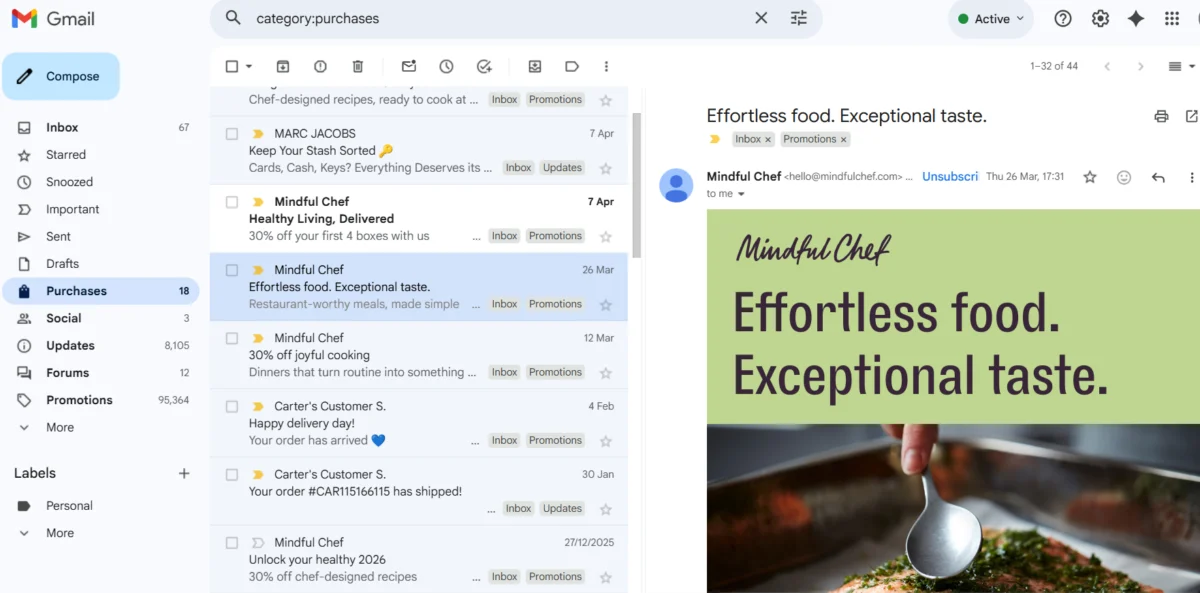
- Email Marketing: Despite the prevalence of real-time digital communication, email remains a trusted and effective channel for Millennials, especially for brand newsletters, promotional offers, and customer service interactions. Personalized and value-driven email content is key.
- Podcasts and Streaming Services: Millennials are avid consumers of podcasts, using them for news, entertainment, and learning. They also engage with streaming services for music and video content, presenting opportunities for audio and video advertising.
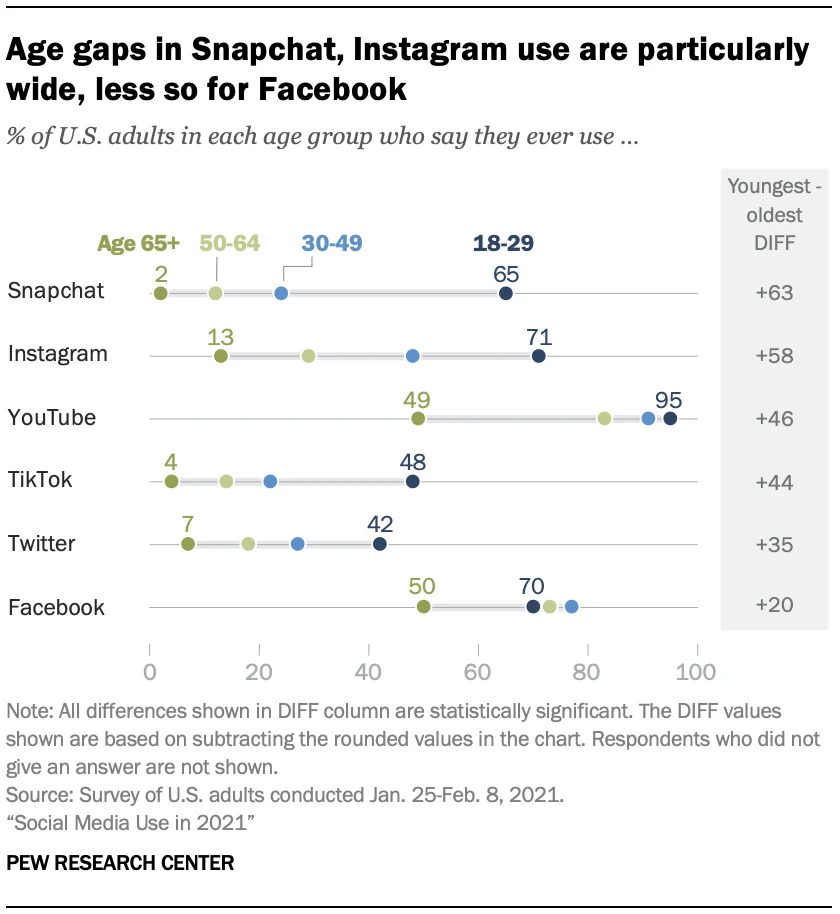
The accompanying graphic [referencing the provided image] visually illustrates the age demographics across various social media platforms, underscoring the importance of selecting channels where your target Millennial audience is most active.
Messaging That Speaks to Millennials
Crafting messages that resonate with Millennials requires an understanding of their values, aspirations, and communication preferences. Tailoring your approach based on their identified consumer clusters can significantly enhance campaign effectiveness.
- Authenticity and Transparency: Millennials are wary of overly polished or inauthentic marketing. They value brands that are genuine, transparent about their practices, and honest in their communication. Avoid hyperbole and focus on clear, factual information.
- Value Proposition Beyond Price: While cost is a consideration, emphasize the long-term value, quality, and benefits your product or service offers. Highlight how it can improve their lives, solve problems, or enhance their experiences. For the “Quality and Durability Focused” segment, emphasize longevity and craftsmanship. For “Experience Seekers,” frame your offering as an enabler of memorable moments.
- Social and Environmental Responsibility: For “Conscious Consumers,” clearly communicate your brand’s commitment to ethical sourcing, sustainability, and social impact. Showcase your corporate social responsibility initiatives and demonstrate how your business contributes positively to the world.
- Empowerment and Personal Growth: Messages that empower Millennials, support their personal growth, or align with their self-oriented values are likely to resonate. Focus on how your brand can help them achieve their goals, express their individuality, or live a more fulfilling life.
- Storytelling and Emotional Connection: Millennials respond well to compelling narratives that evoke emotion and build a connection with the brand. Share your brand’s story, values, and mission in a way that is relatable and engaging.
- User-Generated Content and Social Proof: Millennials trust recommendations from peers and influencers. Encourage and leverage user-generated content, testimonials, and positive reviews to build credibility and social proof.
It is crucial to remember that these generational generalizations are a starting point, not an exhaustive definition. Within the broad Millennial cohort, significant variations exist based on individual experiences, socioeconomic backgrounds, cultural influences, and specific industry contexts. A deep understanding of your particular target audience within the Millennial demographic is paramount.
For brands seeking to refine their digital marketing strategies and develop sophisticated solutions to effectively reach and convert their Millennial audience, expert guidance can be invaluable. Consulting with experienced digital marketing professionals can provide tailored insights and implementation plans, ensuring campaigns are not only seen but also understood and acted upon by this influential generation. The evolving digital landscape demands continuous adaptation and a nuanced understanding of consumer behavior, making the strategic engagement of Millennials a critical imperative for sustained market success.