Traditional Search Engine Optimization (SEO) strategies have long been fixated on the initial stages of the customer journey, primarily focusing on driving traffic, achieving high rankings for competitive keywords, and acquiring new users. This top-of-funnel approach, while crucial, often overlooks a significant and increasingly vital phase: the post-conversion experience. The prevailing notion that SEO’s role concludes once a user signs up or makes a purchase is rapidly becoming an outdated perspective in a landscape prioritizing customer lifetime value and retention. Effective SEO can and should be strategically deployed to bolster retention, optimize onboarding processes, enhance the post-purchase journey, and clarify product or service understanding, thereby fostering sustained organic growth and solidifying brand loyalty.
The Paradigm Shift: From Acquisition to Retention-Focused SEO
Historically, SEO departments operated with a clear mandate: deliver new prospects. Success was measured by metrics such as organic traffic volume, keyword rankings, and new user acquisitions. This focus was understandable, given the foundational role of visibility in a competitive digital environment. However, this narrow lens often neglected the subsequent user experience, assuming that once a conversion occurred, the customer journey transitioned entirely to product, support, or marketing teams. This fragmented approach fails to recognize that a user’s interaction with search engines doesn’t cease post-conversion. They continue to search for solutions, instructions, advanced features, troubleshooting guides, and community support.
The modern digital economy places a premium on customer retention. Studies consistently indicate that acquiring a new customer can be five to twenty-five times more expensive than retaining an existing one. Furthermore, increasing customer retention rates by just 5% can boost profits by 25% to 95%. Against this backdrop, the strategic integration of SEO into the post-conversion phase emerges not merely as an optional enhancement but as a fundamental pillar of sustainable business growth. By addressing the informational needs of existing users, businesses can significantly reduce churn, improve customer satisfaction, and cultivate a loyal customer base that organically contributes to brand advocacy.
The Post-Conversion Landscape: Where Users Still Search
Once a user has committed to a product or service, their informational needs evolve from discovery to utility. They are no longer asking “what is this?” or “where can I buy it?” but rather “how do I use this feature?”, “what does this error code mean?”, “how do I maintain this product?”, or “where can I find advanced tips?”. These are highly specific, intent-driven queries, often referred to as “long-tail keywords,” which represent a goldmine for SEO.
The types of content that address these post-conversion queries are diverse and critical:
- Help Centers and Knowledge Bases: Comprehensive repositories of articles, FAQs, and guides.
- Product Explainers and Feature Guides: Detailed walkthroughs of product functionalities.
- Troubleshooting Documentation: Solutions for common issues and error messages.
- How-To Guides and Tutorials: Step-by-step instructions for specific tasks.
- Community Forums and Q&A Sections: Platforms for users to interact, ask questions, and share solutions.
- Product Care and Maintenance Instructions: Essential for physical goods.
These content assets, when properly optimized, transform into powerful long-tail SEO machines. They capture users at moments of high intent, providing immediate value and reinforcing their decision to engage with the brand.
Quantifiable Benefits for SEO and Business Outcomes
Extending SEO efforts beyond acquisition yields a multitude of benefits, directly impacting both search engine performance and core business metrics:
-
Reduced Churn and Enhanced Retention: By proactively answering user questions and resolving friction points through accessible content, businesses can significantly improve the user experience. A smoother onboarding process and readily available support documentation prevent frustration, leading to higher product adoption and reduced churn rates. This directly translates to increased Customer Lifetime Value (CLTV).
-
Stronger Branded Search and Authority: Engaged and satisfied customers are more likely to perform branded searches (e.g., “Microsoft Excel tutorial,” “Nike shoe care tips”). A higher volume of branded searches signals to search engines that a brand is authoritative and relevant, positively influencing overall organic rankings. Moreover, satisfied users are more prone to share positive experiences, leave reviews, and link to helpful content, further building domain authority.
-
Domination of Long-Tail Keywords: Post-conversion queries are inherently specific. By creating detailed content around these niche questions, businesses can capture traffic for thousands of long-tail keywords that competitors focused solely on generic terms might miss. While individual long-tail queries may have lower search volumes, their collective power can be substantial, and their conversion intent is typically very high.
-
Improved User Experience Signals: When users find answers quickly and efficiently on a website, it leads to lower bounce rates, increased time on site, and higher engagement. These positive user experience signals are increasingly factored into search engine algorithms, indirectly boosting overall SEO performance.
-
Reduced Support Load and Operational Costs: A well-optimized help center or knowledge base can deflect a significant percentage of support tickets. By empowering users to self-serve, companies can reduce the strain on their customer service teams, leading to substantial cost savings and allowing support staff to focus on more complex issues. Industry data suggests that companies can save up to 80% on customer service costs by implementing effective self-service options.
-
Generation of Positive Reviews and Referrals: A positive post-purchase experience, facilitated by helpful and accessible content, often translates into positive customer reviews and word-of-mouth referrals. These forms of user-generated content are invaluable for SEO, influencing both local search rankings and overall brand perception.
Strategic Identification of High-Value Post-Conversion Content
The identification of relevant post-conversion content is not a matter of guesswork but a data-driven process. Businesses already possess a wealth of information about their users’ challenges and questions. The key lies in systematically analyzing these touchpoints:
-
Analyzing Support Tickets and Customer Service Data: Support tickets are a direct indicator of user pain points, common misunderstandings, and areas where existing documentation is insufficient or hard to find. Categorizing and analyzing the most frequent queries can reveal critical content gaps. For instance, if a software company consistently receives tickets about “exporting data to CSV,” it signals a need for a clear, searchable tutorial on that specific function. Turning these recurring issues into searchable help documents, step-by-step tutorials, or short video guides embedded in the knowledge base directly addresses user needs and reduces future ticket volume.
-
Leveraging Customer-Facing Team Insights: Sales, customer success, and account management teams are on the front lines, engaging directly with users. They possess invaluable qualitative data about specific product features causing confusion, common objections, or underutilized functionalities. Regular feedback sessions with these teams can uncover nuanced pain points that might not surface in support tickets. Content can then be developed to support onboarding, highlight underused features, or clarify key steps in deriving value from a purchase, using the direct language customers employ to describe their problems, thus aligning with how they might search for solutions.
-
Examining Internal Site Search Analytics: The search queries entered into a website’s internal search bar or knowledge base are a direct reflection of a user’s immediate intent post-conversion. These queries reveal exactly what users are struggling to find or understand after they have committed to the product or service. Analyzing top queries that yield poor or no results is crucial. Optimizing titles, headers, and metadata of existing articles, or creating new content for unmet queries, ensures that the right information is surfaced promptly. For WordPress users, tools exist to track and optimize internal search, turning it into a powerful feedback loop.
-
Analyzing Feature Usage and Product Engagement Data: For SaaS companies or products with multiple features, low adoption rates for certain functionalities don’t always signify disinterest. It could point to unclear setup instructions, poor discoverability, or a failure to communicate the feature’s value. By cross-referencing usage data with user feedback, businesses can identify high-impact features with low adoption. Interviewing successful users of these features to understand their journey and creating content that guides others to similar positive outcomes can significantly boost engagement. This might involve advanced tutorials, use-case examples, or integration guides.
-
Monitoring Community Forums and User-Generated Content (UGC): Community forums, Q&A sections on product pages, and social media discussions are organic reservoirs of user questions and peer-to-peer solutions. This user-generated content often contains highly specific, natural language queries that are ideal for long-tail SEO. Curating, structuring, and optimizing this content, or using it as inspiration for official documentation, creates a self-sustaining ecosystem of helpful information.
Crafting Effective Post-Conversion Content: Best Practices
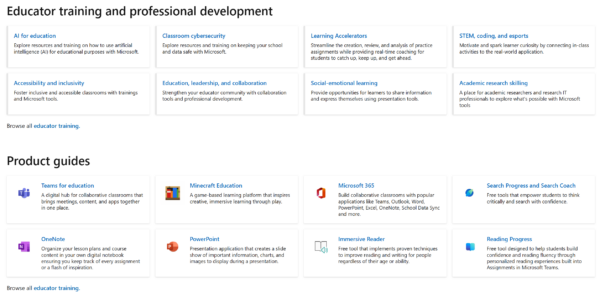
Once identified, the content itself must be structured and presented effectively. Examples like Microsoft’s Educator Center, which combines training hubs, help content, and community resources, or Nike’s product care section, focusing on maintenance and styling tips, demonstrate the breadth and utility of such content. Key types include:
- Comprehensive Help Documentation: Clear, concise articles that address specific questions.
- Step-by-Step Tutorials: Visual, easy-to-follow guides for complex processes.
- Product Explainer Videos: Engaging multimedia content for visual learners.
- Detailed FAQs: Quick answers to common questions, often with schema markup for rich results.
- Troubleshooting Flows: Interactive guides to diagnose and resolve issues.
- Glossaries: Explaining industry or product-specific terminology.
These content pieces should be regularly reviewed and updated to ensure accuracy and relevance, reflecting product changes or evolving user needs.
The Power of Internal Linking for Sustained Engagement
Post-conversion content should not exist in isolation. A robust internal linking strategy is paramount to maximizing its impact, both for SEO and user experience. By connecting related articles, guiding users through logical next steps, and surfacing relevant help documents at opportune moments, businesses create an interconnected web of information that enhances engagement and builds user confidence.
Effective internal linking strategies include:
- Contextual Links within Articles: Linking from a basic setup guide to a more advanced feature tutorial.
- “Related Articles” or “Recommended Next Steps” Sections: Encouraging users to explore further relevant content.
- Links from Product Pages: Directly linking to usage guides, FAQs, or care instructions from the product description.
- Integration within Onboarding Flows: Embedding links to relevant help docs directly within the user’s initial product experience.
- Utilizing Search Results Pages: Ensuring internal search results clearly link to the most relevant post-conversion content.
This strategic internal linking not only improves the discoverability of content for users but also aids search engine crawlers in understanding the site’s structure and distributing link equity, ultimately bolstering the overall authority of the website.
Expert Perspectives and Industry Insights
“The shift we’re witnessing in SEO is profound,” states Dr. Evelyn Reed, a leading digital strategy consultant. “It’s moving from a purely transactional mindset to a relationship-driven one. Businesses that invest in supporting their existing users through robust, discoverable content are not just improving customer satisfaction; they are building defensible organic assets that deliver compounding returns over time. It’s about nurturing loyalty through utility.”

Similarly, Sarah Chen, Head of Customer Experience at a prominent SaaS firm, emphasizes, “Our customer success metrics have seen a dramatic uplift since we started integrating SEO principles into our knowledge base. We’re seeing fewer support tickets, higher feature adoption, and a significant increase in our Net Promoter Score (NPS). It’s a testament to the fact that when you make it easy for users to succeed with your product, they become your biggest advocates.”
Implications for Future Growth and Competitive Advantage
Businesses that embrace post-conversion SEO are not just optimizing for immediate gains; they are laying the groundwork for sustainable, long-term growth and a significant competitive advantage. In an increasingly crowded digital marketplace, differentiation often comes down to the overall customer experience. By providing unparalleled support and guidance through discoverable content, brands can foster deeper loyalty, reduce reliance on costly paid acquisition channels, and build a powerful ecosystem of user-generated content and brand advocacy.
This holistic approach to SEO recognizes that the customer journey is continuous, not compartmentalized. It leverages the inherent power of search to not only attract new customers but also to empower, educate, and retain existing ones. The ultimate goal is to create a seamless, supportive experience that transforms initial conversions into lasting relationships.
Conclusion
The notion that SEO’s purview ends at user acquisition is a costly misconception. By extending SEO strategies to encompass the entire customer lifecycle, businesses can unlock significant value, improving retention, reducing churn, and cultivating a loyal customer base. The opportunity in post-conversion content is immense, transforming help centers, knowledge bases, and community forums into powerful organic assets.
To capitalize on this, businesses must embark on a thorough audit of their existing post-conversion content. This involves mapping out the critical moments after signup or purchase and ensuring that users receive comprehensive, easily discoverable support at each step. Surfacing help documents, feature guides, and tutorials where they are most needed, and connecting them with clear, intentional internal links, is paramount.
SEO is more than just discovery; it is about usability, confidence, and ensuring users not only arrive but also thrive within a brand’s ecosystem. Focusing on building long-term, defensible growth through a complete customer-centric SEO strategy is not merely a best practice—it is an imperative for modern businesses aiming for enduring success.