

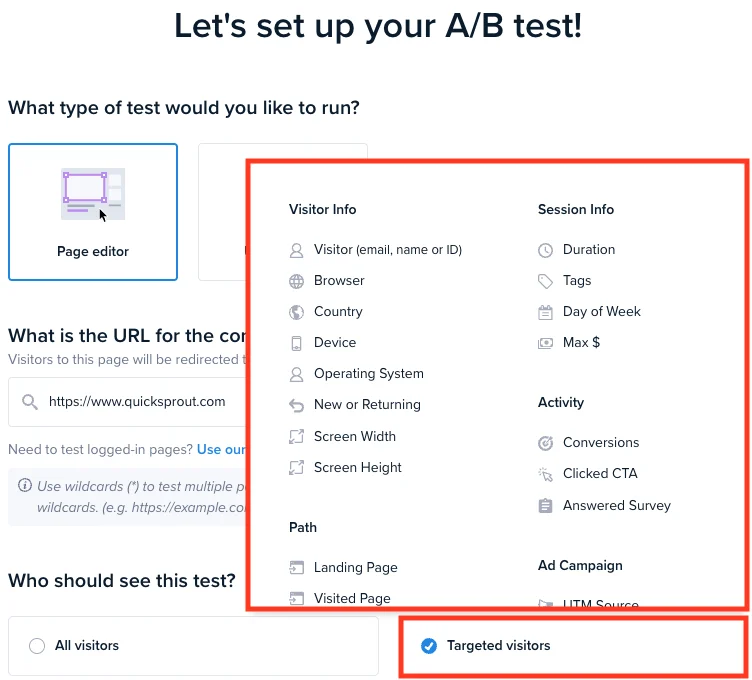
The introduction of these advanced targeting capabilities allows businesses to move beyond the “one-size-fits-all” approach that has traditionally limited the effectiveness of A/B testing. Instead of showing the same variation to every visitor, users can now tailor their experiments to find which designs perform best for specific subsets of their audience. This development is particularly timely as the industry sees a heightened focus on user experience (UX) and the increasing complexity of the customer journey across various touchpoints.
The Evolution of Conversion Rate Optimization
Crazy Egg, a company long recognized as a pioneer in visual analytics through its heatmapping and scrollmapping tools, has steadily evolved into a comprehensive optimization suite. Founded by Hiten Shah and Neil Patel, the platform originally focused on helping website owners understand user behavior through visual representations of clicks and engagement. However, as the digital marketing ecosystem matured, the need for integrated testing tools became apparent.
The launch of targeted A/B testing represents the next phase in this evolution. In the early days of CRO, simple “red button vs. blue button” tests were the standard. Today, the discipline requires a deeper understanding of intent and context. A visitor arriving from a high-intent search ad on a desktop computer in London likely has different needs and expectations than a visitor clicking a social media link on a mobile device in Tokyo. Crazy Egg’s new features allow marketers to isolate these variables and optimize for them individually.
Detailed Breakdown of New Targeting Capabilities
The core of the new update lies in its diverse targeting options, which are designed to cover the most critical segments of modern web traffic. These options are structured to provide flexibility for both small businesses and large-scale enterprises.
1. Device-Based Targeting
As mobile traffic continues to surpass desktop traffic globally, optimizing for the mobile experience is no longer optional. However, “mobile optimization” is not a singular task. Users on smartphones often have shorter attention spans and different navigation habits than those on tablets or desktops. With Crazy Egg’s new targeting, marketers can run an A/B test specifically for mobile users without affecting the desktop experience, allowing for the creation of streamlined, touch-friendly interfaces that drive conversions on the go.
2. Geographic and Country-Specific Testing
Global brands often face the challenge of cultural and regional preferences. A layout that converts well in North America may not resonate with users in Southeast Asia due to differences in design aesthetics, language structure, or payment preferences. By targeting A/B tests by country, businesses can localize their value propositions and design elements, ensuring that their global presence is as effective as their local one.
3. Ad Campaign and UTM Parameter Integration
One of the most powerful features of this update is the ability to target tests based on traffic source. By utilizing UTM (Urgency Tracking Module) parameters, marketers can align their landing pages with specific ad campaigns. For instance, if a company is running a “Black Friday” promotion on Facebook and a “New Arrival” campaign on Google Ads, they can now ensure that visitors from each source see a variation of the page that is perfectly congruent with the ad they clicked. This “message match” is a proven factor in reducing bounce rates and increasing ROI on ad spend.
4. Conversion Funnel Stage Targeting
The update also allows for targeting based on where a visitor is in the conversion funnel. Early-stage visitors might benefit from educational content and trust signals, while returning visitors or those further down the funnel might respond better to direct calls to action or limited-time offers. This level of personalization helps in nurturing leads more effectively through the lifecycle.
Technical Implementation and User Experience
Crazy Egg has prioritized ease of use in the rollout of these features. The process of launching a targeted test is integrated into the existing workflow. Users begin by creating a new A/B test and choosing between the Page Editor (for visual changes) or a URL Redirect (for testing entirely different pages). Once the base experiment is set up, the platform presents a targeting menu where users can define their audience segments.
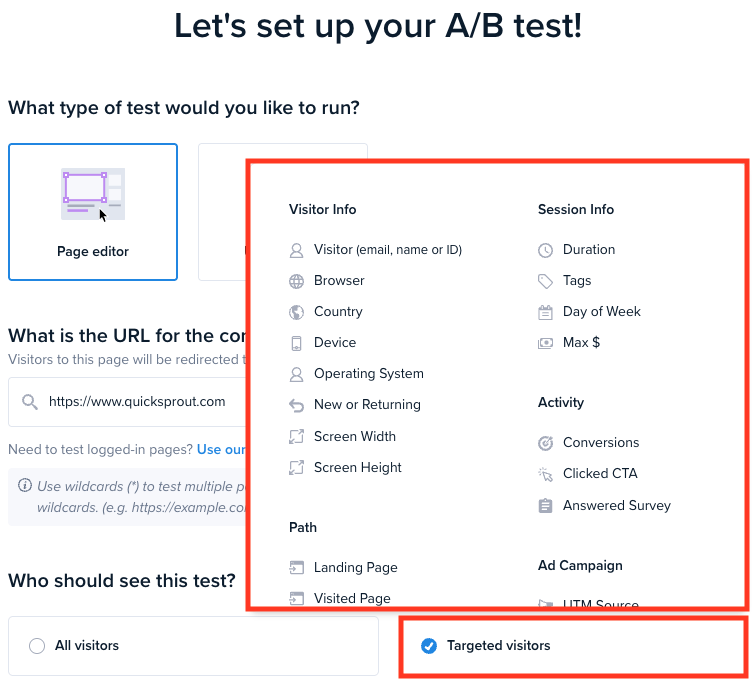
For users on the Plus or Pro plans, these options represent a significant value add, though full targeting capabilities are primarily highlighted for Enterprise-level accounts. The company has indicated that users on lower tiers who wish to access the full suite of targeting options can contact their support and growth teams to customize their plans, suggesting a flexible approach to feature adoption.
Supporting Data: Why Segmentation Matters
Industry data consistently supports the shift toward targeted experimentation. According to recent studies in digital marketing, personalized web experiences can lead to a 15% to 20% increase in conversion rates. Furthermore, a report by Econsultancy found that companies with a structured approach to conversion optimization are twice as likely to see a large increase in sales.
The necessity of device-specific testing is further highlighted by data from Statista, which shows that mobile devices (excluding tablets) generated 58.33% of global website traffic in early 2024. Despite this, mobile conversion rates often lag behind desktop rates. By allowing specific mobile-only A/B tests, Crazy Egg is providing the tools necessary to close this “mobile gap.”
Market Context and the “Google Optimize” Vacuum
The timing of Crazy Egg’s feature expansion is significant within the broader context of the MarTech (Marketing Technology) industry. Following Google’s decision to sunset “Google Optimize” in September 2023, a massive void was left in the market for accessible, user-friendly A/B testing tools. While high-end platforms like Optimizely and AB Tasty serve the enterprise market, many SMBs and mid-market companies have been searching for a replacement that balances power with ease of use.
Crazy Egg is positioning itself as a primary beneficiary of this market shift. By adding sophisticated targeting—features that were once the sole domain of expensive enterprise software—to its platform, Crazy Egg is offering a viable path forward for teams that require more than basic testing but do not have the five-figure monthly budgets required by some competitors.
Expert Perspectives and Industry Reactions
Stephen Ngo, Director of Growth Marketing at Crazy Egg, emphasized the strategic value of this update, noting that it helps users find the “best-performing designs for each visitor segment.” This sentiment is echoed by early adopters of the tool, who have reported using targeting to refine their “funnel-based” strategies.
Marketing analysts suggest that this move by Crazy Egg reflects a broader trend toward “Zero-Party Data” and “First-Party Data” utilization. As third-party cookies become less reliable due to privacy regulations like GDPR and CCPA, the ability to act on immediate, first-party context (like device and source) becomes the most reliable way to optimize user experience without infringing on privacy.
Broader Implications for Digital Strategy
The implications of targeted A/B testing extend beyond mere conversion numbers. They impact:
- Customer Acquisition Cost (CAC): By improving the efficiency of ad campaigns through better message matching, companies can lower their CAC and increase the lifetime value (LTV) of their customers.
- User Experience (UX): Targeted tests lead to more relevant experiences. A user in a specific country seeing local currency or shipping information is more likely to feel a sense of trust and ease.
- Product Development: Data from targeted tests can inform broader product decisions. If a specific device segment consistently prefers a certain feature or layout, that data can be fed back into the core product development lifecycle.
Conclusion and Future Outlook
As digital environments become more crowded, the ability to stand out through relevance is the primary competitive advantage. Crazy Egg’s introduction of targeted A/B testing by device, country, and ad campaign is more than just a feature update; it is a response to the fundamental way the internet is consumed today.
Looking forward, it is expected that Crazy Egg will continue to refine these segments, perhaps incorporating more behavioral triggers or AI-driven audience identification. For now, the ability to isolate and optimize for specific traffic sources and user contexts provides a powerful toolset for any business looking to maximize the impact of their digital presence. With this update, Crazy Egg reaffirms its position as a central player in the CRO space, offering sophisticated tools that remain accessible to a wide range of marketing professionals.







