“Target” is a pivotal concept in modern marketing, serving as the cornerstone of any effective communication strategy. Identifying and understanding the intended audience allows businesses to tailor their messages, platforms, and overall approach for maximum impact. While traditional segmentation methods like behavioral, psychographic, demographic, and geographic targeting remain crucial, a deeper dive into generational nuances is increasingly vital for businesses aiming to connect with diverse consumer groups. This series, “Marketing to Generations,” will explore the digital marketing landscapes of Gen Z (born 1995-2010), Millennials (1980-1994), Gen X (1960-1979), and Baby Boomers (1940-1959), providing insights into how to effectively reach these distinct cohorts. We begin this exploration with the youngest and arguably most digitally native generation: Generation Z.
The term “Gen Z” has become ubiquitous in marketing discussions, often conjuring images of TikTok trends, a distinct sense of humor, and a digitally immersed youth culture. Like previous generations, Gen Z faces its share of stereotypes, often characterized by older demographics as “a hot mess” as they enter the workforce. However, as a member of this generation, it’s imperative to move beyond these generalizations and understand the formative influences and inherent characteristics that shape their worldview and consumer behavior.
The Gen Z Mindset: Forged by Digital Immersion and Global Turmoil
Generation Z stands out as the first cohort to grow up entirely in the digital age. From their earliest years, they have had unprecedented access to smartphones, computers, and the internet, shaping their cognitive development and information consumption habits. This constant connectivity has exposed them to a globalized world and a 24/7 news cycle, significantly influencing their perspectives.
Beyond their digital fluency, Gen Z’s formative years have been marked by significant global events. They are the first generation to have no memory of the pre-9/11 world, a defining event that shifted global security paradigms. Many experienced the lingering effects of the 2008 Great Recession through their parents’ financial struggles, fostering a pragmatic and often cautious approach to spending. More recently, as they transition into higher education and the early stages of their careers, they have navigated the profound disruptions of the COVID-19 pandemic.

These experiences have cultivated a generation characterized by realism, open-mindedness, and pragmatism. They are adept at navigating the digital sphere, with a mobile-first mentality that influences their media consumption and purchasing decisions. However, this constant exposure also means they possess a discerning eye for authenticity and a low tolerance for what they perceive as inauthentic or intrusive advertising. Their attention spans are often described as shorter, demanding that brands capture their interest quickly and deliver value proposition efficiently. Furthermore, Gen Z places a high premium on uniqueness and individuality, seeking products and experiences that allow them to express their distinct identities. This skepticism towards traditional marketing, coupled with their immersion in platforms where advertising is commonplace, necessitates innovative and resonant strategies to capture their attention.
Gen Z Consumption Habits: A Data-Driven Perspective
Research into Gen Z’s consumption patterns reveals distinct characteristics that marketers must acknowledge. A comprehensive study by McKinsey & Company, titled “True Gen: Generation Z and its implications for companies,” highlights several key facets of their purchasing behavior. While specific details from the original source regarding the numbered list of consumption highlights are not provided in the initial text, the broader implications point to a generation that is:
- Value-Conscious and Pragmatic: Influenced by economic uncertainties, Gen Z often seeks value for money. They are less likely to engage in impulsive purchases and more inclined to research products, compare prices, and seek out deals and discounts. This pragmatism extends to their brand choices; they are more likely to support brands that align with their financial realities.
- Ethical and Socially Conscious: Gen Z demonstrates a strong commitment to social and environmental causes. They are increasingly aware of the ethical implications of their purchasing decisions and actively seek out brands that prioritize sustainability, fair labor practices, and social responsibility. Brands that engage in “greenwashing” or fail to demonstrate genuine commitment to these values risk alienating this demographic.
- Experience-Oriented: While value is important, Gen Z also prioritizes experiences over material possessions, a sentiment often associated with Millennials but amplified in Gen Z. They are drawn to brands that offer unique, shareable experiences, whether through events, interactive content, or personalized services. This preference fuels their engagement with social media, where they document and share their experiences.
- Digitally Driven Research: Their digital fluency means that online research is a fundamental part of their purchase journey. They rely heavily on online reviews, social media recommendations, influencer opinions, and direct brand websites to gather information. This underscores the importance of a strong online presence and positive digital reputation.
Marketing to Gen Z: Navigating the Digital Landscape
Understanding the Gen Z mindset and consumption habits is only the first step; translating this knowledge into effective digital marketing strategies is the next crucial challenge. This involves a strategic selection of platforms and a thoughtful approach to messaging.
Platforms to Reach Gen Z
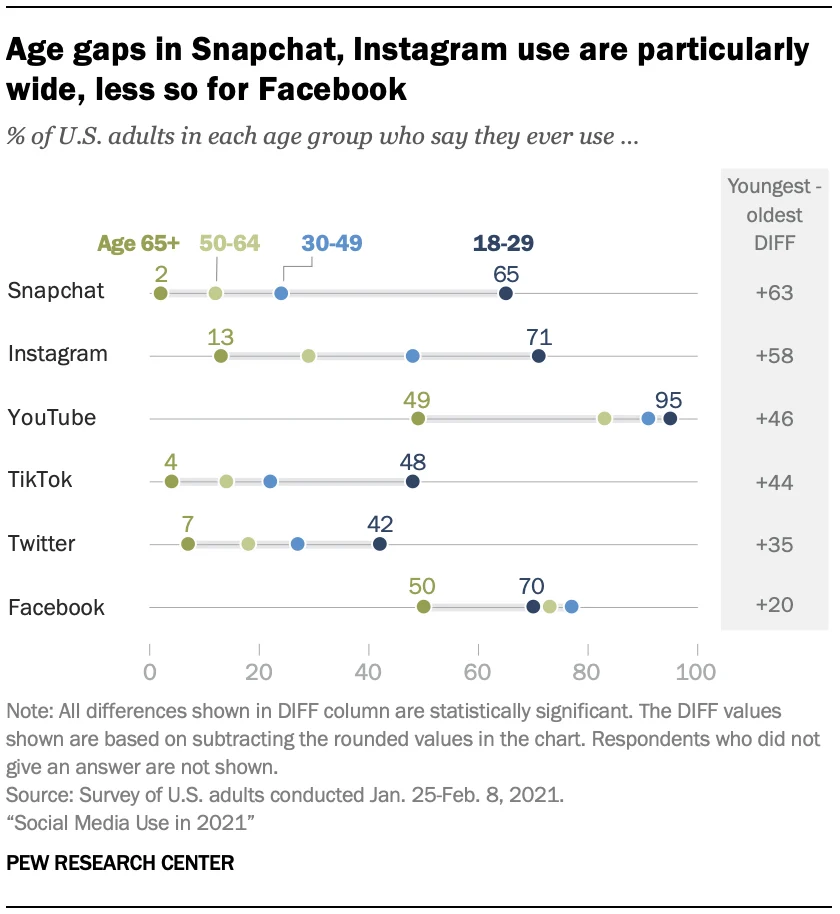
Gen Z’s digital habits are characterized by a preference for visual, interactive, and short-form content. While they are present on a wide array of social media platforms, their engagement levels vary significantly. Data indicates that platforms like TikTok, Instagram, YouTube, and Snapchat are particularly dominant within this demographic.
- TikTok: This short-form video platform has become a cultural phenomenon, driven by its algorithm that surfaces personalized content. Gen Z utilizes TikTok not only for entertainment but also for discovering trends, learning new skills, and engaging with brands in creative and often humorous ways.
- Instagram: While the platform’s user base has diversified, Instagram remains a key channel for Gen Z, particularly for visual content, influencer marketing, and connecting with brands through Stories and Reels.
- YouTube: The go-to platform for longer-form video content, tutorials, product reviews, and vlogs. Gen Z uses YouTube for in-depth research and entertainment, making it an essential platform for brands looking to provide educational or engaging video content.
- Snapchat: Known for its ephemeral messaging and augmented reality filters, Snapchat remains popular for peer-to-peer communication and engaging with brands through interactive lenses and short-form content.
The provided image illustrating age gaps across different social media platforms reinforces the dominance of these channels among younger demographics. It visually demonstrates the significant concentration of Gen Z users on platforms like TikTok and Snapchat, while also showing their continued presence on Instagram and YouTube. This data underscores the need for marketers to prioritize these platforms when developing their Gen Z outreach strategies.

Messaging That Speaks to Gen Z
Crafting messages that resonate with Gen Z requires an understanding of their values, skepticism, and desire for authenticity. Generic, overly polished, or hard-sell advertising is unlikely to succeed. Instead, brands should consider the following approaches:
- Authenticity and Transparency: Gen Z values genuine interactions and is quick to spot inauthenticity. Brands should communicate honestly about their products, values, and practices. Behind-the-scenes content, user-generated content, and direct engagement on social media can foster trust.
- Value-Driven Messaging: Beyond product features, highlight how a brand aligns with Gen Z’s ethical and social values. Demonstrate commitment to sustainability, diversity, inclusion, or social causes. This can be done through cause marketing initiatives, transparent supply chains, or partnerships with relevant organizations.
- Interactive and Engaging Content: Gen Z is an active participant in the digital world, not just a passive consumer. Brands should create content that encourages interaction, such as polls, quizzes, contests, challenges, and Q&A sessions. User-generated content campaigns can be highly effective in fostering a sense of community and brand advocacy.
- Short-Form, Visually Appealing Content: Given their shorter attention spans and preference for mobile consumption, content should be concise, visually striking, and easily digestible. This aligns with the success of platforms like TikTok and Instagram Reels, where quick, engaging videos capture attention.
- Humor and Relatability: While diverse, Gen Z often appreciates humor that is self-aware and relatable. Brands that can inject personality and a touch of wit into their messaging, without appearing forced, can forge stronger connections.
- Empowerment and Individuality: Messaging that celebrates individuality and empowers Gen Z to express themselves is likely to resonate. This could involve highlighting diverse perspectives, showcasing unique customer stories, or offering customizable products and experiences.
The successful marketing to Generation Z is not about adopting a one-size-fits-all approach. It requires continuous learning, adaptation, and a genuine effort to understand their evolving needs, values, and digital behaviors. By focusing on authenticity, value, and engaging content, brands can build meaningful connections with this influential generation, ensuring their marketing efforts are not only seen but also heard and acted upon.
For businesses seeking to refine their digital marketing strategies and effectively connect with the Gen Z audience, a partnership with experienced marketing professionals can provide the necessary expertise and tailored solutions. By leveraging in-depth market research and data-driven insights, agencies can help brands navigate the complexities of generational marketing and achieve impactful results.