The business world is witnessing a significant evolution in marketing strategies, with collaborations between businesses and influential creators no longer an experimental tactic but a foundational element for modern B2B marketing. This shift is underscored by robust data and increasing investment, indicating a mature and impactful approach to engaging target audiences. According to TopRank Marketing’s latest B2B influencer marketing research, a substantial 43% of B2B marketers report outstanding results from their influencer marketing programs, with 82% of the most successful initiatives employing an “always-on” strategy. This consistent success is fueling further investment, with 81% of B2B marketers now allocating a dedicated budget to influencer marketing and 53% planning to increase that allocation. Projections from Forrester anticipate this trend, predicting that 75% of B2B brands will escalate their investments in influencer relations by 2026.
As B2B brands move beyond initial experimentation to implement sequential campaigns and continuous engagement models, a critical question arises: how can businesses best expand and engage with business influencers and creators to drive measurable business impact? With over a decade of experience providing enterprise B2B brands with influencer marketing solutions, TopRank Marketing is uniquely positioned to address this challenge. This article outlines a comprehensive collection of updated B2B influencer campaign and activation opportunities for 2026, blending proven methodologies with innovative tactics such as AI-driven matching, performance-based commissions, and strategic embedding within dark social communities.
AI’s Ascendancy: Optimizing for LLMs and Search Visibility
The rapid integration of Artificial Intelligence (AI) into B2B buyer search behaviors necessitates a strategic adaptation for brands. Optimizing for Large Language Models (LLMs) has emerged as a paramount priority. TopRank Marketing’s B2B Influencer Marketing Report highlights that 44% of B2B marketers identify AI’s role in expanding and optimizing influencer content as the most significant emerging trend. Concurrently, Google’s increasing emphasis on EEAT (Experience, Expertise, Authoritativeness, Trustworthiness) signals for search visibility means that collaborating with authoritative voices within an industry can yield substantial SEO benefits.
Key Strategies for AI Search Visibility:
- Publish Proprietary Data and Mini-Reports: LLMs actively seek and cite original data to answer user queries. By releasing proprietary industry data, brands create valuable “referenceable assets” that AI tools like ChatGPT and Perplexity can readily ingest and attribute. This positions the brand as a primary source of information, influencing AI-generated content.
- Embed Executives in Reddit and Industry Forums: Research from Tinuiti indicates that Reddit accounts for 44% of all social media citations within Google AI Overviews. Active participation by subject matter experts in these communities ensures that brand perspectives are incorporated into LLM training data, enhancing discoverability and authority.
- Sponsor Independent Newsletters and Substacks: Publications that are openly crawlable by LLMs significantly shape the narratives that AI models learn. Sponsorships or co-authorships with independent analysts ensure brand mentions within high-trust environments that LLMs index, extending reach and credibility.
- Create Scannable “Canonical Definition” Pages with Influencers: When a brand establishes itself as the definitive source for a new industry concept, AI tools disproportionately cite it. Collaborating with experts to develop clear, structured explainer pages allows LLMs to easily extract and reference this foundational content.
- Publish Full Transcripts of Influencer Podcast Interviews: The extensive word count within podcast conversations, when transcribed and published, transforms audio insights into indexable text. This boosts long-tail search visibility and increases the likelihood of AI citations, making valuable discussions accessible to AI search engines.
- Develop an “AI Mention” Outreach Strategy for PR: Moving beyond traditional link-building, pitching journalists and creators with specific data comparisons or ready-made hooks that naturally incorporate the brand can drive AI citations. MuckRack research indicates that a staggering 95% of AI citations originate from public relations and earned media content, underscoring the value of strategic PR.
- Launch Influencer-Led “Troubleshooting” or FAQ Series: Identifying the specific questions B2B buyers pose to AI tools like ChatGPT or Google AI Overviews allows for targeted content creation. Partnering with influencers to develop website content that directly answers these questions establishes the brand as an authoritative and go-to source for solutions.
Amplifying Thought Leadership Through Influencer Co-Creation
For B2B brands aiming for marketing success, influencer collaboration serves as a powerful catalyst for amplifying thought leadership. Ascend2’s 2026 B2B Thought Leadership research reveals a significant disparity: 72% of marketers who frequently collaborate with influencers report their research-based content as highly effective, compared to just 29% of those who do not. This highlights the tangible impact of integrating external expertise into content strategies.
Innovative Influencer Content Co-Creation Approaches:
- Conduct a Series of Video Interviews with Influencers: By selecting key themes and topics, brands can interview top industry experts. The versatility of video content allows for repurposing into podcasts, social media snippets, and textual content for blogs, presentations, and newsletters, maximizing reach and engagement. TopRank Marketing’s “Beyond B2B Marketing” podcast exemplifies this strategy.
- Add Influencer Reactions and Expertise to Research Reports: Companies like Cherwell Software have successfully engaged relevant influencers to add their expertise to research reports, enhancing their credibility. Adobe’s “Analytics Champions” campaign, which partnered with prominent data experts for an in-depth guide, resulted in a 150% increase in lead captures compared to previous traditional marketing efforts.
- Invite Influencers to Contribute to Interactive Content Experiences: Interactive formats captivate audiences and elevate the status of contributing influencers by increasing their visibility. Typeform’s “Get Real” campaign replaced traditional gated PDFs with an interactive landing page featuring 146 video responses from influencers and marketers, effectively transforming survey respondents into brand advocates.
- Commission Influencer-Authored Articles for Brand Sites: Brands that proactively address buyer questions provide immense value. Inviting third-party experts to contribute useful content in answering these questions further amplifies this value. It is important to note that consistent contributions often involve a paid engagement with the influencers.
- Create Ebooks Featuring Brand Thought Leadership Augmented by Influencer Insights: Oracle Dyn’s “Cybersecurity Intelligence Report” is a prime example, blending insights from respected influencers and practitioners with executive contributions to build credibility through association.
- Engage Influencers to Contribute Expertise to Brand Theme Content: Many B2B brands produce content lacking third-party credibility. Adobe’s engagement of multiple influencers to provide insights on customer experience management in an interactive infographic for the Adobe Summit conference demonstrates a strategic approach to bolstering content authority.
- Feature Quotes from Influencers in Roundup Blog Posts or Landing Pages: Dell Outlet Small Business utilized commentary from multiple small business influencers on a dedicated landing page to discuss the value of refurbished computers, effectively driving awareness and engagement.
- Curate and Repurpose Influencer Quotes as Social Shares: Modular content strategies, utilizing templates from influencer interviews, facilitate the creation of a rich library of topic-organized influencer quotes. These can be seamlessly integrated into social shares, contributed articles, newsletters, blog posts, and presentations throughout the year, ensuring consistent brand messaging.
Social-First and Digital Video Activations for B2B Creators
Social media remains a dominant channel for B2B influencer activations. The TopRank Marketing 2025 B2B Influencer Marketing Report indicates that social media posts are cited by 56% of marketers as the most effective content type for B2B influencer programs, surpassing all other formats. This dominance highlights the importance of engaging creators within these dynamic platforms.
Effective B2B Creator Social-First Strategies:
- Leverage LinkedIn Thought Leader Ads: Promoting individual posts from experts bypasses the “brand logo” trust barrier. Nextiva achieved a remarkable 5600% growth in influenced sales pipeline by sponsoring video content from internal subject matter experts on LinkedIn, effectively humanizing enterprise brands and demonstrating the power of authentic voices.
- Launch Short-Form Video Series on TikTok or YouTube Shorts: Microsoft’s collaboration with lifestyle creators like Alix Earle for the Copilot launch garnered over 15 million views, making AI tools a trending topic among younger professional audiences. IBM’s multi-platform blitz for its Granite AI platform generated an impressive 43 million impressions.
- Co-create LinkedIn Newsletters with Established Creators: Partnering with niche creators who possess highly engaged subscriber bases allows brands to tap into pre-built, high-intent communities, circumventing the need to build an audience from scratch.
- Create “Street-Style” Expert Interview Video Series: Pinpoint’s viral LinkedIn video series, “Red Flag, Green Flag,” at RecFest UK, captured instant expert reactions to hiring scenarios from talent leaders using a “street interview” format. This approach humanized the brand through unscripted, authentic insights.
- Partner Influencers with Customers for Interview Series: Customer trust in brands can be limited, but trust in peers and experts is often higher. Facilitating conversations between credible industry experts and brand clients inspires genuine dialogue that resonates deeply with potential customers, fostering authentic testimonials.
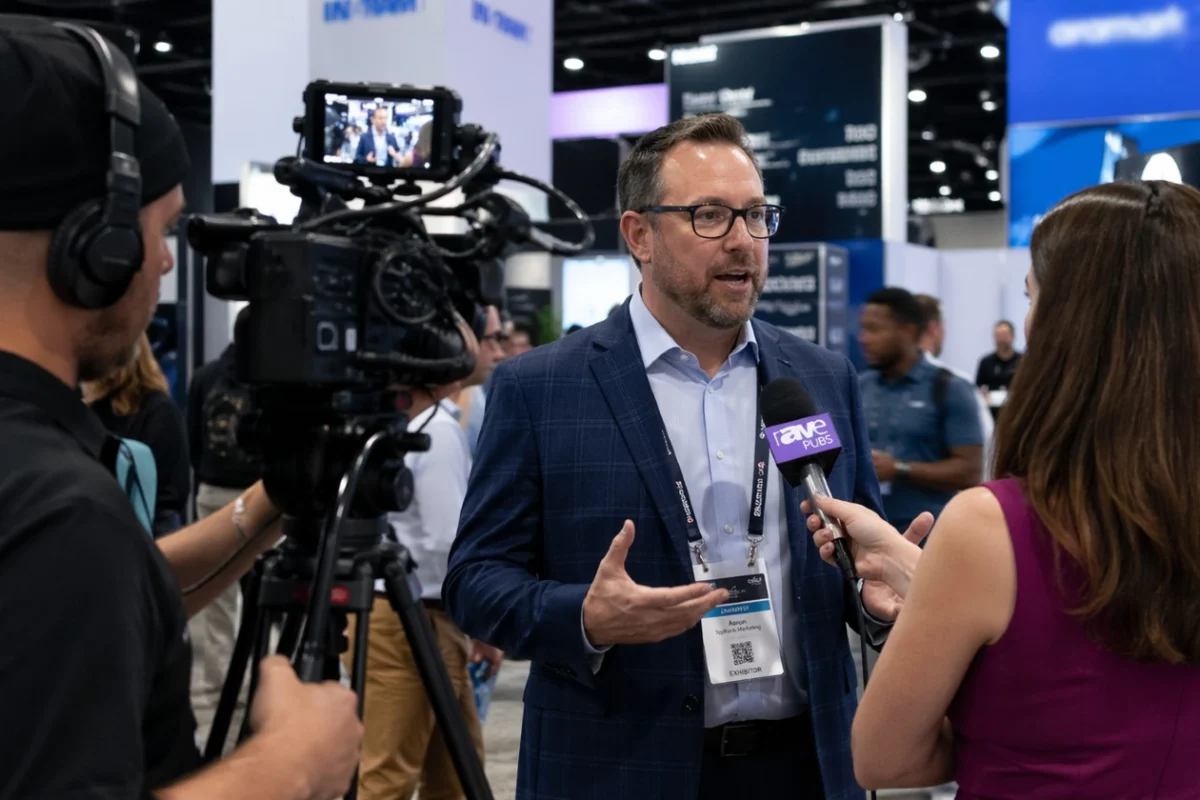
- Engage Influencers as Emcees or Digital Correspondents at Brand Conferences: A digital correspondent can enhance conference coverage through interviews and commentary, elevating brand presence. These emcee activations can extend beyond conferences to VIP dinners, roadshows, or virtual events, providing dynamic on-the-ground engagement.
- Facilitate Tech Influencer “Unboxing” or Software Walkthrough Videos: B2C influencer tactics can be effectively adapted for B2B products. Inviting influencers to conduct software walkthroughs and post them across platforms like Instagram, Facebook, TikTok, and YouTube can demystify complex B2B solutions for a wider audience.
The Power of Podcasts and Episodic Content
Audio and episodic content offer a distinct avenue for sustained engagement with B2B audiences. TopRank Marketing’s research indicates that podcasts are emerging as one of the most effective content types for influencer programs. Vox Media and MAGNA further support this, finding that 75% of weekly podcast listeners consider podcast hosts more influential than social media influencers.
Effective B2B Influencer Podcast and Episodic Formats:
- Engage an Influencer Host on a Brand Podcast: Tamara McCleary’s role on the SAP Tech Unknown podcast, interviewing influencers and SAP executives, resulted in a 66% increase in downloads and over 52 million social media impressions, showcasing the impact of an expert host.
- Produce Episodic Talk Show Formats: Lenovo’s “Late Night I.T.” campaign, a benchmark in tech talk show formats, generated over 300 million impressions and 72 million video views, leading to a 7-point lift in brand consideration among large enterprises.
- Run Webinars Featuring Influencers as Hosts or Guests: Featuring industry experts in webinars is a proven influencer activation strategy. Sprinklr’s “Across the Socialverse” masterclass series leveraged influencer expertise to drive over 5,000 registrations, demonstrating the power of collaborative learning.
- Co-create Podcast Episodes on Influencer Channels: Producing organic or paid podcast episodes on established influencer channels, with a focus on genuinely useful content and supporting materials like original research or polls, maximizes reach through cross-channel amplification.
- Create “Ask-the-Expert” Video Series: Hosting this on a brand’s YouTube channel, with influencers joining a brand co-host to answer community questions, provides an ongoing series that benefits numerous industries by addressing common queries directly and authoritatively.
B2B Events, Experiences, and Community Building
Despite the digital saturation, face-to-face interactions retain significant impact, perhaps even more so in the age of AI. The 2025 B2B Influencer Marketing Report from TopRank Marketing identifies in-person events as the second most effective type of influencer content for B2B marketers, trailing only social media posts at 39%.
Engaging B2B Events and Community Strategies:
- Host Creator-Led Retreats and Outposts: Zapier reimagined B2B events by hosting a glamping retreat for creators, focusing on co-creation and relationship building. This initiative generated $136,000 in earned media value, demonstrating the power of immersive experiences.
- Invite Influencers to Brand HQ Events: Offering tours, executive meet-and-greets, and educational sessions at brand headquarters provides unique content creation opportunities. Adobe’s deep dive event for 18 industry influencers into CDP and CXM topics resulted in highly valuable documented experiences.
- Enlist Influencers as Contest Judges: Alcatel Lucent Enterprise utilized influencers as judges for their IT Vanguard Awards, generating significant exposure for winners, judges, and ALE, and resulting in multiple six-figure leads.
- Engage Influencers as Keynote Speakers or Workshop Facilitators: Influencers with deep industry expertise can inspire audiences at user conferences, elevating event performance. Beyond discovery and engagement, their involvement can significantly contribute to customer retention by reinforcing client relationships.
- Invite Influencers to Livestream and Document Brand Events: A select group of influencers documenting their experience at a brand event can yield substantial impact. At SAP’s annual conference, 15 influencers were responsible for 25% of all social media impressions, illustrating their amplification power.
- Host VIP Dinners with Influencers, Clients, and Prospects: Connecting clients with top industry influencers creates memorable experiences and fosters a lasting top-of-mind awareness that is invaluable for brand building.
- Facilitate Executive Meetings with Influencers: The Digital Marketing Institute’s Global Industry Advisory Council, formed with influencers, provides insights into the state of digital marketing. Publishing summaries of these conversations benefits both customers and prospective customers.
Performance, Data, and Innovative Campaign Design
While 43% of B2B marketers report outstanding results from influencer programs, this figure rises to an impressive 79% for those with mature, “always-on” strategies. New data from LinkedIn’s Global B2B Marketing Outlook confirms that 81% of UK B2B marketers believe working with influencers or creators enhances trust and credibility among decision-makers.
Data-Driven and Innovative Campaign Tactics:
- Implement Performance-Based Commission Programs: Submagic generated over $1 million in revenue within 90 days by implementing a performance-based commission structure, where influencers earned a percentage of conversions rather than fixed fees, aligning incentives with tangible results.
- Utilize Interactive Funnel Triggers: Kittl employed interactive Instagram Reels with automated keyword triggers in comments to drive high-intent trial sign-ups, positioning itself as a credible alternative to established tools.
- Execute World Record and Stunt Campaigns: Travelport’s “7 Wonders Challenge,” where an influencer visited all seven world wonders in seven days using their platform, generated 2.76 billion impressions, positioning a complex B2B booking tool as a seamless solution.
- Create Pop Culture and Nostalgia-Based Campaigns: AT&T Business’s “Sleep With Rain” campaign, reuniting the cast of “The Office” to address small business owner sleep deprivation, leveraged nostalgia to achieve over 2.5 billion impressions, demonstrating the power of relatable storytelling.
- Leverage AI-Powered Influencer Matching: IBM utilized the IBM Watson-powered Influential platform to analyze influencer personality traits, resulting in a 30% increase in engagement compared to non-sponsored posts, highlighting the precision offered by AI in selection.
- Build Influencer Insight Networks and Advisory Panels: Moving beyond sponsored posts, establishing long-term advisory panels can inform R&D and product strategy. Rubix Foods created the “NEXT Flavor Network,” a group of Gen Z foodie influencers who serve as insight generators for restaurant brands.
- Embed in Dark Social and Private Communities: Slack’s social team actively participated in private communities and LinkedIn threads to build relationships organically, rather than solely focusing on likes. Their “Hype Machine” initiative surprised loyal users with personalized gifts, triggering significant viral engagement.
- Formalize Employee Advocacy Alongside External Influencers: LinkedIn data reveals that employee networks are typically 12 times larger than a company’s own following. Campaigns like LinkedIn’s #MyMarketingStory saw a 239% increase in reactions by encouraging both employees and influencers to share authentic, lived experiences.
- Publish Top Influencer Lists by Industry Vertical: Creating and annually publishing qualitative lists of industry leaders can attract influencers’ attention and serve as a prelude to collaboration opportunities.
- Create Blog Series Featuring Author Influencers and Their Books: LinkedIn Marketing Solutions has published well-received blog series honoring top marketing authors, inspiring both readers and authors and fostering industry connections.
While these strategies offer a wealth of actionable ideas, establishing a foundational strategy is paramount. Understanding which influencers and topics align best with a brand’s objectives and target audience is crucial. Identifying the right influencers, ensuring they meet reach, relevance, and resonance criteria, while also aligning with brand values and performance expectations, remains a key challenge. Negotiating terms, managing content licensing, developing briefs, overseeing deliverables, and meticulous measurement are specialized areas that require expertise.
Ultimately, while influencers are not a panacea, cultivating strong relationships with a relevant group of influential voices can yield seemingly magical impacts on marketing performance across the entire customer lifecycle. To further explore how collaborating with B2B influencers and creators can elevate brand visibility, trust, and overall marketing performance, deeper strategic planning and execution are essential.