rifanmuazin
A comprehensive sales strategy is the bedrock upon which sustainable business growth is built. It encompasses every facet of the sales cycle, from meticulously defining target audiences and the precise methods for engaging them, to the selection and implementation of essential tools and robust processes. Far from being static, effective sales strategies are dynamic, living documents, continuously refined and updated with critical insights gleaned from market shifts, evolving company objectives, and the invaluable feedback loop from the sales team itself. This iterative approach is crucial for optimizing future sales activities and ensuring sustained competitive advantage.
The strategic advantage conferred by a well-articulated sales strategy is multifaceted. For sales representatives, it translates into a highly productive allocation of their valuable time, enabling them to focus on activities with the greatest potential for conversion. Simultaneously, it empowers the marketing team to craft and execute more impactful campaigns, ensuring the company and its offerings are positioned with maximum clarity and resonance in the marketplace. The tangible benefits of investing in a deliberate sales strategy are substantial, directly impacting a company’s ability to generate revenue and foster long-term prosperity.
Maximizing Impact Through Focused Efforts
One of the most immediate and significant benefits of a robust sales strategy is the ability for sales teams to concentrate their efforts on high-impact activities. Many small and growing businesses grapple with the challenge of consistently generating leads and increasing sales revenue. A well-defined strategy, however, illuminates the path forward. By meticulously identifying and understanding the ideal buyer persona – their needs, pain points, and the value propositions that resonate most deeply – businesses can move beyond scattershot approaches. This clarity allows sales professionals to direct their energy toward prospects who are most likely to convert, ensuring that every interaction is purposeful and contributes directly to the bottom line. The result is a more efficient and effective sales force, capable of driving meaningful growth.

Fueling Revenue Growth and Pipeline Expansion
A primary objective for any business is revenue growth, and a strategic sales plan provides a clear roadmap to achieve this. Options for expansion are varied, ranging from strategic price adjustments to optimizing acquisition channels for higher conversion rates. Crucially, research consistently underscores the power of alignment between sales and marketing. A study by HubSpot revealed that when sales and marketing teams collaborate strategically, companies experience a remarkable 38% increase in sales win rates. This synergy ensures that marketing efforts are precisely targeted to attract the right leads, and that sales teams are equipped with the insights and tools to effectively nurture and close those opportunities. By meticulously planning and executing these integrated efforts, businesses can significantly expand their revenue streams and build a more robust sales pipeline.
Establishing Repeatable Systems for Predictable Growth
Beyond immediate gains, a sales strategy is instrumental in establishing repeatable systems that foster predictable and scalable growth. By identifying the most effective sales methodologies and codifying them into actionable processes, companies can move away from ad-hoc approaches and guesswork. This systematization ensures that successful tactics are consistently applied across all leads, rather than relying on the intuition of individual representatives. For instance, if data indicates that prospects who receive a product demo convert at a 50% higher rate than those who do not, this becomes a clear, repeatable action to be integrated into every sales interaction. Such systematic implementation minimizes variability and maximizes the likelihood of success, creating a foundation for sustained and predictable revenue generation.
Navigating the Landscape of Sales Methodologies
Understanding the various approaches to sales is crucial for developing an effective strategy. While there is no universal prescription, a business’s model and customer base will typically dictate a preference for one or a combination of inbound sales, outbound sales, and account-based marketing (ABM).
Inbound Sales: Attracting and Engaging
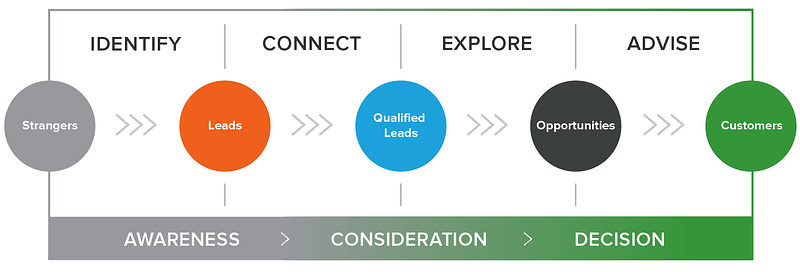
Inbound sales strategies center on attracting potential customers by providing valuable content that addresses their needs and interests. This approach often blurs the lines between sales and marketing, with marketing teams playing a pivotal role in content creation and distribution. For example, a company might syndicate a whitepaper that addresses a common industry challenge. Once a lead engages with this content, expressing interest, the sales team can then follow up to schedule a product demonstration or delve deeper into the prospect’s specific pain points. In this model, sales representatives often act as advisors, guiding leads through the process and ensuring that the product or service is a genuine fit for their requirements. This consultative approach builds trust and fosters stronger relationships.
Outbound Sales: Proactive Engagement
Conversely, outbound sales strategies involve the proactive sourcing and contacting of potential leads. This methodology has been the engine for countless successful businesses, driven by tactics such as cold email campaigns and direct outreach. For outbound sales to be effective, a business must possess a compelling offer and a seamless sales process. Furthermore, adherence to data privacy regulations, such as GDPR, is paramount when sourcing leads. Companies that excel in outbound sales often invest in sophisticated lead generation tools and employ rigorous qualification processes to ensure their outreach is targeted and relevant.
Account-Based Marketing (ABM): Precision Targeting
Account-Based Marketing (ABM) represents a highly strategic approach that focuses on identifying and engaging specific high-value accounts. This methodology involves pinpointing organizations that demonstrate a strong fit for a company’s products or services, and then developing tailored content and outreach campaigns designed to nurture these leads effectively. ABM campaigns typically involve engaging multiple decision-makers within a target company, aiming to build consensus and facilitate a smoother closing process. This approach demands close collaboration between sales and marketing teams, as campaigns are built around a defined target account list. An example of ABM in action might involve coordinated LinkedIn advertising targeting key decision-makers at a specific company, coupled with personalized cold outreach from the sales team. This flips the traditional model by starting with the target audience and then crafting the marketing and sales efforts to convert them. ABM is particularly recommended for businesses with the resources to invest in such a targeted approach.
The Foundational Steps to Crafting Your Sales Strategy
Developing a successful sales strategy requires a structured, methodical approach, beginning with a deep understanding of the business’s unique context and objectives.
1. Understanding Your Ecosystem: Industry, Product, and Buyer
The initial, and arguably most critical, step in building a sales strategy is a thorough consideration of your industry, product or service, and most importantly, your ideal buyer persona. This foundational understanding dictates how your business will be positioned and how its value will be communicated to potential customers. Factors such as the Average Contract Value (ACV) significantly influence the chosen tactics. Businesses with a low ACV may employ high-volume, automated approaches, while those with a high ACV might focus on personalized, consultative sales processes. Similarly, industry norms play a crucial role; some sectors thrive on in-person interactions and trade shows, while others are predominantly digital.

2. Setting Ambitious Yet Achievable Sales Goals
Sales goals must be intrinsically linked to broader company objectives. Once overarching sales targets are established, they should be meticulously broken down into Key Performance Indicators (KPIs) and individual goals for each sales representative. For instance, a broad revenue target might translate into a KPI for the number of qualified leads generated per week or a specific target for cold emails sent. The ultimate aim is to ensure that sales goals accurately reflect the expected efforts of the team and the desired outcomes, providing a clear benchmark for success.
3. Identifying Key Acquisition Channels
The selection of effective acquisition channels is directly informed by the buyer persona. Understanding who your ideal customer is and the most effective ways to reach them is paramount. Depending on the target audience, a mix of demand generation strategies can be employed. For businesses selling low-cost, high-volume products, channels like cold emailing and cold calling might be less efficient than those that require less direct sales time. Conversely, for expensive, infrequently purchased solutions, cold emails can serve as an effective initial touchpoint to educate prospects before a more involved phone conversation.
4. Rigorous Measurement of Sales Performance
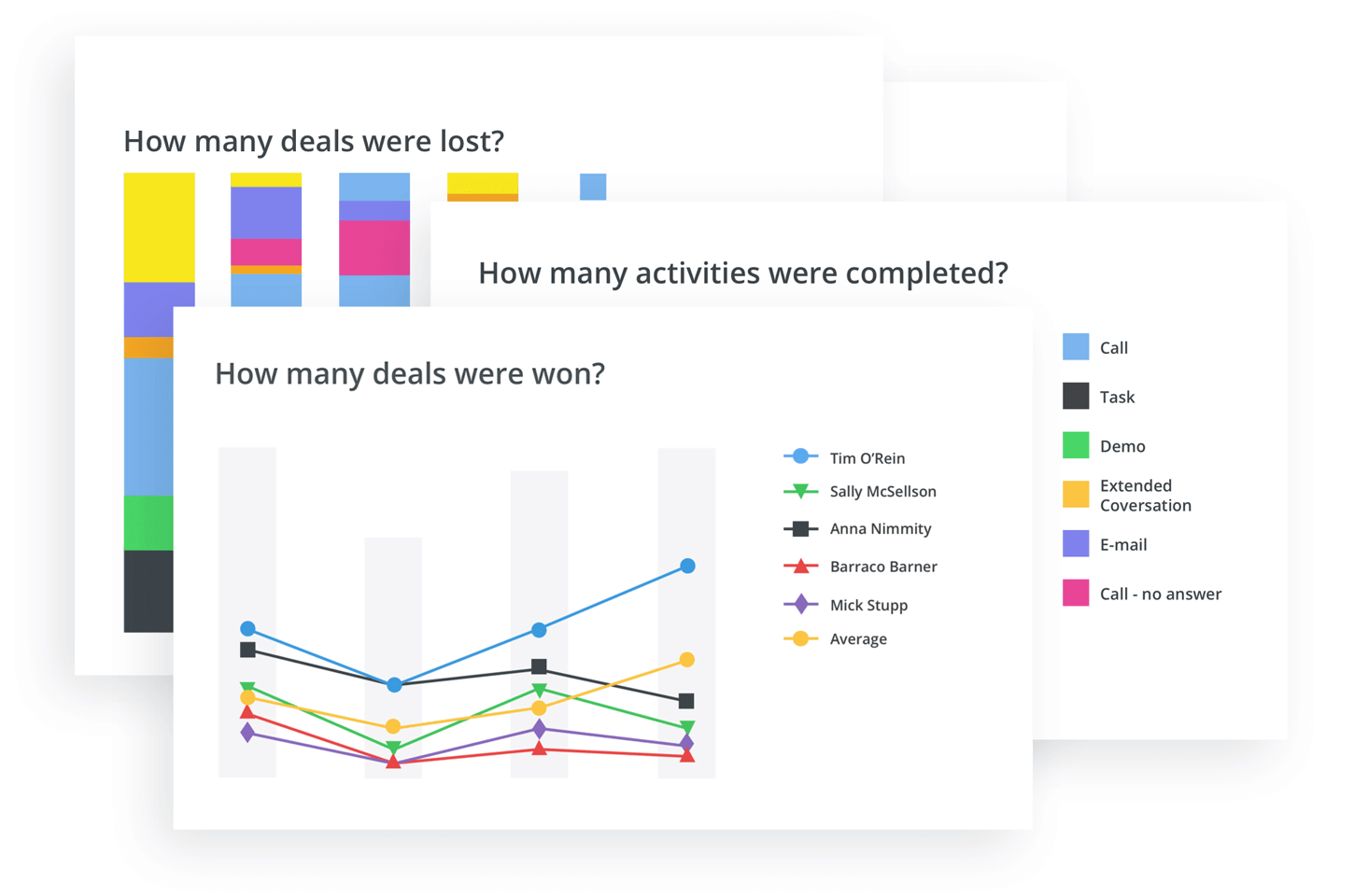
Continuous measurement is the only reliable method for assessing progress against sales targets. Without tracking key metrics, it is impossible to discern what strategies are effective and where valuable resources are being misallocated. A variety of sales goal tracking tools are available. While spreadsheets like Microsoft Excel or Google Sheets can be adapted for this purpose, dedicated Customer Relationship Management (CRM) systems offer more robust analytics and reporting capabilities. CRMs such as Pipedrive provide detailed insights into metrics like cold email performance, open rates, response rates, and revenue forecasts. Over 50% of sales teams report increased productivity when utilizing a CRM, highlighting its importance in ensuring efficient time utilization and the effectiveness of sales strategies.
5. The Power of Process Automation
Once a sales strategy demonstrates success, the next logical step is to automate repetitive processes. As sales efforts gain traction, the administrative burden can quickly escalate, potentially diverting sales representatives from high-value engagement with leads. Automating tasks such as lead list generation, lead scoring, and follow-up sequences can significantly streamline operations. Tools from providers like DemandScience can assist in creating targeted lead lists based on detailed buyer persona criteria, filtering by job titles, industries, company size, and technology stacks. Similarly, platforms like Lead Forensics can identify website visitors, enabling proactive outreach. Automated lead scoring, available through many CRMs like HubSpot, Salesforce, and Agile CRM, helps sales teams prioritize their efforts by identifying leads that are most ready to engage.
Continuous Optimization for Sustained Success
The sales landscape is constantly evolving, necessitating ongoing optimization of sales strategies. This involves a proactive approach to identifying underperforming areas within campaigns and addressing them systematically. For instance, if cold email open rates are consistently low, a critical analysis should focus on two key variables: the subject line and the email content itself. By systematically altering one variable at a time and monitoring the impact on outcomes, businesses can iteratively refine their approach for maximum effectiveness.
The Enduring Value of Existing Customers
In the pursuit of growth, it is crucial not to overlook the immense value of existing customers. Statistics indicate that businesses are significantly more likely to secure repeat business from current customers than to acquire new ones. To capitalize on this, maintaining high levels of customer satisfaction is paramount. Failure to do so can lead to substantial revenue loss, with companies in the United States alone losing billions annually due to avoidable customer churn. Nurturing existing relationships and ensuring continued satisfaction is not merely a customer service function; it is a critical component of a holistic and profitable sales strategy.