rifanmuazin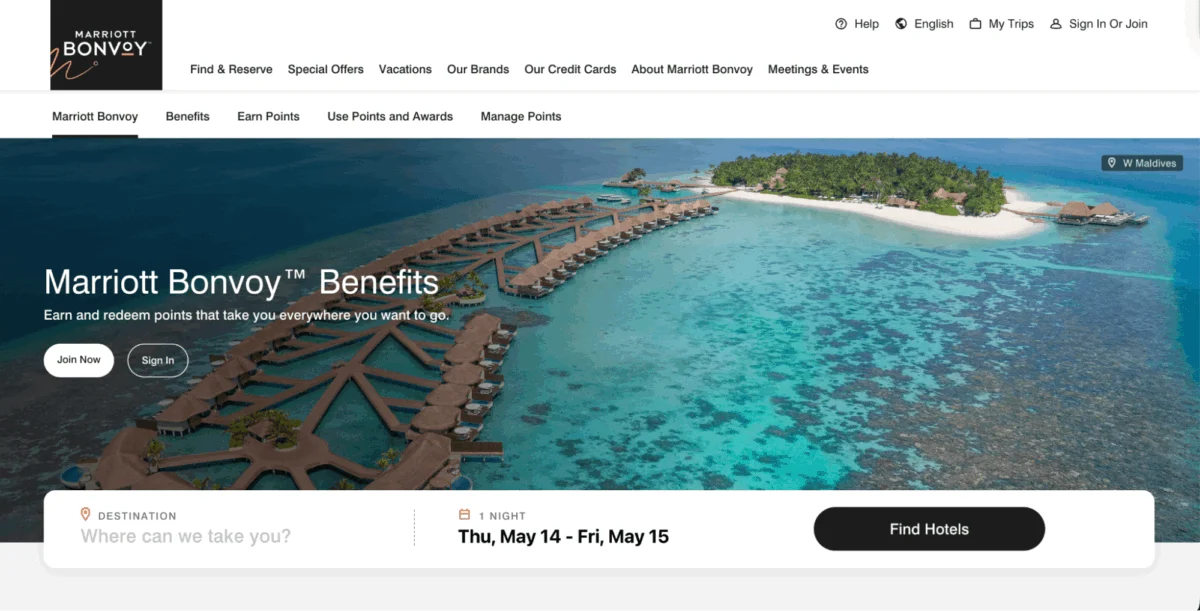
While the landscape of consumer engagement is saturated with loyalty programs, with average consumers belonging to over 15, active participation often falls short, with fewer than half truly engaging. This disparity highlights a critical challenge for businesses: the problem lies not in the proliferation of programs, but in their fundamental design. Successful loyalty initiatives, those that genuinely foster repeat engagement and cultivate enduring customer relationships, are meticulously crafted around a distinct set of structural and psychological principles. This article delves into these foundational tenets, examines 17 distinct and exemplary loyalty programs across various sectors, and dissects their construction and efficacy, providing actionable insights for businesses aiming to upgrade or develop robust loyalty strategies.
The Loyalty Paradox: High Membership, Low Engagement
The prevalence of loyalty programs underscores their perceived value in the modern business environment. Companies invest significant resources in their creation, driven by the understanding that customer retention is often far more cost-effective than customer acquisition. Studies consistently demonstrate that increasing customer retention rates by just 5% can boost profits by 25% to 95%. Yet, despite this strategic imperative and the sheer volume of programs available, a significant portion of consumers remain disengaged. This “loyalty paradox” suggests that many programs fail to resonate, offering either insufficient value, overly complex mechanics, or a lack of emotional connection. The key to overcoming this lies in designing programs that tap into deeper consumer motivations beyond mere transactional rewards.
The Evolving Landscape of Customer Retention
The concept of customer loyalty has evolved considerably from its nascent forms, such as simple punch cards or stamp programs. The digital age, characterized by abundant data and sophisticated analytics, has transformed loyalty initiatives into complex ecosystems designed to foster deep brand affinity. Early loyalty programs, like frequent flyer miles introduced by airlines in the 1980s, primarily focused on incentivizing repeat purchases through tangible rewards. United Airlines’ MileagePlus, launched in 1981, is a testament to this enduring model, having grown into a program estimated to be valued at $25.3 billion.
Today, however, a successful loyalty program is no longer a standalone perk; it is an integral component of the overall customer journey, often deeply embedded within a brand’s digital infrastructure. This evolution has been driven by several factors: the increasing cost of customer acquisition, the desire for richer customer data to enable personalization, and the growing consumer expectation for tailored experiences and value beyond just discounts. The shift reflects a move from purely transactional relationships to more holistic, relationship-driven engagement, where brands seek to understand and reward not just purchases, but also advocacy, engagement, and alignment with shared values.
Foundational Pillars of Effective Loyalty Programs
While the specific mechanics of loyalty programs vary widely, all truly successful initiatives are built upon a common set of strategic criteria. These pillars ensure that programs are not only attractive but also sustainable and impactful:
- Ease of Access and Understanding: A program must be simple to join and its benefits immediately clear. Complex rules, obscure redemption processes, or hidden terms deter participation. The most effective programs, whether points-based or tiered, communicate their value proposition unequivocally from the outset.
- Tangible and Attainable Rewards: Rewards must be desirable and within reach. If customers perceive rewards as too difficult to earn or not valuable enough, their motivation wanes. Starbucks Rewards, for instance, offers easily accumulated “Stars” redeemable for highly desired items like free drinks, demonstrating clear and immediate gratification.
- Seamless Integration and Multi-channel Engagement: Modern consumers interact with brands across various touchpoints. A successful loyalty program must integrate effortlessly into these channels—from in-store purchases and mobile apps to online platforms and customer service interactions. This holistic approach ensures consistent engagement and reinforces the brand experience.
- Personalization and Emotional Connection: Leveraging customer data to offer personalized rewards, recommendations, and experiences significantly enhances engagement. Beyond transactions, fostering an emotional connection through shared values, community building, or exclusive experiences transforms customers into brand advocates. This moves beyond mere discounts to cultivate genuine affinity.
- Alignment with Brand Identity and Values: The loyalty program should authentically reflect the brand’s core mission and identity. Patagonia’s Worn Wear program, for example, directly embodies its commitment to sustainability, resonating deeply with its environmentally conscious customer base and reinforcing brand loyalty through shared principles.
Deep Dive into Exemplary Loyalty Models
Examining leading loyalty programs across various categories reveals the diverse ways these foundational principles are applied to achieve remarkable success.
Transactional Excellence: Points and Tiered Systems
These models form the backbone of many loyalty initiatives, leveraging quantifiable rewards and aspirational status to drive repeat business.
- 1. Starbucks Rewards: Perhaps the quintessential points-based system, Starbucks Rewards exemplifies simplicity and integration. By 2025, this program boasted over 35 million active 90-day members in the U.S., reportedly driving a staggering 60% of the company’s revenue. Members earn “Stars” for every dollar spent, redeemable for free beverages and food items. Its seamless integration with the Starbucks app—allowing for order-ahead, mobile payment, reward tracking, and personalized offers—is a critical factor in its success, making the program an indispensable part of the daily ritual for many.
- 2. MyMcDonald’s Rewards: Launched in the U.S. in 2021, MyMcDonald’s Rewards quickly became one of the fastest-growing programs in the restaurant sector. Within a 90-day window, it amassed over 150 million members worldwide, contributing an impressive $20 billion in annual sales. Like Starbucks, its strength lies in its straightforward points system, allowing customers to redeem points for free menu items without complex rules or minimum spend thresholds, thereby making rewards accessible and desirable for a broad customer base.
- 3. Dunkin’ DD Perks: Designed partly to compete with Starbucks, DD Perks offers five points for every dollar spent, with 200 points earning a free medium beverage. A key differentiator is its immediate gratification strategy: new members receive a free drink upon their first order with a linked Dunkin’ card, providing an instant incentive for enrollment and initial engagement.
- 4. Sephora Beauty Insider: This tiered program combines points with escalating benefits, creating a clear path for customer progression. With three tiers—Insider (free to join), VIB (spending $350/year), and Rouge ($1,000/year)—Sephora incentivizes higher spending by unlocking exclusive perks like first access to products, unique gifts, and expanded birthday options. The 1 point = 1 dollar system, with 500 points yielding $10 off, is easy to understand, while the aspirational tiers encourage increased customer lifetime value.
- 5. Marriott Bonvoy: Representing one of the most sophisticated tiered programs in hospitality, Marriott Bonvoy encompasses approximately 30 hotel brands globally and serves over 230 million active members. Its six distinct tiers (Member, Silver, Gold, Platinum, Titanium, and Ambassador Elite) offer increasingly valuable benefits, from complimentary upgrades and late check-outs to dedicated concierge services. The clear definition of thresholds and corresponding benefits educates members on how to advance, fostering loyalty across a vast portfolio of properties.
- 6. United MileagePlus: As a pioneer in airline loyalty, MileagePlus demonstrates the long-term value of a well-established program. Members accrue “miles” through flying, hotel stays, car rentals, dining, and co-branded credit card usage. Its tiered structure (Silver, Gold, Platinum, 1K) offers meaningful differentiation in travel perks, such as priority boarding, lounge access, and upgrade opportunities, cementing its position as a highly valuable asset within the airline industry.
Beyond Transactions: Subscription and Value-Driven Models
These programs shift the focus from individual purchases to ongoing relationships, often involving a fee or aligning with broader ethical considerations.
- 7. Amazon Prime: A global benchmark for subscription loyalty, Amazon Prime costs $139 per year or $14.99 per month and offers a comprehensive suite of benefits. Its primary draw is expedited shipping, but it also includes access to streaming services, early deal access, and discounts with partners like Whole Foods. With over 180 million U.S. subscribers, Prime has transformed customer expectations around convenience and value, demonstrating how a robust paid program can drive immense loyalty and market dominance.
- 8. Costco Membership: Costco’s paid membership model is elegantly simple: customers pay an annual fee to access lower prices on bulk goods. The Executive tier enhances this by offering a 2% annual cashback on select purchases, often allowing high-spending members to recoup or even exceed their membership fee, thus reinforcing the program’s inherent value proposition.
- 9. REI Co-op Membership: A one-time $30 payment grants lifetime access to the REI Co-op’s benefits, including a 10% annual dividend on eligible purchases. With over 23 million members, REI fosters a strong community among outdoor enthusiasts, offering exclusive deals on gear, classes, and adventures. Crucially, members also derive satisfaction from knowing their contributions support impactful work on hiking trails across the USA, aligning individual benefit with a collective environmental mission.
- 10. Patagonia Worn Wear: This program brilliantly subverts traditional loyalty models by rewarding customers for extending the life of their existing products rather than solely for new purchases. Members can trade in, repair, and buy secondhand items, earning credits for new products. This directly embodies Patagonia’s commitment to sustainability and high-quality, long-lasting goods, creating profound loyalty among customers who share these environmental values.
- 11. The Body Shop Love Your Body Club: This program seamlessly integrates charitable giving with member activity. Customers can choose to donate their earned rewards to charity partners, transforming personal benefits into collective social impact. This approach appeals to consumers increasingly prioritizing ethical consumption, strengthening the brand’s image and fostering loyalty based on shared social responsibility.
Engagement and Experience: Community, Gamification, and Cashback
These programs focus on interactive experiences, community building, and direct financial incentives to deepen customer relationships.
- 12. Nike Membership: Nike’s free-to-join loyalty program is a masterclass in experiential engagement. It offers members exclusive product drops, early access to releases, personalized training plans, and members-only workout content. By linking products with an active lifestyle and integrating with apps like Nike Training Club and Nike Run Club, Nike moves beyond transactional rewards to deliver real value and a sense of community, reinforcing its brand identity as a partner in athletic achievement.
- 13. The North Face XPLR Pass: This program combines points-based rewards (one point per dollar, 100 points for a $10 reward) with incentives for sustainable and community-focused behaviors. Members earn points for referring friends, using reusable bags in-store, and checking in at National Parks via the app. This emphasis on sustainability and outdoor community creates an emotional connection, further reinforced by discounts for trading in old gear for recycling.
- 14. Target Circle: Target Circle ingeniously blends cashback with community participation. Members receive 1% cashback on every Target purchase, redeemable as future discounts. A unique feature is its voting system, which allows members to direct Target’s charitable contributions to non-profit organizations. This empowers customers to engage beyond transactions, feeling a direct impact on community support through a single, well-designed application.
- 15. Rakuten: Formerly Ebates, Rakuten built its entire business model on the cashback principle. It partners with thousands of retailers, offering members a percentage back on purchases made through its portal. With promotional periods offering 15-20% cashback, Rakuten effectively “trains” members to actively seek out its platform for purchases, making cashback a habitual part of their shopping journey.
- 16. Duolingo: Duolingo exemplifies gamified loyalty, where the program is intrinsically linked to the core product experience. With over 56 million active members globally, the language learning app rewards users for consistent engagement and progress through streaks, virtual currency, leaderboards, and badges. This gamified approach transforms learning into an addictive, rewarding experience, driving continuous interaction and long-term retention.
- 17. Gymshark Loyalty: Gymshark, a fitness brand with £646 million in yearly revenue in 2025, has crafted a loyalty program that extends beyond purchasing. It rewards any interaction with the brand, including content creation, sharing reviews, and completing fitness challenges, creating a multi-channel rewards system. Structured as a tiered program, it offers increasingly valuable rewards, leveraging identity and community to foster deep brand affinity among its fitness-focused customer base.
Strategic Takeaways for Modern Businesses
The success of these diverse programs underscores several universal principles that businesses of all sizes can apply:
- Prioritize Clarity and Simplicity: Regardless of complexity, the program’s rules and benefits must be easy for customers to understand and access. Overly convoluted systems lead to disengagement.
- Offer Diverse and Meaningful Rewards: Go beyond simple discounts. Consider experiential rewards, exclusive access, community benefits, or opportunities for social impact that resonate with your customer base and brand values.
- Leverage Technology for Seamless Integration: A dedicated app, a well-integrated website, and automated communication channels are crucial for delivering a frictionless and personalized loyalty experience. This allows for real-time tracking, personalized offers, and timely notifications.
- Cultivate Emotional Connections: The most powerful loyalty programs foster a sense of belonging, shared values, or aspiration. This can be achieved through community features, mission-driven initiatives, or exclusive experiences.
- Embrace Data-Driven Personalization: Utilize customer data to segment audiences, tailor offers, and predict preferences. As demonstrated by the Enflow Digital case study, precise timing of loyalty-related emails—identified through customer journey analysis—can yield significantly higher engagement, such as a 70% open rate. This precision, rather than guesswork, is key to maximizing impact.
Building a Future-Proof Loyalty Strategy
Businesses do not require the expansive budgets of Starbucks or Amazon’s vast infrastructure to cultivate effective loyalty. The core focus must remain on identifying desired customer behaviors and designing a system that genuinely rewards them. For instance, small businesses can effectively start with a straightforward points-based program, offering immediate rewards for initial purchases and leveraging automated email welcome flows to onboard new members.
The strategic implementation of email and SMS marketing automation is paramount in expanding loyalty-based communication. Platforms like Omnisend provide e-commerce brands with the tools to manage sophisticated flows:
- Milestone triggers: Notifying members when they earn a reward.
- Points-balance reminders: Encouraging redemption before points expire.
- Tier-upgrade notifications: Motivating customers nearing the next loyalty level.
- Win-back flows: Re-engaging lapsed members with targeted incentives.
These automated, personalized communications ensure that loyalty programs remain top-of-mind and continuously drive engagement, transforming passive members into active advocates.
Conclusion: The Imperative of Authentic Engagement
In an increasingly competitive market, customer loyalty is no longer a luxury but a strategic imperative. The most successful loyalty programs transcend mere transactional exchanges, evolving into dynamic ecosystems that offer genuine value, foster emotional connections, and seamlessly integrate into the customer’s life. By focusing on clarity, personalization, technological integration, and alignment with core brand values, businesses can move beyond the “loyalty paradox” to build programs that not only retain customers but also transform them into dedicated brand champions. The future of loyalty lies in authentic engagement, driven by data-informed strategies and a deep understanding of what truly motivates the modern consumer.
Frequently Asked Questions
What are the best loyalty programs?
The best loyalty programs are characterized by clear value, ease of use, and strong customer engagement. Leading examples include Starbucks Rewards for its seamless app integration, Amazon Prime for its comprehensive subscription benefits, Sephora Beauty Insider for its aspirational tiered structure, Marriott Bonvoy for its global reach and differentiated perks, and Nike Membership for its experiential and community-focused approach.
What makes a loyalty program successful?
A successful loyalty program is easy to join, offers tangible and attainable rewards, connects with customers across multiple channels, and is fully integrated into the overall buyer’s journey. Key elements include personalization, alignment with brand values, and a user-friendly interface, often consolidated within a single app that combines shopping, rewards tracking, and communication.
What are the most popular loyalty programs?
Among the most popular programs globally are Amazon Prime (with over 180 million U.S. subscribers, and likely over 200 million globally), Marriott Bonvoy (boasting over 230 million active members), Starbucks Rewards (with 35 million+ active U.S. members), and Sephora Beauty Insider (engaging over 34 million members). These programs demonstrate significant scale and deep market penetration.
Which type of loyalty program works best for e-commerce?
For e-commerce, points-based systems are often highly effective due to their simplicity and direct correlation with purchase activity. These are frequently complemented by multi-channel support for online engagement. Tiered programs are also popular, particularly for brands with a diverse product range, as they incentivize higher spending and offer progressive benefits, appealing to different segments of the customer base.
How do I start a loyalty program for my small business?
For a small business, it is generally advisable to begin with a straightforward points-based program. Establish a system that rewards customers for every dollar spent. To boost initial adoption, promote the loyalty program with an immediate first-purchase reward. Crucially, implement an automated email welcome flow to onboard new members, explain the program’s benefits, and encourage initial engagement, setting the stage for ongoing loyalty.


 Ammar Sabilarrohman
 Asro
Asro