
 rifanmuazin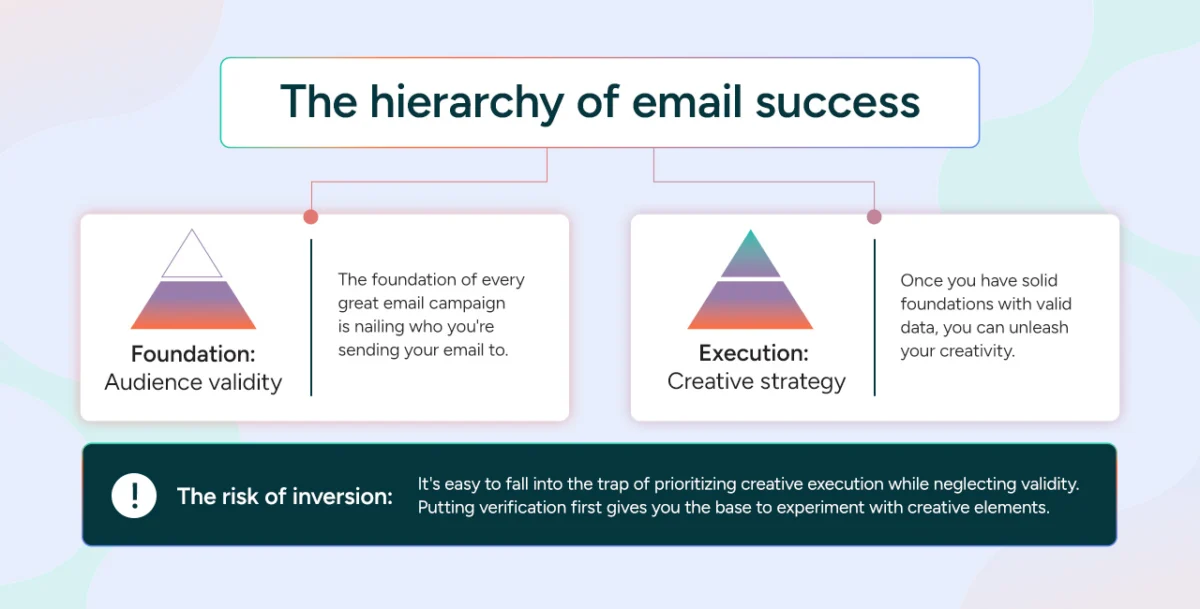
Email marketers often dedicate considerable resources to crafting compelling messages and designing visually appealing campaigns, yet overlook a critical prerequisite: robust email verification. Treating verification as a mere maintenance task is an expensive oversight that can undermine even the most sophisticated marketing efforts. Instead, it must be the foundational first step for all subsequent marketing activities, ensuring that every outreach is built on a solid base of valid, reachable leads. This proactive approach minimizes invalid data, allows for accurate campaign evaluation, and ensures resources are channeled where they can truly yield results.
The Silent Saboteur: Why Invalid Email Data Plagues Campaigns
In the dynamic landscape of digital marketing, the efficacy of an email campaign is directly proportional to the quality of its underlying data. No amount of A/B testing, cutting-edge AI-generated copy, or hyper-personalization can salvage a campaign directed at non-existent or invalid email addresses. These phantom contacts represent an invisible ceiling on a campaign’s return on investment (ROI), silently eroding budgets and distorting performance metrics.
The primary culprit is a high bounce rate. When emails are dispatched to invalid addresses, they result in “hard bounces,” which are definitive signals to mailbox providers (like Gmail, Outlook, Yahoo) that the sender’s data management practices are subpar. Industry data consistently shows that acceptable hard bounce rates should ideally be below 0.5%, with anything above 2% posing a significant risk. For instance, a 2023 study by Return Path (now Validity) indicated that senders with bounce rates exceeding 5% were significantly more likely to experience deliverability issues, often seeing their emails land in spam folders or, in severe cases, face outright blocking by internet service providers (ISPs). This directly impacts sender reputation, a crucial metric that ISPs use to assess the trustworthiness of an email sender. A tarnished sender reputation means future legitimate emails are less likely to reach their intended recipients, effectively choking off communication channels to genuine leads.
The implications extend beyond mere deliverability. A strong sender reputation, cultivated through consistent engagement and minimal bounces, acts as a digital passport, granting preferential treatment from ISPs. Conversely, a poor reputation can take months to repair, often requiring a painful “warm-up” period where sending volumes are drastically reduced. Proactive verification acts as an essential shield, mitigating this risk and empowering marketers to scale their campaigns confidently, free from the constant fear of account suspension or deliverability blockades. By systematically cleaning up email databases, organizations establish a sound foundation of valid data, ensuring that every creative asset, every strategic message, and every marketing dollar is leveraged to its fullest potential, reaching as many relevant leads as possible.
Beyond the Surface: Understanding the Downstream Fallacy in Modern Marketing
A pervasive issue in contemporary marketing departments is what can be termed the “downstream fallacy.” This occurs when marketing teams disproportionately allocate resources to the latter stages of the workflow – such as optimizing subject lines, designing intricate templates, or implementing sophisticated personalization engines – while neglecting the fundamental quality of data at the very beginning. The pressure to demonstrate visible results, often measured by email output and engagement metrics, inadvertently encourages this focus on the “sexy” aspects of marketing, overshadowing the less glamorous but critically important task of data hygiene.
The irony is profound: even as email marketing trends heavily towards embracing artificial intelligence (AI) for content generation and hyper-personalization for individualized customer journeys, these innovative technologies will inherently fail if the underlying data is flawed. An AI-powered personalized recommendation sent to a non-existent email address is not just ineffective; it’s a profound waste of computational power and strategic planning. The accuracy of AI models, which thrive on vast amounts of clean, reliable data, is severely compromised by invalid inputs, leading to skewed insights and suboptimal campaign performance.

Furthermore, the downstream fallacy exacerbates a common point of friction: the misalignment between marketing and sales teams. Marketing often hands off “leads” to sales, but if these leads are associated with invalid email addresses or outdated contact information, the sales team wastes valuable time and effort attempting to connect with ghosts. This not only saps productivity but also erodes trust between departments, fostering an “us vs. them” mentality rather than collaborative synergy. Verification ensures that the leads passed from marketing to sales are genuinely valid, enabling more effective collaboration and reducing internal friction, ultimately improving the entire sales funnel.
Compounding these challenges is the tightening financial landscape for marketing departments. A 2025 Gartner report highlighted that marketing budgets have remained flat, holding at 7.7 percent of overall company revenue. In an environment of constrained resources, every dollar must be maximized. Sending emails to invalid domains or non-existent contacts is akin to throwing money into a digital void. Correcting the downstream fallacy necessitates a cultural and operational shift: placing greater emphasis “upstream” on audience validity, recognizing it as the indispensable launchpad for all subsequent, high-value marketing activities. This upstream investment not only conserves resources but also amplifies the impact of every downstream effort.
Building from the Ground Up: The Hierarchy of Email Campaign Efficacy
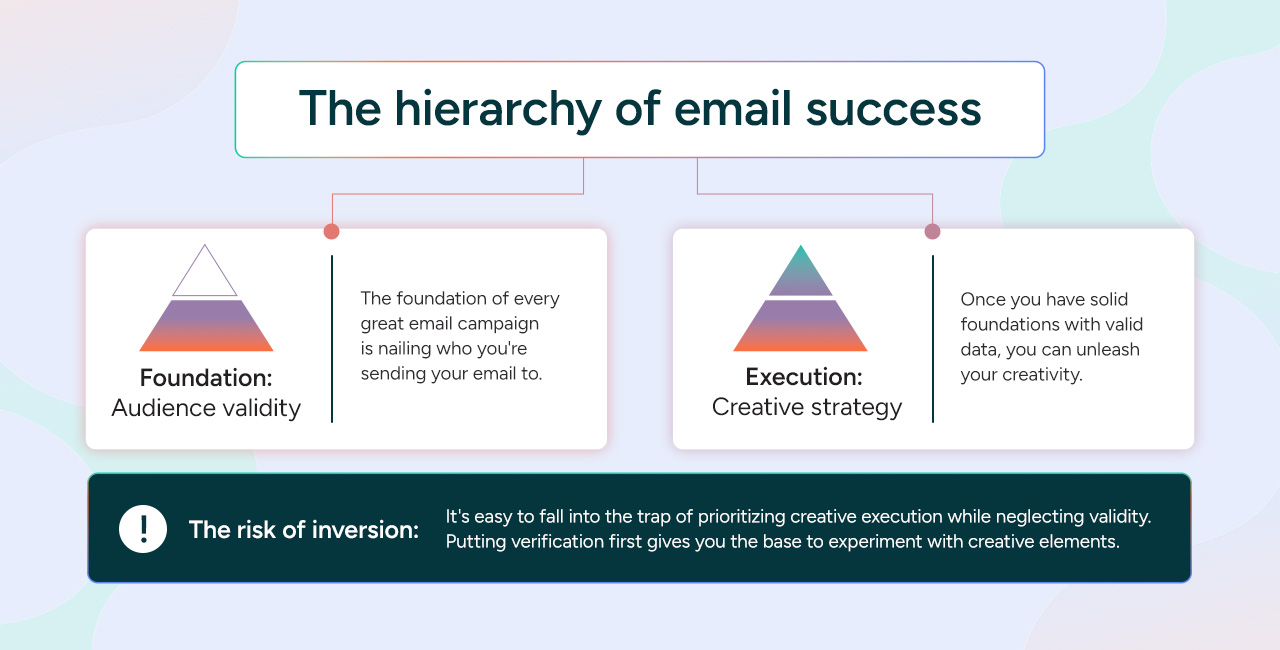
Achieving a truly successful email campaign is not merely about having strong creative elements; it’s about executing them in the correct sequence, adhering to a fundamental hierarchy of priorities.
1. Foundation: Audience Validity
The absolute bedrock of any impactful email campaign is a meticulously validated audience. This foundational step is not just about avoiding bounces; it profoundly influences the entire creative strategy. By first confirming who the emails are being sent to, marketers gain clarity, preventing their carefully crafted messages from “shouting into the void” – both metaphorically, in terms of irrelevant messaging, and literally, in terms of reaching invalid email accounts. Establishing this robust foundation ensures that all subsequent resources, whether creative or financial, are optimally utilized. It’s a strategic investment that pays dividends immediately and as campaigns scale, guaranteeing a healthy list that can grow without incurring escalating bounce rates and reputational damage. This involves not just syntax checks but deeper validations, ensuring the email address corresponds to an active, deliverable inbox.
2. Execution: Creative Strategy
Once the solid foundation of valid data is established, the creative floodgates can open. This layer encompasses the artistry of email marketing: compelling copy, engaging design, and sophisticated personalization tactics. While the creative strategy is undeniably responsible for capturing attention, driving engagement, and fostering conversions, its effectiveness is entirely contingent upon the deliverability ensured by the preceding email verification. A brilliant email that never reaches the inbox is a brilliant email wasted. This stage involves A/B testing, segmentation, and dynamic content, all of which become truly impactful only when targeted at a verified audience.
3. The Risk of Inversion
A common pitfall is the inversion of this hierarchy, where creative execution is prioritized over the painstaking work of list validation. This creates a false sense of security, where marketers believe they are optimizing campaigns through creative tweaks, when in reality, a significant portion of their efforts is being directed at invalid contacts. The danger lies in making “educated guesses” about performance based on skewed data, rather than informed decisions derived from a clean, reliable audience base. To rectify this inversion, a significant cultural shift is often required within marketing teams. Metrics related to clean data – such as low bounce rates, high deliverability rates, and the percentage of verified contacts – must be championed with the same fervor as traditional engagement metrics like click-through rates and open rates. This ensures that data hygiene becomes an intrinsic part of the marketing ethos, rather than an afterthought.
The Mechanics of Precision: How Advanced Email Verification Operates
Modern email verification is far more sophisticated than a rudimentary check for an “@” symbol. It’s a multi-layered technical process designed to ascertain the true validity and deliverability of an email address.
Beyond Basic Syntax
While basic syntax checks are the first line of defense, weeding out clearly malformed addresses (e.g., “[email protected]” or “jane@example”), they offer only a superficial assessment. A syntax check merely confirms if an address looks like an email. It cannot determine if that address is still active, if the inbox is full, if the domain exists, or if the server is configured to reject external mail. Advanced verification goes deeper, performing a series of checks:
- Domain Validation: Verifying that the domain (e.g., “example.com”) actually exists and has valid Mail Exchange (MX) records, which direct emails to the correct mail server.
- SMTP Connection & Response: Attempting to establish a connection with the email server (SMTP handshake) to see if it responds positively. This can identify if the server is down or configured to block certain requests.
- User Existence Check: Attempting to verify if the specific mailbox user (e.g., “john.doe”) exists on the domain’s server without actually sending an email. This is a complex step, as some servers are configured to prevent such checks for security or privacy reasons.
- Temporary vs. Permanent Issues: Distinguishing between temporary issues, such as a full mailbox or a temporary server error (soft bounce), and permanent failures, like a non-existent user or an expired domain (hard bounce). This distinction is crucial for list segmentation and strategic re-engagement.
Types of Bad Data and Compliance
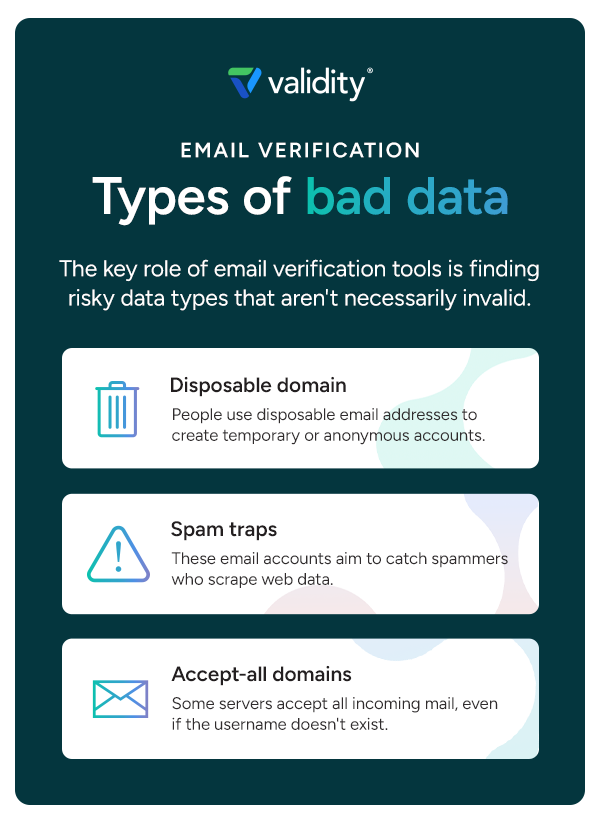
Email verification tools play a pivotal role in identifying various categories of “risky” data that, while not always outright invalid, can severely harm an email program:
- Spam Traps: These are email addresses specifically designed to catch spammers. Sending to a spam trap can instantly and severely damage a sender’s reputation, leading to immediate blacklisting.
- Disposable Email Addresses (DEAs): Temporary email addresses (e.g., from Mailinator) used for one-off sign-ups, often by users who wish to avoid receiving ongoing communications. While technically valid for a short period, they offer no long-term value.
- Role-Based Emails: Addresses like “info@,” “sales@,” or “admin@” that represent a department rather than an individual. While not always “bad,” they often have lower engagement rates and can be perceived as less personal.
- Catch-All Domains: Domains configured to accept all emails sent to them, even if the specific user doesn’t exist. This makes direct user existence checks impossible and carries a higher risk of bounces.
- High-Risk Domains: Domains associated with known fraudulent activities, bulk email sending, or those frequently found on purchased lists.
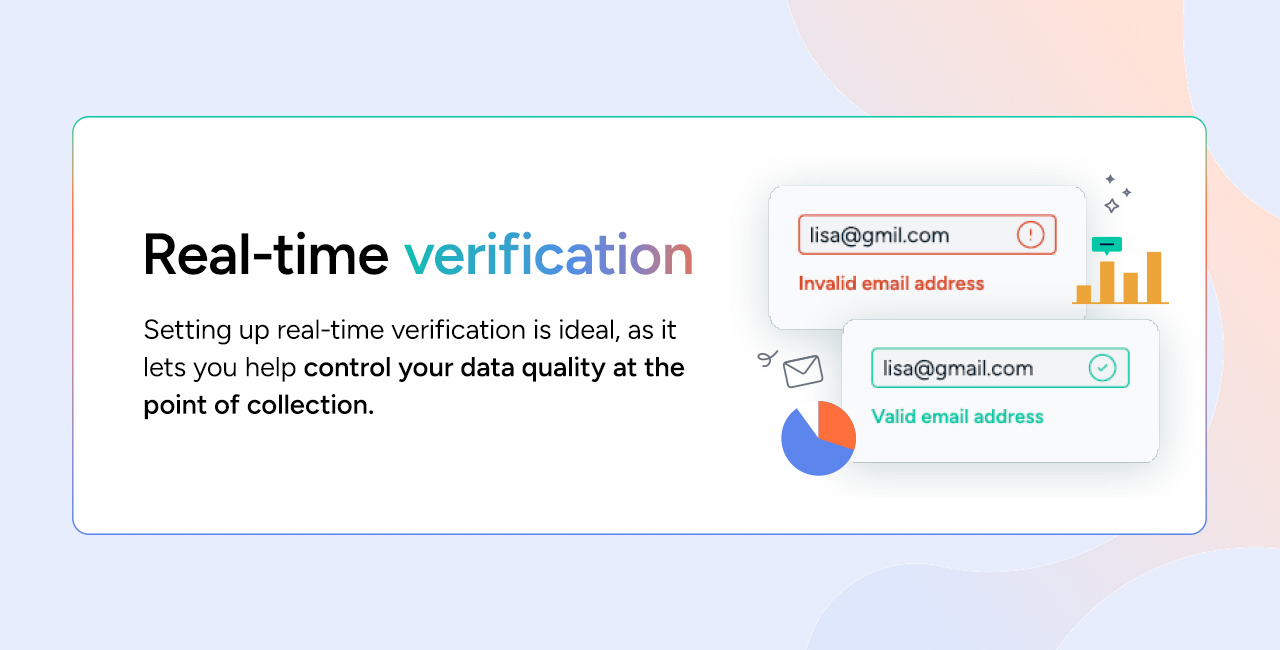
- Typo Correction: Identifying common typos in domain names (e.g., “gamil.com” instead of “gmail.com”) and suggesting corrections.
Beyond technical performance, using email validation tools provides a crucial first line of defense for regulatory compliance. By identifying and removing spam traps or high-risk domains often associated with purchased lists or poor data hygiene, organizations significantly minimize their risk of violating stringent data protection regulations. This includes the General Data Protection Regulation (GDPR) in Europe, the California Consumer Privacy Act (CCPA) in the United States, and Canada’s Anti-Spam Legislation (CASL). Non-compliance with these regulations can result in hefty fines, reputational damage, and legal repercussions, making robust verification an essential component of a legally sound marketing strategy.
The Tangible Toll: Unpacking the Direct and Indirect Costs of Poor Data Hygiene
The consequences of neglecting email verification extend far beyond technical performance; they directly impact an organization’s bottom line, manifesting as both direct financial losses and insidious indirect costs.
Direct Costs
The most immediate and quantifiable cost is the money wasted on email service providers (ESPs). Most ESPs charge based on subscriber count or email volume sent. By maintaining a database bloated with invalid or non-existent contacts, organizations are literally paying to send emails to ghosts. Purging these useless contacts eliminates this waste, ensuring that every dollar spent on an ESP goes towards reaching a verifiable, reachable lead. Streamlining an email list can often lead to a reduction in ESP subscription tiers, resulting in immediate and tangible savings on overall email marketing costs. For a business with a list of 500,000 subscribers, even if 10% are invalid, that’s 50,000 contacts being paid for unnecessarily, potentially costing thousands of dollars annually depending on the ESP’s pricing model.
Indirect Costs
The indirect costs, though harder to quantify immediately, can be far more damaging:
- Skewed Analytics and Inaccurate Optimization: Bad data distorts campaign metrics. When bounce rates are artificially inflated, or open rates appear lower due to undeliverable emails, it becomes impossible to accurately evaluate A/B tests or the true performance of different creative strategies. Marketers might make incorrect assumptions about what resonates with their audience, leading to suboptimal future campaigns. With a verified list, analytics become reliable, enabling confident reporting on marketing’s true impact and facilitating more effective strategy optimization.
- Damaged Sender Reputation and Deliverability: Every hard bounce is a blow to a domain’s sender reputation. Over time, a consistently high bounce rate signals to mailbox providers that the sender is unreliable or potentially spamming. This can lead to emails being increasingly routed to spam folders, or even blocked entirely. The indirect cost here is the loss of reach and engagement with genuine leads, significantly impacting lead generation and sales. Recovering a damaged sender reputation is a lengthy and resource-intensive process, involving careful monitoring, gradual sending increases, and often, professional consultation. Proactive verification ensures time is spent on growth, not costly reputational repairs.
- Operational Drag and Sales-Marketing Friction: When marketing passes invalid leads to the sales team, sales representatives waste precious time chasing dead ends. This operational inefficiency doesn’t just reduce sales productivity; it erodes trust in marketing-generated leads, creating internal friction and hindering alignment between the two critical departments. Regular verification ensures marketing equips sales with actionable, high-quality leads, allowing the sales team to focus on conversion and create greater impact.
- Increased IT and Storage Costs: Bloated databases, filled with invalid entries, can slow down sync times between various platforms like CRM, marketing automation, and analytics tools. This unnecessary data load can also increase storage costs for backups and data warehousing, adding a hidden layer of expense to IT budgets. Regularly verifying email lists helps to reduce this data accumulation, streamlining operations and reducing infrastructure overhead.
Opportunity Costs
Beyond direct and indirect expenses, there are significant opportunity costs – the benefits lost by not taking a different course of action.
- Lost Recoverable Leads: A major opportunity cost lies in leads that could have been saved. Often, an email address is invalid due to a simple human error, such as a typo in a domain name (e.g., “gmai.com” instead of “gmail.com”). Without real-time verification at the point of capture, these leads are lost entirely.
- Suboptimal Customer Experience: Real-time correction creates a frictionless user experience. If a user mistypes their email on a sign-up form, being prompted immediately to correct it reinforces the brand’s professionalism and ensures they instantly receive the information or access they requested. Failing to do so means the prospect never gets their desired content, leading to frustration and a missed conversion opportunity. This proactive engagement at the point of capture enhances brand perception and improves the overall customer journey.
A Strategic Imperative: Implementing a Robust Email Verification Framework
Effective email verification is not a one-time fix but an ongoing strategic process, encompassing various methodologies to clean existing lists and prevent future bad data ingress.
Real-time Verification
Implementing real-time verification is paramount for controlling data quality at the source. These tools, often powered by Application Programming Interfaces (APIs), integrate directly into web forms, sign-up pages, and CRM systems. As a user enters an email address, the API instantly checks its validity. If a typo is detected or the address is found to be invalid, the user is prompted to correct it before the data is submitted and added to the database. This immediate feedback loop minimizes the amount of bad data entering the system, significantly reducing the “hand-off anxieties” between marketing and sales teams by ensuring leads are valid from the outset. This also enhances the user experience, as prospects receive immediate confirmation and access to requested content without delays caused by incorrect entries.
Bulk Verification
While real-time verification handles new data, existing databases often require periodic “deep cleaning.” Bulk verification tools allow organizations to upload entire email lists for comprehensive analysis and sanitization. This is crucial for addressing data decay, a natural phenomenon where email addresses become invalid over time. Industry reports suggest that email lists can decay by 20-30% annually due to job changes, company closures, domain expirations, or users abandoning old email accounts. This challenge is particularly acute in fast-moving sectors like Software-as-a-Service (SaaS) and e-commerce, or the Business-to-Business (B2B) space, where professional contact information changes frequently. Bulk verification ensures that even older segments of a database remain viable and valuable.
Regular Maintenance Cadence
Email hygiene should be integrated into a regular maintenance schedule, much like website updates or content audits. This proactive approach catches invalid addresses before the next major send, preventing hard bounces and protecting deliverability. The ideal cadence for verifying and purging emails depends on an organization’s specific needs, industry, and list acquisition velocity. For businesses in high-velocity industries with rapid lead generation and churn, a more frequent cadence (e.g., monthly or quarterly) may be necessary. For others, a semi-annual or annual deep clean might suffice, complemented by continuous real-time verification. The goal is to ensure the “active audience” in the database accurately reflects the “actual audience” of reachable, engaged contacts.
Verify Before Sending Major Campaigns
A critical best practice, especially before high-stakes campaigns, is to perform a final email list verification. Before a major seasonal push like Black Friday, a significant product launch, or a large-scale event promotion, a pre-send verification ensures the most up-to-date list is used. These are moments when email marketing is expected to deliver substantial results, and having a clean list maximizes deliverability, open rates, and ultimately, campaign success. This final check acts as an insurance policy, safeguarding crucial marketing investments.
Managing the Unknowns
Despite sophisticated verification processes, email verification tools sometimes return a small percentage of results with an “unknown” status. This can occur due to temporary server timeouts, highly restrictive recipient security settings, or specific server configurations that prevent definitive checks. A common and risky mistake is to treat these unknowns as valid and include them in the next major campaign, which can inadvertently inflate bounce rates.
A more strategic approach is to segment these unknown contacts onto a “quarantine list.” From this list, marketers can then conduct low-volume, text-only re-engagement campaigns. By using a secondary sending IP address (distinct from the primary sender IP), organizations can test the deliverability of these unknowns. If an email to an unknown address bounces, it can be permanently removed. If it’s delivered and engaged with, the lead can be moved back to the main list. This method protects the primary sender’s reputation while still allowing for the recovery of potentially genuine leads from the unknown category.
The Industry Standard: Validity BriteVerify at the Forefront of Data Integrity
In the critical domain of email verification, speed, accuracy, and reliability are paramount. Tens of thousands of organizations globally, ranging from small businesses to Fortune 500 companies, place their trust in Validity’s solutions, particularly its BriteVerify email verification platform, renowned for its ability to enhance customer data quality.
BriteVerify’s technological prowess is underscored by its capacity to handle massive volumes of data without introducing latency. Its real-time verification API is engineered to perform instantaneous checks, ensuring that user experiences on web forms remain seamless and uninterrupted. This means whether an organization is processing thousands of leads per hour through its online forms or millions of records in a large-scale bulk batch, BriteVerify scales effortlessly to meet these demanding requirements, making it a robust solution for businesses of all sizes and operational velocities.
The accuracy of email verification hinges significantly on the quality of the email provider’s network and its relationships with inbox providers. BriteVerify distinguishes itself through its close, established relationships with major inbox providers and a vast, globally distributed data network. This deep integration and extensive reach allow BriteVerify to perform more accurate and comprehensive status checks compared to competitors who might rely on less sophisticated data scraping methods. By minimizing the number of “unknown” results in email lists, BriteVerify empowers marketers to retain more genuinely valid leads while effectively purging bad data that could negatively impact sender reputation. This nuanced approach to verification ensures a higher level of data fidelity and actionable insights.
Furthermore, BriteVerify’s commitment to user experience extends to its seamless integration capabilities. The platform is designed to integrate effortlessly into existing marketing automation platforms, CRM systems, and custom applications, saving organizations the headaches and significant time investment typically associated with onboarding new technologies. This plug-and-play functionality allows businesses to quickly deploy and leverage the benefits of robust email verification without disrupting their current operational workflows. Industry analysts frequently cite BriteVerify’s comprehensive feature set and proven track record as reasons for its market leadership, often highlighting its ability to provide a definitive “first step accuracy” that underpins all subsequent marketing success.
Looking Ahead: The Future of Email Marketing Hinges on Data Quality
The landscape of digital marketing is continually evolving, with advancements in AI, personalization, and multi-channel engagement reshaping strategies. However, one constant remains foundational: the indispensable role of data quality. As marketing budgets remain tight and the demand for measurable ROI intensifies, the strategic advantage will increasingly belong to organizations that prioritize and continuously invest in data integrity.
Email verification is no longer a peripheral IT concern; it is a core strategic imperative that dictates the effectiveness of an entire marketing ecosystem. It underpins deliverability, optimizes resource allocation, ensures compliance, and strengthens the interdepartmental synergy between marketing and sales. Companies that embed a culture of clean data within their operations will not only see enhanced campaign performance but will also build stronger brand trust and foster more meaningful customer relationships. The evolving role of the “marketing technologist” or “data specialist” within marketing teams further underscores this shift, as expertise in data governance and hygiene becomes as critical as creative prowess.
By prioritizing email verification, creative teams are liberated to focus on true innovation and optimization, knowing their efforts are directed at a receptive, valid audience. Validity BriteVerify empowers this strategic shift, offering flexible verification solutions at every critical juncture – from the point of capture with real-time tools, through regular bulk validations of existing lists, to crucial pre-send checks before major campaigns. This comprehensive approach protects sender reputation, maximizes deliverability, and ensures that every email sent has the highest possible chance of engaging interested leads and driving tangible business outcomes.
To harness the power of pristine data and maximize every send, organizations are encouraged to explore advanced verification solutions.
Get started by requesting a demo today.









