rifanmuazin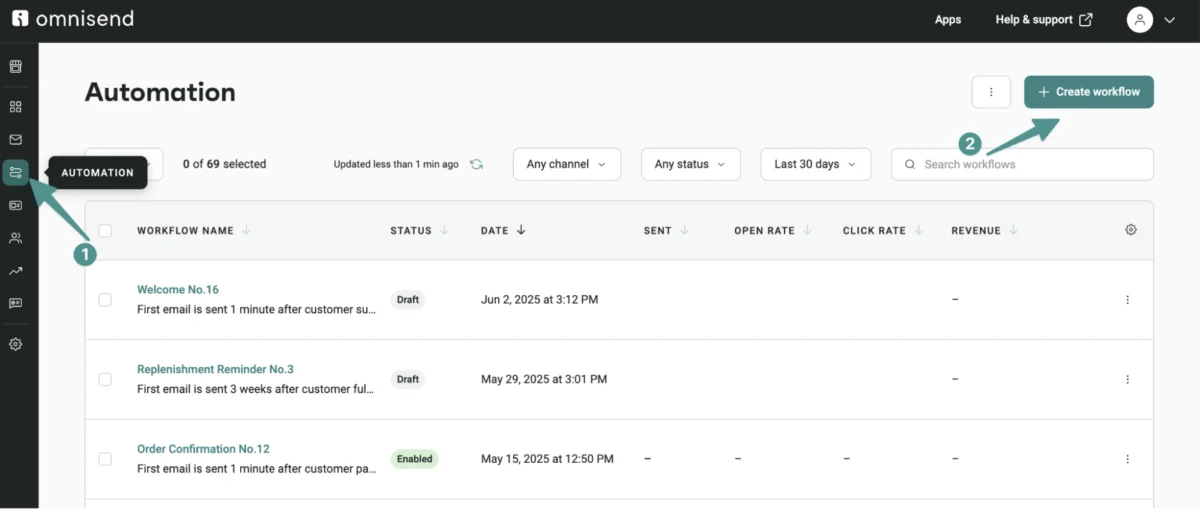
In the rapidly evolving landscape of digital commerce, businesses face an increasingly complex challenge: managing the myriad interactions with customers across their entire journey. As operations scale and competition intensifies, the manual orchestration of customer acquisition, onboarding, retention, and win-back strategies becomes not only time-consuming but unsustainable. This is where customer lifecycle automation (CLA) emerges as a critical practice, transforming how businesses engage with their audience by leveraging sophisticated, behavior-based triggers to deliver timely and relevant communications automatically.
Customer lifecycle automation is a system designed to dispatch personalized emails and other messages to customers based on a series of factors, including their behavioral triggers and their current stage in the buyer’s journey. This innovative approach allows companies to cultivate customer relationships with a high degree of personalization, all without the prohibitive investment of manual time and extensive human resources. It represents a fundamental shift from traditional, labor-intensive email marketing campaigns to fully automated, intelligent workflows that operate continuously.
The fundamental distinction between customer lifecycle automation and customer lifecycle management lies in execution versus strategy. Customer lifecycle management encompasses the strategic planning and analytical side, involving the definition of actions and communications based on target audience behavioral data at every point along the buyer’s journey. It sets the overarching goals and outlines the desired customer experience. Once these strategic decisions are made and specific communication plans are formulated, automation steps in. Customer lifecycle automation is the operational arm, executing these predefined strategies by triggering the right email or message to the right customer at the opportune moment, 24/7, without requiring constant manual intervention. This division of labor ensures that strategic foresight is coupled with scalable, efficient delivery.
Furthermore, CLA stands apart from standard marketing automation. While standard marketing automation often centers around specific campaigns, defining core messages, ad copy, email flows, and triggers for a particular initiative (e.g., a holiday sale or a product launch), customer lifecycle automation takes a broader view. It encompasses the entire email automation strategy, regardless of individual campaigns, ensuring consistent, personalized engagement across all touchpoints of the customer relationship. For instance, a standard marketing automation might involve sending a discount code to first-time buyers immediately after they sign up. In contrast, lifecycle automation would not only send this acquisition-stage discount but also reward existing, loyal customers with exclusive offers, provide post-purchase support, and initiate win-back sequences for dormant clients, all within a coherent, automated framework.
The Strategic Imperative: Why Automation is Indispensable for Lifecycle Marketing
Lifecycle marketing, at its core, is a comprehensive strategy aimed at attracting new customers, converting them into buyers, and fostering enduring relationships with existing clientele. Its success hinges on precisely calculated actions and timely interventions. Automation serves as the indispensable engine for this strategy, streamlining operations and amplifying impact significantly. The rise of e-commerce, marked by fierce competition and evolving consumer expectations, has made scalable personalization a non-negotiable requirement. Consumers today expect brands to understand their individual needs and preferences, delivering relevant content and offers rather than generic mass communications.
The economic implications of effective lifecycle marketing, powered by automation, are profound. Customer acquisition costs (CAC) have been steadily rising across industries, making customer retention more critical than ever. Studies consistently show that acquiring a new customer can be five to 25 times more expensive than retaining an existing one. Furthermore, increasing customer retention rates by just 5% can boost profits by 25% to 95%. This stark reality underscores the value of CLA, which directly supports retention efforts by ensuring ongoing engagement and value delivery. By automating touchpoints that nurture relationships post-purchase, businesses can significantly improve customer lifetime value (CLTV), turning initial buyers into repeat purchasers and brand advocates.
Moreover, operational efficiency is a key driver. Manual email marketing, especially for a growing customer base, is resource-intensive. It demands constant attention to segmentation, scheduling, content creation, and performance monitoring. CLA liberates marketing teams from these repetitive tasks, allowing them to focus on higher-level strategic planning, creative development, and analytical insights. This reduction in manual input minimizes human error, ensures consistency in messaging, and allows marketing efforts to scale seamlessly with business growth. The ability to run marketing efforts 24/7 without manual intervention means no customer interaction is missed, regardless of time zones or staff availability.
Evolution of Customer Engagement: A Brief Timeline
The journey towards sophisticated customer lifecycle automation reflects the broader evolution of marketing.
- Early 2000s: The advent of basic email marketing tools allowed businesses to send bulk newsletters, marking the first step away from direct mail. Segmentation was rudimentary, often based on basic demographic data.
- Mid-2000s to Early 2010s: The rise of e-commerce platforms like Shopify and Magento fueled the need for more targeted communication. Marketing automation platforms began to emerge, offering features like triggered emails (e.g., abandoned cart reminders) and basic lead nurturing. This period saw the initial recognition that different customer behaviors warranted different responses.
- Mid-2010s to Present: The explosion of data, coupled with advancements in artificial intelligence and machine learning, revolutionized marketing automation. Customer data platforms (CDPs) enabled a unified view of customer interactions across multiple channels. This era ushered in true customer lifecycle automation, where complex behavioral triggers, predictive analytics, and hyper-personalization became achievable, allowing for dynamic, adaptive customer journeys. The focus shifted from simply automating tasks to automating intelligent, personalized engagement at every stage of the customer relationship.
The Key Lifecycle Stages Enhanced by Automation
Automation is a powerful tool that can be applied across the entire customer lifecycle, from the initial interaction to fostering long-term loyalty. Each stage presents unique opportunities for automated engagement:
-
Acquisition: This stage focuses on attracting potential customers and converting them into subscribers or first-time buyers.
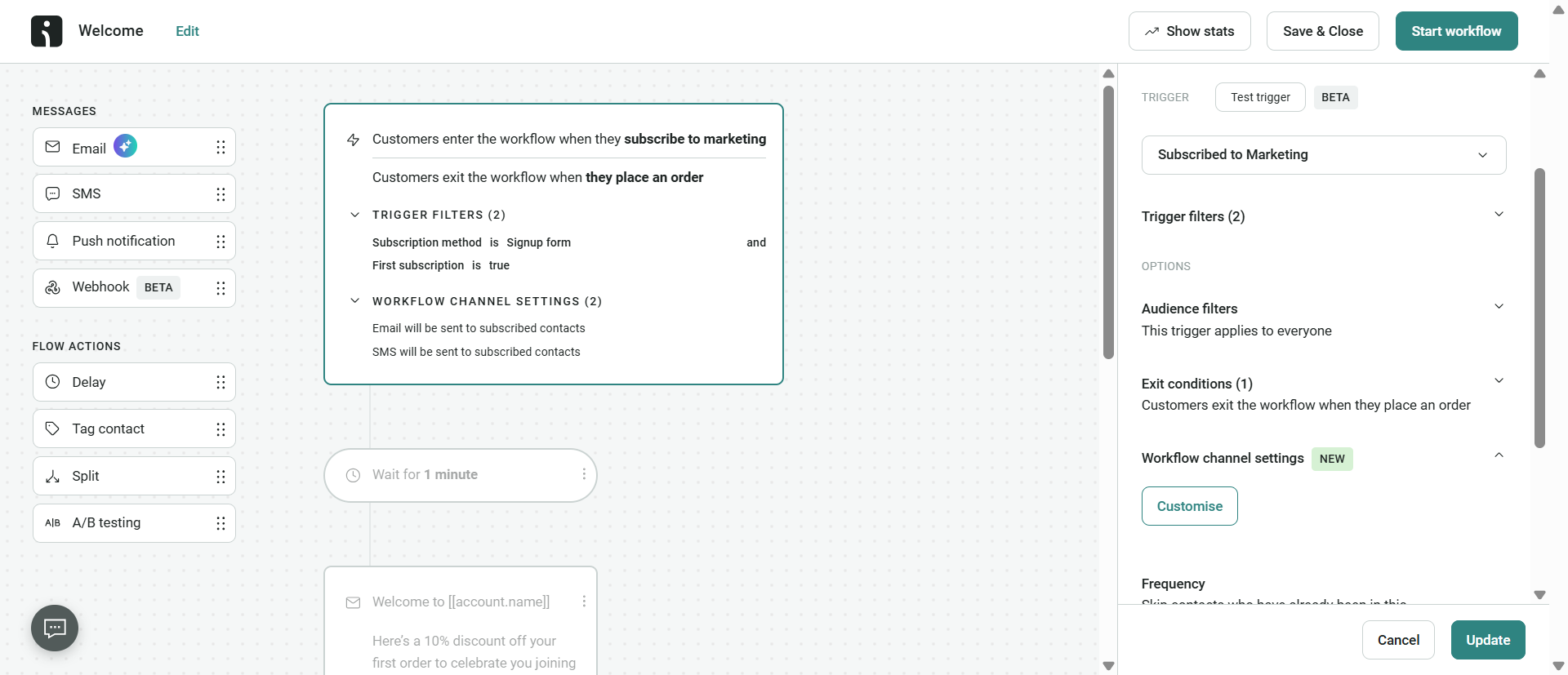
- Automation in Practice: When a visitor provides their email address via a sign-up form (e.g., for a newsletter, a discount, or a content download), a welcome series of emails is immediately triggered. Typically, this sequence might involve three emails delivered over five to seven days. The first email introduces the brand, perhaps offers a welcome discount; the second highlights popular products or brand values; and the third provides social proof or encourages a first purchase. This automated sequence is crucial for setting the tone of the relationship and guiding new subscribers toward their initial transaction. Advanced automation might also include nurturing sequences for leads who haven’t yet purchased, providing valuable content related to their interests.
-
Onboarding: This stage is about guiding new customers through their first purchase and ensuring a positive initial experience.
- Automation in Practice: The moment a customer finalizes their first purchase, an order confirmation email is automatically dispatched. This post-purchase email automation is fundamental for any e-commerce business. Beyond the initial confirmation, subsequent emails provide updates on order status, shipping details, and delivery estimates. This transparency builds confidence and trust, reducing customer anxiety. Further onboarding automation can include “how-to” guides for products, tips for maximizing their use, or even requests for initial feedback to gauge satisfaction, setting the stage for future engagement and loyalty.
-
Retention: This crucial stage aims to keep existing customers engaged, encourage repeat purchases, and build loyalty.
- Automation in Practice: When customers who have previously purchased begin to show signs of disengagement (e.g., declining purchase frequency, no website visits for a defined period), automated emails can be triggered to re-engage them. For example, a skincare company might send automated product replenishment reminders based on typical usage cycles, prompting customers to repurchase before they run out. Similarly, personalized product recommendations based on past purchases, anniversary discounts, or early access to new collections can be automated to reward loyalty and encourage continued interaction. These proactive measures are vital for nurturing long-term relationships and preventing churn.
-
Win-Back: Despite best efforts, some customers will eventually become inactive or “churn.” The win-back stage focuses on re-engaging these customers.
- Automation in Practice: Win-back campaigns are typically triggered after a significant period of inactivity, often 90 days or more since the last purchase or engagement. This automated sequence aims to reconnect with dormant customers before their relationship with the brand completely erodes. Effective win-back emails might offer special incentives (discounts, free shipping), highlight new products or features, or even ask for feedback on why they stopped engaging. The goal is to provide compelling, benefit-based reasons for customers to return. Automation also supports list hygiene in this stage; if win-back efforts are unsuccessful after a defined period, these inactive contacts can be segmentated for removal, ensuring that marketing efforts are focused on engaged subscribers and maintaining list quality.
Implementing Lifecycle Automation: A Practical Approach
While customer lifecycle automation is a powerful tool, setting up a comprehensive system for the entire customer lifecycle can seem daunting, especially for smaller businesses or those with complex customer journeys. Industry experts generally advise starting with high-impact workflows and gradually expanding.
Here’s a practical walkthrough for getting started:
- Identify High-Impact Workflows: Begin by pinpointing the automation sequences that are likely to yield the most significant immediate returns. For most e-commerce brands, the welcome series for new subscribers and abandoned cart reminders are excellent starting points due to their direct impact on conversion. Post-purchase transactional emails are also non-negotiable for customer trust.
- Map the Customer Journey: Understand the typical paths your customers take, from discovery to repeat purchase. Identify key touchpoints and potential drop-off points. This mapping informs where automation can provide the most value.
- Choose the Right Platform: Select a marketing automation platform that is specifically designed for e-commerce and offers robust lifecycle automation features. Platforms like Omnisend, Klaviyo, and ActiveCampaign provide pre-built templates and intuitive drag-and-drop interfaces to simplify workflow creation.
- Integrate Data: Ensure your chosen platform integrates seamlessly with your e-commerce store (e.g., Shopify, WooCommerce) and other relevant tools (CRM, analytics). Unified data is crucial for accurate segmentation and personalized triggers.
- Design and Content Creation: Develop compelling email content for each automated sequence. Focus on clear messaging, strong calls to action, and personalized elements. A/B test different subject lines, body copy, and offers to optimize performance.
- Set Up Triggers and Delays: Configure the specific behavioral triggers that will initiate each automation workflow (e.g., “customer signs up,” “item added to cart but not purchased,” “no purchase in 90 days”). Define appropriate delays between emails within a sequence to avoid overwhelming customers.
- Test Thoroughly: Before launching, rigorously test all automation flows to ensure they function as intended, emails are sent correctly, and personalization elements are accurate.
- Monitor and Optimize: Once live, continuously monitor the performance of your automated workflows using key metrics like open rates, click-through rates, conversion rates, and revenue generated. Use these insights to refine and optimize your sequences for better results.
Measuring Success and Return on Investment
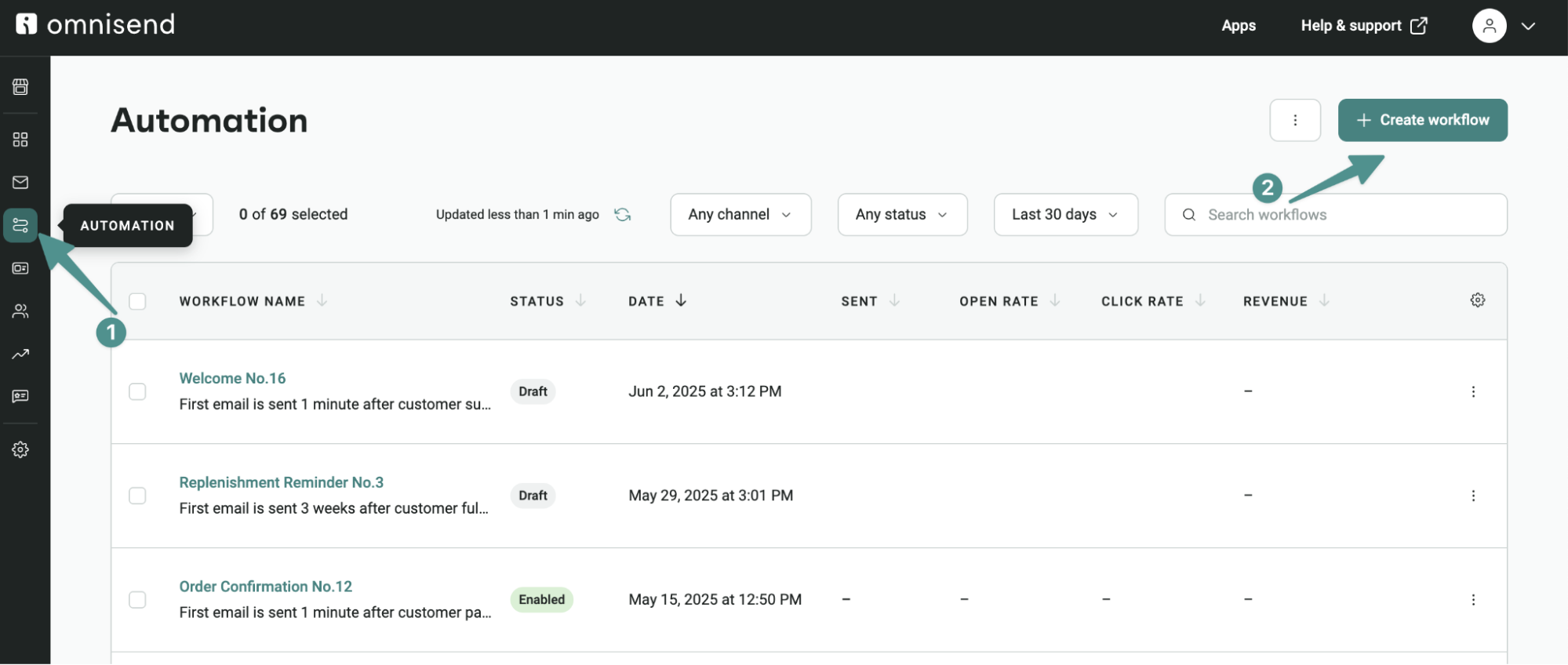
The financial benefits of robust customer lifecycle automation are substantial. Data from various sources consistently highlights the high return on investment (ROI) for email marketing, particularly when automated. On average, email marketing delivers an impressive $36-$40 for every dollar spent for e-commerce businesses. For platforms specifically designed for e-commerce lifecycle automation, like Omnisend, customers report even higher returns, seeing an average of $79 for every dollar spent on email automation.
Key performance indicators (KPIs) to track include:
- Open Rate: Indicates the effectiveness of your subject lines.
- Click-Through Rate (CTR): Measures how engaging your email content is.
- Conversion Rate: Shows how many recipients completed a desired action (e.g., made a purchase).
- Customer Retention Rate: A direct measure of how well your retention automation is working.
- Churn Rate: The percentage of customers who stop doing business with you, which win-back campaigns aim to reduce.
- Customer Lifetime Value (CLTV): The total revenue a business can reasonably expect from a single customer account over their relationship.
- Average Order Value (AOV): Can be influenced by cross-sell and upsell automations.
By diligently tracking these metrics, businesses can quantify the impact of their CLA efforts and make data-driven decisions for continuous improvement.
Conclusion
Customer lifecycle automation is no longer a luxury but a fundamental mechanism driving successful e-commerce email marketing. Whether a business is a nascent startup or a global enterprise, establishing a well-defined customer lifecycle that intelligently covers all four stages—acquisition, onboarding, retention, and win-back—is paramount for sustainable growth. Automating these stages, either one by one or through a holistic strategy, allows e-commerce businesses to consistently engage with customers at the most impactful moments, all while maintaining low operational costs. The consistency, personalization, and efficiency afforded by automation accumulate over time, translating into quantifiable results: increased customer loyalty, higher lifetime value, and ultimately, enhanced profitability. As the digital commerce landscape continues to evolve, the ability to build a lasting, automated lifecycle strategy will remain a key differentiator for brands aiming to thrive.
Frequently Asked Questions
How does lifecycle automation differ from standard marketing automation?
While often used interchangeably, these two terms describe distinct approaches. Standard marketing automation typically revolves around individual campaigns with specific messages and dedicated actions, such as a promotional campaign for a new product. Lifecycle automation, conversely, is integrated across all four customer lifecycle stages (acquisition, onboarding, retention, win-back), automating every workflow based on the evolving relationship a customer has with an e-commerce business, regardless of a specific campaign.
What triggers a win-back automation in e-commerce?
Win-back automation is primarily focused on re-engaging inactive or dormant customers. These emails are typically configured to trigger after a predetermined period of inactivity, commonly 90 days or more since the customer’s last purchase or significant engagement (e.g., website visit, email open). This trigger activates a sequence of win-back emails designed to entice customers back before they fully churn.
How does customer lifecycle automation improve retention?
Customer lifecycle automation significantly enhances retention by proactively identifying and engaging at-risk customers. It leverages individual purchase histories and behavioral signals to automatically send highly targeted emails. Popular examples include sending personalized product replenishment reminders based on past purchase patterns, restock notifications for previously viewed or bought items, exclusive loyalty nudges for frequent shoppers, or proactive support messages after a significant purchase, all designed to keep customers engaged and valued.
What tools are used for customer lifecycle automation?
Effective lifecycle automation necessitates robust tools specifically designed for e-commerce platforms. Leading options include platforms like Klaviyo, Mailchimp, and ActiveCampaign, which offer comprehensive marketing automation suites. However, platforms such as Omnisend are built with a specific focus on e-commerce lifecycle automation, often featuring native integrations with popular e-commerce platforms like Shopify, which streamlines setup and data synchronization for businesses.